risk-intelligence
(34)
Ranjan Reddy and the Price of a Stranger’s Face
He sold his first startup after barely a year. Then he spent the next decade chasing a harder question: how can the internet know whom to trust without making honest people prove themselves at every door?
Neotas Hunts the Risks That Never Made the Watchlist
Most compliance tools ask whether a person is already on a list. Neotas searches the wider digital trail, maps the connections and leaves an audit trail for the human who still has to make the call.
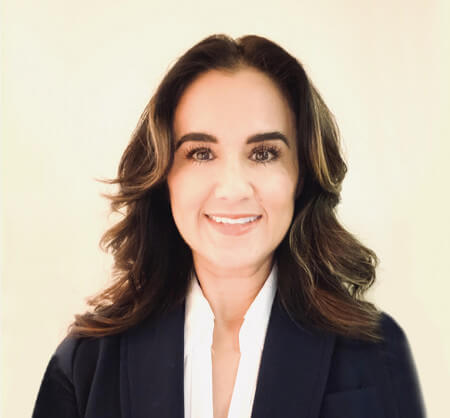
Annalisa Camarillo Learned the Machines. Then She Taught Them to Mean Something.
Her career began in an engineering department and grew through psychology, publishing and enterprise software. At Quantifind, Annalisa Camarillo turns the hidden machinery of risk intelligence into a story that people can act on.
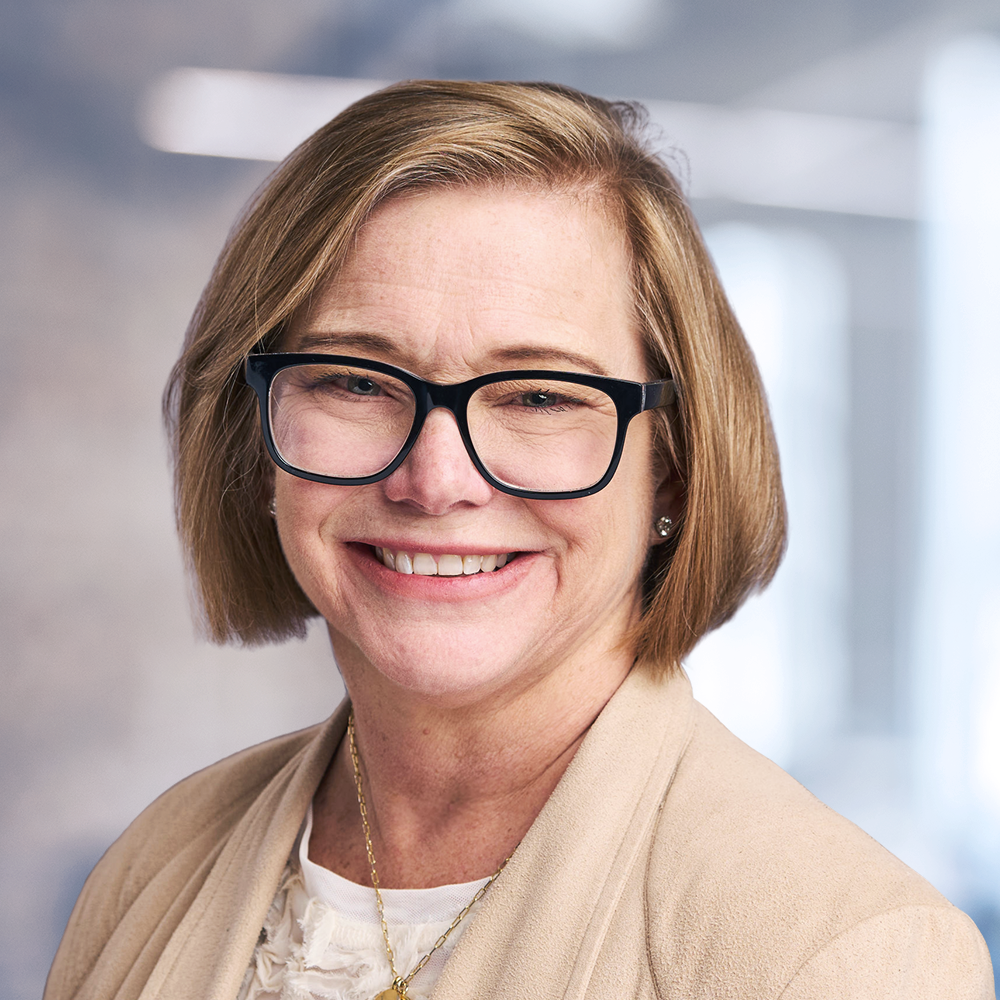
Deb Wolf Knows What to Build When the Playbook Runs Out
Across 35-plus years in technology marketing, she has learned to prefer the difficult middle: the moment when a promising company needs a system, a team, and an honest answer about what comes next.

When the Warning Bell Rings, John Yarbrough Wants the Message to Matter
After two decades spent turning complicated products into clear stories, AlertMedia's new chief marketing officer has arrived at the hardest brief in communications: earn attention before a crisis, then earn trust during one.

Will Messina Went Looking for Debit-Card Rewards. He Found a $93 Trillion Trust Problem.
A broke college student wondered why debit cards earned no points. The detour that followed led him beneath checkout, into the slow machinery of ACH, and toward a harder question: can a bank payment be trusted before it moves?
Dataminr Sells the Most Expensive Minutes in the Room
The New York company built a multibillion-dollar business by finding the first credible signal in a very noisy world. Its product is not information. It is the head start before everyone else has it.
The Riskiest Supplier Is the One Whose Numbers You’ve Never Seen
RapidRatings built a business by asking private suppliers for the one thing risk databases rarely possess: their actual financial statements. Now it is trying to pair that deep view with coverage broad enough for the whole supply chain.
The $10 Trillion Supplier Ledger: How Apex Analytix Turned Payment Mistakes Into a Risk Platform
A 1988 recovery-audit shop now watches the supplier records behind more than $10 trillion in annual spend. Its real product is not a dashboard - it is the moment a company stops trusting bad data by default.

AlertMedia Built a Business for the Moment the Group Chat Fails
The Austin software company turned a simple question - who is in danger, and did they get the message? - into a platform used by more than 3,500 organizations. Its next act is using AI to spot trouble before the first alert is sent.
Greg Radner Built a Career Translating Risk Into Decisions
Before risk intelligence became a boardroom staple, Greg Radner was already building the pipes that move consequential information. His career offers a practical lesson in turning complexity into something people can use.
Jen Snell Learned to Market AI Before AI Learned to Talk Back
Before chatbots became a category, Jen Snell was teaching companies how to give machines a useful voice. Two decades later, the Babel Street CMO is still translating between technical possibility and human judgment.

Babel Street Built an AI Analyst for People Who Can't Afford a Bad Guess
The Washington intelligence-software company spent years helping analysts search a noisy world. Now it is asking AI agents to do the legwork - while humans keep the last word.
RANE Bought a 20-Year Forecasting Machine - Then Built the Risk Desk Most Companies Cannot Afford
The New York risk-intelligence company turned Stratfor's forecasting discipline into a subscription platform for executives facing too many alerts and too little time. Its bet: the valuable product is not more information, but a defensible decision.

The Bank Security Company That Wants You to Notice Almost Nothing
Entersekt built a global financial-authentication business around a stubborn idea: the best security step is often the one a legitimate customer never sees. Now its bet is moving from a protected phone to one context-aware layer across banking and payments.

Nataliia Chornohub Is Turning Open Data Into a Trust Machine
After years of persuading institutions to open their records, the Ukrainian executive now has a harder brief: make those records useful when the stakes include sanctions, reconstruction and national security.
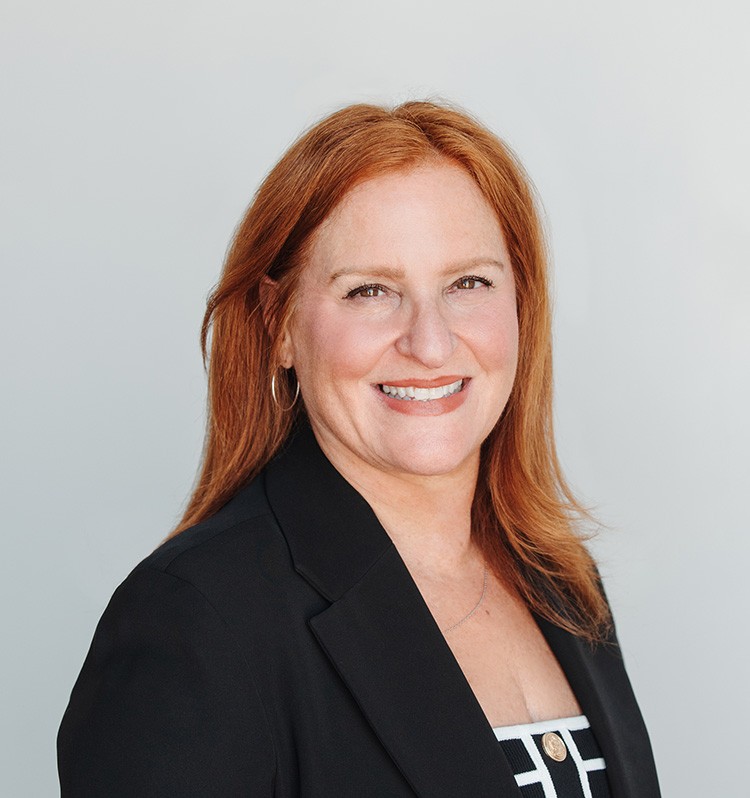
Lori Bryenton Builds the Context Behind the Signal
Across software, clean technology and real-time risk intelligence, Lori Aizer Bryenton has built a career translating complicated systems into decisions people can act on. Her latest lesson is pointed: AI gets useful only after humans do the unglamorous work of supplying context.
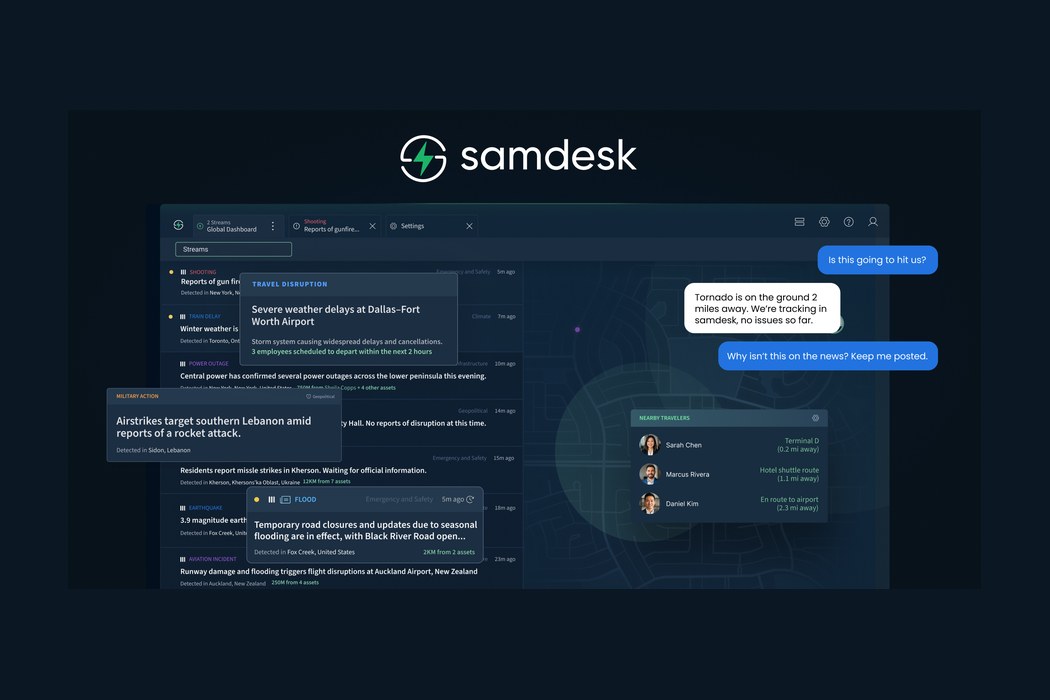
Samdesk Built a Crisis Radar. The Real Product Is 30 Minutes to Think.
Security teams do not need another blinking alert. They need to know whether the fire, flood, shooting, or shutdown will touch their people - and samdesk is betting that AI plus human verification can buy them the most valuable commodity in a crisis: time.
Recorded Future Spent Three Years Lost - Then Turned Internet Noise Into a $2.65 Billion Signal
The founders tried to organize the future, wandered for years, then found a sharper business: tell defenders which threats matter before the damage begins. The result is a useful lesson in focus, patient category-building and making expensive software earn its keep.

The Startup That Read the Fine Print So Risk Managers Don't Have To
Commercial insurance runs on documents nobody wants to read. LineSlip built the software that reads them - and handed risk managers back control of their own numbers.
The Quiet Machine That Helps Insurance Price the Unthinkable
Before an insurer prices a hurricane, spots a suspicious claim, or estimates a ruined kitchen, there is a good chance Verisk is somewhere in the workflow. The 55-year-old data company has become part utility, part software network, and part laboratory for risk.

YC World
YC World is a counterparty and corporate network risk investigation platform built by Ukrainian open-data developer YouControl. It consolidates official company records, ownership networks, sanctions lists, politically exposed persons and other risk signals across 80+ jurisdictions into a single searchable, graph-based workspace, helping compliance teams, investigators and law enforcement run AML, KYC and KYB checks and expose hidden ownership and sanctioned connections.

SHIELD
SHIELD is a device-first fraud intelligence platform that helps online businesses stop fraud, build trust, and drive growth. Founded in 2008 by Justin Lie and originally known as CashShield, the company combines proprietary device fingerprinting with its Global Intelligence Network and AI to detect account takeovers, fake accounts, bot attacks, payment fraud, and incentive abuse in real time. SHIELD protects global platforms like inDrive, Alibaba, Swiggy, Meesho, and TrueMoney across ride-hailing, e-commerce, fintech, and gaming.

Supply Wisdom
Supply Wisdom is a New York-based SaaS company that delivers real-time, continuous third-party and location risk intelligence. Its platform monitors suppliers and business locations across seven risk domains - financial, cyber, operational, compliance, ESG/sustainability, nth-party, and location - tracking 350+ risk metrics and pushing early-warning alerts so enterprises can act before a disruption hits. Its clients are Fortune 100 and Global 2000 firms in financial services, insurance, healthcare, and technology.

Jenna Wells
Jenna Wells is the Chief Executive Officer and a board member of Supply Wisdom, a real-time risk intelligence platform based in New York. A former U.S. Marine Corps signals intelligence officer and Purdue University graduate, she spent nearly two decades in intelligence and third-party risk management, including leadership roles at Wellington Management and Iron Mountain, before joining Supply Wisdom. She rose through the company from Head of Customer Experience to Head of Product to Chief Operating Officer, and was named CEO in June 2025 alongside a $14 million Series B funding round led by Jurassic Capital. Notably, she used the Supply Wisdom platform as a customer before joining the team that builds it.
LegitScript
LegitScript is a Portland, Oregon-based internet and payments compliance company that helps banks, payment providers, and the world's largest platforms tell legitimate merchants and products from dangerous or illegal ones. Founded in 2007 to fight rogue online pharmacies, it now certifies businesses in high-risk sectors and monitors merchants, ad platforms, marketplaces, and social media across more than 60 high-risk areas, blending AI, human analysts, and a large product-classification database.

ComplyAdvantage
ComplyAdvantage is a London-founded RegTech company that uses AI and machine learning to help banks, fintechs and other regulated businesses detect and prevent financial crime. Its flagship Mesh platform combines a proprietary, real-time database of sanctions, watchlists, politically exposed persons (PEPs) and adverse media with customer screening, transaction monitoring, payment screening and fraud detection - automating the heavy, error-prone work of anti-money-laundering (AML) and know-your-customer (KYC) compliance for more than 3,000 enterprises across roughly 75 countries.

Sigma360
Sigma360 is a New York-based risk intelligence company that helps banks, payment firms, fintechs and global corporations detect and manage financial crime. Its cloud-native, AI-powered platform unifies global risk data, proprietary intelligence, core screening technology and automation to surface direct and network-based risk at sub-second speed, cut false positives, and run perpetual KYC, sanctions and adverse media screening. Founded in 2017 as Sigma Ratings, the company protects more than $2 trillion in assets and company value.
Stuart Jones Jr.
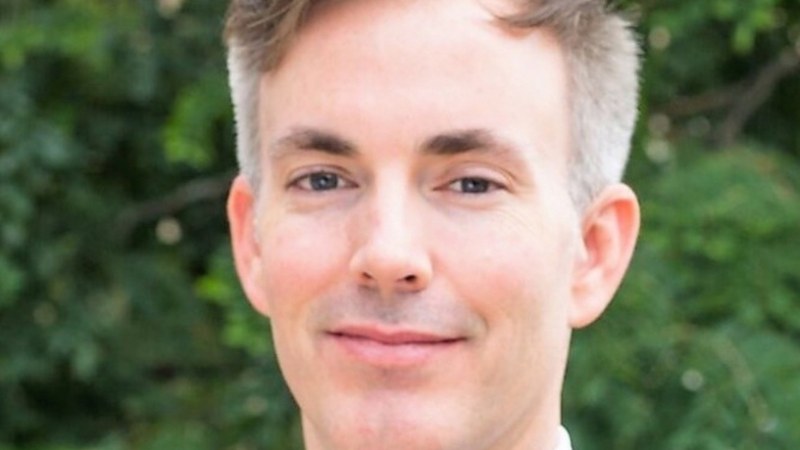
Stuart Jones Jr. is the co-founder and CEO of Sigma360, an AI-powered risk intelligence platform fighting financial crime for banks, payment providers and globally exposed corporations. A former senior U.S. Treasury official who chased illicit money through Afghanistan and the Arabian Gulf after 9/11, he turned a counterterrorism playbook into enterprise software. In March 2026 his company closed an oversubscribed $17.3M Series B, having reached profitability and the now protecting more than $2 trillion in assets.
Middesk
Middesk is a San Francisco-based business identity platform that helps banks, fintechs, lenders, and marketplaces verify the businesses they transact with. Its KYB APIs turn the slow, paper-heavy process of vetting a company into a real-time decision, powering onboarding at firms like Brex, Plaid, Mercury, Gusto, Affirm, and Shopify.