retail-distribution
(27)
The Fintech Hiding in 50,000 Corner Stores
Emida spent two decades making the neighborhood shop behave like a digital wallet. Its advantage is not a prettier app - it is the stubborn, physical work of reaching cash customers where they already stand.
How an $18,000 Closeout Bet Built a $400 Million Kitchen Business - and Why Its Smartest Move Was a Factory Saying No
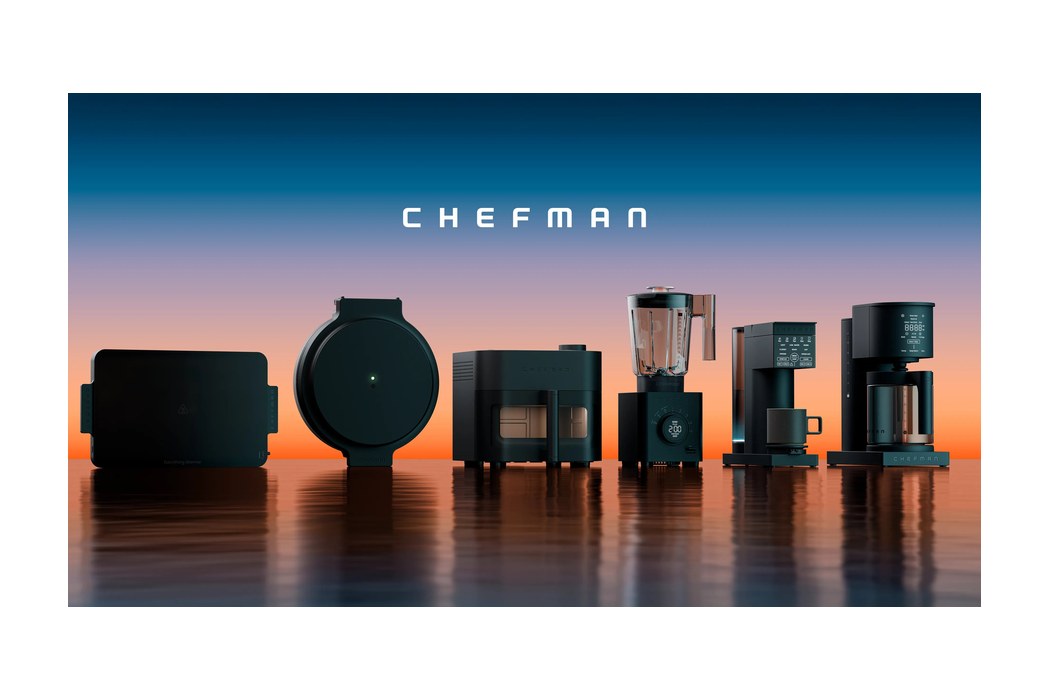
Chefman won shelf space with affordable appliances. Then it used the cash to build CHEF iQ - a connected kitchen system whose most important ingredient may be the factory that refused to make it.

Energy Sistem Quit the Smartphone Race - and Found Its Real Product
The Spanish electronics brand tried phones, watched the economics turn ugly, and walked back to audio. Its 30-year reinvention offers a useful playbook for any consumer company tempted to confuse a big market with a good market.

Spectrum Brands Sold the Locks for $4.36 Billion. Now Comes the Hard Part.
The company behind FURminator, Tetra, Cutter and Remington made billions by selling a business it had improved. Its next trick is harder: proving that a smaller portfolio can grow without losing the scale that made the collection useful.
The Company That Rents Out America's Most Trusted Logos
A Woodbridge, New Jersey family business has quietly built a 2,000-product catalog by borrowing names shoppers already trust - and doing the unglamorous work of design, packaging, and shelf logistics behind them.
The Beauty Roll-Up Betting the Next Category King Is Hiding in Plain Sight
Performance Beauty Group has assembled a portfolio around the eye - then built the factories, data loops and retail relationships to make small brands travel. Its wager is that discipline, not endless launches, can turn founder energy into durable category authority.

The Ohio Basement Where a Space Heater Beat Madison Avenue
Ben Suarez built a direct-marketing machine in North Canton, Ohio that sold more than five million space heaters - and treated every ad like a controlled experiment.
The 96-Year-Old Startup Behind Your Shower Curtain
Mayzon has quietly built the shower rods, curtains and bath storage in millions of American bathrooms since 1929 - and it recently taught its shower curtains to fight bacteria.
The 3PL That Pays When the Box Goes Wrong
Red Stag Fulfillment built a warehouse business around the boxes other operators would rather avoid. Its sharpest sales tool is not a robot or a routing map, but a set of guarantees that makes warehouse mistakes cost the warehouse.
The Bedding Company That Turned a Sheet Problem Into a Sleep System
Malouf Home began with two newlyweds, an overpriced set of sheets and a spare bedroom full of inventory. Two decades later, it is trying to own the whole sleep system - from the fabric touching your skin to the app-controlled machinery under the mattress.
White Castle Built the Fast-Food Playbook - Then Refused to Play the Franchise Game
The company that helped standardize fast food chose control over breakneck expansion. A century later, its small square burger travels through restaurants, freezer aisles, apps and now automated kiosks.
The $7.1 Billion Tobacco Challenger Betting Its Next Act Fits in a Pouch
ITG Brands was assembled from century-old labels and a modern divestiture. Now America's third-largest tobacco company is using the reach of Winston, Kool and Backwoods to chase growth in oral nicotine - while regulation keeps rewriting the map.
The $7.2 Billion Company Hiding in Your Junk Drawer
Sharpies, slow cookers, strollers and scented candles look like unrelated purchases. Behind the shelf, they are one sprawling experiment in making 50 familiar brands behave like one company.
The $2.2 Billion Candy Machine Hiding in Plain Sight
Ferrara turned a Chicago almond shop into a global portfolio of 40-plus candy brands. Its real advantage is not nostalgia - it is a repeatable system for turning texture, retail data and old names into new growth.
The 102-Year-Old Furniture Company Is Learning to Carry Less
Hooker Furnishings began with a steam whistle and a community-funded factory. A century later, its next act depends on a smaller portfolio, faster logistics and turning a vacation state of mind into a whole-home business.
The 173-Year-Old Game Company Trying to Win the Next Family Night
Jumbo Group has spent generations turning cardboard, rules and a little friendly tension into a European consumer business. Now the company behind Stratego, Wasgij and Hitster is testing whether local game-night loyalties can travel worldwide.
The Company Behind the Switch: How Jasco Quietly Wired 100 Million Homes
You may not recognize the name Jasco, but you have probably handled its work. The Oklahoma City company built a 50-year business by hiding in plain sight - behind familiar brands, ordinary household problems and an uncommon promise to give half of its owned-brand profits away.
The Water Bottle Empire Hiding in Plain Sight
Trove Brands began with a bent wire whisk in a Utah den. Twenty-five years later, its real product is not a bottle - it is a repeatable way to turn tiny daily annoyances into brands people carry everywhere.

The Mousetrap Became a Portfolio: Inside Woodstream’s Quiet Hold on the Backyard
A wooden snap trap grew into 13 brands spanning ants, mosquitoes, backyard birds and electric fences. Woodstream’s real product is the machinery that keeps those narrow, useful names on shelves.
The $1.8 Billion Company Hiding in Your Cabinets
You may never shop for Helen of Troy. You may already own three of its products. The company behind OXO, Hydro Flask, Osprey and a crowded bathroom shelf has spent five decades mastering the art of being everywhere without being obvious.
Markwins Beauty Brands
The name is quiet. The products are everywhere. Markwins built a global beauty portfolio by treating affordable makeup as an operating-system problem - brands up front, factories and distribution behind them.
The Campbell's Company
The company that taught America to recognize a soup can is betting its next chapter on a much bigger pantry - from Rao's sauce to Goldfish crackers. Its hardest task is not escaping its past, but making that past useful again.
Lifetime Brands
The company behind Farberware gadgets, Mikasa plates and S’well bottles has spent decades turning the kitchen drawer into a portfolio business. Now its next act depends as much on logistics and tariffs as it does on taste.
poppi
Poppi turned a kitchen experiment into a brightly colored argument that soda could belong in the wellness aisle. PepsiCo's $1.95 billion acquisition shows how valuable that argument became - and how the brand now has to prove it can travel.
Bimbo Bakeries USA
Bimbo Bakeries USA is the company hiding in plain sight across the bread aisle. Its advantage is not one famous loaf, but a portfolio of old brands tied to a daily system for baking, forecasting and delivering freshness at national scale.
Utz Brands, Inc.
A home-kitchen chip business became a $1.4 billion snack portfolio by preserving the peculiar loyalties of regional brands. Now Utz is betting that tighter factories, wider shelves and a new global partner can make local crunch travel.
Mad Engine Global, LLC
Mad Engine Global is a Glendale, California-based designer, manufacturer and distributor of licensed, branded and private-label apparel and accessories. Founded in 1987 as a small Southern California t-shirt supplier, it has grown into a vertically integrated, omnichannel consumer-products company that turns pop-culture properties - from Disney and Marvel to Fortnite, Netflix and Coca-Cola - into wearable merchandise for mass retail, specialty and e-commerce channels worldwide. It also owns brands including LRG, Neff Headwear, Mighty Fine and Fifth Sun, and runs a Take Back recycling program as part of its sustainability push.