The most revealing product in Energy Sistem's catalog is no longer for sale. In 2014, the company from Finestrat, a short drive from the beach towers of Benidorm, introduced the Phone Pro Qi. It called itself the first Spanish brand to launch an eight-core smartphone. The move looked logical: phones were eating cameras, music players and much of the consumer-electronics shelf. Energy Sistem already made tablets, e-readers and MP3 players. Why not climb into the device that swallowed them all?
Because a large market can be a terrible place to build a medium-sized brand. The phone line did not hit its targets. Chinese manufacturers were compressing prices, software support was becoming a permanent obligation, and global leaders owned the channels and the customer expectation. Energy Sistem's last phone launches arrived in 2017. Then the company did something that sounds obvious only after somebody else has done it: it left.
The retreat had a visible cost. Reported revenue slid from €37 million in 2015 to €27.5 million in 2017 and €20.2 million in 2018. By the year ending July 2019, it had edged back to roughly €22 million. This was not a frictionless pivot painted on a conference slide. Removing phones meant removing sales. It also meant admitting that the company's most fashionable category was not its best one.
A stationery shop learns to listen
Energy Sistem began before its official 1995 birthday. In the late 1980s, brothers Julio, José Luis, Salvador and Alfonso Sánchez ran Ofitec, a family shop selling stationery, typewriters, fax machines and photocopiers. They moved into computer consumables, components and assembly as the office digitized. Distribution taught them where products disappointed buyers. Eventually, they stopped carrying only other people's boxes and created their own brand.
Its first product was a Smart UPS 500 VA, the sort of beige insurance policy nobody puts in a lifestyle campaign. A serial mouse followed. Then the company found the job that would outlast formats: helping ordinary people carry music around. It sold color MP3 players, touch-screen MP4 players and, company leaders say, put an MP3 player into Spain before the iPod arrived there. The catalog wandered through e-readers, tablets, a glasses-free 3D media player and smartphones, but audio kept reappearing like the chorus.
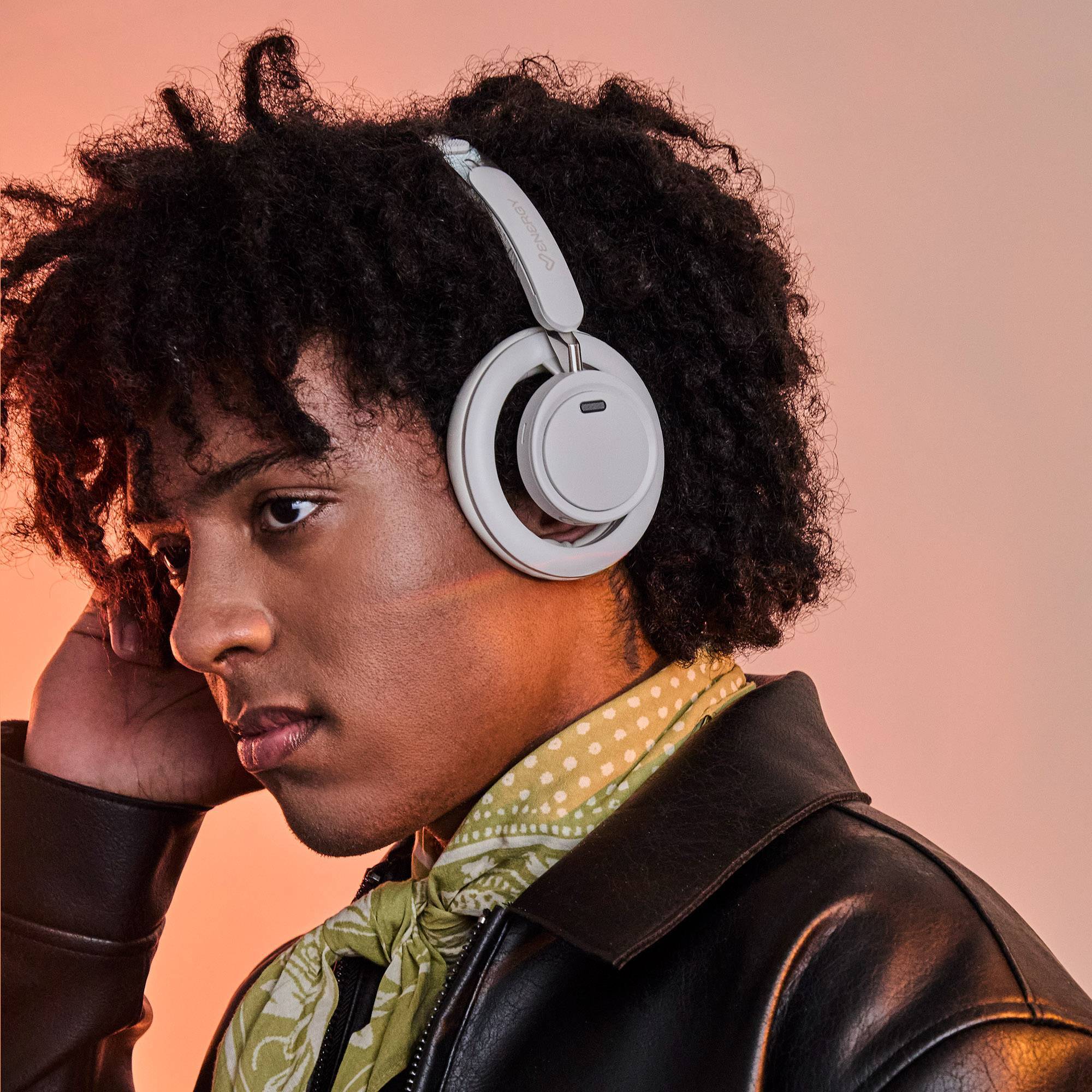
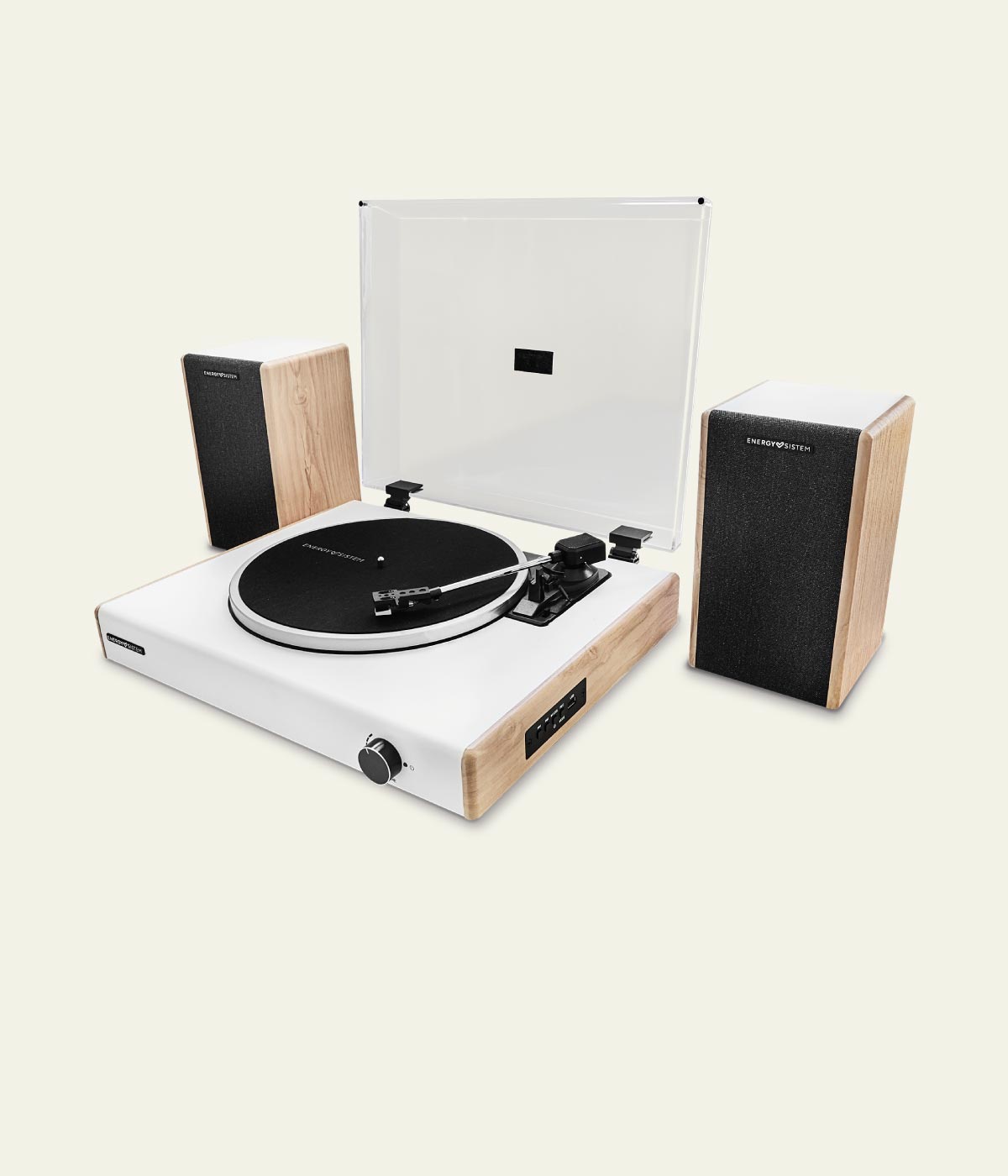
Today the center of gravity is clear. Energy Sistem sells true-wireless earbuds, over-ear and sports headphones, portable and party speakers, sound towers, soundbars, turntables, gaming gear, music glasses and, charmingly, dedicated MP3/MP4 players. The online catalog ranges from inexpensive wired headphones to active-noise-cancelling models and home audio. A companion app, ESmart Connect, lets compatible users alter equalization and touch controls. The promise is not audiophile obscurity. It is approachable sound with color, convenience and a price that can survive a family budget.
The shelf is part of the product
Energy Sistem sits between anonymous marketplace hardware and premium ecosystems from Apple, Sony and Bose. Its more direct rivals include JBL, Xiaomi, Anker's Soundcore, Skullcandy, JLab and Philips. That middle is crowded, but it rewards a different competence from semiconductor scale. A shopper needs to understand comfort, battery life, color, controls and price in seconds. A retailer needs a line that turns over, fills clear price bands and arrives with packaging and promotion already considered.
That is why the company's 2026 language about becoming a “strategic partner” to Inditex, Repsol, El Corte Inglés, FNAC, Amazon, Carrefour, Alcampo and Eroski matters. These names are not merely places where an end customer happens to pay. They are customers with their own shelf economics. New CEO José Manuel Guillén arrived from senior commercial roles across Carrefour, Leroy Merlin, Miele and other retail-heavy businesses. His appointment makes the next bet unusually legible: more international distribution, closer retailer collaboration, adjacent lifestyle categories and a direct store that supplies customer data.
The crowded middle
The direct model is conventional but useful. Energy Sistem owns the brand and product specification, sells devices wholesale through retail and marketplace channels, and operates a Shopify store for EU buyers. Its Club Energy loyalty program awards “Energies,” with 100 points worth €1 in discounts. That is not recurring software revenue. It is a reason to register, return and give a manufacturer a relationship that normally belongs to the retailer.
Green claims, with nouns attached
In 2020, Energy Sistem introduced Eco Audio products made with materials including beech, cherry and walnut wood, hemp cable, jute and cotton. Later products moved toward recycled plastic. The 2023 Senshi ECO true-wireless earphones used 100 percent recycled plastic certified to the Global Recycled Standard, with FSC-certified packaging. The company now describes an 11-product ECO Audio collection spanning speakers, headphones and earbuds.
The better part of the pitch is its specificity. Bosquia helped create an Energy Sistem forest near Doñana in Huelva, then a second site in Llanes, Asturias, where 300 native beeches were planted in 2022. Gravity Wave is named as the partner removing fishing nets and other plastics from the Mediterranean. These details do not solve the electronics industry's larger problems of batteries, repair and short replacement cycles. They do make the claims inspectable.

For buyers, the practical benefit is choice rather than sainthood: a familiar Bluetooth product using certified recycled or responsibly sourced material, sold at an accessible price, with a 36-month warranty in the official store. For Energy Sistem, Eco Audio creates a visual and verbal distinction in an aisle where black plastic can make every box look related. Sustainability here is partly operations, partly product design and partly merchandising. Pretending those motives are separable would make the story less honest.
The part worth stealing
Energy Sistem's playbook is not “start a headphone company.” Manufacturing economics, retailer power and certification costs make that advice almost comically incomplete. The portable lesson is a test for category permission. Before entering a market, ask whether your existing advantages survive contact with it.
Formats changed. Affordable, portable listening remained. Build around the durable customer job, not the temporary device.
A phone brings operating-system support, cameras, carriers and global component rivalry. Price the whole category, not the bill of materials.
Energy Sistem cut breadth and accepted lower revenue. A smaller coherent catalog can be worth more than impressive clutter.
The user wants sound and style. The retailer wants rotation, price ladders and a story that works from three feet away.
Use named materials, standards, locations and partners. “GRS recycled plastic” is stronger than a green gradient.
Retail creates reach; ecommerce and loyalty create feedback. A hardware brand needs both if it wants to learn quickly.
What failed first was not engineering. It was the strategic premise that Energy Sistem could add enough difference in smartphones to earn its place. What changed management's mind was the gap between targets and market prospects. What it cost was real sales during the exit. What survived was institutional knowledge in audio, product design, price architecture and distribution.
When this playbook will not work
- Your core category is also structurally collapsing, so retreat only delays the problem.
- Retailers own the relationship and you have no distinctive design, service or direct customer channel.
- Your sustainability premium outruns what customers will pay or what certification can verify.
- You cannot fund inventory, warranty support and the working-capital lag of physical distribution.
- Your “focus” is merely fewer products, without deeper expertise or faster iteration in those that remain.
Energy Sistem still faces the ordinary hazards of value hardware: relentless price comparison, limited switching costs and giant competitors with advertising budgets that can bend a category. Its recent talk of AI at the point of sale and “lifestyle technology” may open useful doors, or simply add new nouns to an old catalog. The standard should be the one the company applied to smartphones: does this make the brand more useful to the user and the retailer, or merely present in another market?
The company's 30th-anniversary timeline is a small museum of obsolete certainty. The serial mouse gave way to the MP3 player; the e-reader and tablet had their season; the eight-core phone looked like the future until it did not. Headphones remain, but even they are shifting toward open designs, glasses, apps and recycled bodies. Energy Sistem's real product is not any one device. It is the ability to notice when the music has changed - and stop playing the wrong song.