photonics
(19)
Mike Noonen Bet His Career on the Space Between Pixels
After three decades of chips, turnarounds and startup bets, Mike Noonen arrived at a peculiar frontier: making holography behave like a semiconductor business.
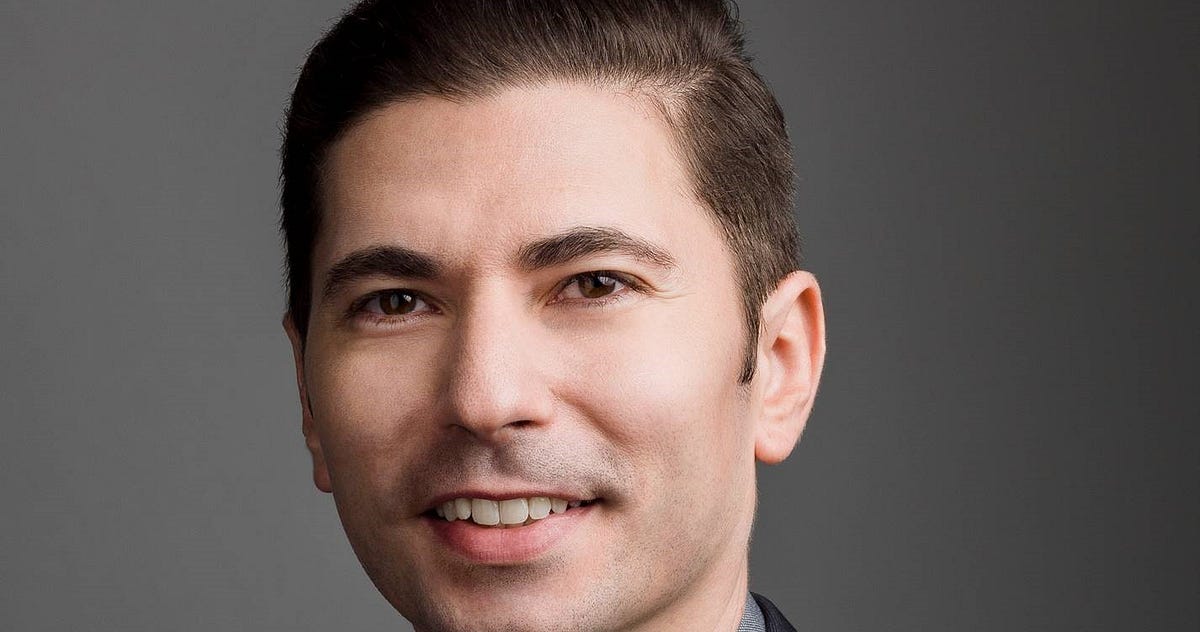
Jon Karafin Wants Light to Stop Behaving Like a Picture
Before he built displays that turn photons into objects, Jon Karafin made a two-ton sculpture run on living yeast. His career is a study in what happens when an artist's appetite for wonder meets an engineer's refusal to hand-wave the physics.
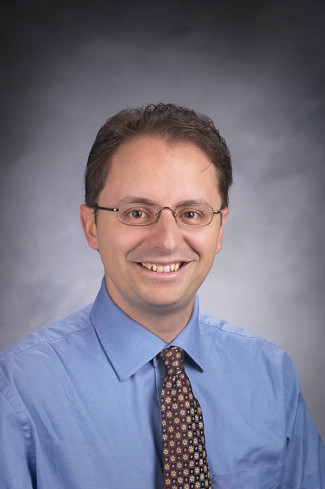
Rafik Ward and the Strategy of Light
Before AI made optics fashionable, Rafik Ward had already spent two decades translating tiny components into big strategic bets. At Lumentum, he is now helping decide where light goes next.
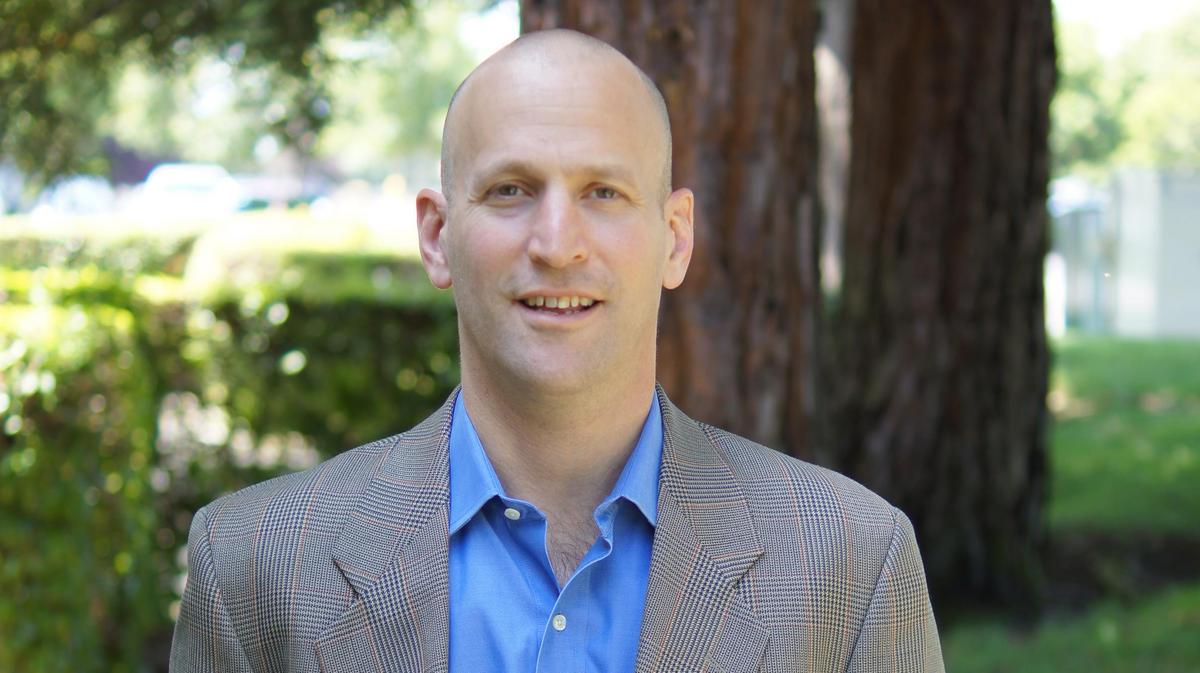
David Friedman Has Spent 30 Years Finding the Bottleneck Before It Becomes Obvious
Before AI data centers ran into a wall of copper, David Friedman had already made a career out of standing where hardware, software and manufacturing collide. His latest act at Lumilens turns a founder’s oldest habit - spotting the constraint early - into an operations job measured in light.

Louis Adam Turned Telecom Complexity Into a Marketing System
At EXFO, Louis Adam made a discipline of translating dense network technology into useful customer conversations - then turned the process into a playbook others could use.

Adam Carter Is Turning a Photonics Lab Bet Into an Open Chip Business
After three decades selling the plumbing of the internet, Adam Carter is making a quieter bet: the next wave of AI infrastructure will be built by letting more companies put light directly on silicon.

Sanjai Parthasarathi
An engineer who learned to market complexity, Sanjai Parthasarathi has spent three decades turning invisible technologies into a story customers, investors, and colleagues can act on.
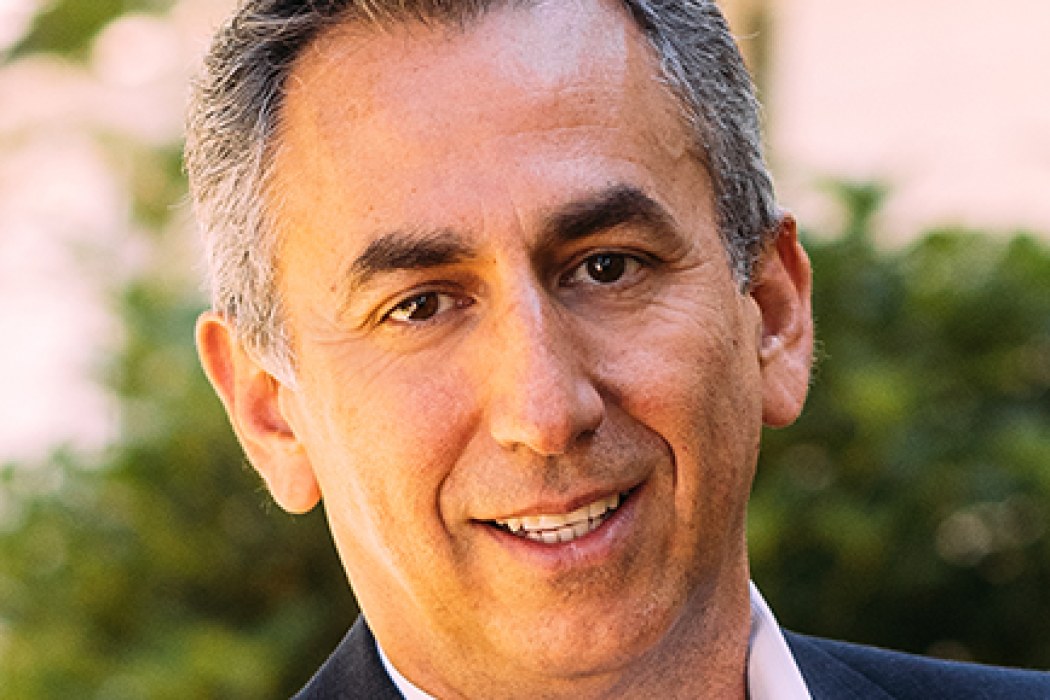
Sam Heidari
Dr. Sam Heidari is the CEO of Lumotive, a Redmond, Washington semiconductor company building programmable, all-silicon lidar chips based on its patented Light Control Metasurface technology. An electrical engineer with a PhD from USC and more than 40 patents, Heidari previously ran Wi-Fi chipmaker Quantenna Communications, taking it from zero revenue to a 2016 IPO and a roughly $1 billion sale to ON Semiconductor in 2019. He now serves on and chairs several technology boards and is turning Lumotive's software-defined optics from a lab breakthrough into mass-produced 3D sensing hardware.
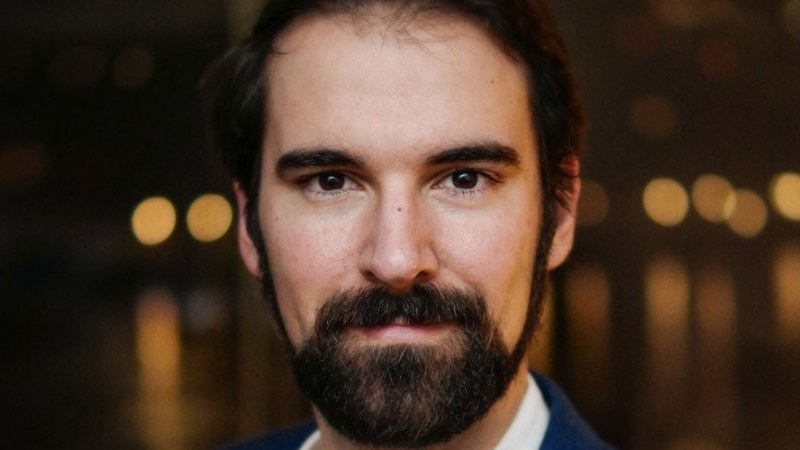
Johannes Galatsanos
Johannes Galatsanos is Co-Founder and CEO of Diffraqtion, a Boston-based quantum imaging startup that has built a quantum camera capable of recovering 95% of photon information lost by conventional sensors - translating to 20x higher resolution and 1,000x faster image processing than any existing optical system. A multilingual MIT and Oxford graduate with Greek-German roots, Galatsanos pivoted from leading AI and data transformation at Novartis to commercializing a decade of DARPA- and NASA-backed quantum photonics research. Diffraqtion won first prize at SLUSH 2025, secured a $4.2M pre-seed round in January 2026, and is targeting satellite launches for space domain awareness and Earth observation by 2028-2029.

Kris Merkel
Kris Merkel is the President and CEO of S2 Corporation, a Bozeman, Montana deep-tech firm turning rare-earth-doped crystals into an optical computer that watches the entire radio spectrum at once. A physicist by training and a patient operator by temperament, he has spent more than two decades pulling a niche piece of laboratory physics, spatial-spectral holography, out of Montana State University and into the hands of the U.S. Department of Defense, DARPA, and the intelligence community.
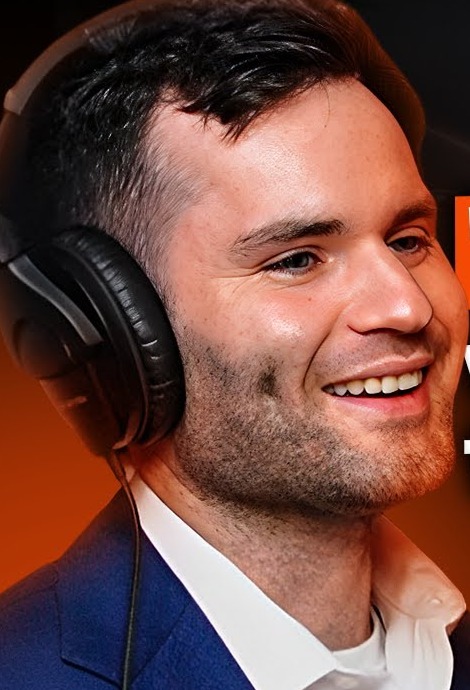
Michael LaFramboise
Michael LaFramboise is the CEO and co-founder of Aurelius Systems, a San Francisco defense startup building autonomous, AI-guided laser turrets that detect and destroy drones at the speed of light for roughly pennies per shot. A Case Western engineer, Navy veteran, and ex-Coherent and Amazon Devices operator, he dropped out of a Columbia PhD in nano optical systems to build Archimedes, a low-cost directed-energy weapon. Aurelius raised a $10 million seed co-led by General Catalyst and Draper Associates in September 2025 and opened a U.S. manufacturing line for high-power fiber lasers in 2026, aiming to become America's domestic one-stop laser shop.
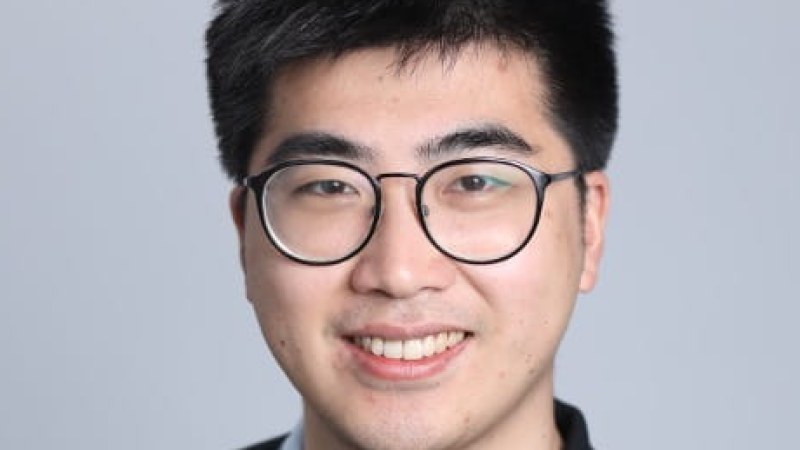
Zaijun Chen
Zaijun Chen is a physicist-turned-founder building light-powered computers for artificial intelligence. As co-founder and CEO of Opticore, he is developing photonic optical processing units (OPUs) that the company says are up to 100x more energy efficient and 25x denser than leading GPUs. Trained at the Max Planck Institute of Quantum Optics and MIT, and now director of the Laboratory of Intelligent and Quantum Photonics at USC, Chen turned a decade of precision-optics research into a venture-backed bet that the future of AI compute runs on photons instead of electrons.
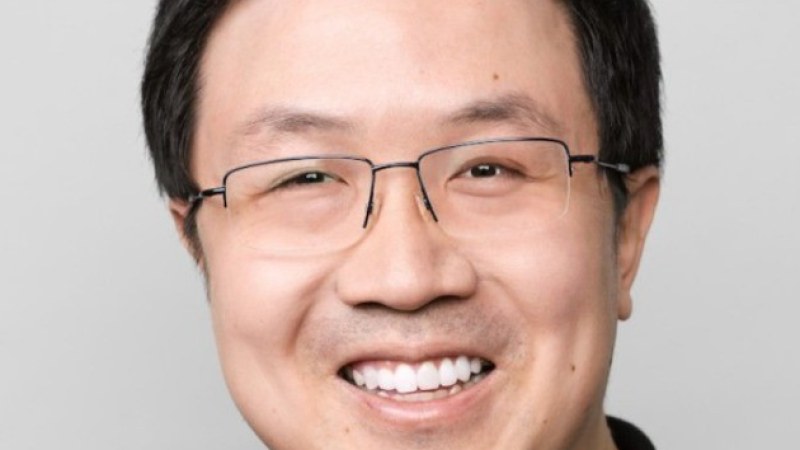
Mian Zhang
Mian Zhang is the co-founder and CEO of HyperLight, the Cambridge-based deep-tech company commercializing thin-film lithium niobate (TFLN) photonics. A Cornell-trained physicist who did his foundational work in Marko Loncar's lab at Harvard, Zhang took a notoriously hard-to-manufacture optical material and shrank it onto silicon-style chips - cutting signal loss roughly 100-fold in work published in Nature. HyperLight now runs the industry's first high-volume, qualified 6-inch TFLN production line and is pushing 400G-per-lane photonic circuits into hyperscale AI data centers through partnerships with UMC, Wavetek, and Jabil.
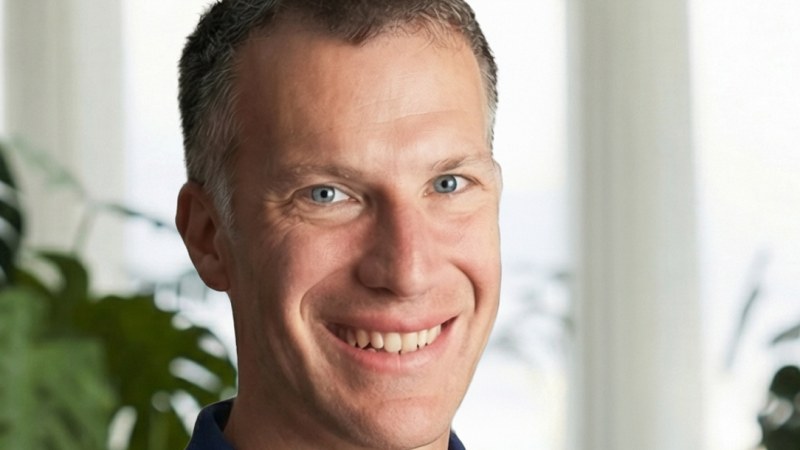
Eric Rosenblum
Eric Rosenblum is a General Partner at Xora Innovation, a Temasek-backed early-stage venture firm investing in AI infrastructure, applied AI, and deep tech. Based in Silicon Valley, he is the firm's first US-based GP, bridging Southeast Asian capital with American innovation. Before Xora, he built Foothill Ventures into a leading deep-tech seed fund and spent his career as an operator at Google, Palantir, and as founder/executive at two acquired startups. A Harvard and MIT Sloan graduate raised in Steubenville, Ohio, he brings a rare combination of big-tech product leadership, China market experience, and hands-on startup scaling to his role as investor.

Peter Barrett
Peter Barrett is the Founder and General Partner of Playground Global, a Palo Alto-based deep tech venture firm managing over $1.2 billion across three funds. An Australian-born engineer turned investor, Barrett holds 100+ patents, gave Elon Musk one of his first jobs in the 1990s, and built the world's most popular IPTV platform at Microsoft before pivoting to backing founders working on problems that sit 'somewhere between improbable and impossible.' Playground Global's portfolio spans quantum computing, robotics, synthetic biology, and energy transition — representing Barrett's conviction that the computing and industrial revolutions are still ahead of us.
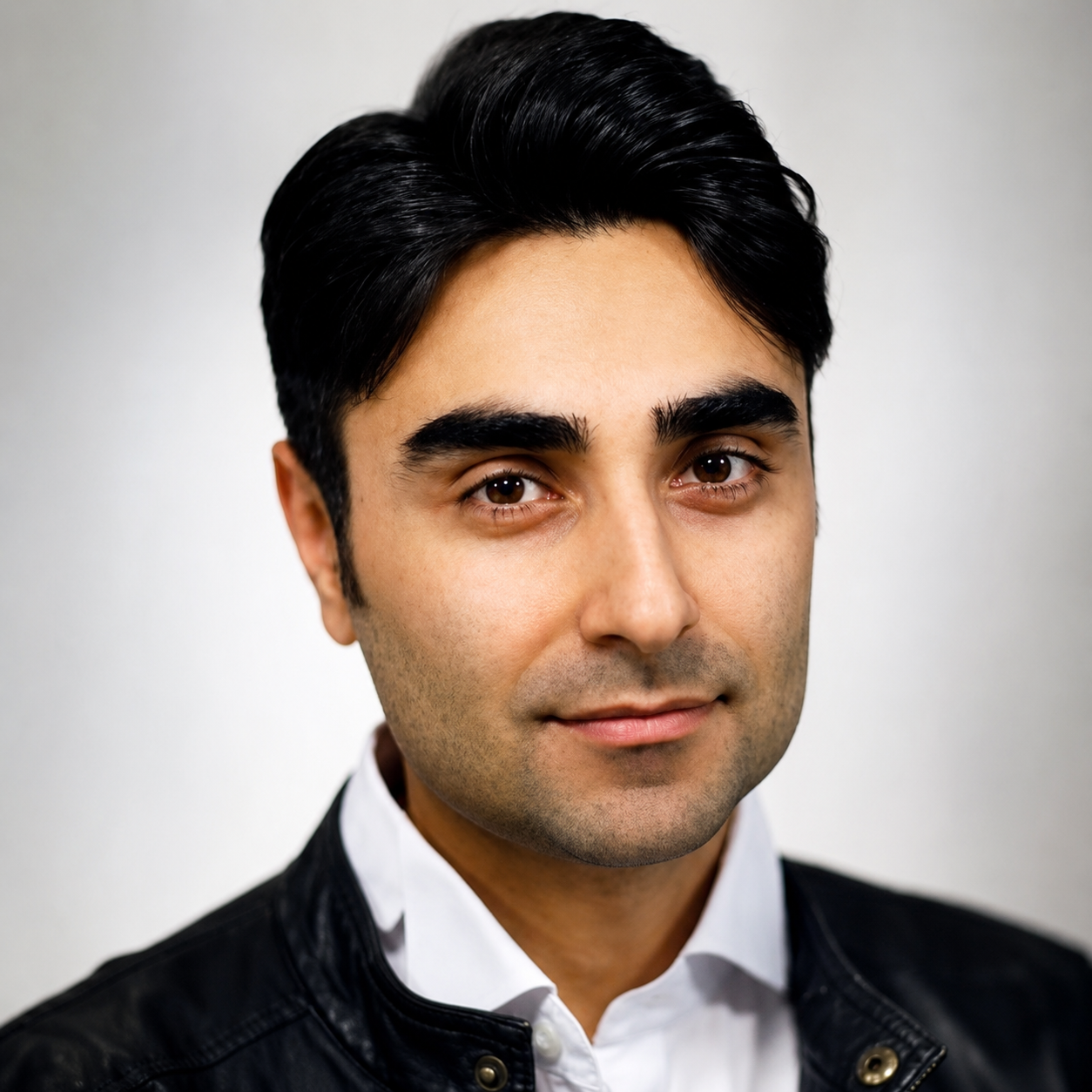
Barmak Heshmat
Barmak Heshmat is an optical physicist and entrepreneur who founded Brelyon, a San Mateo-based startup creating Ultra Reality displays that generate immersive panoramic virtual screens without any headset. A former MIT Media Lab research scientist and onetime head of optics at Meta's AR division, Heshmat ranked in the top 1% of Iran's national university entrance exam, earned a PhD in optoelectronics from the University of Victoria, filed 8 patents, published 20 journal papers, and now leads a company backed by Lockheed Martin Ventures, LG Technology Ventures, and Corning after raising $18.8M total - solving the fundamental problem of why no one wants to wear a computer on their face.
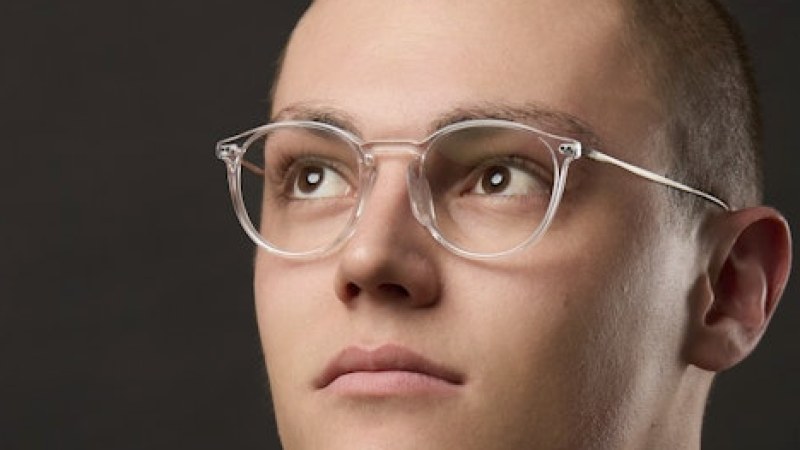
Nicolas Muller
Nicolas Muller is the co-founder and CEO of Arago, a Paris-based deep-tech startup building a photonic AI accelerator called JEF that uses light instead of transistors to perform AI inference at 10x lower energy than leading GPUs. Coming from a physics and machine learning background - including an ML degree from MIT - Muller co-founded Arago in 2024 alongside Eliott Sarrey and Ambroise Müller. The company raised an oversubscribed $26M seed round in July 2025 backed by Earlybird, Protagonist, Visionaries Tomorrow, and angels from Apple, Datadog, Hugging Face and Arm. Arago's approach - top-down from inference efficiency requirements, not bottom-up from optics research - delivered a working prototype in under 12 months.
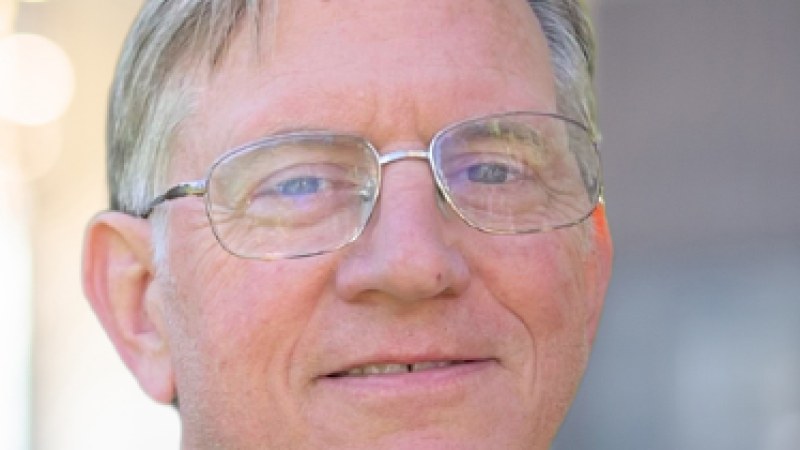
Tim Jenks
Tim Jenks is the Interim CEO of PowerLight Technologies, a Kent, Washington-based company pioneering laser-based wireless power beaming for drones, defense systems, and space infrastructure. A U.S. Naval Academy graduate with a nuclear engineering master's from MIT and an MBA from Stanford, Jenks spent over two decades building NeoPhotonics from a venture-backed startup into a NYSE-listed company before selling it to Lumentum Holdings for approximately $918 million in 2022. Now he's steering PowerLight through a pivotal moment: in April 2026, the company achieved the world's first wireless power beaming to a fielded military drone in flight, delivering kilowatt-class laser energy to a Kraus Hamdani Aerospace K1000ULE at 5,000 feet altitude - a breakthrough that could redefine how unmanned aircraft operate in contested environments.
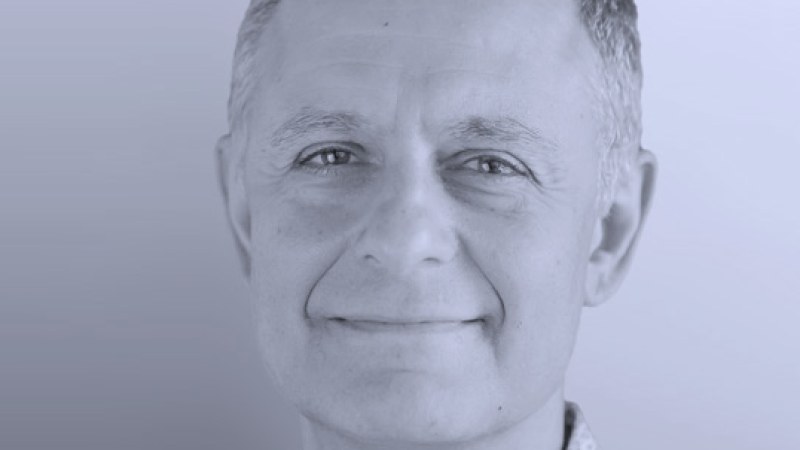
Bardia Pezeshki
Bardia Pezeshki is a serial entrepreneur and photonics pioneer who has spent three decades turning light into bandwidth. As co-founder of Avicena Tech, he is leading the push to replace copper chip-to-chip interconnects with microLED-based optical links - a bet that energy efficiency, not raw speed, is the bottleneck holding back AI infrastructure. With a Stanford PhD in electrical engineering, a prior company (Santur) that moved most of the world's long-distance internet traffic, and a $65M Series B closed in May 2025, Pezeshki is now in the race to wire the AI data center of the future with light.