oracle
(60)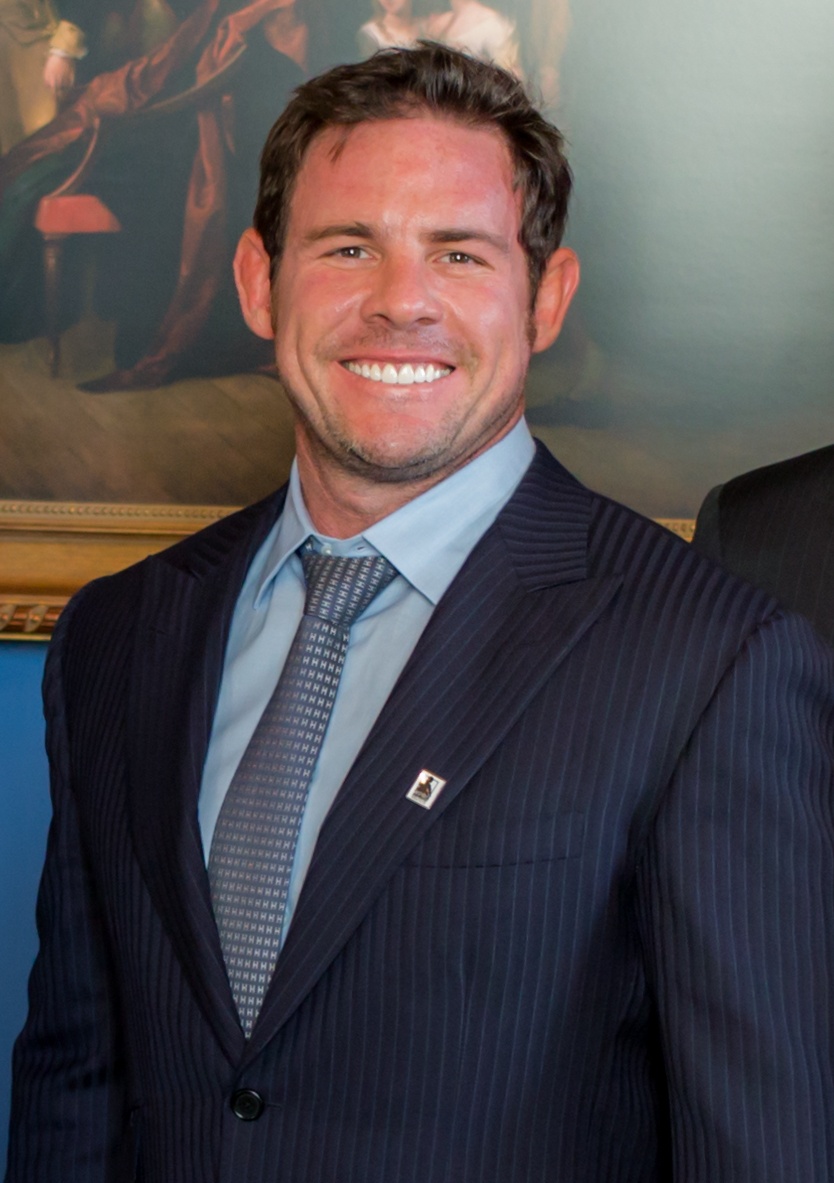
Luke Hillier and the art of the handoff
Before he helped build Mythics, Luke Hillier learned how government buys. His career has since carried him from Oracle software and military equipment to a more personal question: how do you put opportunity within someone else’s reach?
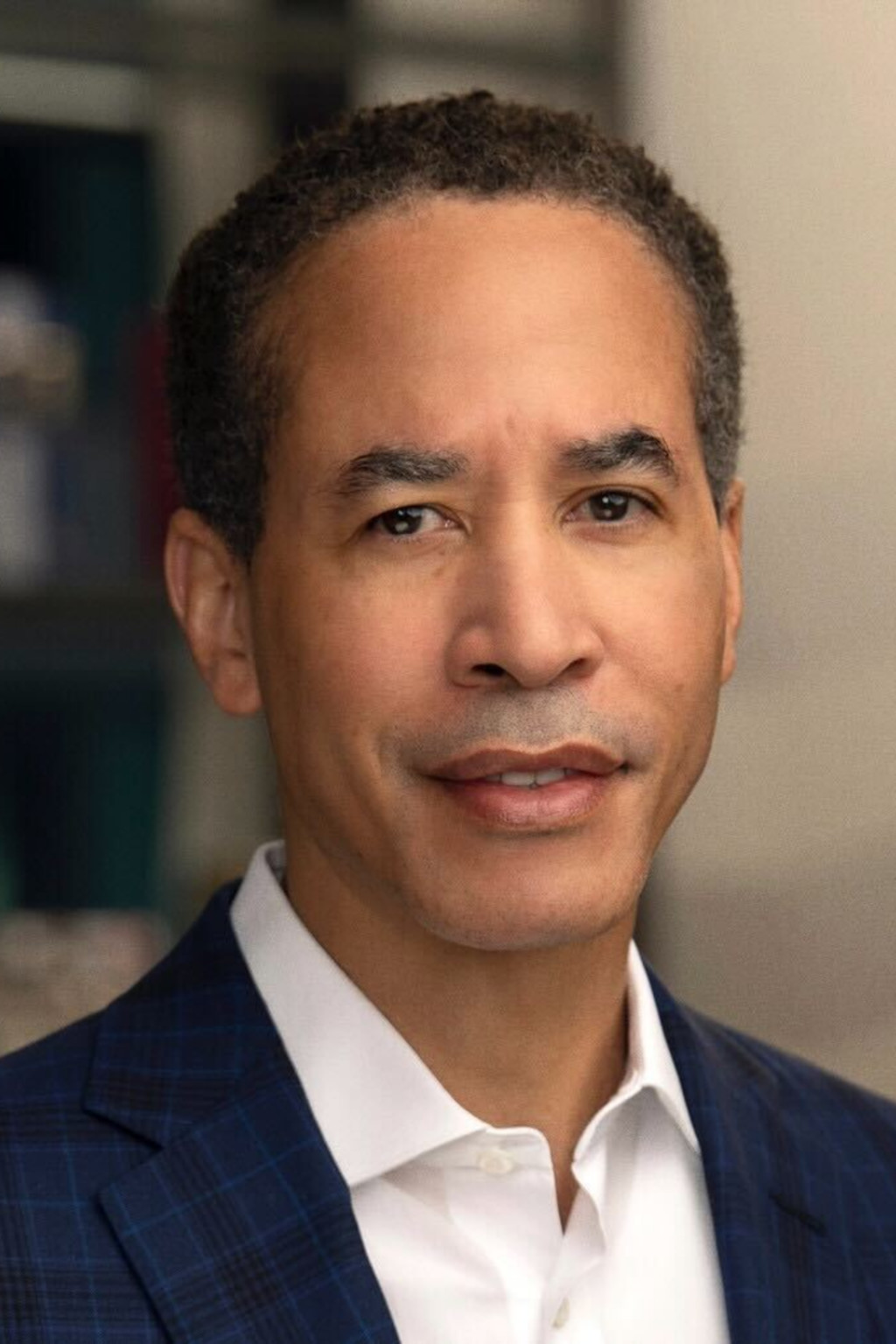
Charles Phillips and the case for beautiful business software
A former Marine and Wall Street analyst brought a design studio into Infor. His bet was simple: people who use software at work deserve the same care as people who use it at home.
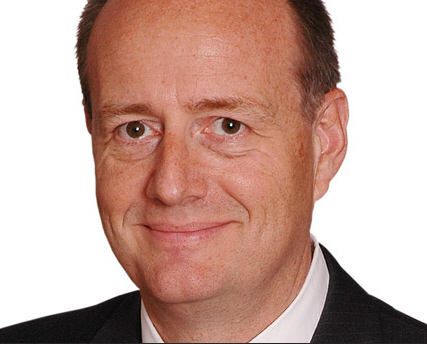
Tijl Vuyk and the Art of Making Work Disappear
He founded Redwood Software in 1993 and spent decades asking why people were still doing the same tasks twice. His answer became a business built around the work most of us would rather forget.

Kyle York and the business hidden inside the sporting-goods store
Before Kyle York helped grow Dyn to $100 million in annual recurring revenue, he learned business in his parents’ Manchester shop. At York IE, those lessons still shape how he backs founders, builds teams and thinks about who gets to keep the upside.

Bastin Gerald and the space between getting software and getting somewhere
He helped build software for large corporations, then founded Apptivo for smaller businesses. With Profit.co, Bastin Gerald returned to a familiar puzzle: how to turn a company’s intentions into work that actually moves.
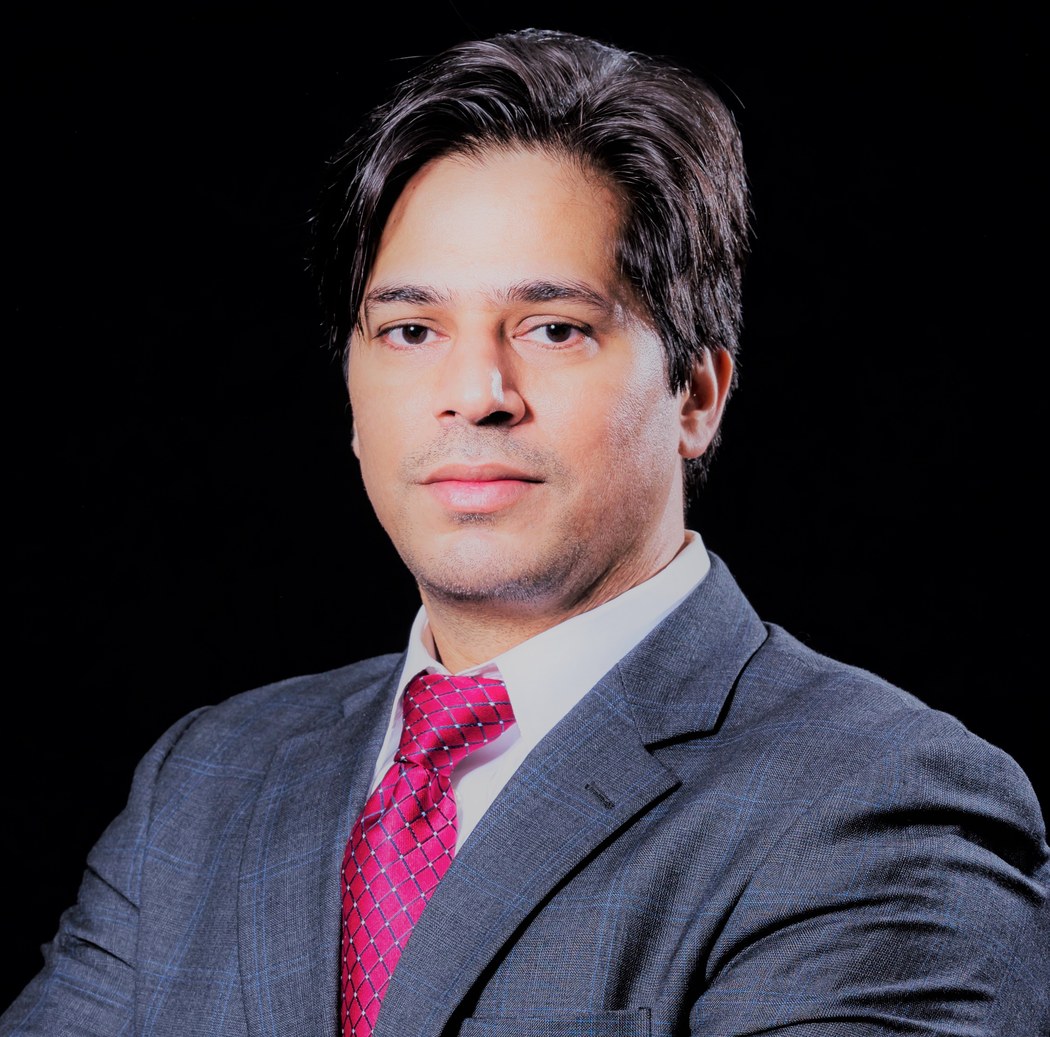
Hamid Farooqui and the Trouble with a Quiet Customer
The Sogolytics co-founder built his career helping people speak up. Now he is paying closer attention to the customers who say nothing at all.

Larry Ellison and the pleasure of a difficult opponent
A database company, a racing boat, a new cloud wager. Larry Ellison keeps finding contests expensive enough to matter - and opponents worth getting out of bed for.
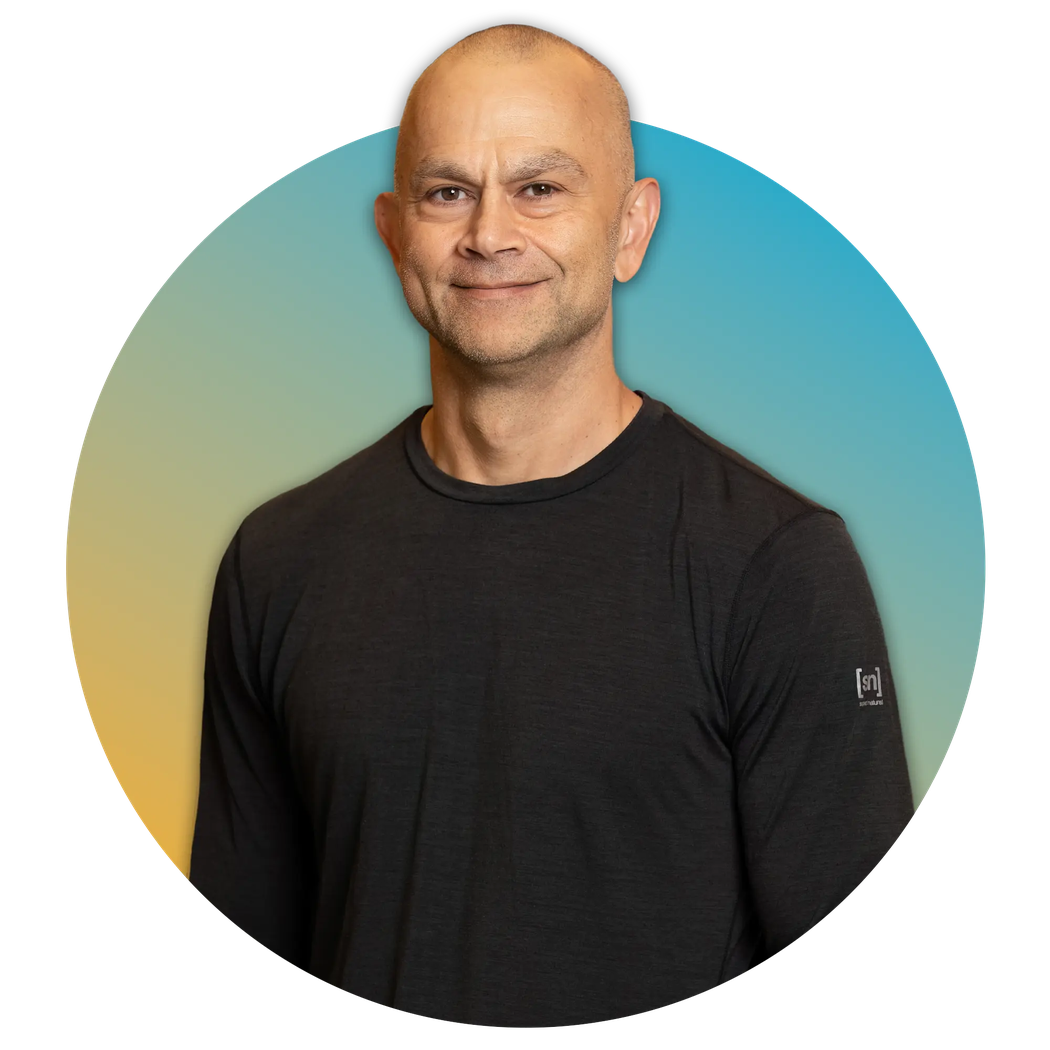
Axel Allgeier and the Second Draft of Enterprise Software
Three decades after helping enterprise software travel across incompatible machines, Axel Allgeier is still chasing the same stubborn idea: complexity belongs in the architecture, not in the user's day.
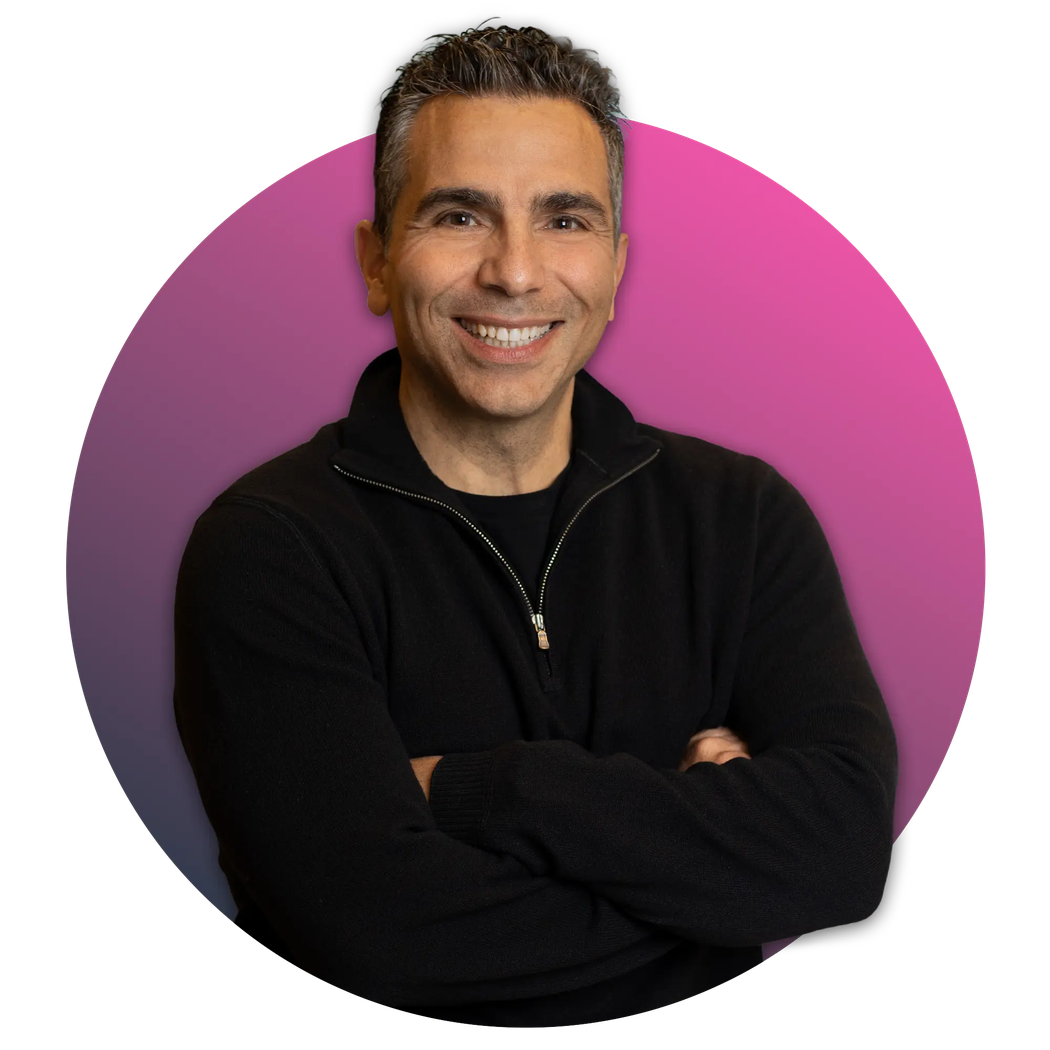
Vito Solimene Built a Career Around What Happens Next
He spent decades inside the machinery of enterprise software. Then he helped start Nextworld to change the one habit the industry never quite shook: making every useful customization a future liability.
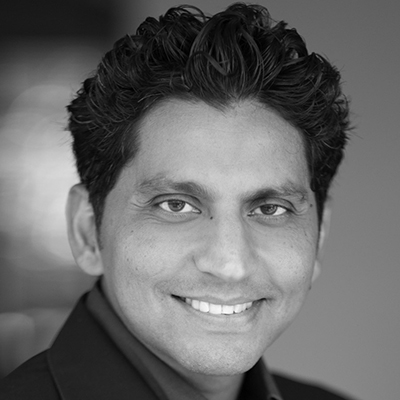
Alok Pareek Has Spent a Career Listening to Data Move
From five-o'clock support calls at Oracle to Striim's real-time pipelines, Pareek has followed one durable idea: useful information often begins with the change that just happened.

Chip Coyle Has Spent Nearly 40 Years Making Complicated Software Sound Human
From Oracle's acquisition years to a fresh assignment at AbsenceSoft, Coyle has built a career around a stubborn idea: enterprise technology still has to speak to people.
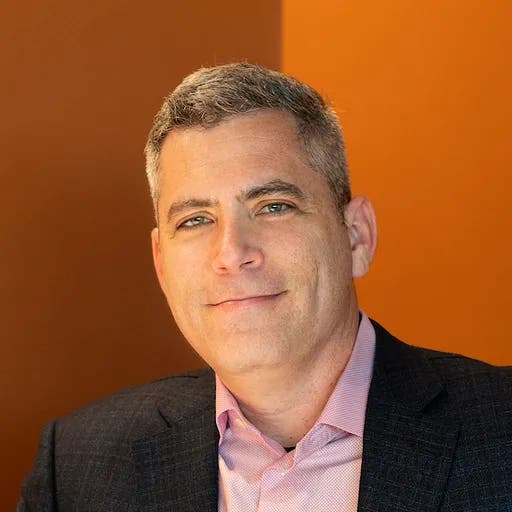
Ariel Kelman Has Spent 25 Years Making Complicated Technology Sound Human
From a startup that did not survive to the cloud platforms that reshaped enterprise computing, Ariel Kelman learned a durable lesson: sophisticated technology only travels when ordinary people can understand why it matters.
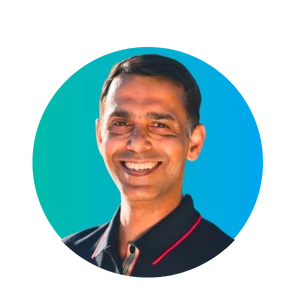
Satish Kumar Is Rebuilding Hiring Around Proof
From borrowed physics notes in rural India to a 2026 deal with Findem, the Glider AI co-founder has spent his career turning one stubborn belief into software: opportunity should follow demonstrated ability, not pedigree.

The Political Operative Who Learned to Sell Tax and Insurance
She swapped Capitol Hill for the corner office of marketing, and now she has to make accounting, tax and insurance sound like something worth reading. Here is how a campaign operative became the brand voice of a $2.8 billion firm.
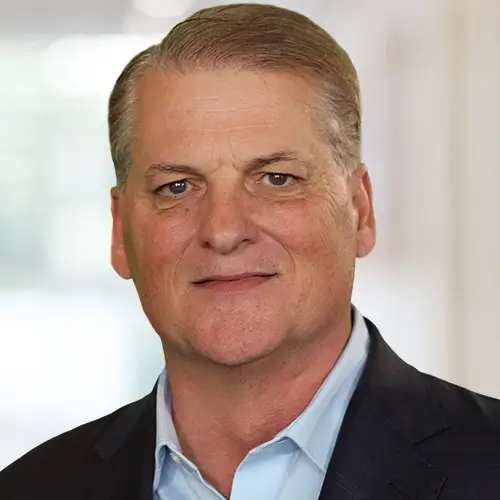
Jim Gargan Has Spent 35 Years Turning Invisible Infrastructure Into a Story
From IBM server rooms to Oracle's cloud portfolio and Riverbed's push for practical AI, Jim Gargan has built a career around making complex technology legible - and tying it to the work people actually feel.
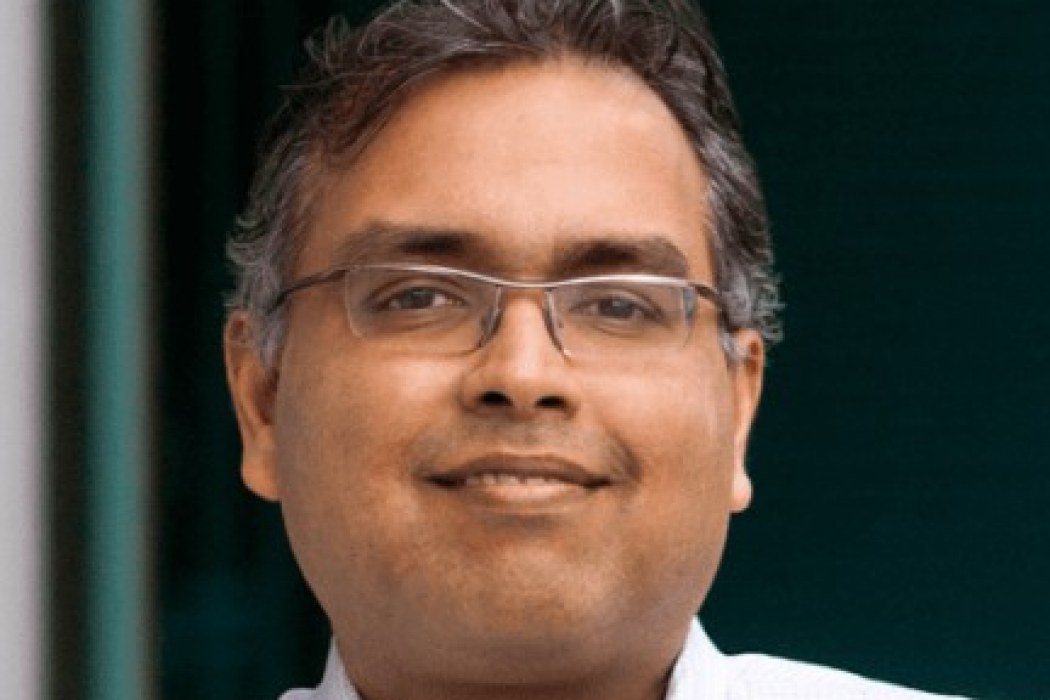
Rohit Gupta
Rohit Gupta is the co-founder and CEO of Auditoria.AI, a Santa Clara startup that builds AI agents for corporate finance teams. A serial entrepreneur with more than 25 years in enterprise software, he previously founded the cloud-security company Palerra (acquired by Oracle in 2016) and ran the Remedy IT Service Management division at BMC Software. He started Auditoria in 2019 to bring automation to the back office of finance, and in 2025 raised a $38M Series B to push the company into the agentic-AI era.
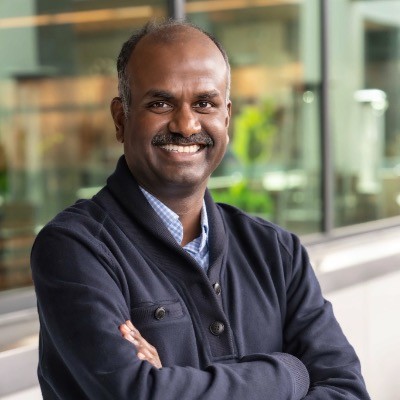
Shiva Nathan
Shiva Nathan is the founder and CEO of Onymos, a Palo Alto software company he started in 2017 to end the endless rebuilding of the same app plumbing. A former head of Intuit's Platform and Services organization who also held engineering leadership roles at Oracle and CA, he built Onymos around a 'Features-as-a-Service' model that lets companies drop in login, payments, notifications and other features without handing over their data. Onymos has since expanded into AI-driven document processing for healthcare and life sciences through its DocKnow platform, including a collaboration with Mayo Clinic.
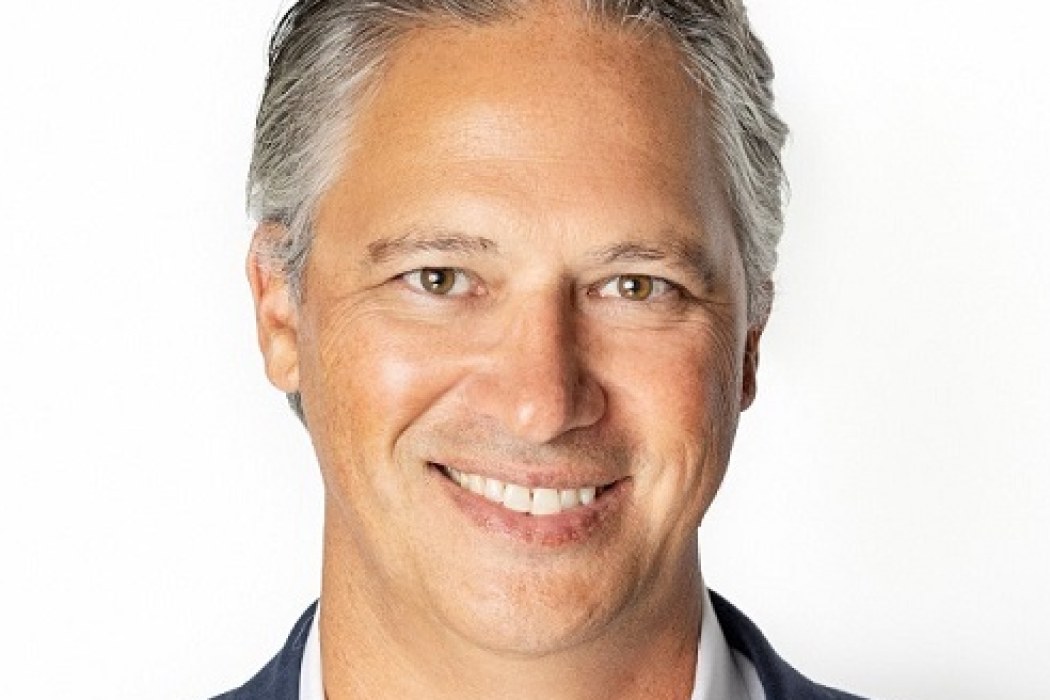
Tony Owens
Tony Alika Owens is the Chief Executive Officer of Amperity, the AI-powered lakehouse customer data platform, a role he took in November 2024. A veteran enterprise software operator with more than 20 years of experience, he spent a decade at Salesforce running field operations in the Americas as the company grew from $1.4 billion to well over $20 billion in revenue, held a group vice president role at Oracle, and served as president of worldwide field operations at LivePerson. He also sits on several boards and is known for a relentless focus on customer value.
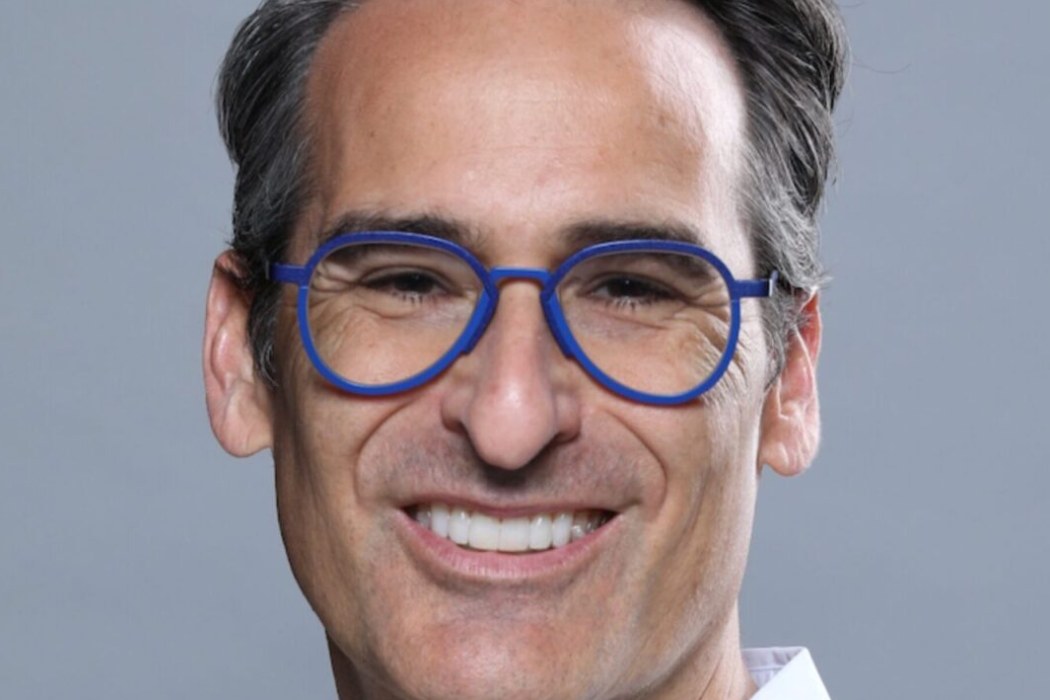
Kurt Kratchman
Kurt Kratchman is the New York-based CEO of Virti, an AI role-play and interactive video training platform used to teach communication, leadership and clinical skills. A technology operator with two decades in adtech, martech and media, he was COO of Grapeshot (acquired by Oracle, where he became a Group VP) and a founding partner at Makude Investment Partners. At Virti he leads the company's push to make experiential learning scalable through virtual humans, 360-degree video and generative AI.
Pankaj Goel
Pankaj Goel is the co-founder and CEO of Opkey, a no-code, AI-driven test automation platform used by more than 250 enterprises to keep cloud ERP systems - Oracle, Workday, SAP, Salesforce, Coupa - from breaking on every quarterly update. He founded Opkey in 2016 after spending a decade running Crestech Software Systems, and before that worked on the automation teams behind Adobe InDesign and Illustrator. In August 2024 Opkey raised a $47M Series B led by PeakSpan Capital.

Keigo Okumura
Keigo Okumura is Vice President of Marketing at ServiceNow Japan, bringing over two decades of marketing leadership across enterprise technology giants including Oracle, Adobe, Dell Technologies, and Citrix. Based in Japan, he oversees marketing strategy for ServiceNow's Japan region, helping drive the AI-powered workflow platform's expansion in one of the world's most demanding enterprise markets. His career arc - from systems engineer at Hitachi Solutions to VP at a $13B+ cloud company - reflects a rare blend of technical grounding and strategic marketing acumen.
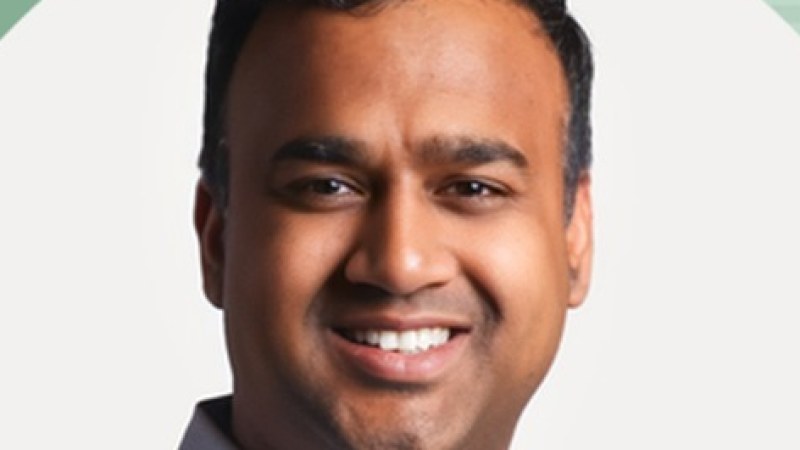
Aniq Rahman
Aniq Rahman is the founder and CEO of Fabric, a New York healthcare technology company building an AI-driven care enablement platform that helps health systems triage, navigate and treat patients faster. Before Fabric, he was president of ad-analytics firm Moat through its roughly $850 million sale to Oracle, was on the early team at Behance, and ran Instinctiv before its acquisition by SoundCloud. He launched Fabric in 2021 after watching his father move through the hospital system following a heart attack, and has since stitched together five acquisitions, raised tens of millions from General Catalyst, Thrive Capital, GV and Salesforce Ventures, and earned spots on Forbes 30 Under 30 and Modern Healthcare's 40 Under 40.

Eric Olden
Eric Olden is the co-founder, chairman, and CEO of Strata Identity, the Boulder-based company behind the Maverics identity orchestration platform. With more than 25 years in the identity field, he co-authored the SAML federation standard, built the first web single sign-on product and the first Identity-as-a-Service company, and led Oracle's global identity and security division before launching Strata. He has been called the father of modern identity management and holds 13 US patents.

Jim Bartoo
Jim Bartoo is the CEO and a board member of Visual Action Software, a Texas-based enterprise visualization company built on patented Flaremap treemap technology that helps organizations spot threats, monitor performance, and reduce risk. A Cornell-trained engineer with an MBA from the same school, he spent more than 25 years across Oracle, Business Objects, and EDS before leading The Hive Group and engineering its 2015 merger that formed today's Visual Action.
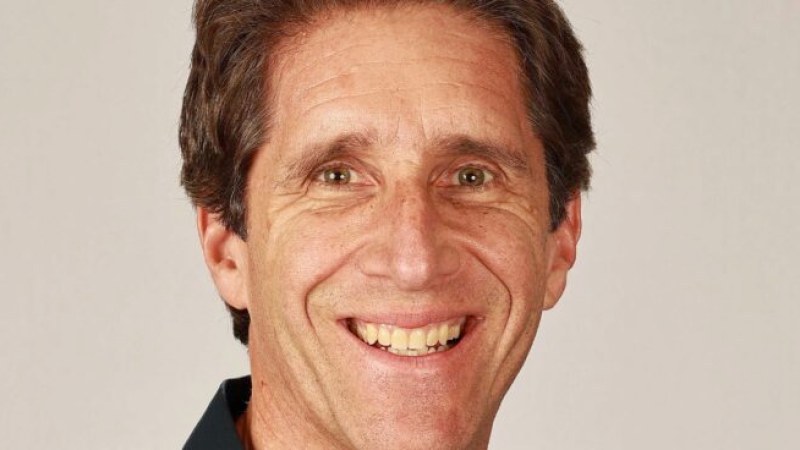
Ken McDonald
Ken McDonald is the CEO of Leonardo247, a Plano, Texas proptech company whose proactive operations and maintenance software runs across more than 2 million rental units. A Stanford MBA and Dartmouth math-and-economics grad, he has spent 25-plus years turning small online businesses into large ones - scaling LifePics from a few thousand users to 12 million, helping push TeamSnap past 15 million users as Chief Growth Officer, and running dozens of SaaS and payments products as Chief Product Officer at Togetherwork. He co-wrote 'How to Acquire Your First Million Customers' and now applies an operator-first view of AI to the unglamorous world of apartment maintenance.

Sameer Shalaby
Sameer Shalaby is the Founder, President and Co-CEO of VersiFi, a New York digital-asset trading and lending firm that brings a TradFi-inspired, regulated approach to institutional crypto. A serial software entrepreneur with 25-plus years in financial technology, he has built and exited multiple companies - Paladyne Systems (acquired by Broadridge in 2011), Cogency Systems, and the publicly listed TenFold Corporation - and ran HazelTree Fund Services as President and CEO before launching VersiFi in 2022.

Lydia Smyers
Lydia Smyers is Vice President of Customer and Partner Solutions for U.S. Telco, Media, and Gaming at Microsoft, leading a team of more than 400 professionals serving the top 200 enterprises in those sectors. Based in Massachusetts, she has spent over a decade at Microsoft in roles spanning U.S. Education, Americas Northeast, and now the converging industries of telco, media, and gaming. Before Microsoft she held senior executive roles at Oracle, Red Hat, and Ernst & Young, building a career defined by large-scale partnerships, channel strategy, and technology-driven transformation. She was named to CRN's Top 100 Women of the Channel five consecutive years and spoke at MWC Barcelona 2026 on AI and its societal implications.

Peter Russo
Peter Russo is VP of Core Business Workflows, Product & Solution Marketing at ServiceNow, where he leads go-to-market strategy for the platform's finance, supply chain, and creator workflow product lines. A seasoned technology marketing executive with roots in SAP and Oracle, he has spent his career helping enterprise software companies articulate the value of complex platforms to buyers who care about outcomes, not features. Based in Austin, TX, he is known in the industry for championing the 'beyond ERP' narrative and for helping ServiceNow stake its claim in the mid-market with the 2025 Core Business Suite launch.

Dipti Agrawal
Dipti Agrawal is the Co-founder and CEO of Tudip Technologies, a Pune-headquartered global IT services company she built from a team of four in 2010 to a 600-person enterprise serving clients like Google, Adobe, and Databricks across 8+ countries. A Chemical Engineering graduate from NIT Durgapur with an MBA from IBS Hyderabad, she pivoted from Oracle ERP consulting at Infosys and Hitachi Consulting to co-found Tudip on April 5, 2010 with Tushar Apshankar. Under her leadership, Tudip has achieved CMMI Level 5 certification, earned Databricks Silver Partner status, and expanded into AI/ML, cloud transformation, cybersecurity, and digital innovation—while championing gender diversity with 15 women in top management.

Albert Wang
Albert Wang is the co-founder and CEO of PatPat, a direct-to-consumer children's and family apparel brand he built from a mobile app in 2014 into a global platform serving 21 million customers across 140 countries. A Carnegie Mellon-trained engineer and former Oracle founding member, Wang spotted the gap in affordable, stylish kids' clothing when he and his co-founder Ken Gao both became fathers the same year. PatPat has raised over $465 million in funding, including a $160 million Series D2 from SoftBank Vision Fund 2 in 2021, and has pioneered innovations like Go-Glow light-up apparel technology.