online-community
(22)
Product Marketing Alliance Tried to Sell T-Shirts. The Community Bought a Profession.
A failed merch table exposed the better business hiding in plain sight: build the room product marketers needed, then sell the education, events and tools that make the room more valuable.

Everyone Is Quietly Building A Members-Only Internet
The creators and brands who spent a decade renting attention on other people's feeds are now buying software to build private homes instead. Skool, Patreon, Podia and a stack of quieter forum companies are all fighting to be the front door.

Why every course app suddenly wants to be a community
Disciple, Podia, Thinkific, LearnWorlds, Kajabi and Open Social are all chasing the same tired-of-renting creator. Here is how the fight over who owns your audience actually breaks down.

Your Best Customers Live On Land You Don't Own
Six software companies - LearnWorlds, Open Social, Social Strata, Bevy, Forumbee and Bettermode - are selling the same quiet promise: stop renting your audience from Facebook and Discord, and build a community you actually keep.

Your Community Platform Is Either A Home Or A Listening Post
Open Social and CMNTY are both Dutch, both say they build community, and both are right - one hands you a network you own, the other turns a crowd's opinions into research data. Here is why the same word points at two very different businesses.

Everyone wants a community. Almost nobody owns theirs
Six platforms - from open-source Discourse to enterprise Khoros and Salesforce - are quietly fighting over the same thing: the conversations your customers have about you. Building that crowd turns out to be the easy part. Owning it is where it gets expensive.
Social Strata (Crowdstack)
For more than two decades, a husband-and-wife team in Charleston has quietly powered online communities for brands that outgrew Facebook Groups - and never took a dime of venture money.
Zapnito
A personalized community & knowledge hub for every customer.
XenForo
The forum software built by the people who walked out of vBulletin - and why, in an age of algorithmic feeds, businesses still pay for a place to talk.
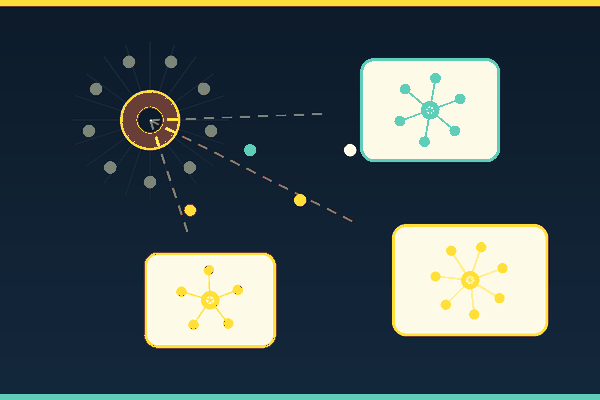
The Land Grab for Communities the Algorithm Can't Touch
Zapnito, Almabase, Disciple, XenForo, Gainsight and CMNTY are quietly selling brands a way to own their audience instead of renting it from a feed. Here is how one market splits into six very different bets.
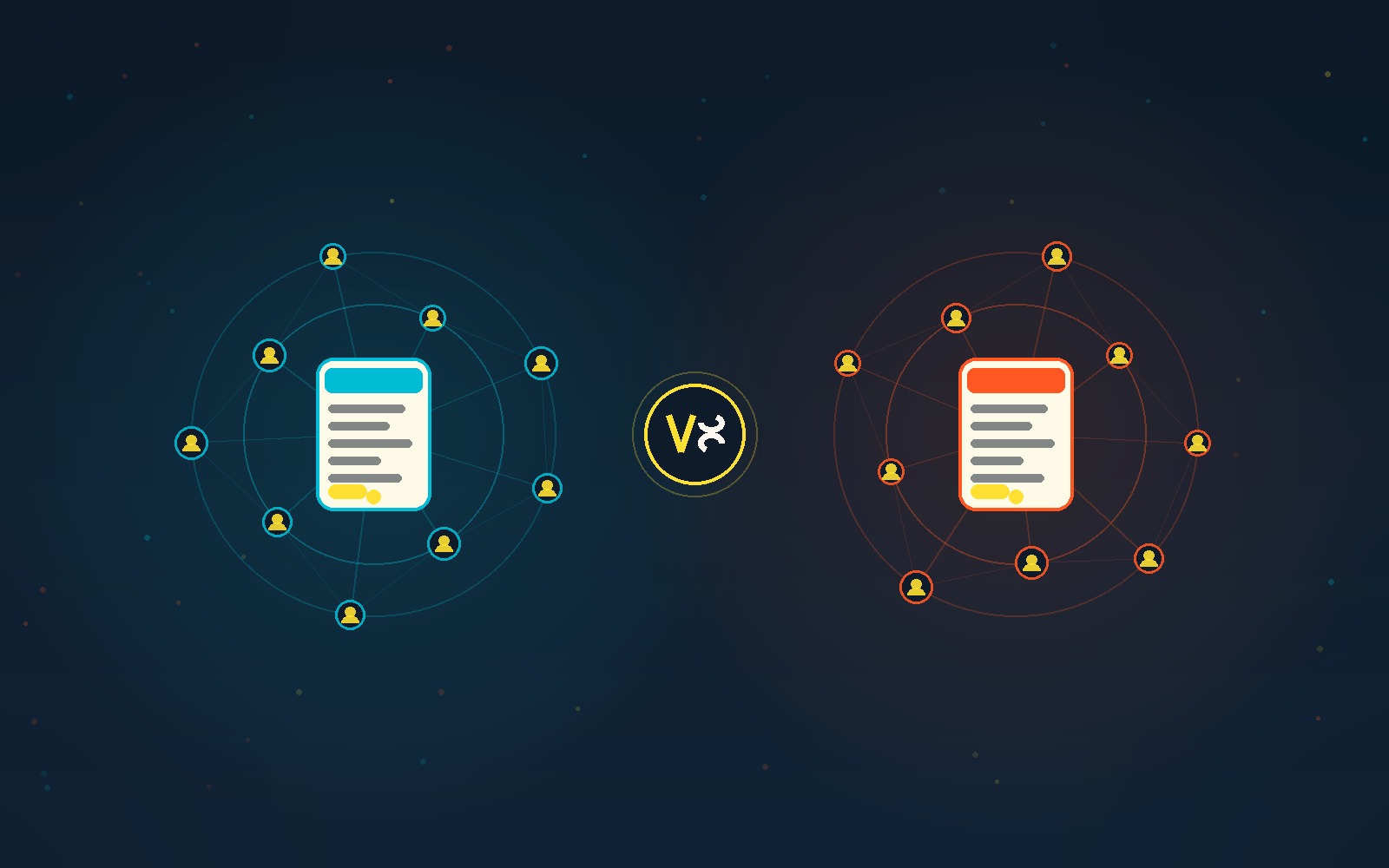
NodeBB Bet on the Open Web While Its Rivals Got Bought
While AnswerHub was swallowed by a holding company and the alumni-community market consolidated, this Toronto-built open-source forum wired itself straight into the fediverse. NodeBB's wager is that the open web outlasts the walled garden.
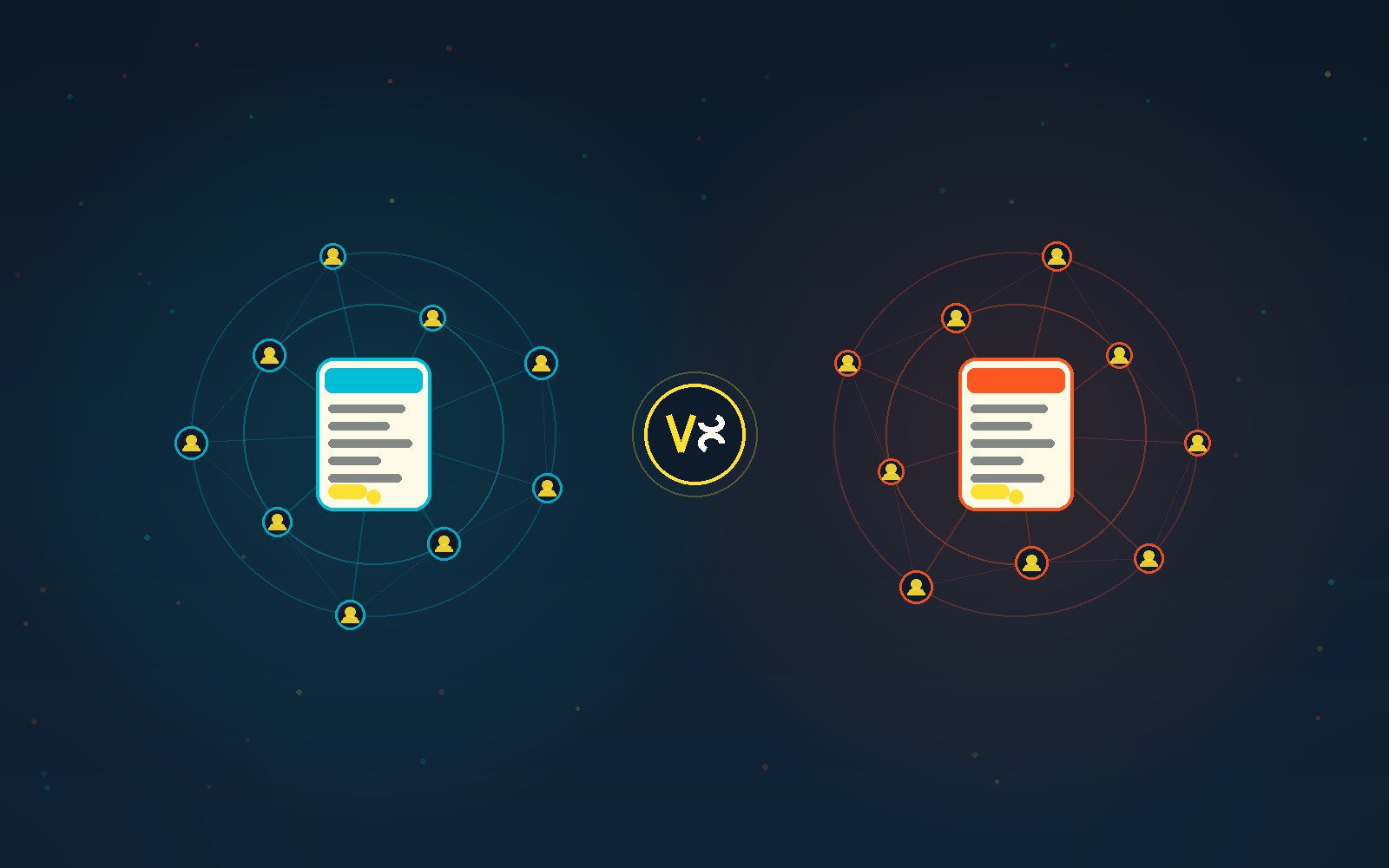
Bettermode vs Disciple, and Who Really Owns Your Community
Two white-label platforms promise creators and brands a home away from Facebook. One bets on branded mobile apps, the other on customizable web hubs - here is how Bettermode and Disciple actually differ.

CMNTY Built Online Communities to Listen, Not to Sell
Long before Discourse threads and Patreon tiers, a Dutch company was turning online communities into listening posts for brands. CMNTY has spent nearly two decades using customer conversations as research nobody else could run.

Forumbee Turns Repeat Support Tickets Into a Public Answer
The San Francisco community software company has spent more than a decade on a quiet bet: the best help desk is a crowd of customers answering each other in the open.

vBulletin
The World's Leading Community Software - vBulletin has been powering online forums for more than two decades, and it is still shipping.

Invision Community
For more than twenty years, a small team has quietly built one of the web's most enduring community platforms - the software behind forums you have almost certainly posted in without knowing its name.
Hivebrite
The community platform built for impact - combining a flexible engagement engine, AI agents, and expert support to help organizations turn scattered members into active networks.

Higher Logic
Engagement is changing. Make every connection count.

Forumbee
Build a thriving online community and knowledge base to engage users, deflect tickets, and accelerate product adoption.

Jobcase, Inc.
Jobcase is a Cambridge-based social platform built for the workers most job sites overlook - hourly, frontline and blue-collar Americans. With more than 110 million registered members and roughly 20 million monthly actives, it pairs a community forum and resume tools with machine-learning job matching, earning rankings among the largest U.S. online career destinations. Founded by Fred Goff and Tony Deigh out of the wreckage of an AI hedge fund, Jobcase makes money from employer advertising and recruiting partnerships while keeping the core product free for job seekers.

Twitch
Twitch is the world's largest live-streaming platform, where creators broadcast video games, IRL content, music, and talk shows to a real-time audience that talks back in chat. Founded as a gaming-focused spin-off of Justin.tv in 2011 and acquired by Amazon in 2014, Twitch turned watching someone play a game into a social, participatory medium, building a creator economy powered by subscriptions, Bits, ads, and a culture of emotes and live community.
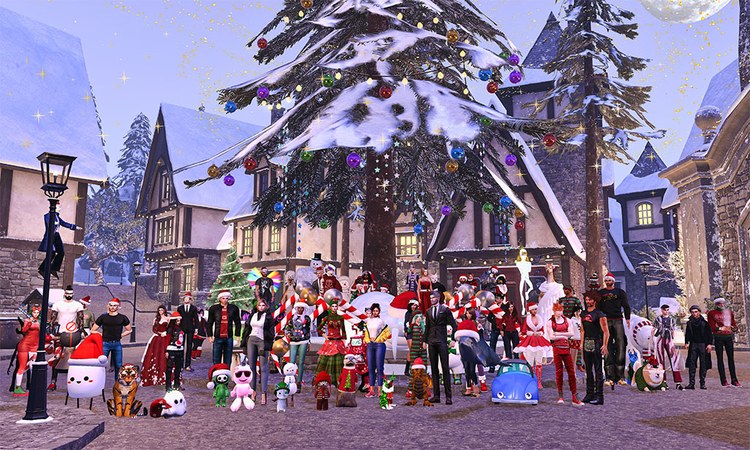
Linden Lab
Linden Lab is the San Francisco company behind Second Life, the user-built virtual world it launched in 2003. More than two decades on, the platform still runs a multimillion-dollar creator economy where residents design avatars, sell virtual goods, host live events and trade in Linden Dollars - a quiet, persistent metaverse that predates the word itself.