NodeBB Bet on the Open Web While Its Rivals Got Bought
While AnswerHub was swallowed by a holding company and the alumni-community market consolidated, this Toronto-built open-source forum wired itself straight into the fediverse. NodeBB's wager is that the open web outlasts the walled garden.
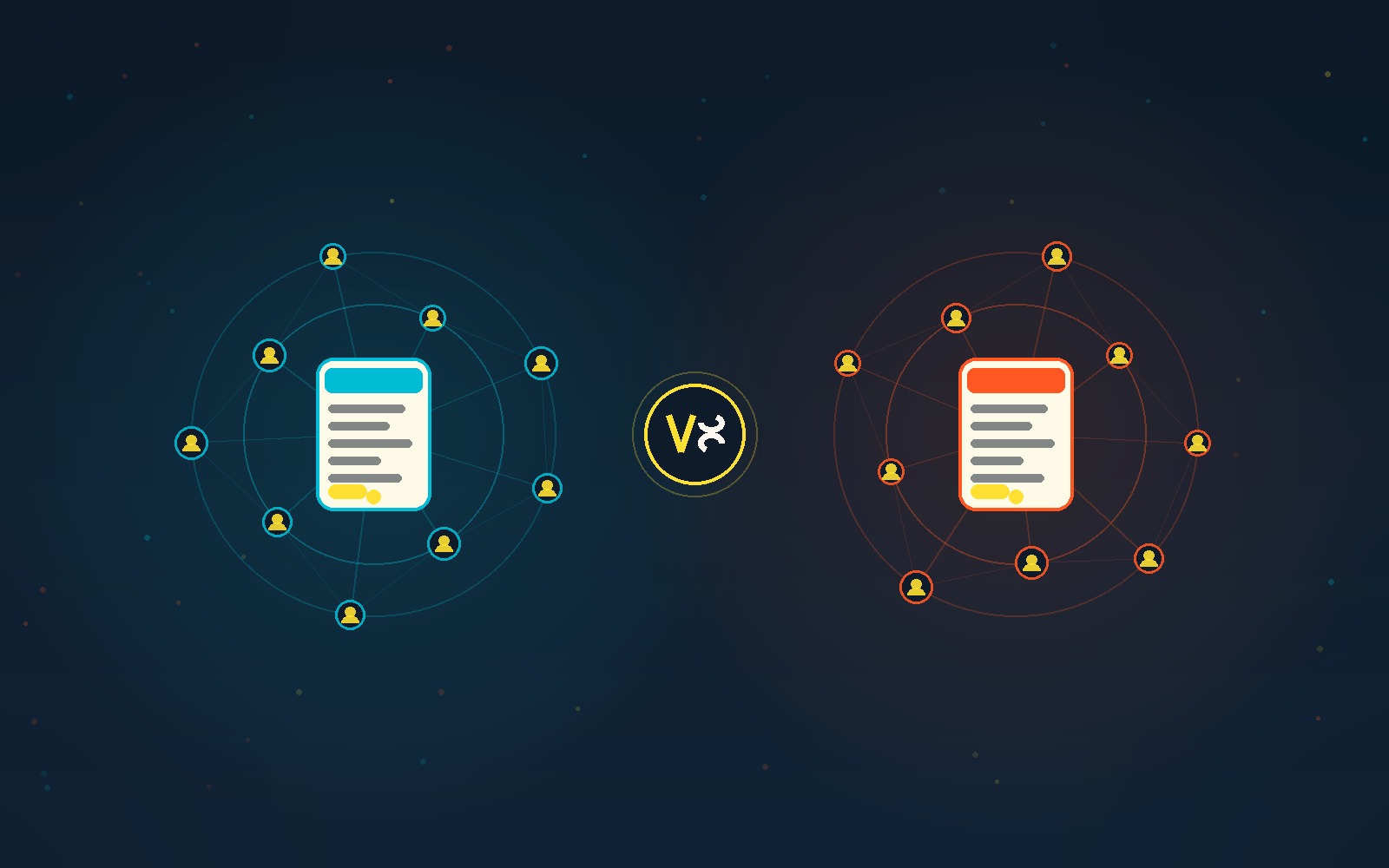
Most software companies dream about a moat. NodeBB spent 2024 tearing one down. In its fourth major version, the open-source forum platform wired the ActivityPub protocol into its core, so any forum it runs can now talk to the wider open social web - Mastodon, and everything else in the fediverse. It is the opposite of the move most of its competitors made.
The forum-software market has quietly been getting smaller in the way that markets do: through acquisition. In late 2022, the Austin holding company IgniteTech absorbed AnswerHub, a knowledge-management and Q&A platform. In the alumni-community corner, Gravyty and ToucanTech have spent years racing to consolidate schools and universities onto branded, proprietary platforms. And Patreon, the biggest name in creator communities, is a walled garden by design - your members live inside it, on its terms.
NodeBB, built in Toronto and shipped in 2014, watched all of that and went the other way.
A forum from before forums were uncool
NodeBB started the way a lot of durable software does - three developers who had already worked together and wanted to build something under one banner. Julian Lam and his two co-founders met in 2011 at a social gaming company, where Lam's credits included a Facebook game tied to the Lionsgate film "Dirty Dancing." In 2014 they launched NodeBB: forum software written entirely in Node.js, which was itself an unusual choice in a category that had run on PHP for two decades.
The pitch was almost nostalgic. Forums predate blogs. They predate social networks. Millions of them are still active, quietly, powering product-support boards and fan communities and hobbyist corners of the internet that never migrated to a feed. NodeBB's idea was to take that format and give it a modern engine - real-time updates, a plugin system, a clean API - without turning it into yet another social app.
It worked well enough to win the 2015 CMS Critic People's Choice Award for Best Forum Software, and well enough that companies you have heard of run their communities on it. Opera. Moz. Vivaldi. f.lux. MLB: The Show. When your software powers other people's brands, being open stops being a slogan and starts being a contract.
The pivot nobody had to make
Around mid-2023, Lam started chewing on a problem: NodeBB forums were islands. Each one was its own community, with no easy way to connect to the next. His first instinct was the obvious one - build a central service that would link NodeBB installs together. Centralized, controlled, tidy.
Then he found Mastodon, and behind it, ActivityPub. The realization reshaped the whole project. Instead of building a private network that only connected NodeBB to NodeBB, he could adopt the open standard that already connected thousands of independent servers into one federated social web. The forum would not just talk to other forums - it could talk to the entire fediverse.
This is the part product teams should study, because it is a decision most companies get wrong. A centralized hub is the easier business. It creates lock-in, a directory you own, a choke point you can monetize. Federation gives that up on purpose. Lam chose the standard that made his own product more replaceable, because it made the communities on it more free.
That quote matters more than it looks. The comparison point is Discourse, NodeBB's closest open-source rival, which offers federation as an add-on plugin. NodeBB built it into the core - a harder engineering path, because the software had to be rethought to accept content that originates somewhere else entirely. In version 4, new forums federate automatically; existing customers can opt in.
Two theories of community, drawn out
The clearest way to see the bet is to line up the two philosophies side by side. One says your community is an asset you own and protect. The other says your community is a set of people who should be able to leave, follow, and connect wherever they want - and that the software's job is to get out of the way.
Two roads for community software
- Members live inside one proprietary platform
- Growth through lock-in and acquisition
- AnswerHub → folded into a holding company
- Patreon → audience rented, not owned
- Leaving means starting over
- Members connect across many servers
- Growth through interoperability
- NodeBB → open source, self-hostable
- ActivityPub → federated by default
- Portable identity and content
Neither road is automatically right. Walled gardens are easier to fund and often easier to use. But the open road ages differently. When AnswerHub was absorbed into IgniteTech, its story as an independent product effectively ended. When NodeBB joined the fediverse, its story got more interesting. Openness, it turns out, compounds.
How a NodeBB forum joins the fediverse
Funded like a public good
The other unusual thing about this project is how it was paid for. The federation work was supported by the NLNet Foundation, a European organization that funds open internet infrastructure - not a venture round chasing a return. That funding model fits the decision. You do not raise growth capital to make your product more interoperable; you do it because you think the open web is worth building.
Lam himself is a fitting steward for a project like this - a full-stack engineer who has spent more than a decade on the same codebase, and who, in a detail that says something about temperament, moonlights as a musical director and assistant conductor. Both jobs are about keeping a lot of independent parts in time without controlling every note.
The timeline
What you can actually do with it
For anyone who runs a community, the practical takeaway is simple. You can self-host NodeBB or run it managed. You can build a product-support board, a fan forum, or an internal knowledge hub, and keep full control of the data and the code. And now, with v4, that community does not have to be an island - members can follow and interact across the fediverse, and your forum's content can reach people who never signed up for an account on it. That is reach without a landlord.
The broader lesson is one worth stealing regardless of what you build: the strongest position is not always the one with the highest wall. Sometimes it is the one with the most doors. NodeBB is testing that theory in public, one federated forum at a time, and the early answer is that the open web is a strange and durable place to plant a flag.
Explore & connect
nodebb.org Community forum GitHub X / Twitter LinkedIn TechCrunch: NodeBB joins the fediverseQuestions people ask
What is NodeBB?
NodeBB is an open-source forum and community platform built on Node.js. It powers brand communities and product-support boards, and can be self-hosted or run as a managed service.
What does it mean that NodeBB joined the fediverse?
In version 4, NodeBB added native support for the ActivityPub protocol. That lets a NodeBB forum federate with other services on the open social web, such as Mastodon, so members can follow and interact across platforms.
Who founded NodeBB?
NodeBB was founded in 2014 by Julian Lam and two co-founders who had met at a social gaming company in 2011. The company is based in Toronto, Canada.
Who uses NodeBB?
Notable users include Opera, Moz, Vivaldi, f.lux and MLB: The Show, alongside many independent brand and product communities.
How is NodeBB different from AnswerHub or Patreon?
Where AnswerHub was acquired into a holding company and platforms like Patreon keep communities inside a proprietary walled garden, NodeBB is open-source, self-hostable and now federated - designed so communities stay portable and interoperable.