nonprofit-leadership
(19)
Carol Andersen Built a Bridge Where the System Left a Gap
A foster parent saw the distance between a temporary refuge and a durable new life. She has spent the years since turning that distance into homes, work and time.
Lisa Ryerson Is Teaching a University to Listen
A first-generation college student became a middle-school teacher, then learned to lead at two very different scales. At SNHU, Lisa Marsh Ryerson is betting that a university with more than 200,000 learners can still hear one voice at a time.
Debbie Weir and the Quiet Architecture of a Movement
Across three decades of nonprofit work, Debbie Weir has practiced a deceptively difficult craft: listening to individual voices, then building the machinery that lets them move institutions.
Greg Garrett and the Long Arithmetic of Belonging
After nearly two decades helping one waterfront community grow, Greg Garrett moved south to lead another. His career is a study in the unglamorous details that make a place feel alive: listening, measuring, adapting and giving people reasons to keep going.
Christina Burke Found a Business Model in the Dollar Bin
The Missouri technology executive discovered that donated coats, crowded tables and one-dollar price tags could do more than clear a room. They could help a town finance the causes it cared about.
Beth Silverman and the Business of Turning No Into a Lease
She spent a career learning how cities, developers and nonprofits talk past one another. Then she built a housing model around the useful part of no.
Kevin Allan Learned Fundraising From Both Sides of the Desk
He has advised fundraisers, run their departments and returned to the consultancy where he started. The result is a career built on knowing that a campaign should leave an institution stronger than it found it.
Jacob Slayton Turns Secondhand Goods Into First Chances
The Bakersfield native went from commercial banking to the hidden logistics of Goodwill. Now he is opening stores, building steadier jobs and making a practical case for giving both people and products more time.
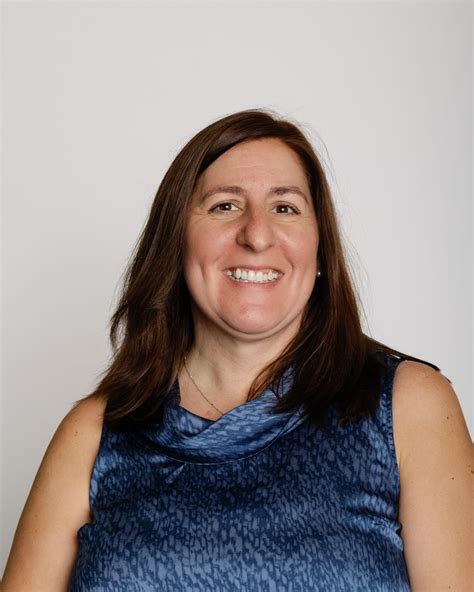
Kristina Lugo Is Making the Case for a More Human Kind of Scale
She doubled a program by listening closely, rose from the service floor to the CEO’s office, and now wants technology to return time to people. Kristina Lugo’s career is a study in scaling care without sanding away its humanity.
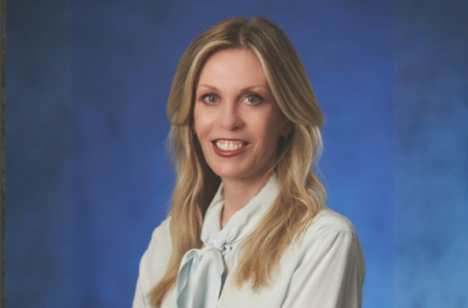
Jennifer Bromley Made the Career Pivot Marketers Talk About - From Selling Services to Selling a Fairer Idea
After two decades building brands, Jennifer Bromley moved from the customer economy to the inclusion economy. Her playbook is refreshingly practical: listen early, make the mission legible, and treat advocacy as an operating discipline.
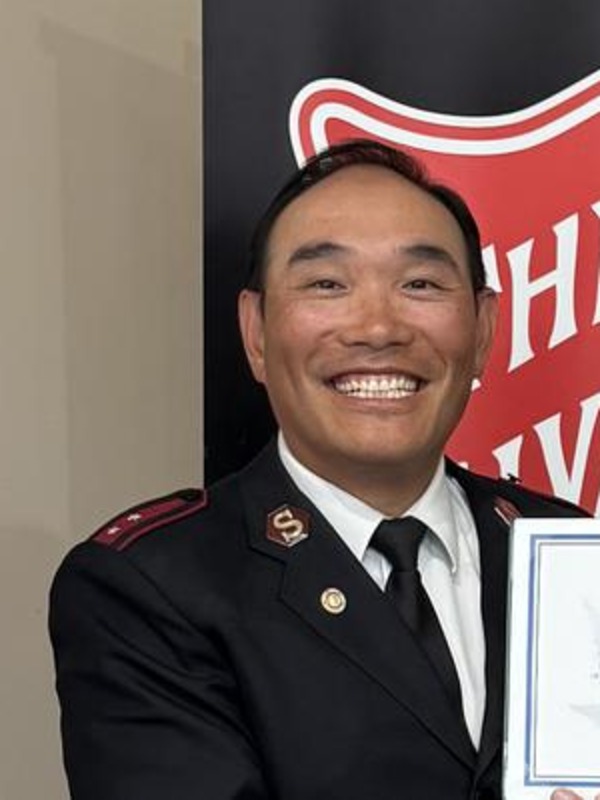
Peter Kim and the Quiet Arithmetic of Dignity
The Grande Prairie Salvation Army executive has spent a decade turning a personal second chance into practical systems of choice, listening and shared credit.

Dharti Chatterjee Is Building the Trust Layer for Global Founders
After two decades across India, the Middle East and Canada, the TBDC marketing chief has turned a hard-earned lesson into an operating system: a company’s reputation does not cross borders automatically.

Aaron Bilyea Is Marketing What Cannot Be Replaced
After years building consumer brands, Aaron Bilyea moved his marketing career into conservation. His work now asks a harder question: how do you make distant landscapes feel close enough for people to protect?
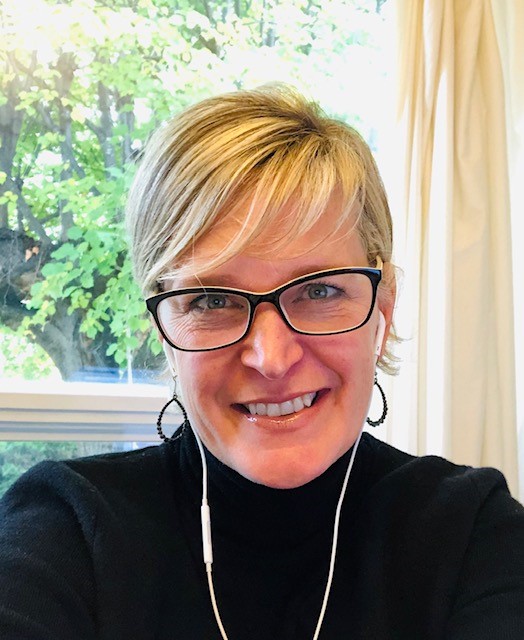
Natalie Rumscheidt Knows a Familiar Product Can Still Surprise You
From Olympic operations to orchestra halls and the Canadian egg aisle, Natalie Rumscheidt has built a career around a deceptively hard assignment: making familiar things feel worth noticing again.
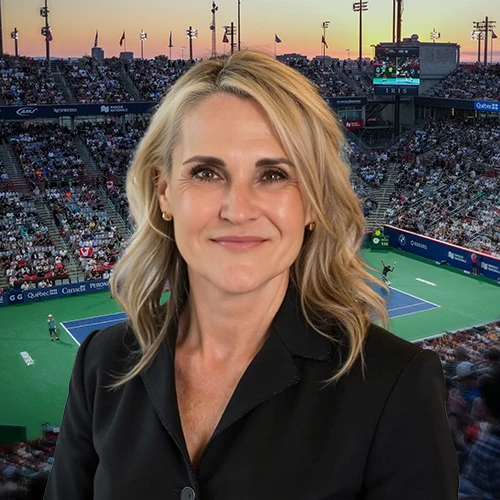
Nathalie Tremblay Is Turning a Tennis Tournament Into a Playground
After a mid-career reset, the digital operator found her professional home at Tennis Canada. Her assignment now stretches from ticketing systems to the feeling fans carry home.
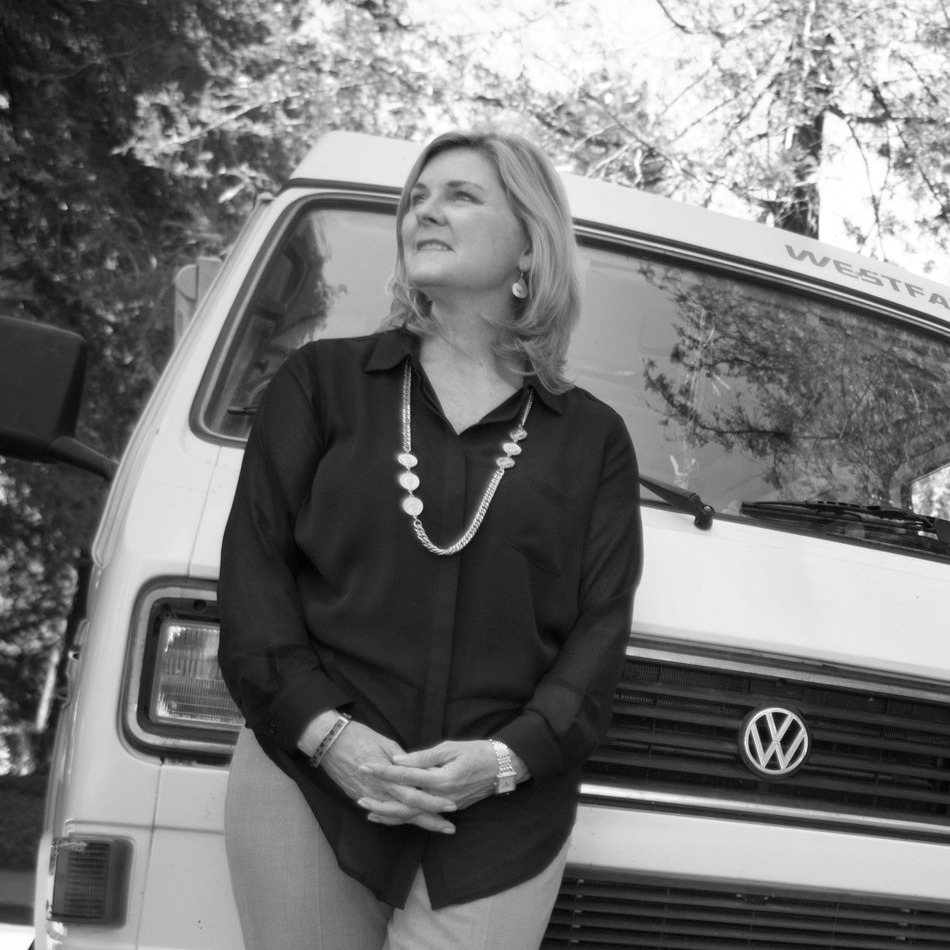
Ann Fyfe Built the Room Where Medtech Ideas Met Reality
Before accelerators became a Silicon Valley reflex, Ann Fyfe helped put one inside a community hospital - then built the partnerships that let fragile medical-device ideas meet clinicians, regulators and reality.
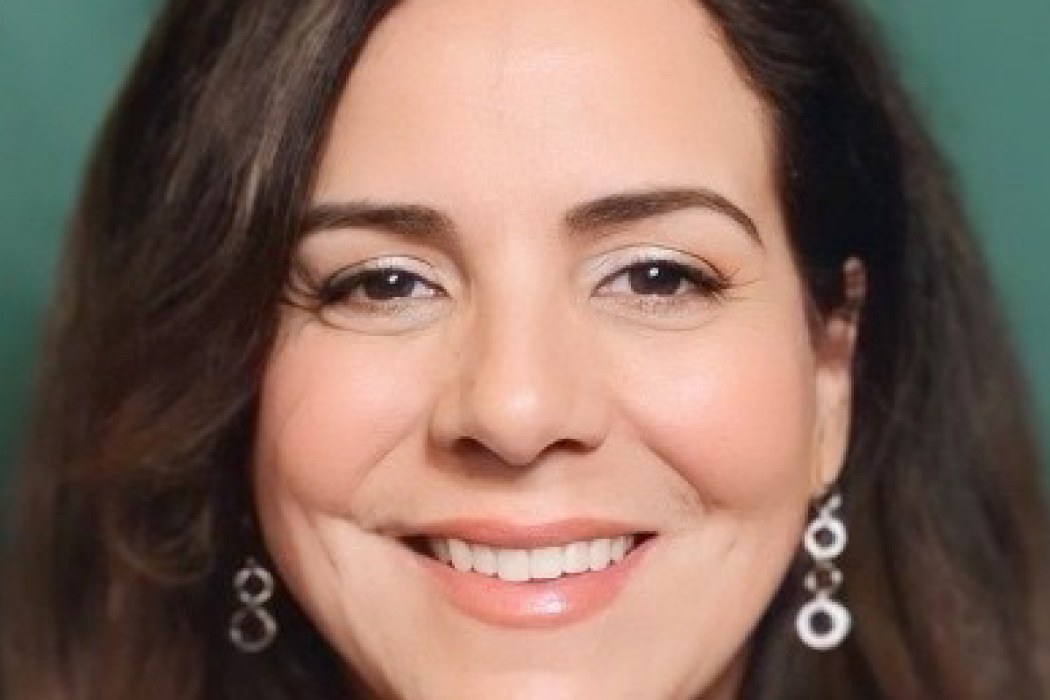
Karen Lithgow
Karen Lithgow is the Chief Marketing Officer of Goodwill Industries of South Florida, the Miami-based nonprofit that employs roughly 3,600 people and reports annual revenue near $196 million. She arrived at Goodwill after a corporate and consulting career that included brand and marketing roles connected to P&G, Disney, ADT and Western Union, followed by partner-level brand strategy and interim CMO work at the consultancy Chameleon Collective. At Goodwill South Florida she oversees marketing for an unusually wide portfolio: a chain of donation centers and thrift stores, an e-commerce operation, and Blue Box Solutions, the organization's B2B manufacturing and logistics arm that produces tens of millions of dollars of military apparel each year. Her public message centers on a single idea she has stated plainly - focusing on abilities rather than disabilities.
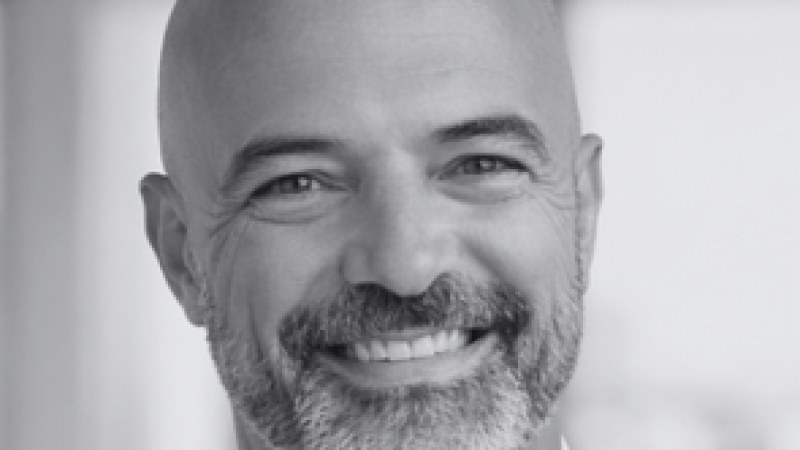
Ryan Berg
Ryan Berg is the co-founder and CEO of The Aruna Project, a Cincinnati-based athleisure bag and accessories brand stitched entirely by survivors of sex trafficking. With his wife April, he built a hybrid model that fuses a for-profit fashion label with nonprofit holistic care - transitional housing, counseling, healthcare and a living wage - to create what he calls lifelong freedom. The work started after a single TV news brief about children rescued from a brothel sent him hunting for that brothel on a business trip to India, where he found a two-mile stretch holding an estimated 15,000 enslaved women. The Aruna Project says it has helped free and employ more than 160 women across India and the Tri-State and contributed to an 86% drop in trafficking in that part of India.
David Werdegar
Dr. David Werdegar, MD, MPH is the former President and CEO of Institute on Aging (IOA), San Francisco's leading nonprofit dedicated to helping older adults and adults with disabilities live with dignity and independence. A physician trained at New York Medical College and UCSF, Werdegar transformed IOA from a community program into a comprehensive elder-care organization serving thousands annually across the San Francisco Bay Area. Under his watch, IOA opened a landmark 50,000-square-foot campus on Geary Boulevard in 2011, consolidating programs spanning home care, dementia day enrichment, and the 24/7 Friendship Line warmline. He retired in 2022 after steering the organization to nearly $100 million in annual revenue with a staff of around 900.