new-york-times
(19)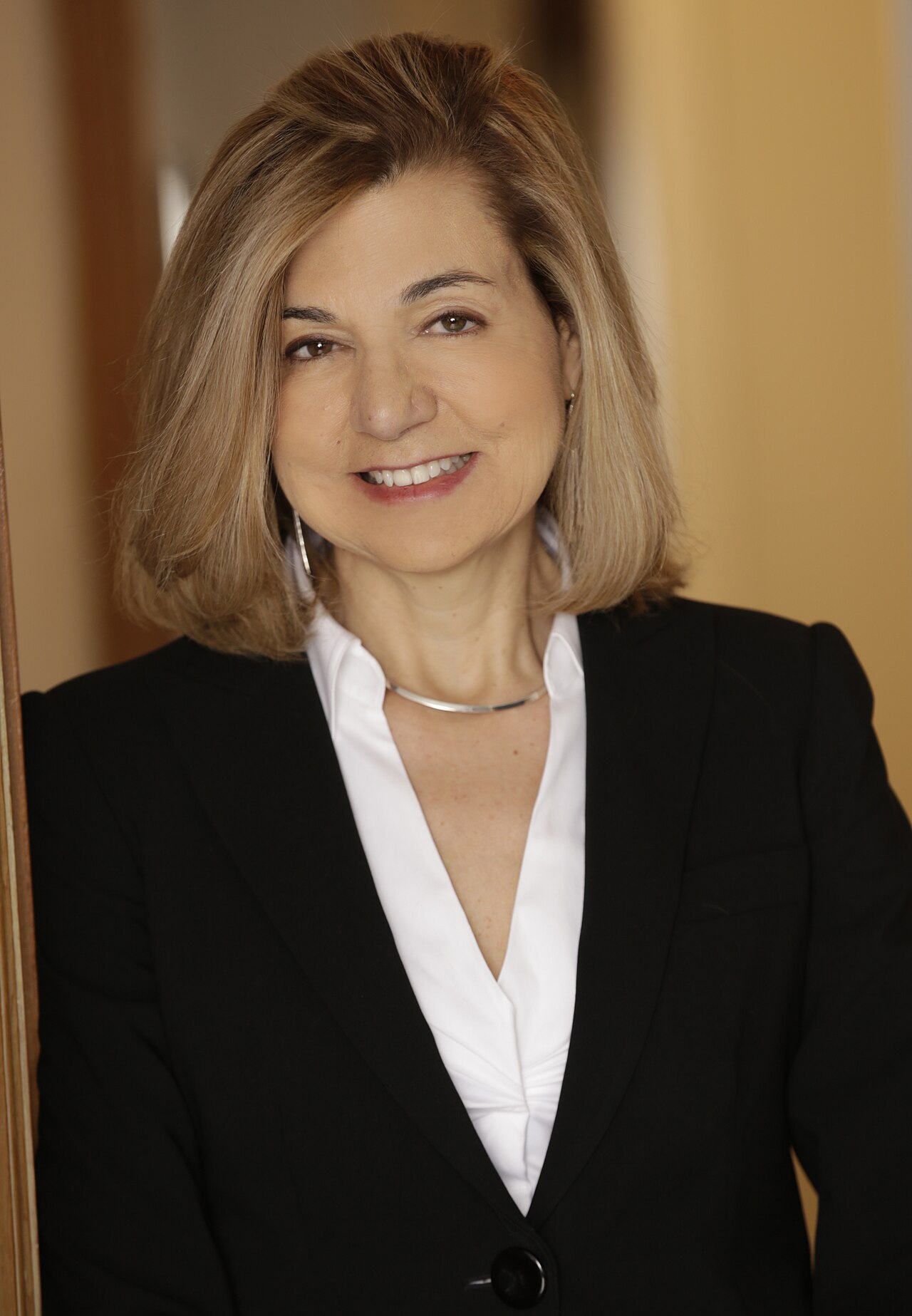
Margaret Sullivan Still Believes the Press Can Earn Its Keep
From a summer internship in Buffalo to the awkward chair of public editor at The New York Times, Sullivan has spent her career asking one durable question: does this journalism serve the public?
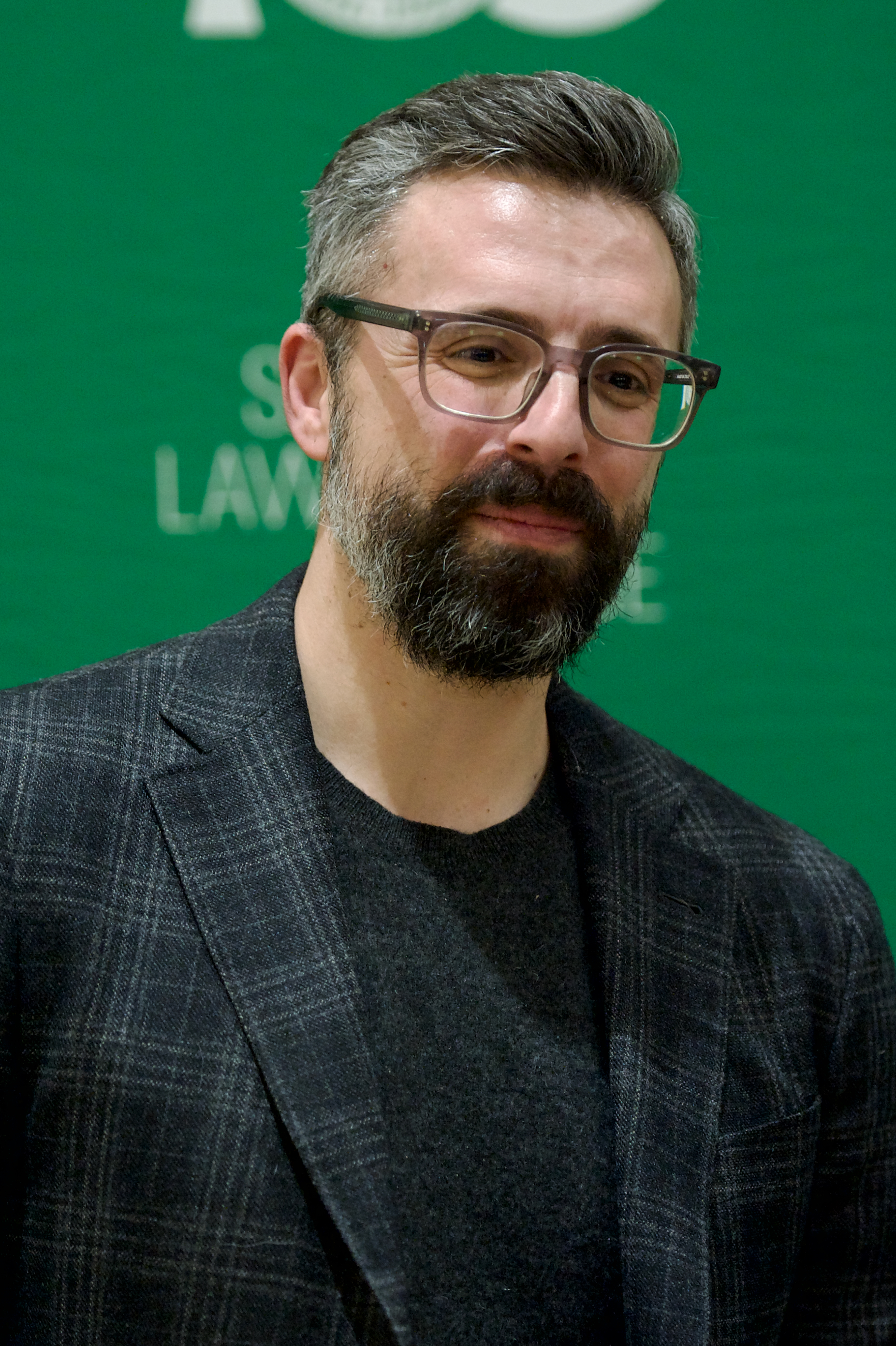
Ezra Klein Built a Career by Slowing the News Down
From a college blog to Vox, then from polarization to abundance, Ezra Klein has made a career of stepping back from the headline and asking what system produced it.

Ben Casselman
Ben Casselman is the Chief Economics Correspondent for The New York Times, where he turns labor reports, Fed decisions and inflation prints into stories people actually read. A self-described 'unapologetic econ nerd,' he built his name on evidence-first, data-driven reporting at The Wall Street Journal and FiveThirtyEight before joining the Times in 2017. He shared a Gerald Loeb Award and a Pulitzer finalist nod for Deepwater Horizon coverage, is a frequent voice on the NYT podcast The Daily, and teaches economics reporting at the CUNY Newmark Graduate School of Journalism.
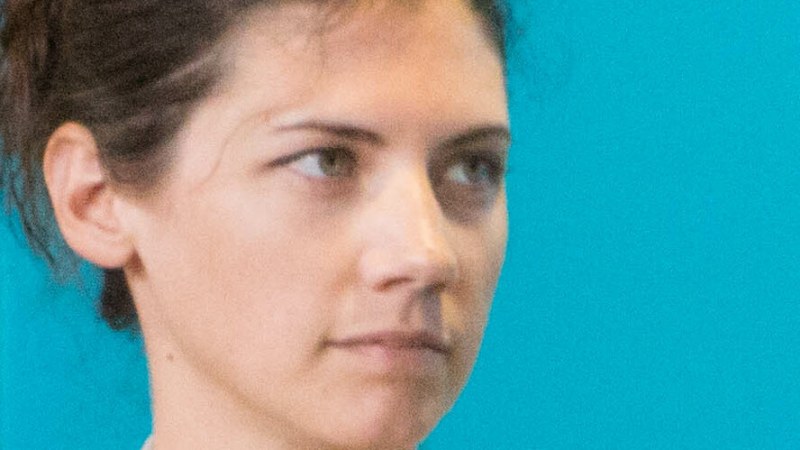
Annie Lowrey
Annie Lowrey is a staff writer at The Atlantic who turns the dry machinery of economic policy into stories people actually read. She coined the phrase the time tax to name the hours Americans waste navigating government paperwork, wrote Give People Money to make the case for a universal basic income, and has spent more than a decade explaining how money moves through people's lives. Her work spans The Atlantic, The New York Times, Slate, and Foreign Policy.
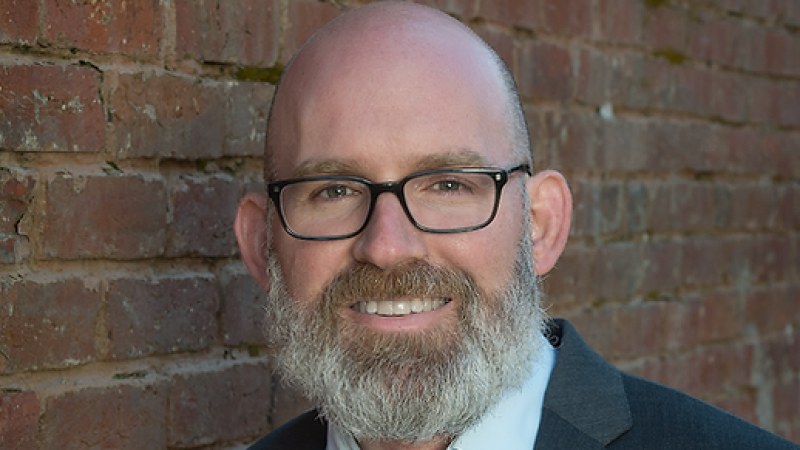
Binyamin Appelbaum
Binyamin Appelbaum is the lead writer on business and economics for The New York Times editorial board, and the author of 'The Economists' Hour,' a history of how economists came to reshape American policy. Before joining the editorial board in 2019, he spent nearly a decade as a Washington correspondent covering the Federal Reserve and economic policy in the aftermath of the 2008 financial crisis. His subprime-lending investigation at The Charlotte Observer won a George Polk Award and was a Pulitzer Prize finalist.

Catherine Rampell
Catherine Rampell is an economics journalist who turned spreadsheets into prime time. After 11 years as a Washington Post opinion columnist, she now runs the economics desk at The Bulwark, writes the 'Receipts' newsletter, and co-anchors 'The Weekend: Primetime' on MS NOW. Her trademark is data-driven argument: charts, receipts and footnotes deployed against political spin, on immigration, inflation, trade and the cost of living.

Jim Tankersley
Jim Tankersley is the New York Times Berlin bureau chief and a longtime economics journalist who spent 17 years dissecting Washington's tax fights and the fortunes of the American middle class. A small-town Oregon kid turned Stanford grad, he broke major scoops on the Biden economic agenda, won the Livingston Award, was part of a Pulitzer-finalist team, and wrote 'The Riches of This Land,' a narrative reckoning with what happened to the postwar middle-class dream. In 2025 he traded the West Wing for Germany.
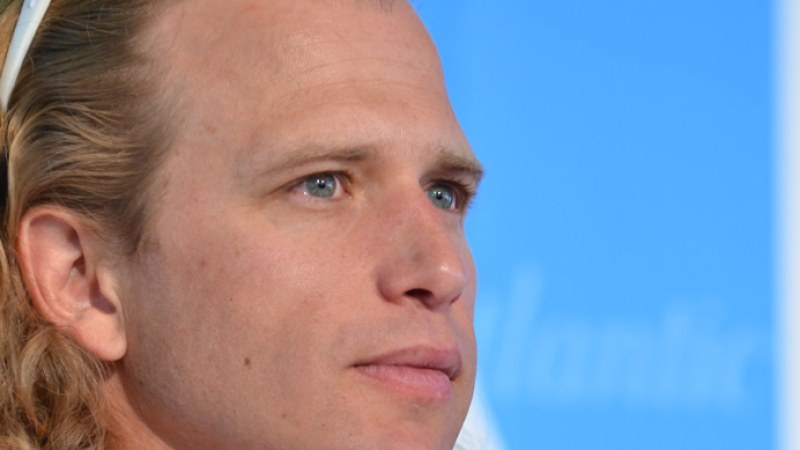
Justin Wolfers
Justin Wolfers is an Australian-American economist who turns dense data into plain talk for the rest of us. A professor of economics and public policy at the University of Michigan's Ford School, he co-hosts the Think Like an Economist podcast with his partner Betsey Stevenson, writes the Platypus Economics newsletter, and is one of the most quoted economic voices in American media. His work spans macroeconomics, labor markets, prediction markets, sports, and the surprisingly stubborn question of whether money buys happiness (his answer: more than people think).

Neil Irwin
Neil Irwin is the chief economic correspondent at Axios and lead author of the daily Axios Macro newsletter, decoding the Federal Reserve, inflation, and global markets for hundreds of thousands of readers. A former senior economic correspondent at The New York Times and a 13-year veteran of The Washington Post, he wrote the New York Times bestseller The Alchemists about the central bankers who fought the 2008 financial crisis, and How to Win in a Winner-Take-All World, a guide to building a durable career in the modern economy.
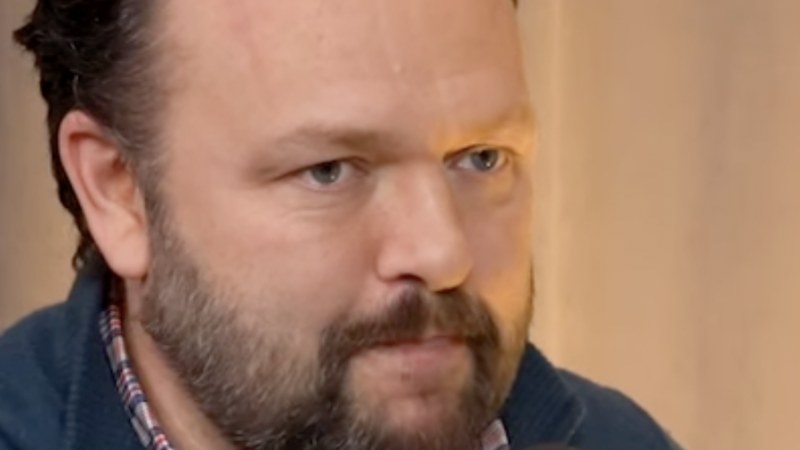
Ross Douthat
Ross Douthat is a New York Times opinion columnist, author, and podcast host who became the paper's youngest regular op-ed writer in 2009 at age 29. A conservative Catholic convert with a knack for diagnosing cultural drift, he wrote 'The Decadent Society' and 'Believe: Why Everyone Should Be Religious,' and now hosts the Times Opinion podcast 'Interesting Times,' where he interviews figures from across the political spectrum about the New Right and a shifting world order.
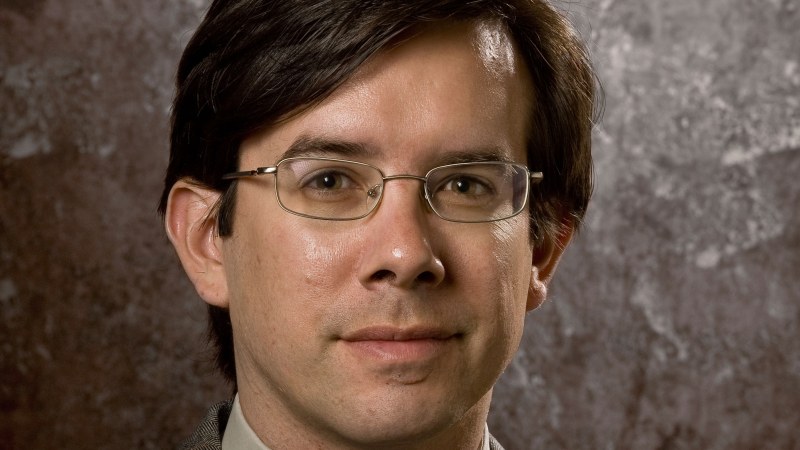
Will Wilkinson
Will Wilkinson is a political analyst, essayist, and policy intellectual who spent two decades navigating the intellectual terrain between libertarianism and liberalism before landing somewhere more interesting than either. A former research fellow at the Cato Institute and vice president at the Niskanen Center, he has written for The New York Times, The Economist, The Atlantic, and dozens of other outlets. Currently working in government affairs at Persona, a digital identity company, he continues to publish the 'Model Citizen' newsletter on Substack, where his blend of philosophy, political science, and sharp commentary finds its most faithful audience.
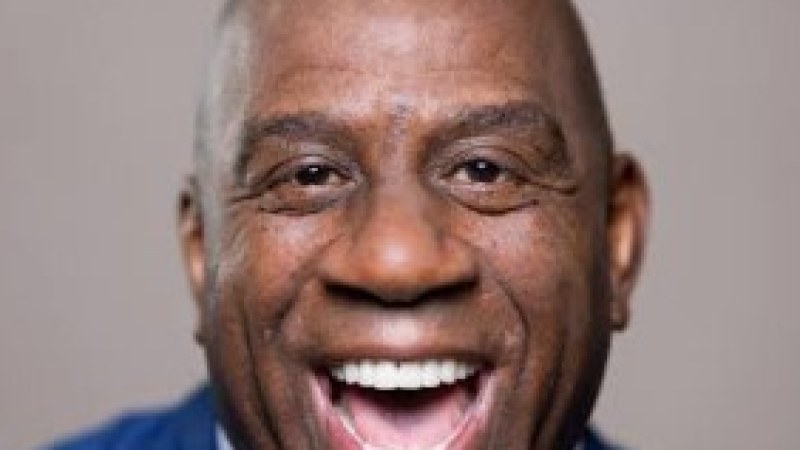
Stacy Martinet
Stacy Martinet is Adobe's Chief Communications Officer and VP of Marketing Strategy & Communications, overseeing a 200+ person team that handles all stakeholder communications, marketing strategy, events, social media, and corporate social responsibility. A former CMO of Mashable and decade-long veteran of The New York Times digital transition, she bridges the worlds of journalism, media strategy, and enterprise technology with a distinctive voice on AI fluency, creative leadership, and modern brand building.
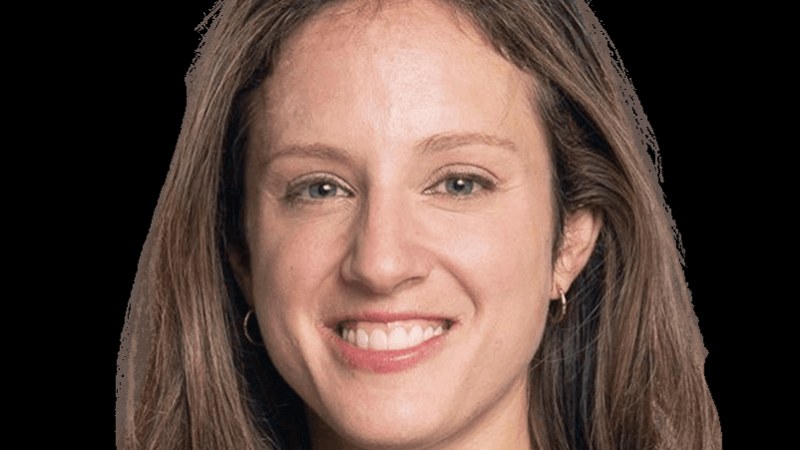
Emily Bennett
Emily Bennett is an Investment Partner at Andreessen Horowitz, where she leads investing for a16z speedrun - the firm's high-velocity startup accelerator that has deployed over $180M to 150+ startups since 2023. A neuroscience graduate of Middlebury College (magna cum laude) turned Harvard MBA, she carved a winding path through product roles at Spotify, The New York Times, and Facebook before pivoting fully into venture at Owl Ventures, where she rose to Partner with a focus on edtech. At a16z, her investment thesis centers on AI-native tools that allow single founders to operate what once required entire teams, and she is a vocal advocate for the first AI-native university - an institution where learning paths, schedules, and research adapt in real time through continuous data feedback loops.
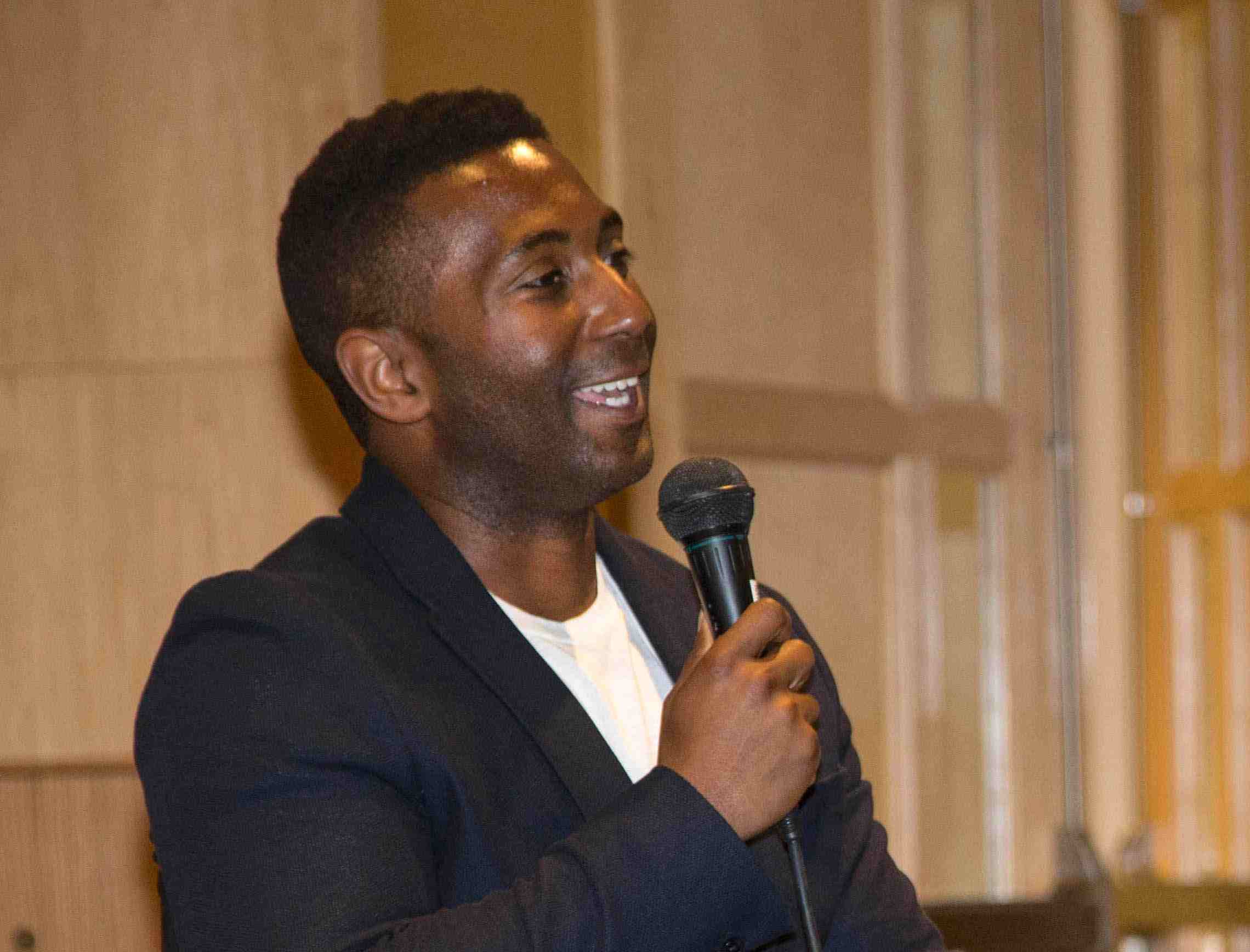
Wesley Morris
Wesley Morris is the only writer in history to win the Pulitzer Prize for Criticism twice - once in 2012 at The Boston Globe and again in 2021 at The New York Times, where he serves as Critic at Large. A Yale-educated Philadelphia native, Morris writes about film, music, race, and American identity with a voice that is simultaneously playful and incisive. He co-hosted the NYT podcast Still Processing for six years, launched Cannonball in June 2025, and runs a Substack newsletter. His work stands at the intersection of entertainment and cultural politics, making him one of the most respected voices in American criticism.

Taylor Lorenz
Taylor Lorenz is an independent journalist, author, and media operator who has spent her career documenting how the internet reshapes fame, culture, power, and everyday life. After stints at Business Insider, The Daily Beast, The New York Times, and The Washington Post, she left legacy media in October 2024 to run User Mag, her Substack-based publication covering tech and internet culture, which quickly grew to nearly 100,000 subscribers. Her 2023 book 'Extremely Online' is a landmark social history of the influencer economy. She is widely considered one of the most influential — and most harassed — tech journalists in America.
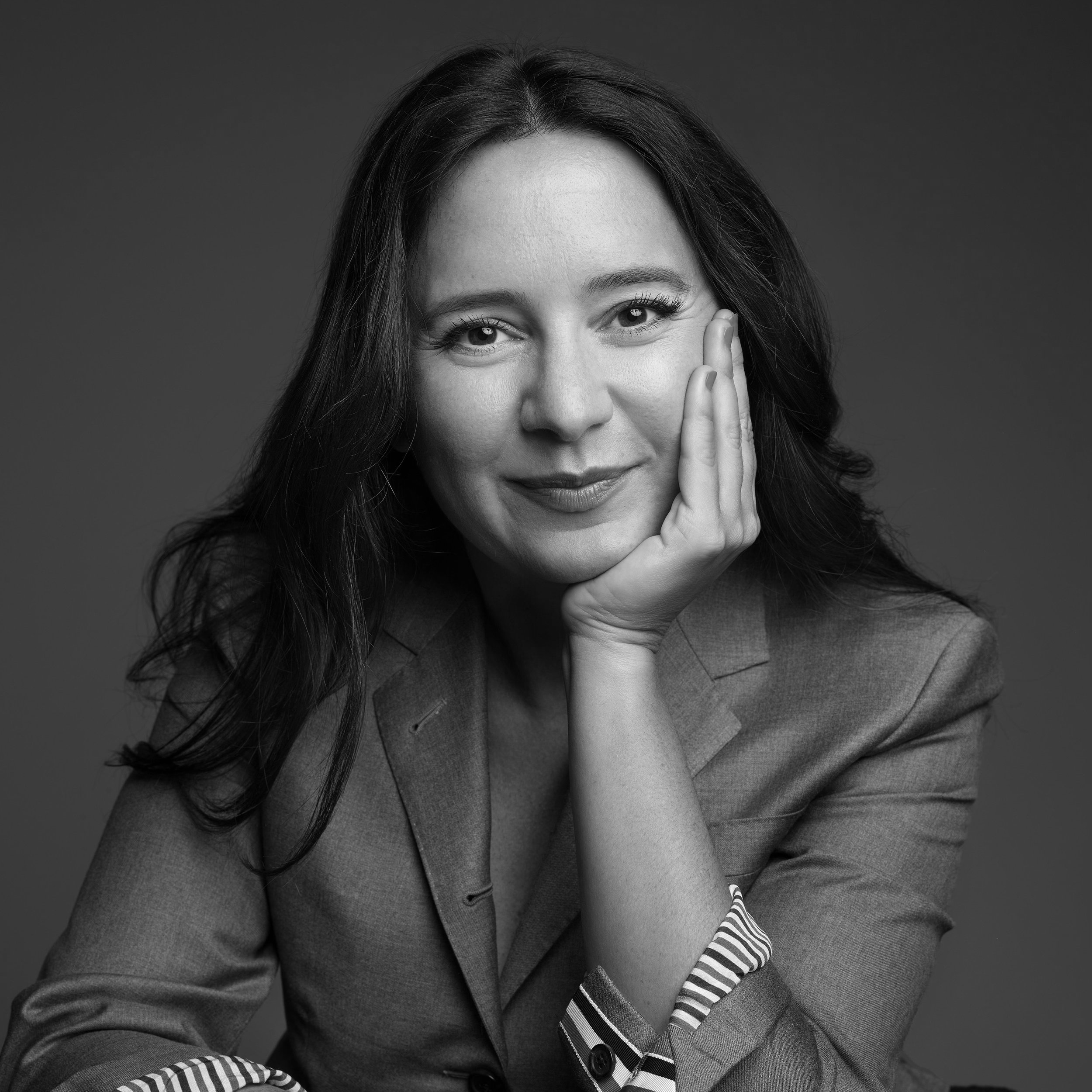
Bari Weiss
Bari Weiss is the founder of The Free Press and, since October 2025, editor-in-chief of CBS News following Paramount's $150 million acquisition of her media company. A former Wall Street Journal and New York Times editor whose viral 2020 resignation letter made her a symbol of anti-groupthink journalism, Weiss built one of the fastest-growing independent news outlets in America - reaching 1.5 million subscribers in under five years - before landing the biggest job in legacy broadcast news.
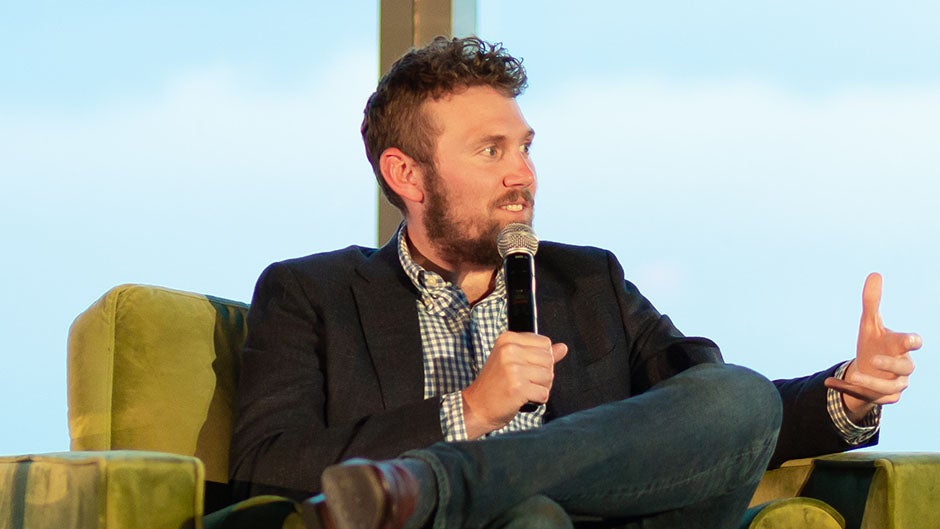
Charlie Warzel
Charlie Warzel is a staff writer at The Atlantic and author of Galaxy Brain, the publication's flagship newsletter on tech, media, and internet culture. A veteran of BuzzFeed News and The New York Times, he has spent over a decade mapping the collision of technology, power, and human behavior - from smartphone location tracking to AI hype cycles to Twitter's moderation failures. Co-author of 'Out of Office' with Anne Helen Petersen, Warzel writes from Lummi Island, Washington, with a voice that is analytical, empathetic, and stubbornly resistant to easy narratives.
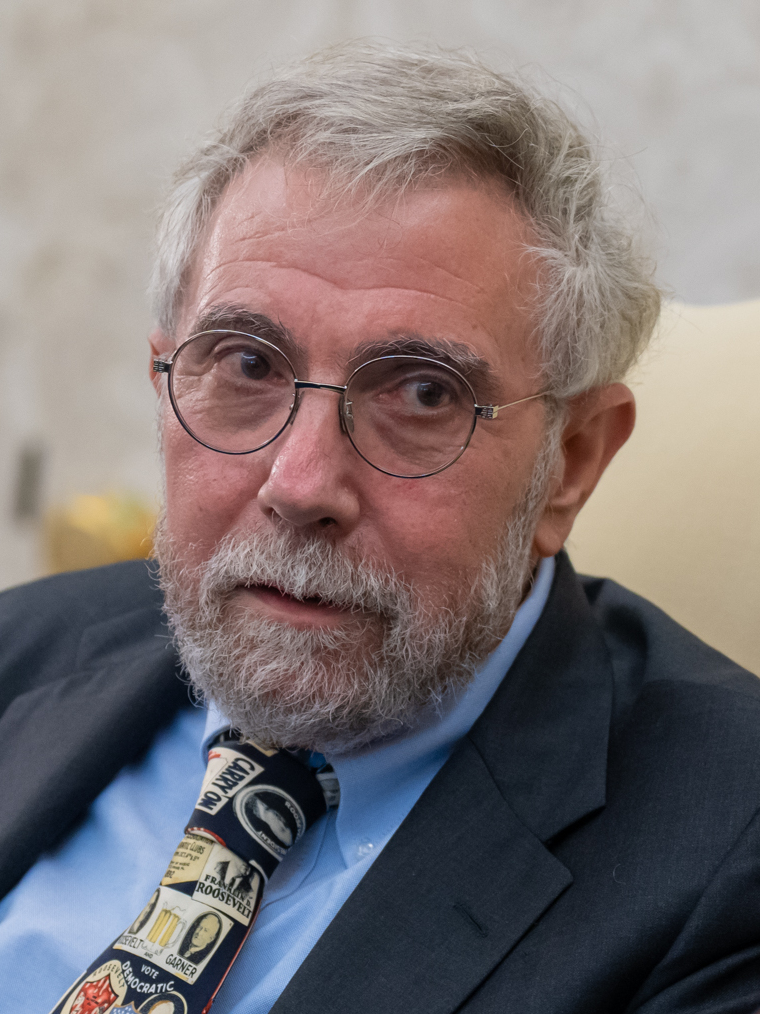
Paul Krugman
Paul Krugman is a Nobel Prize-winning economist, prolific author, and one of the most widely-read economic commentators in the world. After 24 years as an op-ed columnist for The New York Times, he left in December 2024 to launch a daily Substack newsletter that quickly surpassed 569,000 subscribers. A Distinguished Professor at CUNY Graduate Center, Krugman won the 2008 Nobel Memorial Prize in Economic Sciences for his work on New Trade Theory and New Economic Geography. With 4.3 million Twitter followers, 27 books, and a career spanning academia, policy advising, and public journalism, he remains a defining voice at the intersection of economics and politics.
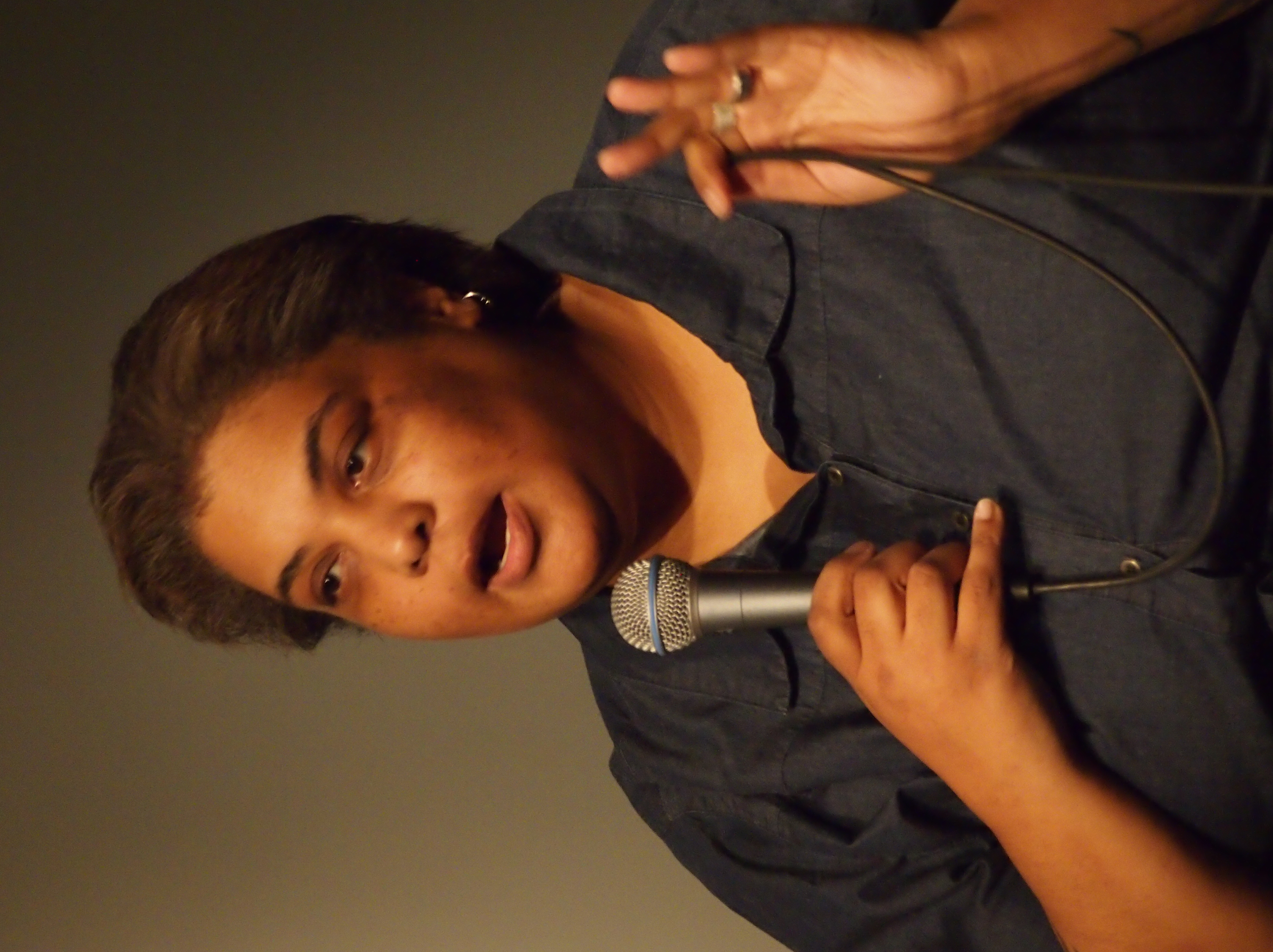
Roxane Gay
Roxane Gay is a New York Times bestselling author, professor, cultural critic, and publisher whose work sits at the intersection of feminism, race, and identity. Best known for 'Bad Feminist' and 'Hunger: A Memoir of (My) Body', she holds the Gloria Steinem Endowed Chair at Rutgers University, writes opinion for the New York Times, runs the Substack newsletter 'The Audacity', and publishes underrepresented voices through her imprint Roxane Gay Books at Grove Atlantic. In 2025 she received the National Book Foundation's Literarian Award for Outstanding Service to the American Literary Community.