new-york-startup
(212)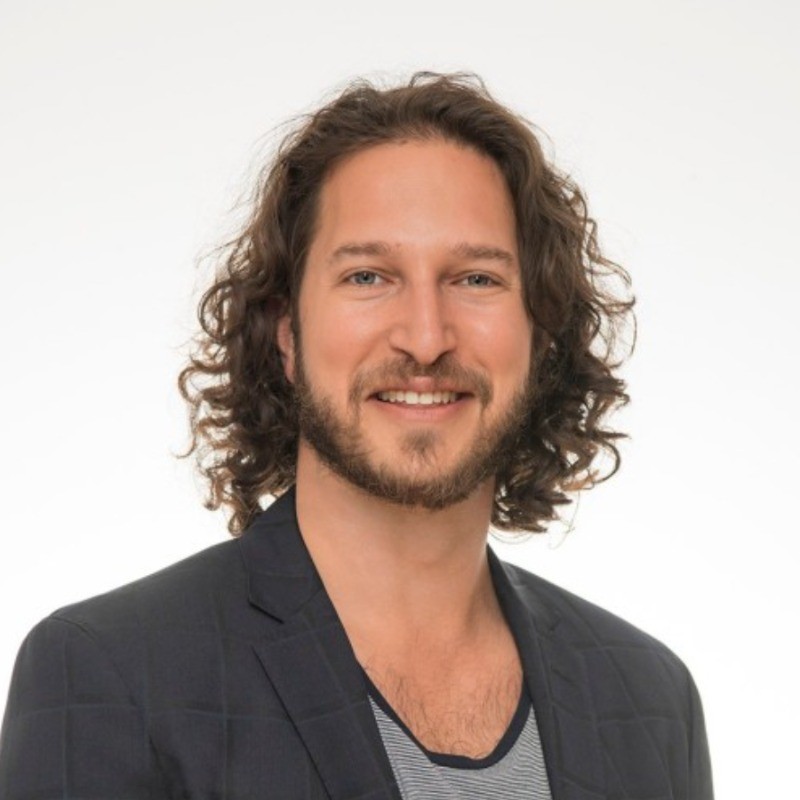
Alex Reynolds
He lined up ten customers for February 2020, then the events industry went dark overnight. Alex Reynolds kept building anyway - and turned the messy art of picking conferences into a data problem worth solving.
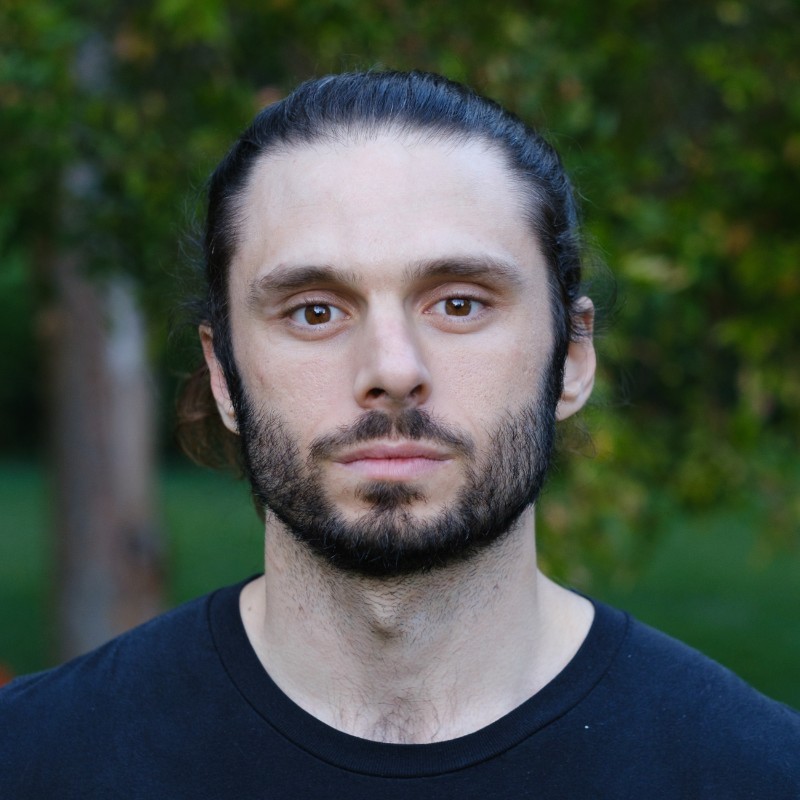
Albert Gozzi
He started Aleph in a pandemic apartment because every finance tool he'd used either felt ancient or tried to pull him out of the spreadsheet. Then he heard no 75 times - and raised a Series B anyway.
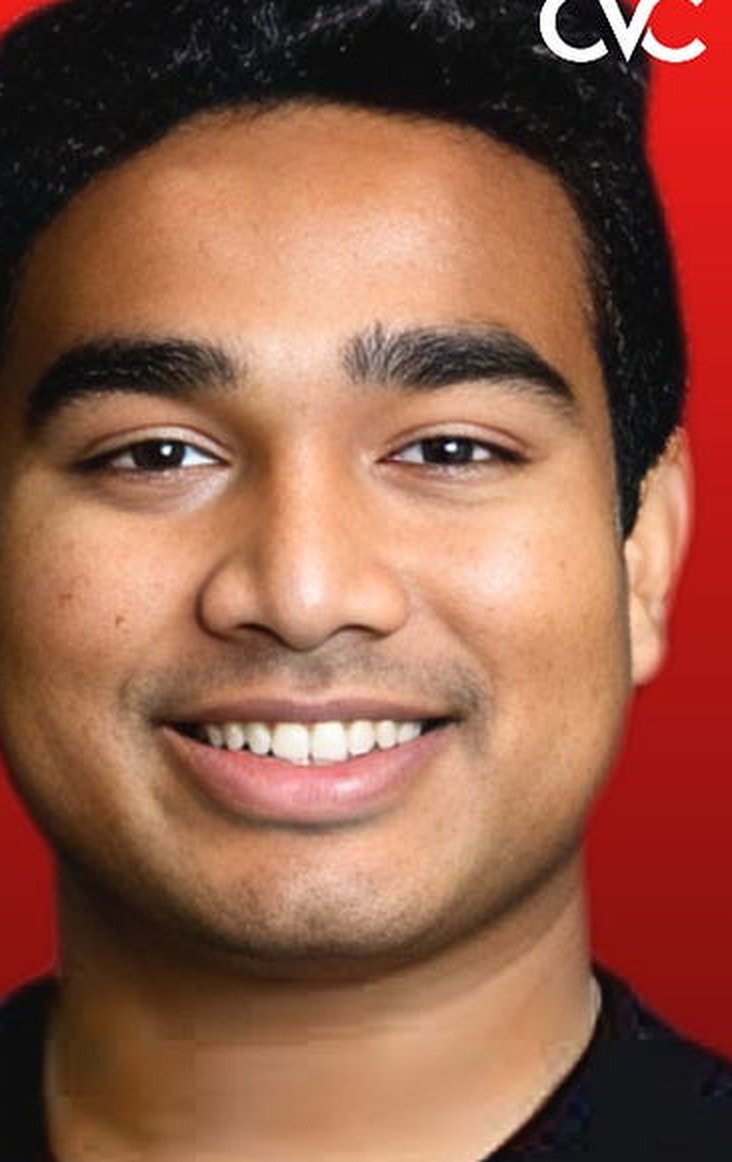
Akash Raju
He made Forbes 30 Under 30 for a company he then threw away. The second version of Glimpse - AI that fights retail's most boring, most expensive fee - just raised $35 million.
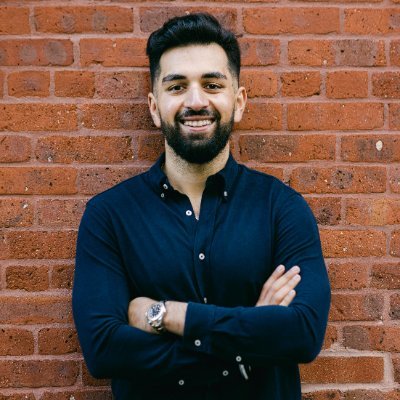
Akash Magoon
He learned how insurers deny claims from the inside. Then he built the machine that fights back for the doctors.
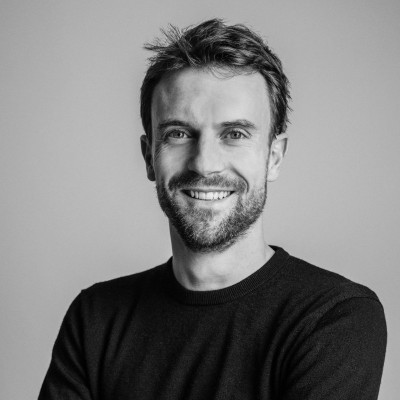
Adrien Menard
He noticed that half the internet's pages were invisible to Google. Then he built a company to fix it - and now he is betting it can do the same for the AI agents rewriting how the world searches.

Adam Fields
He left an art marketplace because nobody could figure out how to ship a painting. A decade later his software quietly runs the last mile for fine art, watches, and collectibles across 45 countries.
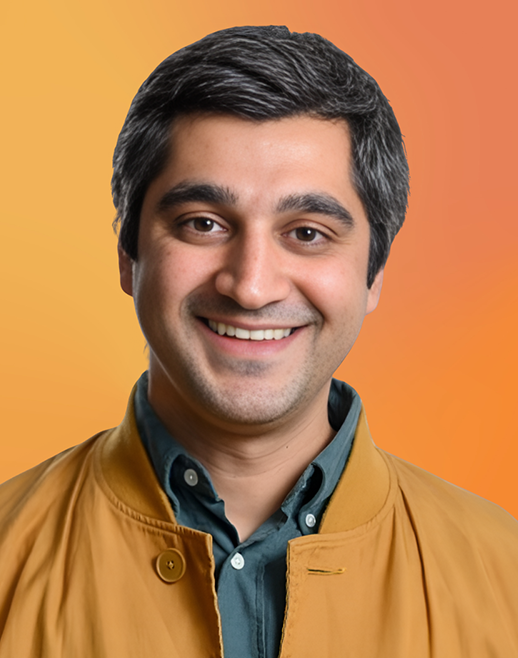
Abhinav Kapur
He spent his nights doing food deliveries and his days reading equity research. Then he built the software his mother-in-law never had - so every restaurant could remember its regulars.
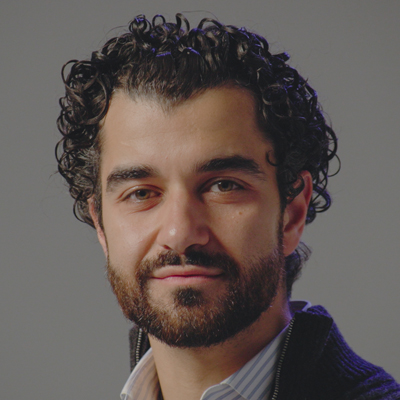
Abdul Al-Asaad
He grew up in a refugee camp and learned finance at Goldman Sachs. Now Abdul Al-Asaad wants to hand ordinary savers the borrowing power that has always belonged to the wealthy.
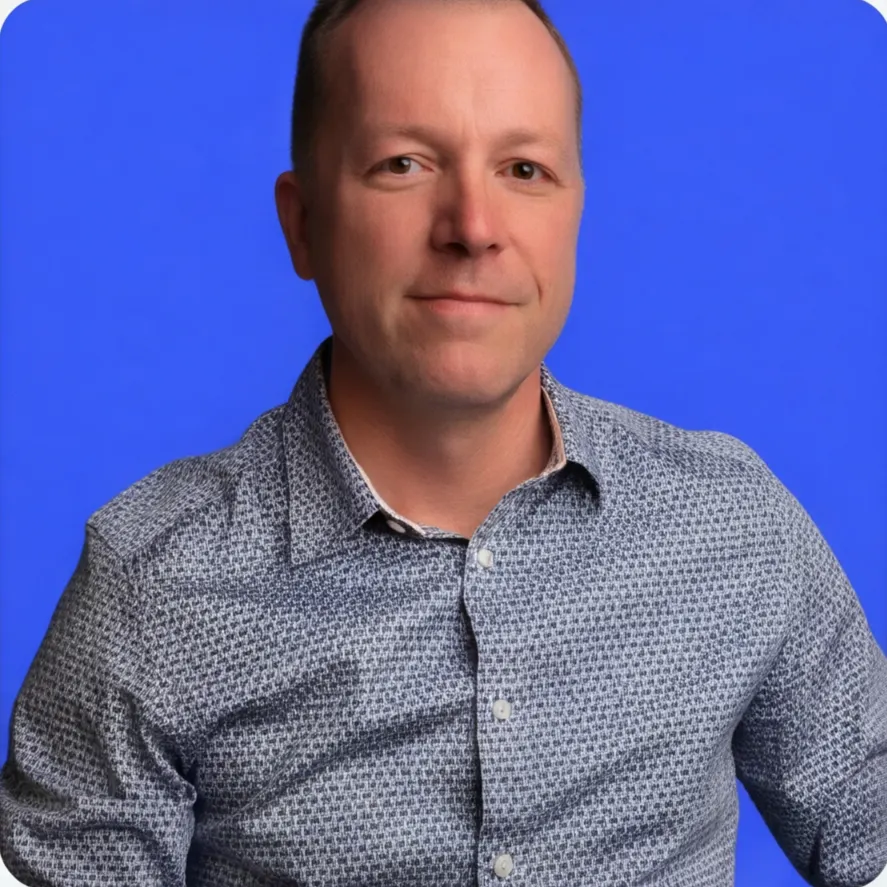
Aaron Fessler
He built booking software for the tours-and-attractions world by first living inside it - running a 100-acre racetrack in the Nevada desert. Now Aaron Fessler wants to hand every operator the tools he wished he'd had.
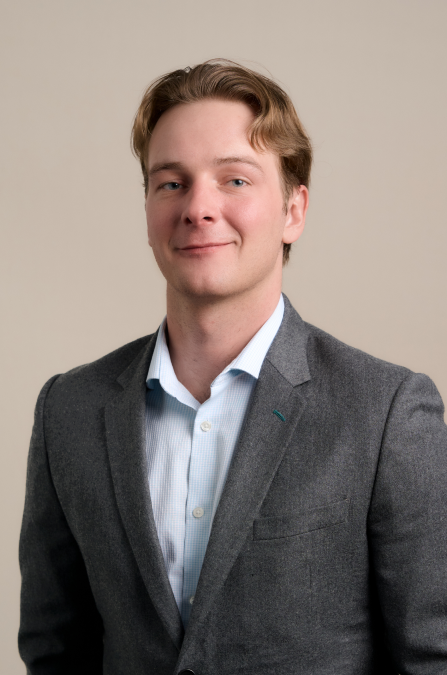
Philip Odelfelt
He walked away from hedge fund money to help old-line manufacturers see what is really happening on the shelf. Now Philip Odelfelt is turning messy retail data into a $27 million bet on the building materials industry.
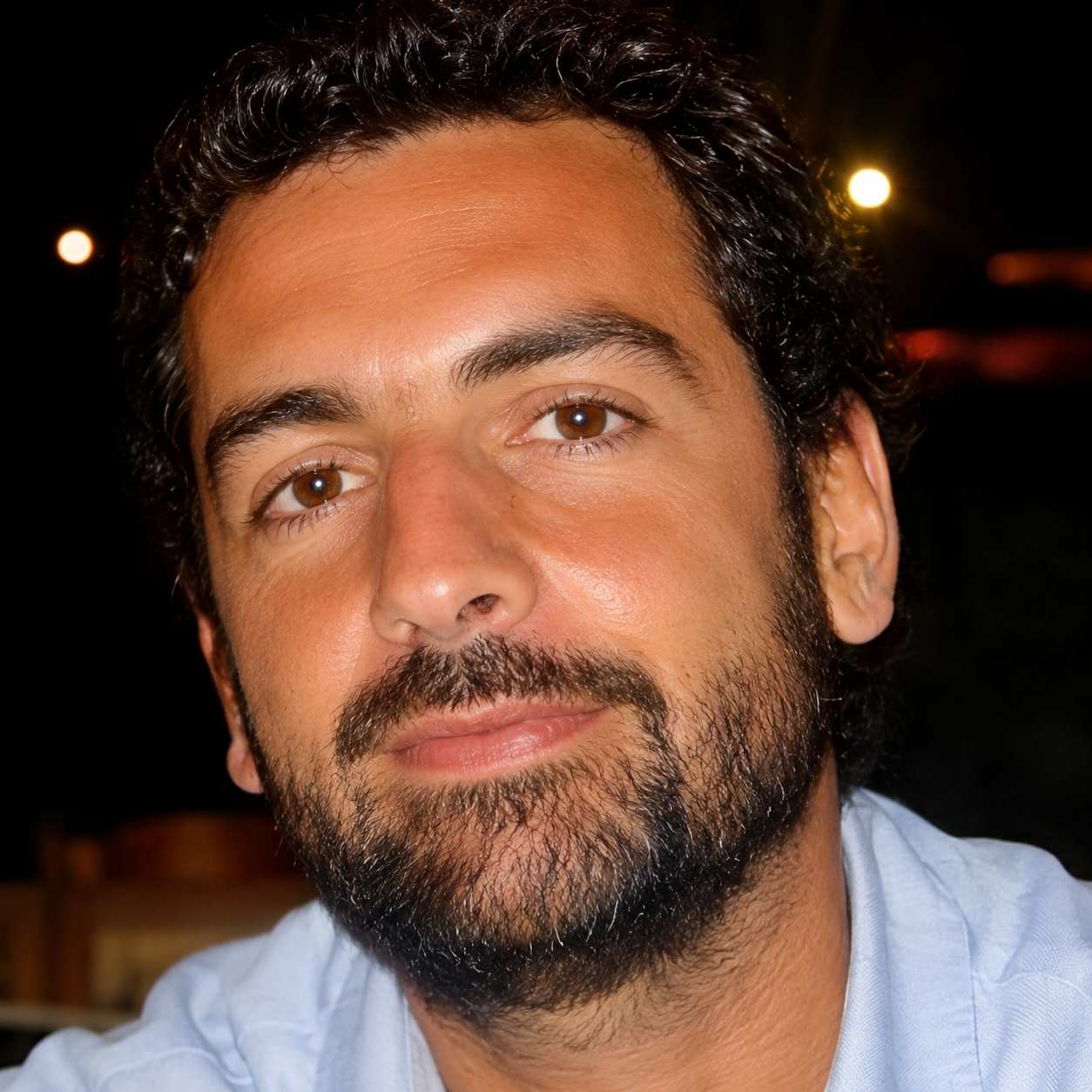
Giacomo Cambiaso
Giacomo Cambiaso is the co-founder and CEO of Public Technologies (PUBT, publicnow.com), a New York news-technology company that collects, organizes and distributes tens of thousands of press releases, company announcements and government statements every day in dozens of languages. A former newspaper journalist who spent about a decade reporting before turning to automation, he built and exited an earlier content-clipping venture and now focuses on making publicly disclosed information from companies, governments and economic organizations accessible to media outlets, information providers and financial institutions.
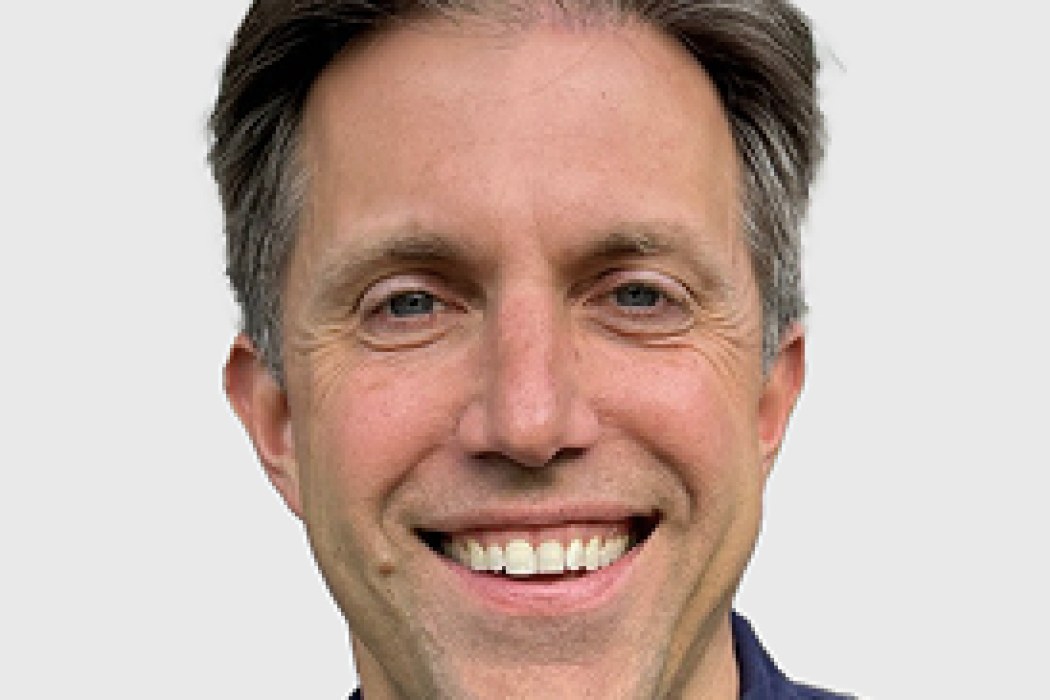
Brian Stempeck
Brian Stempeck is the CEO and co-founder of Evertune AI, a New York startup that helps brands measure and improve how they show up inside AI models like ChatGPT, Gemini, Claude and Perplexity. He spent 11 years on the executive team of The Trade Desk as employee number eight, serving as Chief Client Officer and later Chief Strategy Officer and a board member, and helped grow the company from a tiny team to a public company worth tens of billions. Before adtech he was a management consultant at Bain & Company and, earlier still, a political journalist. He founded Evertune in 2024 with former Trade Desk colleagues to build the category he calls Generative Engine Optimization.
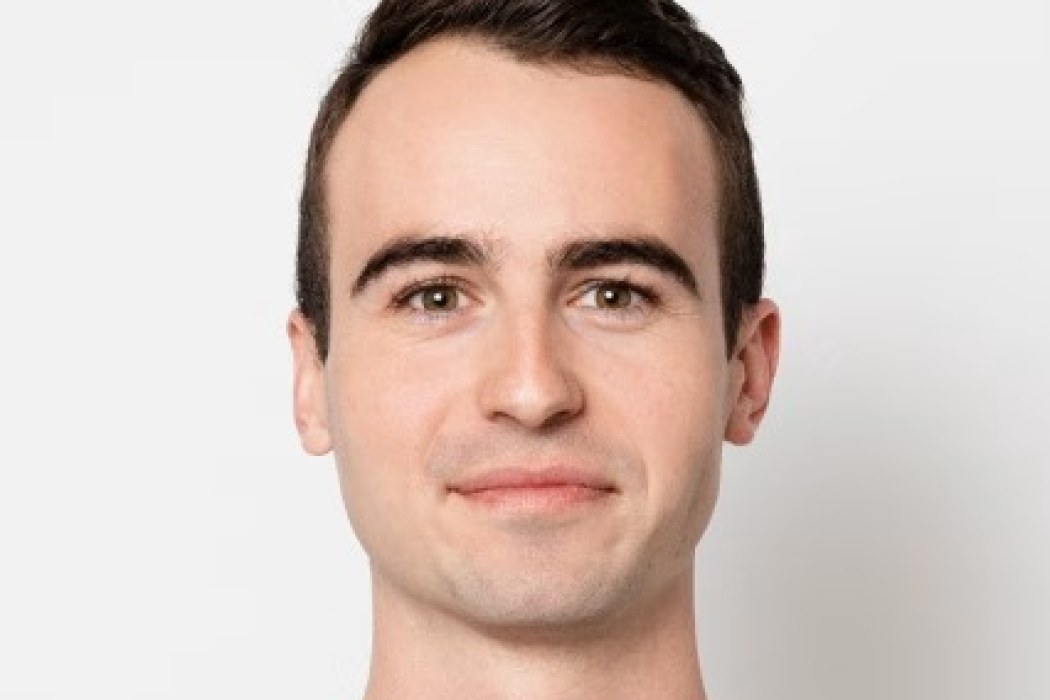
Cédric Kovacs-Johnson
Cédric Kovacs-Johnson is the founder and CEO of Flume Health, a New York-based software company that connects the fragmented healthcare data ecosystem so payers and employers can build and run health plans more efficiently. A chemical engineer by training, he first made his name as co-inventor of Spectrom, a full-color 3D printing technology that won the 2014 Collegiate Inventors Competition and was acquired by MakerBot. He founded Flume Health in 2017 and has raised more than $40 million in venture funding, including a $30 million Series A in 2022.
Chen Konfino
Chen Konfino is the founder and CEO of Younity, a New York-based PropTech company that rebuilds the communications backbone of residential and commercial buildings. Founded in 2018, Younity delivers property-wide intelligent WiFi, building-system monitoring, and cyber protection through a single software platform, turning connectivity into a source of net operating income for property owners. Before Younity, Chen was product and IT manager at data-security firm Vaultive, which was acquired by CyberArk, and earlier served in the Israel Defense Forces' Military Intelligence. He blends a security-first engineering mindset with a bet that reliable, always-on connectivity is now core building infrastructure.
Chetan Reddy
Chetan Reddy is the co-founder and CEO of Confido Health, a New York based startup building AI voice and messaging agents that answer patient calls around the clock and complete routine front-office work like scheduling, refills, eligibility checks and reminders. He started the company after watching the administrative load of the US healthcare system firsthand when his wife had spine surgery, and has grown Confido to more than 1,000 clinical sites and millions of patient interactions. An engineer by training from BITS Pilani, he previously built AI systems for drone mapping and a fitness app before turning to healthcare operations.
Christopher Calmeyn
Christopher Calmeyn is a New York based product designer and startup founder, best known as a co-founder of Fetcher, an AI recruiting platform that automates candidate sourcing and outreach across a database of hundreds of millions of professional profiles. He began his career in quantitative currency investing before moving into product design, and built a string of consumer and professional mobile products, including the business messaging app Caliber, before helping pivot that team into recruiting. That pivot became Scout, named after his dog, which later rebranded to Fetcher. Fetcher has raised more than $40 million and serves hundreds of corporate talent teams.
Cole Riccardi
Cole Riccardi is the founder and CEO of Authentic, a New York based insurtech startup that lets software platforms and affinity groups launch their own branded insurance programs. A former investor at Aquiline Capital Partners and a Notre Dame finance graduate, he left the investing side of insurance in 2022 to build what he calls 'captive-in-a-box' - turnkey infrastructure that brings captive insurance, once reserved for large corporations, to gyms, restaurants, salons and other small businesses. Authentic has raised roughly $16 million, including an $11 million Series A led by FirstMark Capital.
Cyrus Karai
Cyrus Karai is the Co-Founder and CEO of CoverForce, a New York-based insurtech building unified API infrastructure that connects insurance carriers, agencies, and wholesalers so commercial insurance can be quoted, paid, bound, and issued in real time. Originally from Australia and a Wharton MBA, he moved from finance roles at BlackRock, Credit Suisse, and PwC into founding CoverForce out of the University of Pennsylvania's Innovation Labs in 2020. Under his leadership the company reached over 9,600 producers nationwide, integrated with major carriers including Travelers, Chubb, Liberty Mutual, and AmTrust, and raised a $13M Series A led by Insight Partners in 2025.
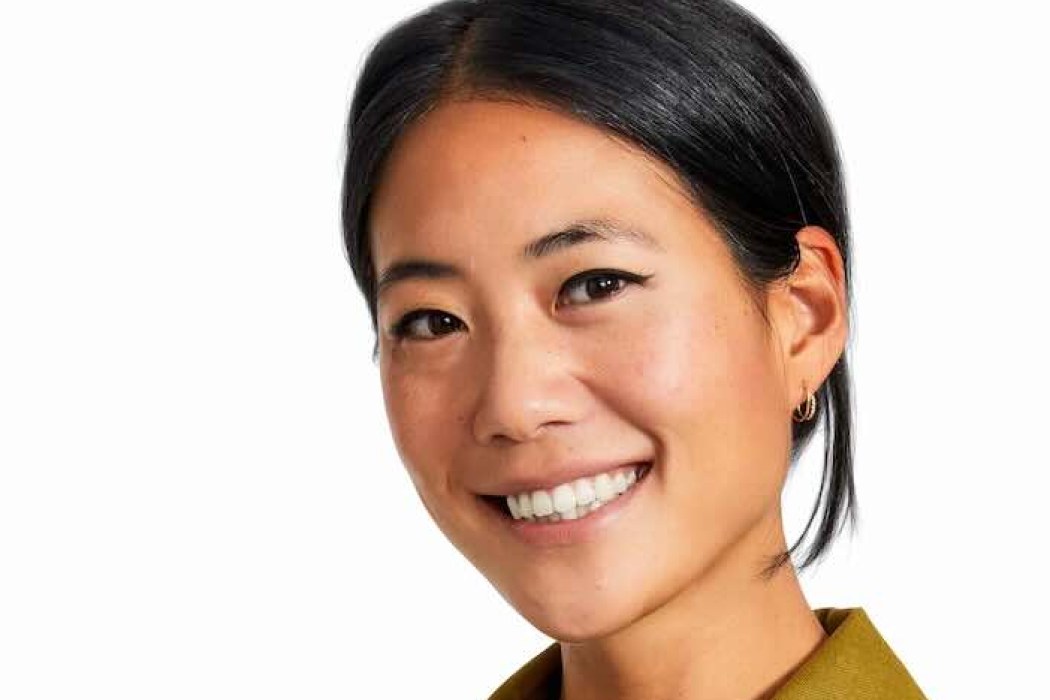
Dana Kim
Dana Kim is the co-founder and CEO of Highlight, a New York-based product intelligence platform that modernizes in-home product testing for consumer brands. A former qualitative market researcher who spent years collecting insights the slow way - standing in stores with paper surveys for brands like Coca-Cola and Nike - she went to Wharton for an MBA, met co-founder Ethan Kellough, and built a technology-driven alternative that pairs a proprietary consumer community with logistics automation and AI analytics. Founded in 2020, Highlight has raised more than $30 million and works with brands including Nestle, Procter & Gamble and Mondelez. Kim has been named to GreenBook's 2022 Future List and Inc.'s 2024 Female Founders 250 list.
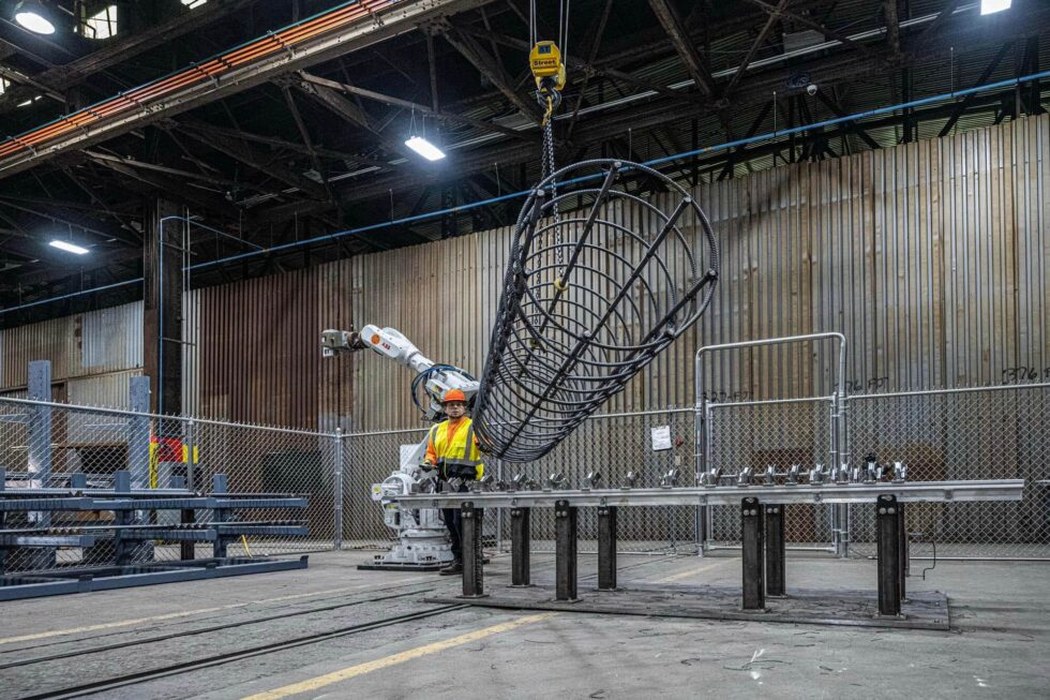
Daniel Blank
Daniel Blank is the CEO and co-founder of Toggle, a construction robotics company he started in New York in 2016 to bring manufacturing methods to the built environment, beginning with the fabrication and assembly of steel rebar for reinforced concrete. A designer by training who spent a decade running a design agency, Blank re-imagined the one-off construction process as a repeatable product-manufacturing process after watching workers tie thousands of steel bars by hand at a wind farm. Toggle has raised roughly $15 million from investors including Point72 Ventures, Tribeca Venture Partners, Blackhorn Ventures and Mark Cuban, and has since expanded into automated quality control for custom fabricators under the Toggle QC banner.
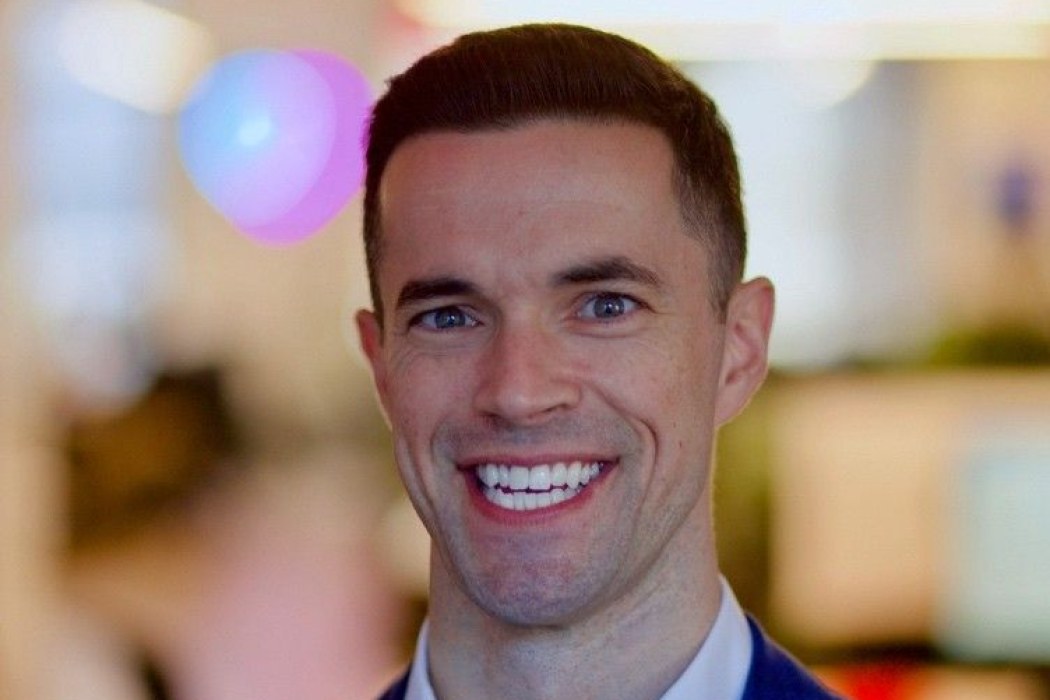
Danny Sigurdson
Danny Sigurdson is the founder and CEO of Courier Health, a New York-based technology company that builds a purpose-built patient CRM and experience platform for life sciences companies. After more than a decade in enterprise software - including a role as VP of Sales at ActionIQ and client leadership at Applied Predictive Technologies - he started Courier Health in 2020 to close the gap between specialty medicine approvals and the patients who never start or stay on treatment. The company has raised $70.5M to date, most recently a $50M Series B led by Oak HC/FT.
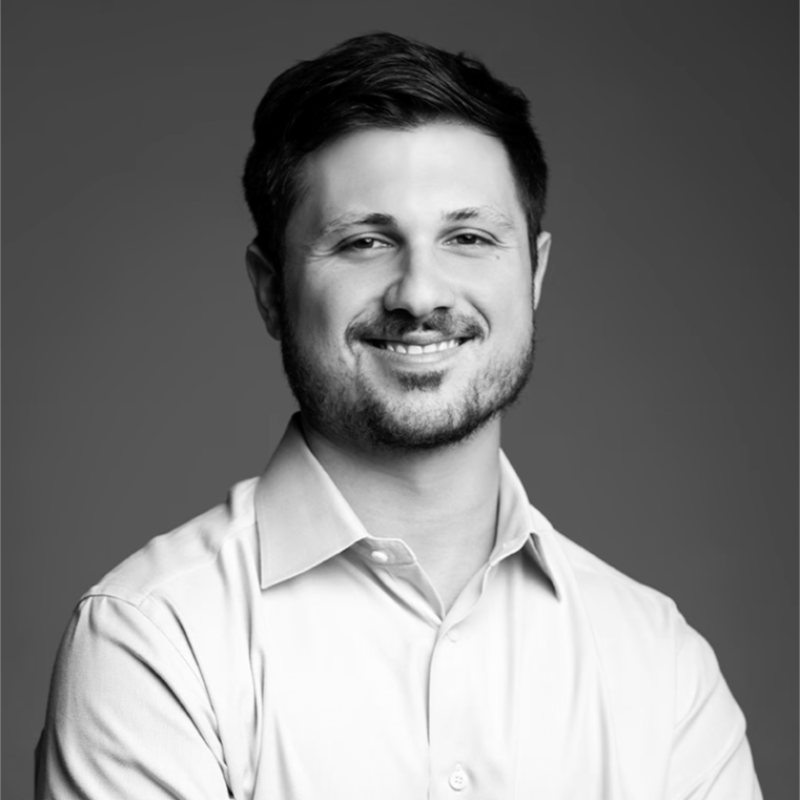
Dave Feldman
Dave Feldman is the co-founder and CEO of Greenboard, a New York-based company building an AI-native operating system for financial compliance. A Johns Hopkins-trained engineer who previously led product work at Guideline and a Hive AI joint venture with Bain & Company, Feldman started Greenboard in 2023 with college friend Ed Schembor after seeing how badly financial firms struggled with fragmented, dated compliance tools. Greenboard went through Y Combinator's Winter 2024 batch and has raised $20 million total, including a $15.5M Series A led by Base10 Partners, with more than 500 financial institutions running their compliance programs on the platform.
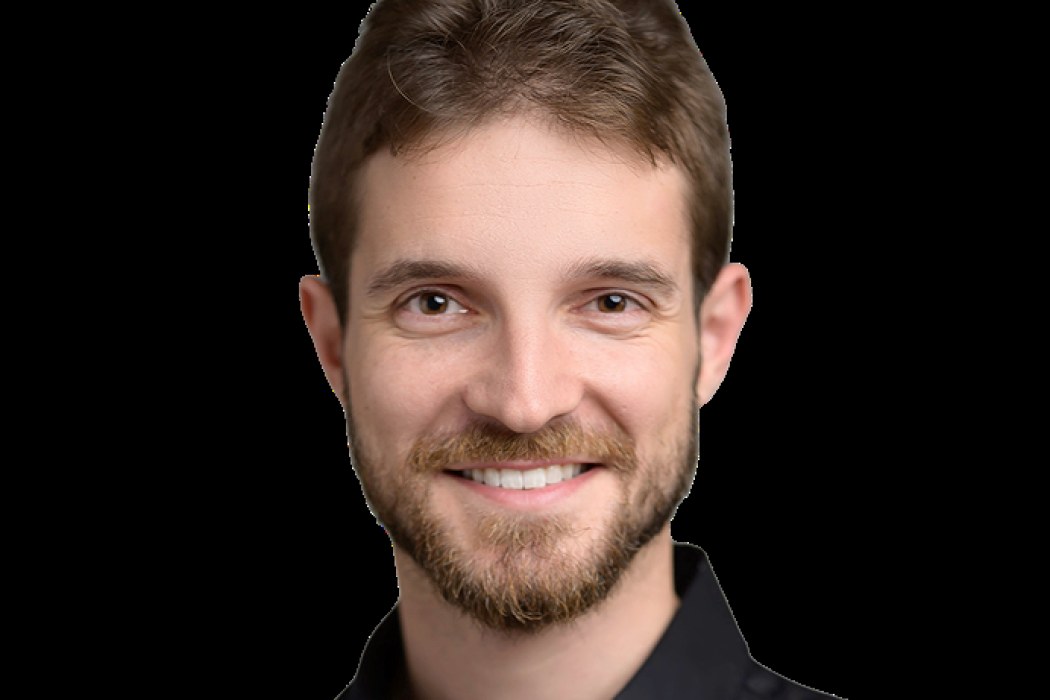
David Lazerson
David Lazerson is the co-founder and CEO of Briya, a healthcare technology company that connects hospitals, research institutions, and life sciences organizations so they can share de-identified, real-world patient data securely and in compliance with U.S. and European privacy rules. A physicist and cognitive scientist by training and a former Israeli military cyber operations officer, Lazerson built Briya on cryptography, federated learning, and zero-knowledge proofs, and in 2025 launched Briya AIRE, a clinical-grade AI research assistant that lets researchers ask questions in plain language instead of writing code.
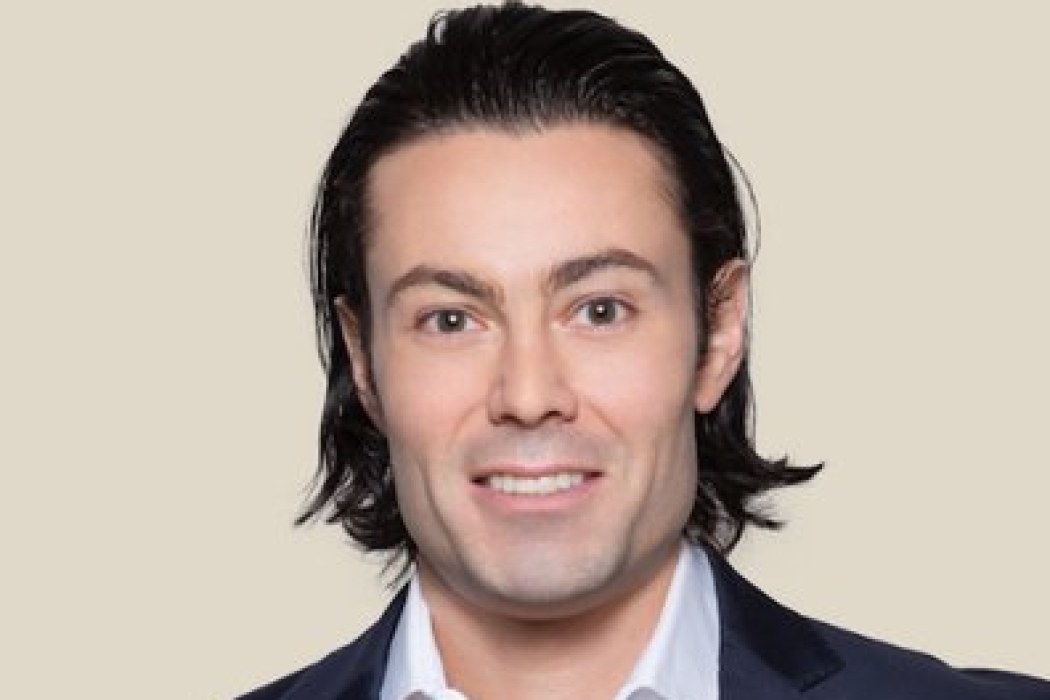
David Snider
David Snider is the founder and CEO of Harness, a New York wealthtech company that pairs people navigating startup equity, taxes, and estate decisions with a curated network of tax, financial, and legal advisers. Before Harness, he was COO and CFO of Compass, where he helped scale the real estate platform from pre-launch to a $1.8 billion valuation and raised every round from Series A through E. Earlier he invested more than $2 billion in deals at Bain Capital private equity and, as a college senior, wrote Money Makers, a finance primer built from interviews with leaders like Jamie Dimon and David Rubenstein.
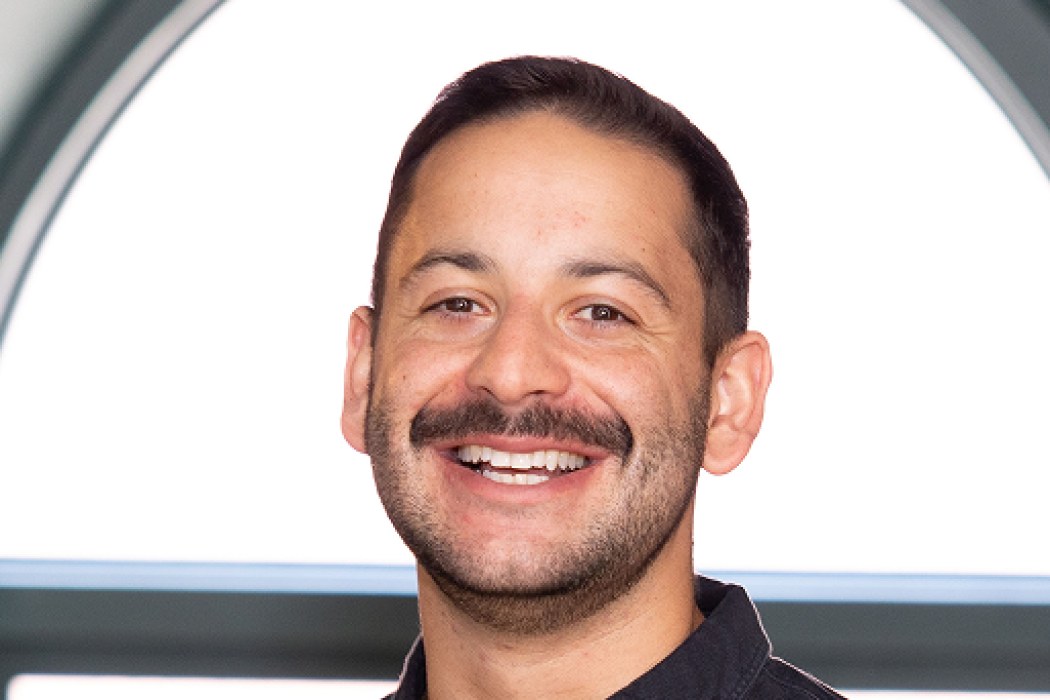
David Stein
David Stein is the co-founder and CEO of Ash (formerly Ash Wellness), a New York-based B2B platform that lets healthcare organizations run their own at-home testing programs. He launched the company out of Cornell Tech's MBA program in 2019 after a frustrating personal experience getting sexual health testing, first building a direct-to-consumer brand for the LGBTQ+ community and then pivoting to white-label infrastructure for providers and payers during COVID-19. Today Ash handles kit design, a CLIA/CAP-certified lab network, logistics, and patient-facing software across all 50 states, and has shipped more than a million test kits.
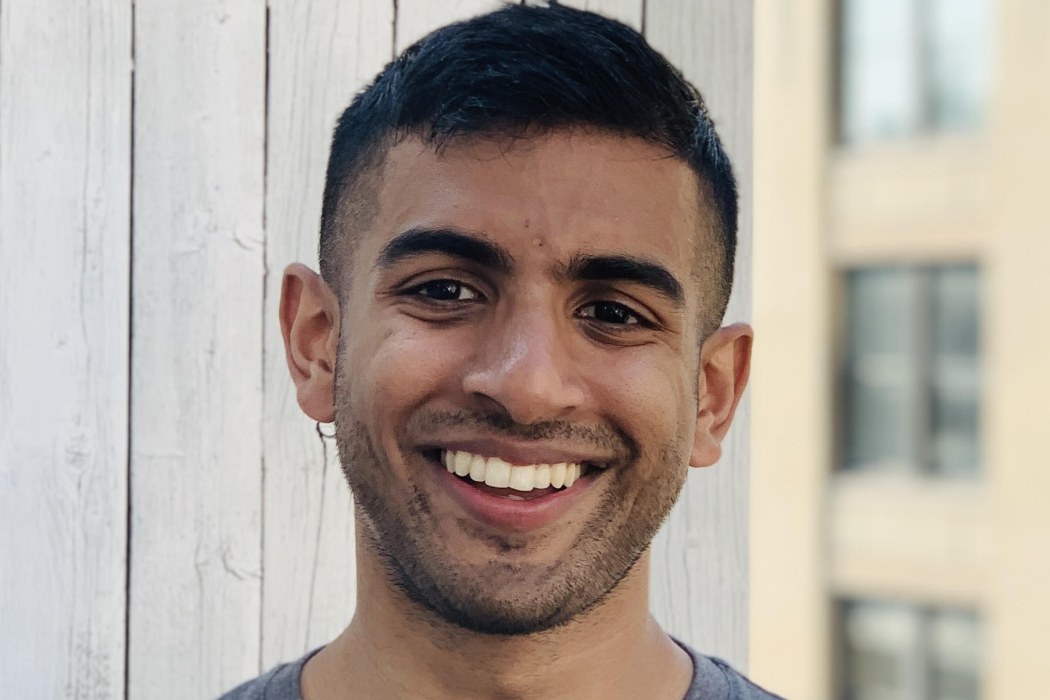
Dennis Thankachan
Dennis Thankachan is the co-founder and CEO of Lightyear, a New York software company that automates how enterprises buy and manage telecom and network services. A former Goldman Sachs banker and hedge fund investor at PointState Capital, he built a thesis around telecom while investing in the sector, then left finance in 2019 to fix an industry he describes as a multi-trillion-dollar market with almost no happy customers. Under his leadership Lightyear has raised roughly $48.6 million, closed a $31 million Series B led by Altos Ventures in 2024, and serves customers including Palo Alto Networks, Five Guys, Pandora Jewelry, and Teladoc.

Dev Shrotri
Dev Shrotri is the founder and CEO of CloudLex, a New York based cloud platform built exclusively for plaintiff personal injury law firms. An engineer by training with an MBA from Columbia Business School, he spent years running legal support services before building CloudLex in 2015 to replace the antiquated legacy systems and one-size-fits-all tools that trial lawyers had been stuck with. The company has grown to roughly 110 employees, raised about $7.7 million, and in 2025 launched Lexee, an AI assistant designed specifically for personal injury practice.
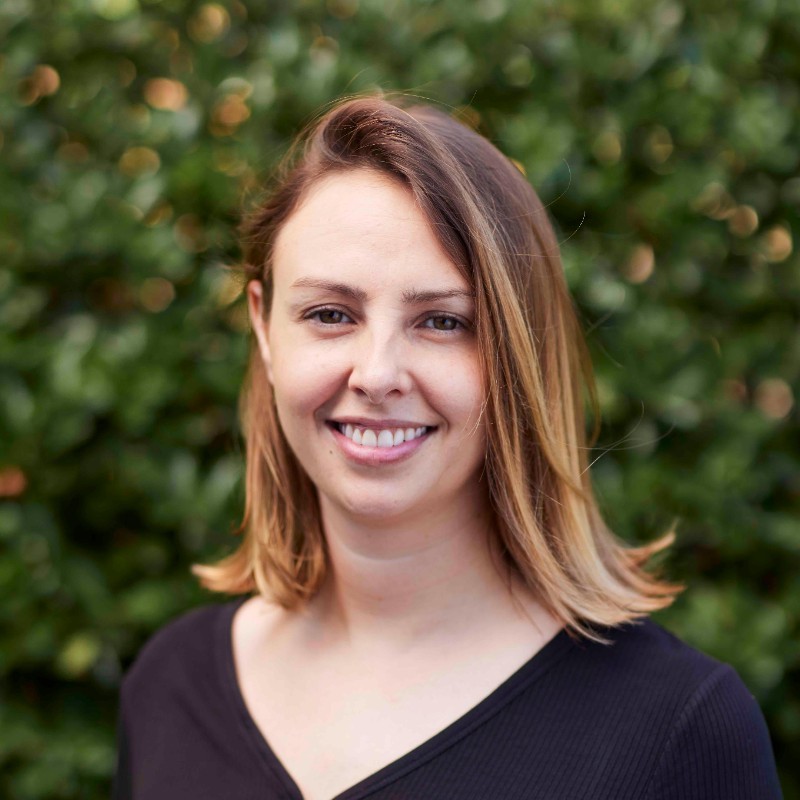
Adrianne Nickerson
Adrianne Nickerson is the co-founder and CEO of Oula, a New York maternity company that fuses midwives, OB-GYNs and technology into one hybrid clinic built to give pregnant patients a calmer, more personal, evidence-based birth experience. A Columbia biology grad with a Harvard master's in global health, she decided she could help patients more by not becoming a doctor - and instead builds the systems doctors and midwives work inside. She co-founded Oula in 2019, opened it while pregnant alongside two pregnant co-executives, and has raised tens of millions to expand care that reduces unnecessary C-sections and centers patient voices.
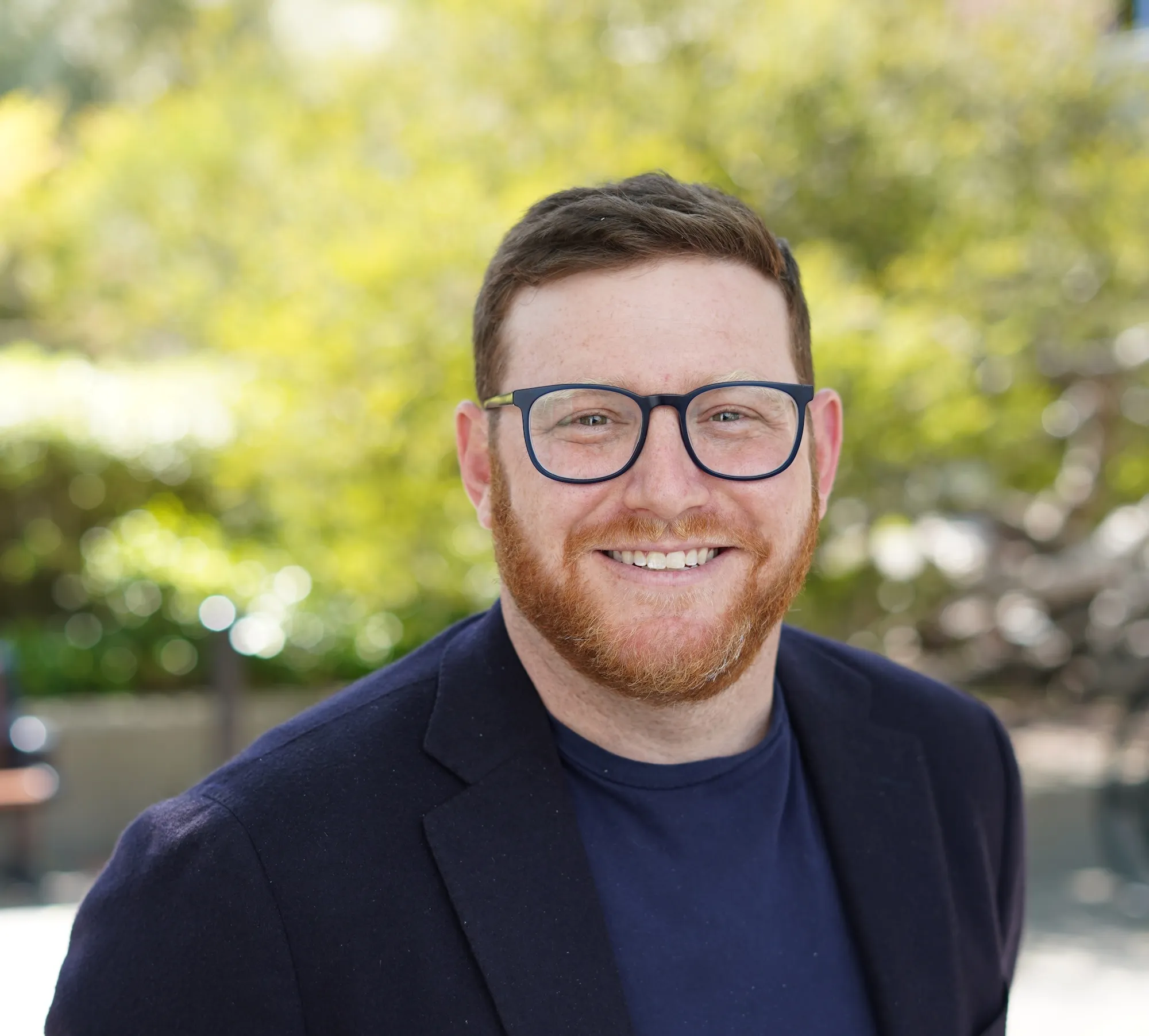
Dylan Robbins
Dylan Robbins is the founder and CEO of Lucra, a New York-based company that gives brands a white-label software kit for running peer-to-peer, real-money gaming and competitions inside their own apps. A former Goldman Sachs and AQR analyst with a Stanford MBA and a Duke undergraduate degree, Robbins started Lucra in 2019 with co-founder Michael Madding after the two spent years informally tracking sports wagers with friends. He pivoted the company from a consumer app to a B2B2C SDK in 2023, and in 2026 raised a $20M Series B led by ARK Invest - the fund's first lead investment in a non-AI startup.
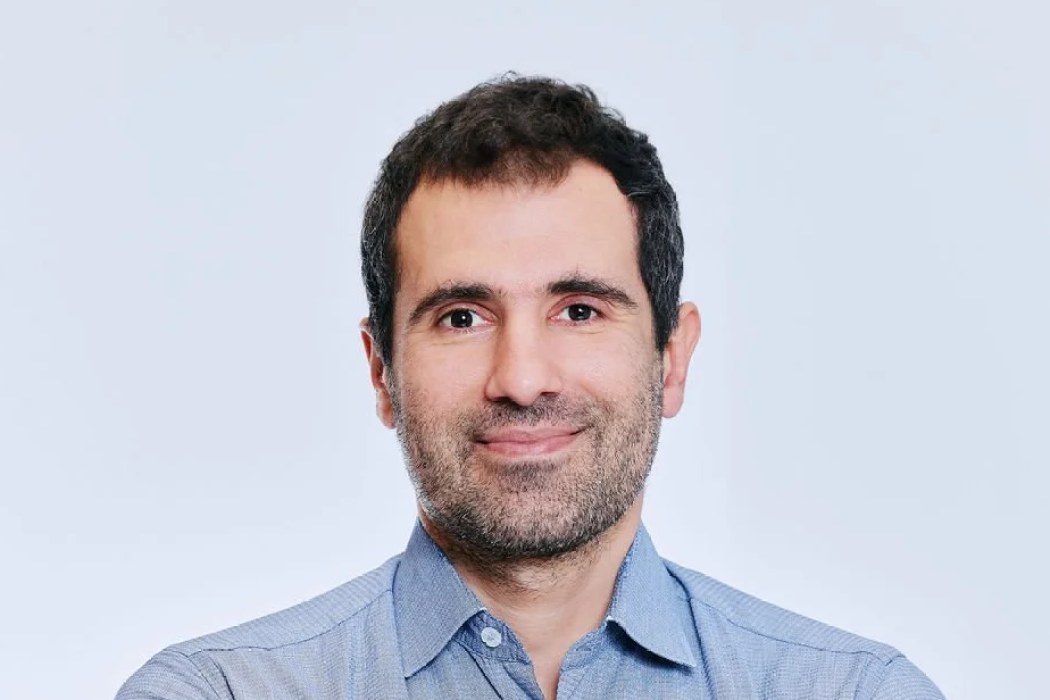
Dimitrios Skaltsas
Dimitrios Skaltsas is the co-founder and CEO of Intelligencia AI, a New York enterprise software company that uses machine learning and curated biomedical data to estimate the probability that a drug candidate will win regulatory approval. Trained as a lawyer in Athens and London, he spent more than a decade at McKinsey, where he built and led New Ventures' big-data and AI work for pharmaceutical R&D before co-founding Intelligencia with Vangelis Vergetis in 2017. Under his leadership the company raised a Series A, was named one of Forbes's Top AI Companies to Watch, secured a U.S. patent for its probability-of-success assessments, and landed on the Inc. 5000. He is also an Executive in Residence at INSEAD.