new-york-founders
(14)
Kyle Carberry Put the Developer’s Desk in the Cloud
A childhood spent modding games taught Kyle Carberry that software should travel more easily than the machines beneath it. Coder is his long campaign to make that obvious idea work for developers, enterprises, and now AI agents.

Jonathan Salama Built a Freight Broker. Then He Sold the Freight.
The French engineer spent a decade teaching software how freight really moves. His decisive piece of code was a corporate rewrite: sell the brokerage, keep the machinery, and offer it to the former competition.
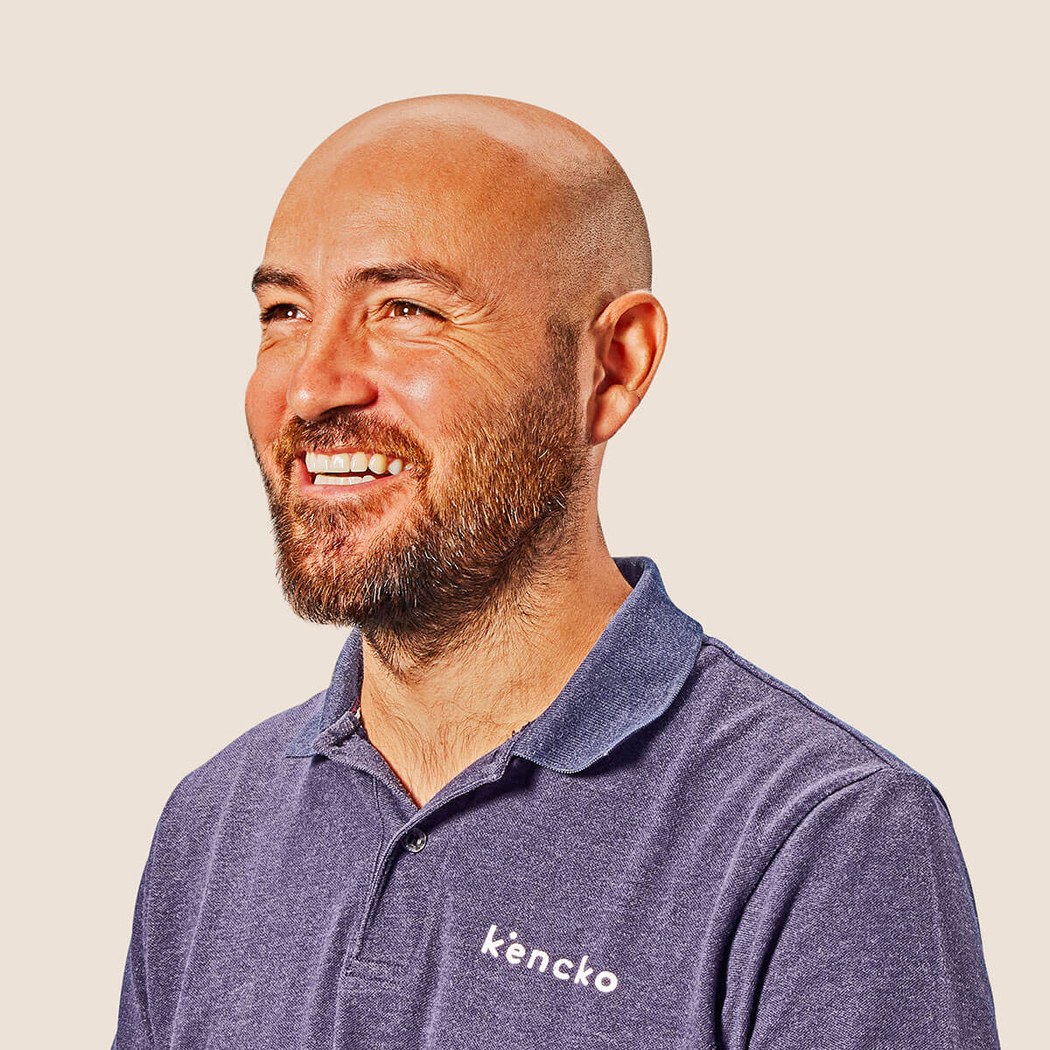
Tomás Froes Had Three Weeks to Begin Again
When a fire erased kencko's only factory, its founder answered with a subject line, a phone tree and a race through 30 buildings. The response explains more about Tomás Froes than any pitch deck could.

Nicole Centeno Built a Food Company One Borrowed Kitchen at a Time
She began with one soup, a bicycle and a borrowed pizza kitchen. Thirteen years later, the biologist-turned-chef is still turning the daily scramble for lunch into a lesson in how companies grow.
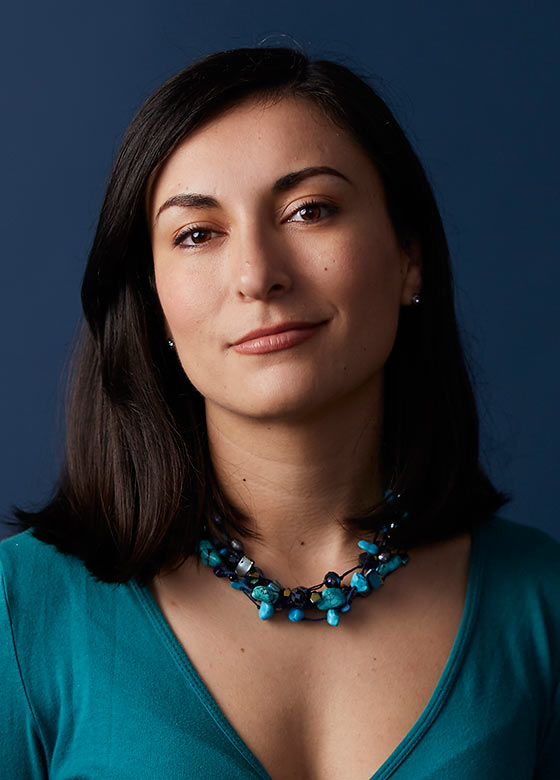
Anaid Chacón Is Teaching Clothes to Listen
The engineer who helped untangle cloud software, cross-border freight, and financial data has chosen a more intimate puzzle: why the label says your size while the garment says otherwise.

Raphael Tehranian and the Business of Seeing What the World Cannot
Before global trade became a daily argument, Raphael Tehranian was studying the systems beneath it. At Altana, the former energy analyst and banker has turned that habit of looking below the surface into an operating discipline.

Karim Atiyeh and the Art of the Invisible Task
The Ramp co-founder built a career by noticing the tiny chores everyone else accepts. Now, as co-CEO, he is trying to make finance software do the work before anyone has to ask.

Frederik Hansen Wants to Put a Source Behind Every Slide
After six years buying high-priced diligence reports at Blackstone, Frederik Hansen is rebuilding the process around AI interviews, human judgment and a stubbornly useful idea: every conclusion should show its work.
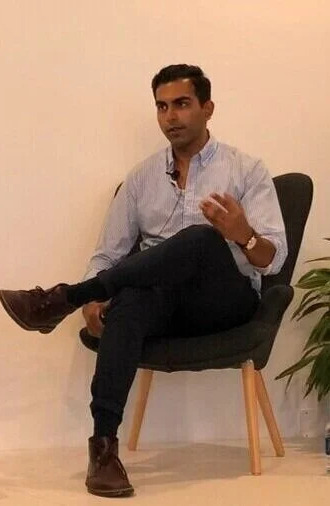
Achintya Ashok Is Teaching AI Agents Which Tools to Pick
After building systems for currency traders, streaming audiences and crypto customers, the OneGrep co-founder is tackling a quieter AI problem: giving agents the judgment to use their tools well.
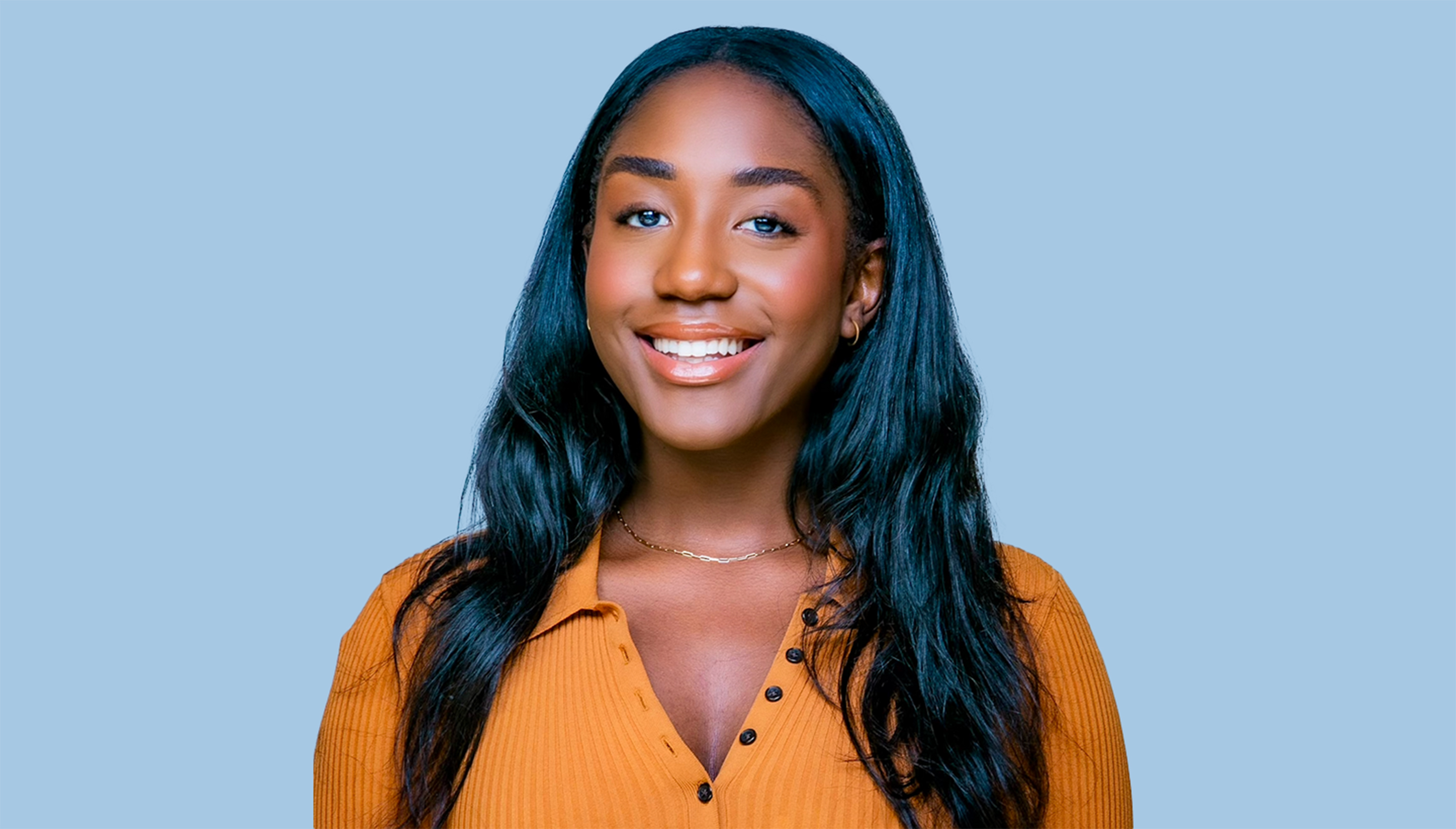
Audrey Djiya Is Fixing Everything That Happens After You Click Buy
The checkout page gets the applause. Audrey Djiya built Handled for the lost shipments, return limbo and spreadsheet archaeology that begin after it.
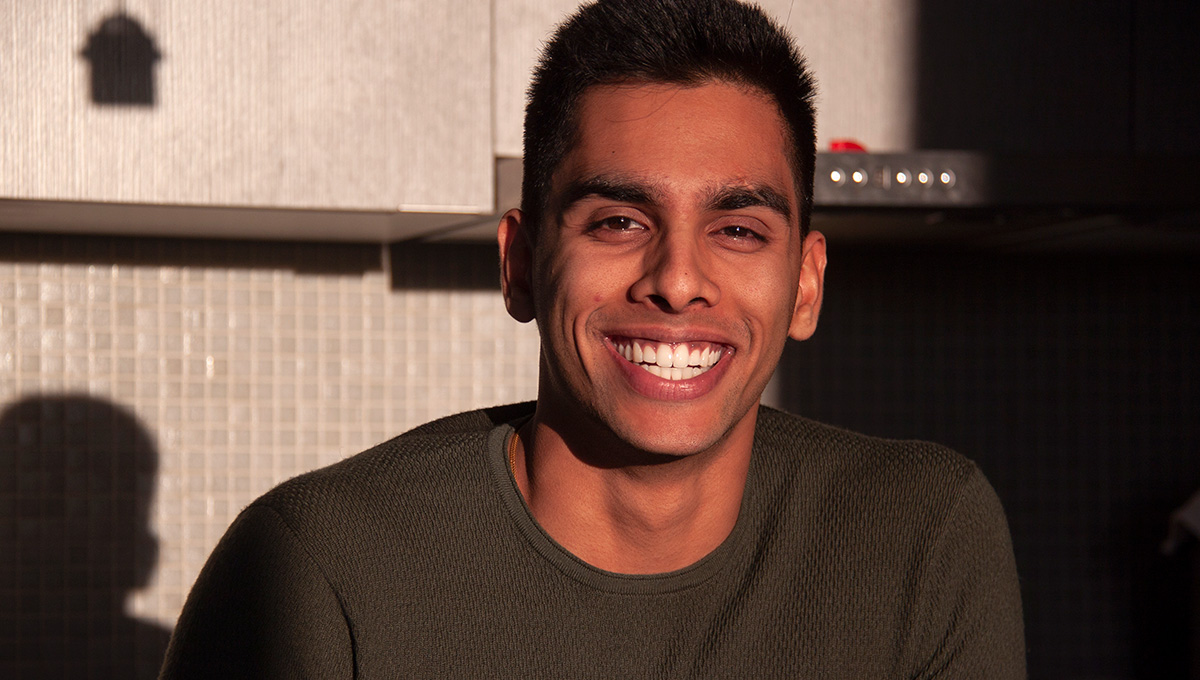
Kashyap Achar Sent 1,523 Cold Emails. Then a Football in Central Park Changed the Plot.
The Bezel founder’s career is a study in useful motion: ship the small thing, follow the signal, change the product, and keep asking strangers to play catch.

Connor Waslo Is Teaching AI the Fine Art of Leaving You Alone
The Caddy co-founder went from coding through class to cutting a polished feature. His current product thesis is disarmingly simple: a useful assistant knows when to act, when to ask and when to keep quiet.

Andriy Mulyar Is Teaching AI to Read the Blueprints
The Nomic founder went from clinical language models to open-source AI on a laptop. Now he is narrowing the map, building agents that can navigate the drawings, specifications and institutional memory behind the physical world.
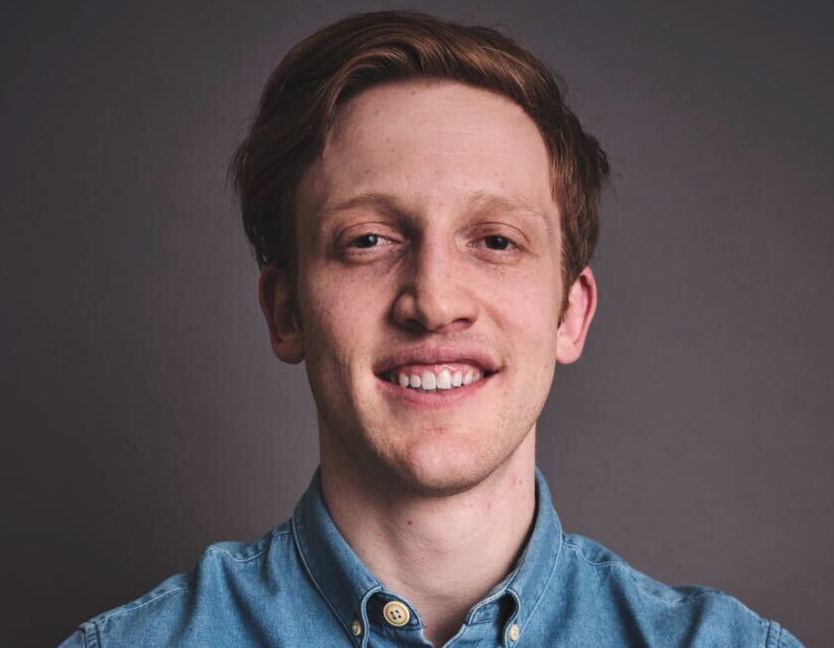
Brice Gumpel Found a Business in the Empty Chairs
A college food account taught Brice Gumpel what restaurant owners fear after the dinner rush. He turned the empty table into a product, then had to reinvent that product when every dining room closed.