manufacturing-ai
(13)
Philippe Adam Wants the Factory to Speak Before It Spends
An engineer by education and a marketer by trade, Philippe Adam has spent his career translating complex software into decisions people can actually use. At aPriori, his argument is simple: cost, carbon and manufacturability belong in the room while a product is still being designed.
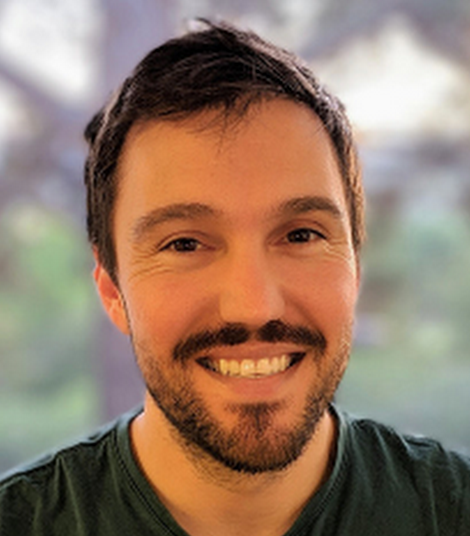
Eric Danziger Is Teaching Factories to See Before Robots Learn to Act
After the Army, Carnegie Mellon and a front-row seat to self-driving hype, the Invisible AI co-founder chose a harder, quieter mission: give factory floors a memory.
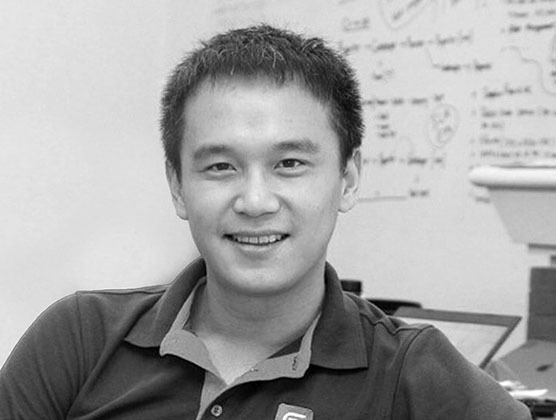
Aswin Andrison Keeps Following the Work Software Forgot
He delivered rice in Uber cars, rebuilt after a pandemic shutdown, and turned from restaurant storerooms to factory workstations. Across three startups, Aswin Andrison has kept asking the same practical question: where does work still hurt?
Justin So Is Putting the Factory Manual Inside a Text Thread
After watching answers vanish into binders, software silos and veteran operators' heads, Justin So built Sidekick around the one interface every shift already understands: a message.
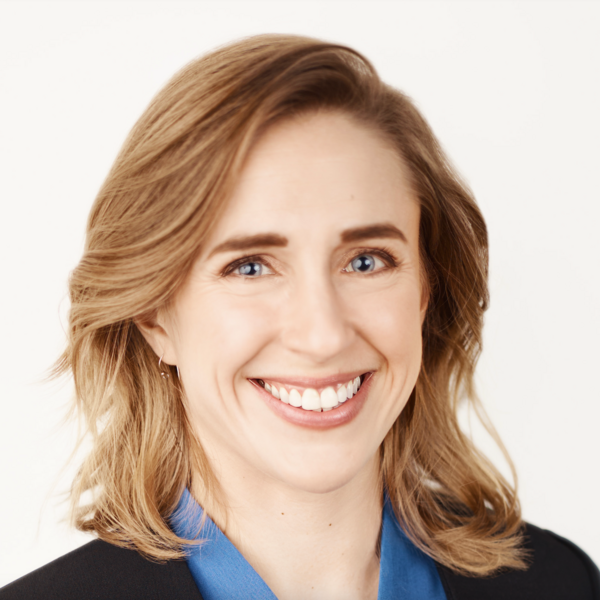
Lauren Dunford Is Teaching Old Machines to Tell the Truth
Her company began with an energy thesis in Kenya. The breakthrough came when factory teams showed her that the same electrical heartbeat could reveal something more urgent: where production was getting lost.
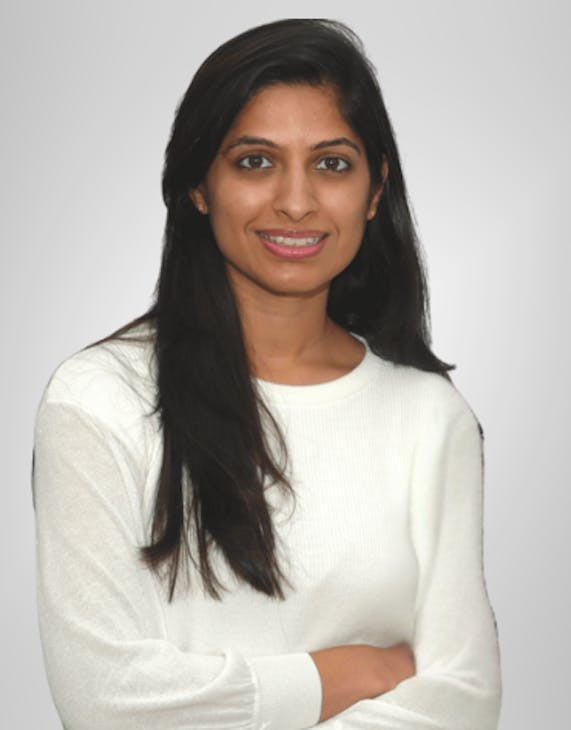
Akanksha Jagwani Is Teaching Chip Factories to See Trouble Coming
The SixSense co-founder turned a stubborn factory bottleneck into an AI system that helps engineers catch defects early, recover yield, and learn from every wafer.
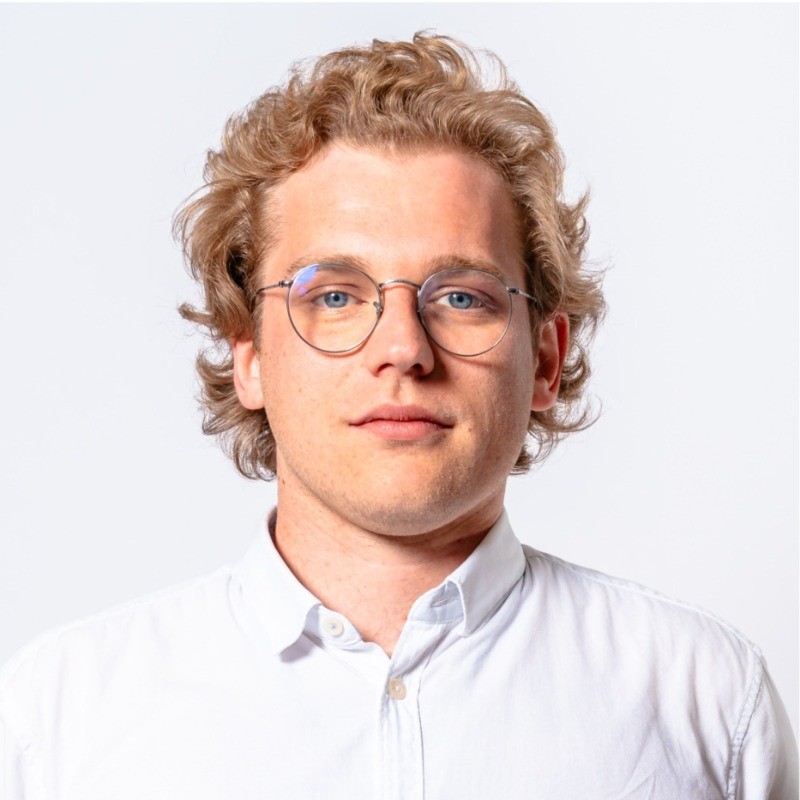
Tim Zinkl
Tim Zinkl is the CEO and co-founder of Pairio (YC P26), an AI mobile app that helps factory technicians fix broken machines faster. Raised across Brazil, Spain, and China and schooled in the UK and Germany, he built an events business in college, was an early employee at battery-recycling startup tozero, and teamed up with engineer Matthias Wolf - whom he met at a Technical University of Munich entrepreneurship scholarship - to attack the expensive, everyday problem of machine downtime on the factory floor.
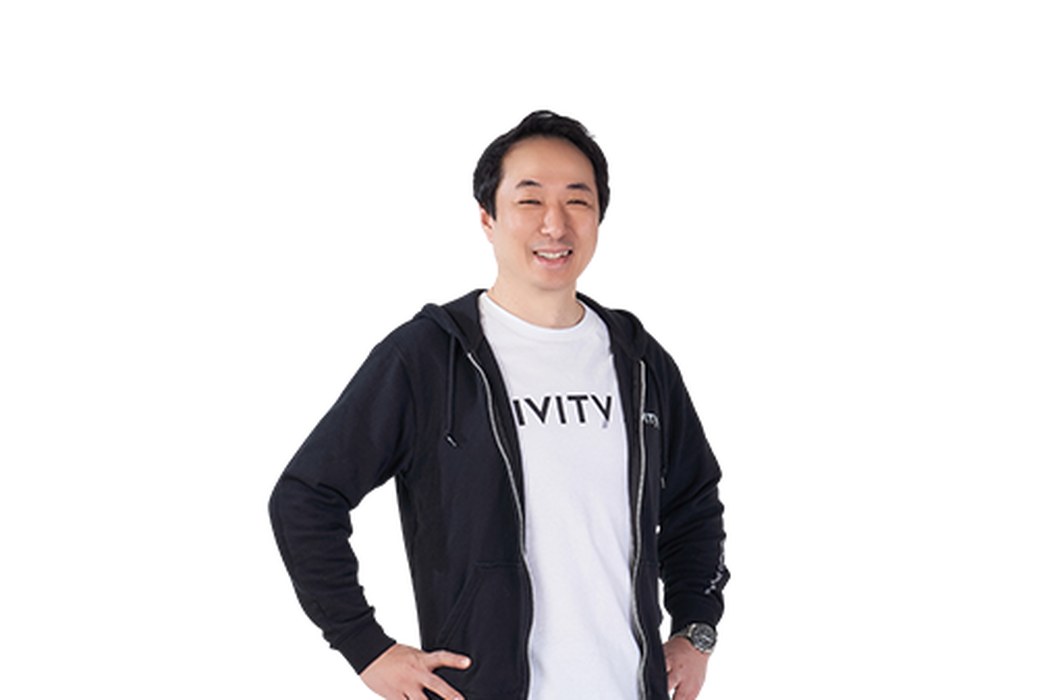
Yu-Sung Chang
Yu-Sung Chang is the co-founder, CEO and CTO of Vivity AI, an industrial AI company building software for heavy industries like petrochemicals, shipbuilding and manufacturing. A computer scientist with a Ph.D. from Stony Brook University, he spent years at Wolfram Research working on Mathematica's graphics and geometry systems before moving into e-commerce technology leadership as CTO of Korea's SSG.COM and co-founding the healthcare AI startup Huma.AI. In 2022 he founded Vivity AI, which raised roughly $8.4M in a round backed by Hanwha Systems, to close the gap between the physical and digital worlds on the factory floor.
Michael Chang
Michael Chang is the founder and CEO of Synergies Intelligent Systems, a Cambridge, Massachusetts company building JarviX, a no-code augmented analytics platform that lets factory workers and executives 'talk to their data' in plain language. An MIT-trained PhD in electrical engineering and computer science, he pivoted from optics, machine vision and computational biology research into the messy world of manufacturing data, spending years inside Foxconn where his analytics work reportedly saved a Shenzhen factory around $20 million. In 2022 he raised a $12 million Series A led by NGP Capital to bring conversational, AI-driven decision-making to legacy industries.
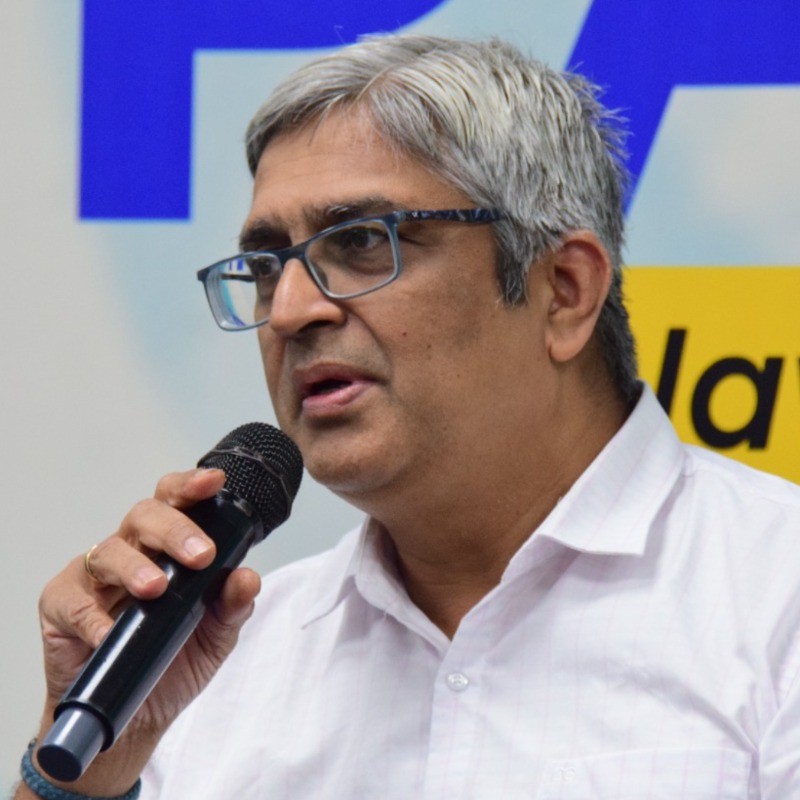
Gopalakrishna Kuppuswamy
Gopalakrishna Kuppuswamy is Co-Founder and CTO of Cognida.ai, an enterprise AI company headquartered in Sunnyvale, California, that raised a $15M Series A from Nexus Venture Partners in February 2025. With 30+ years in technology - starting at CMC Limited in 1994 and spending a decade as VP at Hitachi Vantara - he now leads the engineering behind Zunō, Cognida's agentic AI platform that cuts enterprise AI deployment timelines from 6-8 months down to 10-12 weeks. Based in Hyderabad, he holds master's degrees from both the University of Hyderabad and the University of Illinois Urbana-Champaign, and has helped grow Cognida.ai to 250+ employees and $37.7M ARR.
Anna-Katrina Shedletsky
Anna-Katrina Shedletsky is the CEO and co-founder of Instrumental Inc., a Palo Alto-based AI manufacturing software company she founded in 2015 after six years at Apple—where she spent 300+ days in Chinese factories debugging manufacturing issues for the iPod and led product design for the original Apple Watch. At Instrumental, she is converting those factory-floor battle scars into software that uses AI and cameras to find defects and eliminate waste on electronics assembly lines, with customers including Cisco, Honeywell, Bose, Meta, and Lenovo. The company has raised $80.3M in total funding and was named Fast Company's #2 Most Innovative Manufacturing Company in 2021. She also founded the Women in STEM Mentorship Program (WISMP) at Stanford in 2013, which now spans multiple universities.
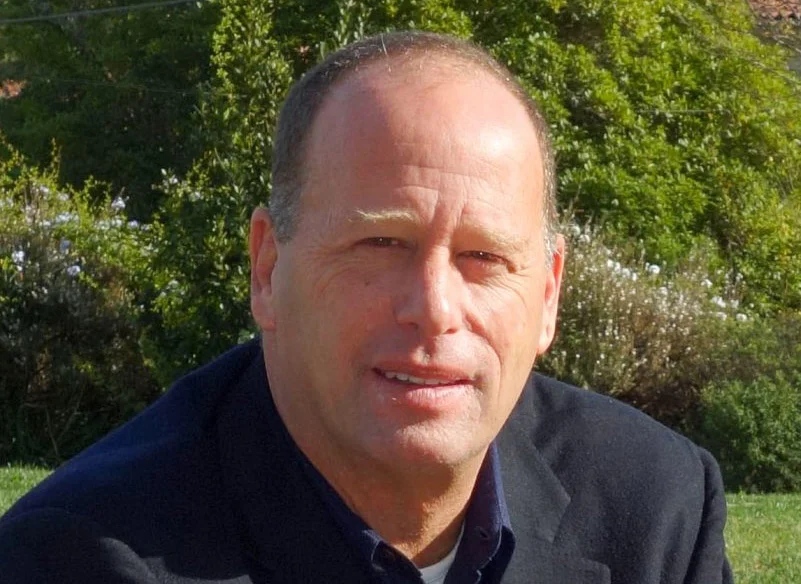
Jon Sobel
Jon Sobel is the co-founder and CEO of Sight Machine, the industrial AI company he built from scratch in 2011 after a career spanning the law departments of Yahoo and Tesla and executive roles at CBS Digital and SourceForge. A Princeton and Wharton graduate who also holds a Michigan law degree, Sobel spent over a decade as one of Silicon Valley's most senior in-house lawyers before betting his career on a hunch: that factory floors, drowning in data they could not use, were the biggest missed opportunity in enterprise software. Sight Machine has since raised over $124M, operates in 20+ industries across 20+ countries, and in 2025 closed an equity investment from NVIDIA's venture arm — proving that a former general counsel with a journalism fellowship can, in fact, build a category-defining AI company.
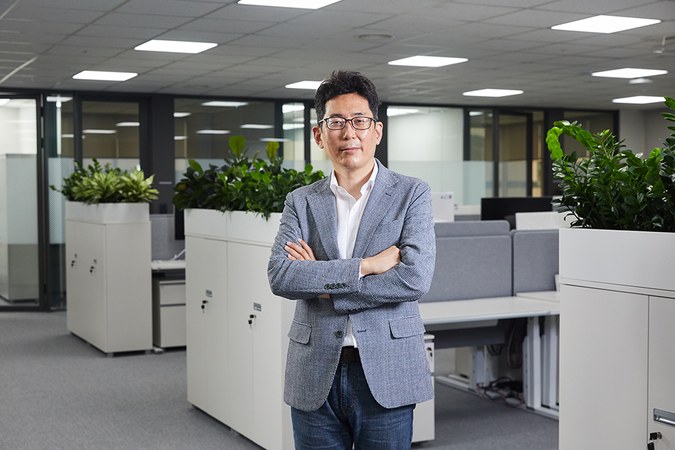
Mike Young-Han Kim
Mike Young-Han Kim is the founding CEO of Gauss Labs, a Palo Alto-based industrial AI startup revolutionizing semiconductor manufacturing. An 11th-generation academic descendant of Carl Friedrich Gauss, he holds a PhD in Electrical Engineering from Stanford along with dual master's degrees in EE and Statistics. Before founding Gauss Labs in 2020, he was a tenured IEEE Fellow professor at UC San Diego and the inaugural recipient of the James L. Massey Research & Teaching Award. Backed by $55M from SK hynix, his company's Panoptes VM platform now inspects over 50 million wafers at SK hynix facilities - at one wafer per second - reducing process variability by 29%.