los-angeles-founder
(17)
Mikayel Abramyan Built His Career in a Twelve-Mile Circle
He grew up in Hollywood, left California to become a doctor, then returned to practice close to home. Two decades later, Mikayel Abramyan is extending that neighborhood career into a founder's experiment in practical family wellness.
Five Yeses Before a Single Line of Code
Malte Kramer sold the promise first, then built the product. A decade later, the former college forward is still running the same play: watch closely, test early, and make technology earn its place.
Chris Power’s Bet on the Factory Before the Order
The Australian software operator arrived in America with a theory about industrial decline. Six years later, his factories are built around a more unnerving idea: in manufacturing, belief must become capacity before the customer signs.
Will Kain Is Teaching Carbon Capture to Make Water
After Wall Street, biofuels and desalination, the Avnos founder arrived at a stubborn climate problem with an unorthodox demand: carbon removal should give something back.
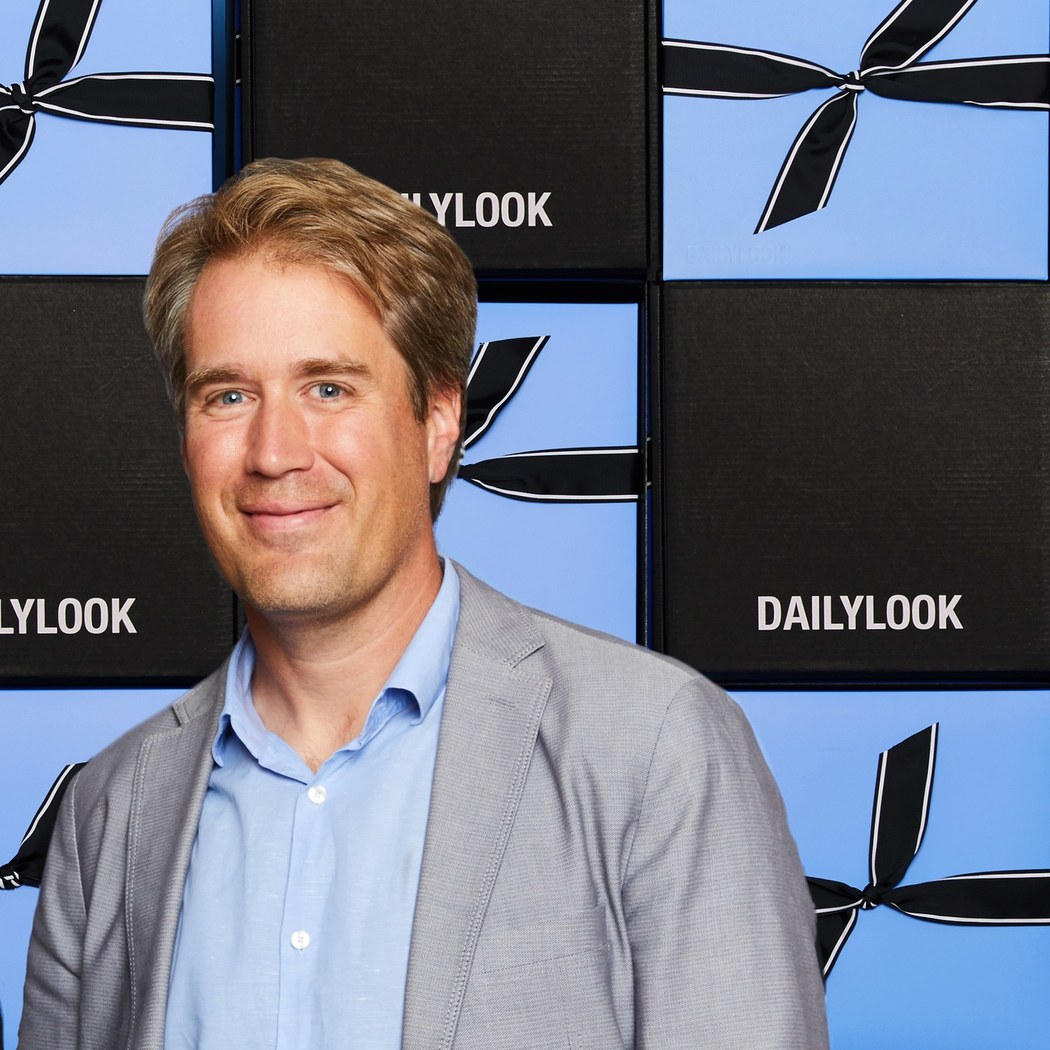
Eric Marston Built for the Long Straight
He spent years engineering the invisible machinery behind a box of clothes. Then the Ohio farm boy who once lived on ramen drove a Ferrari championship all the way to Imola.
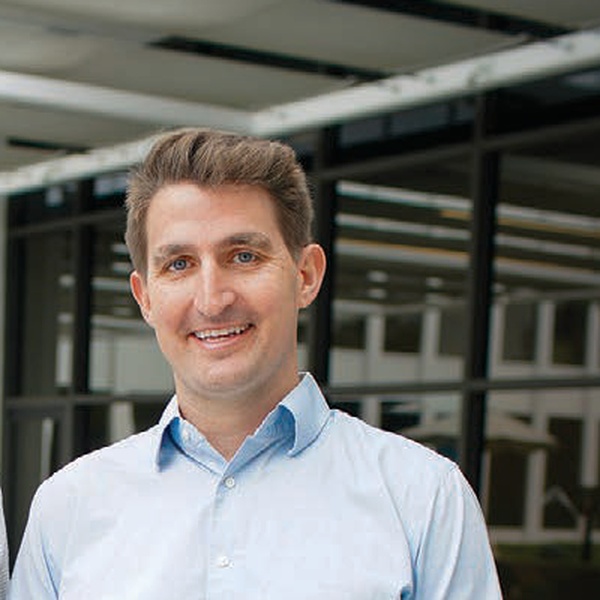
Caleb Morse and the Cost of Saying Yes
A crying cat in a Santa Monica alley presented Caleb Morse with a $4,500 question. His answer became Scratch Financial - and a career spent making an urgent payment a little easier to face.
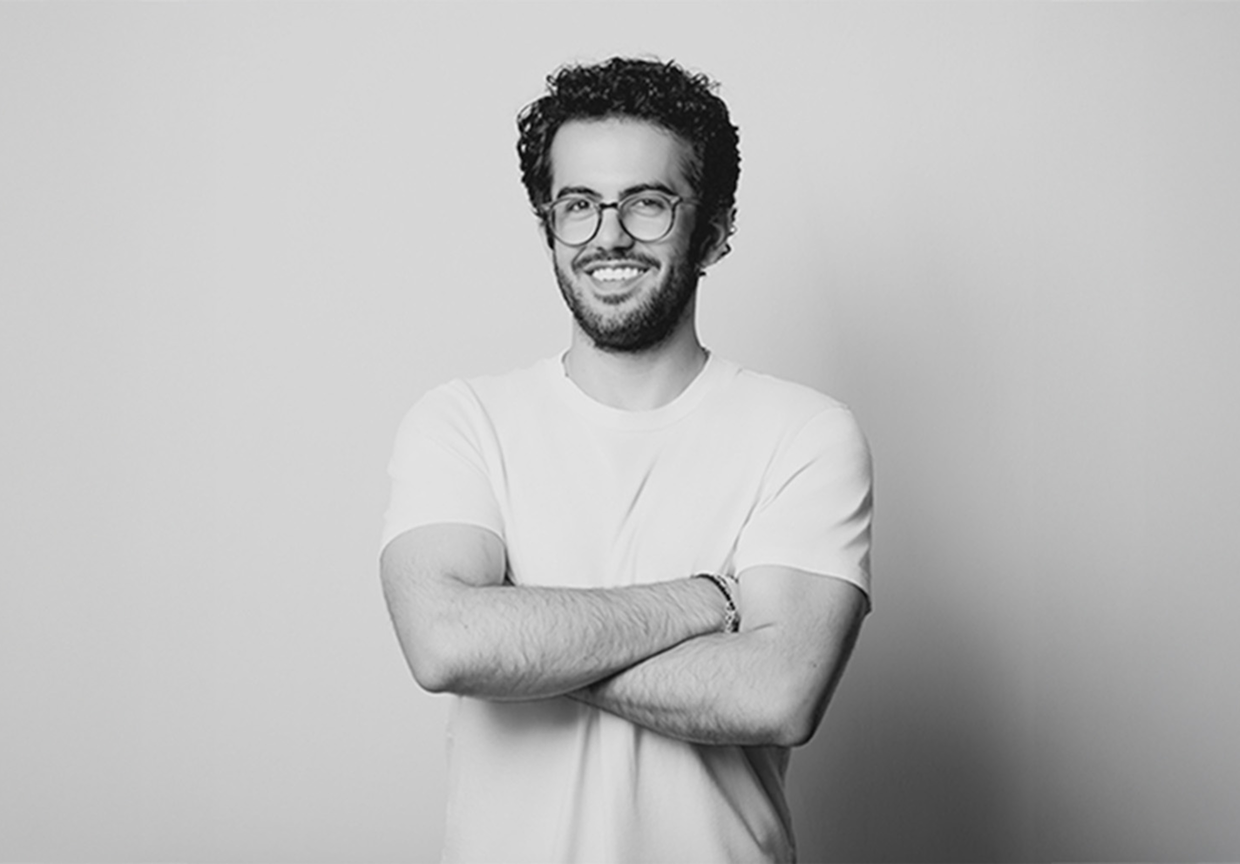
Brandon Veiseh Is Building Security That Doesn’t Wait for the Audit
After years turning security research into products, Brandon Veiseh is betting that the next useful security teammate will be an agent that tests continuously, proves what it finds, and hands engineers a fix.

David Bae Went Looking for a Heater and Found a Construction Company
A six-week dorm repair sent the former student advocate into construction's paper maze. Now FlowManual is trying to catch the costly line before a contractor signs it.
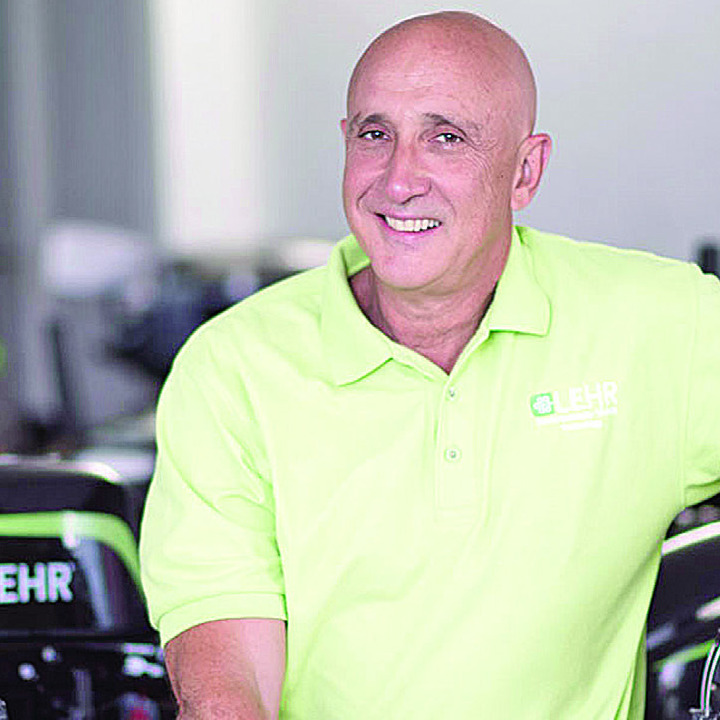
Bernardo Herzer learned propane at sea. Then he brought it ashore.
A broken marine engine, a green-painted Culver City workshop and a stubborn question: what if small machines did not need gasoline at all?
Andrew Watson Wants to Get a Million Dollars Off the Shelf
The Happy Cabbage founder left billion-dollar spreadsheets for dispensary back rooms. His current obsession is simple to state and difficult to solve: turn dusty inventory into cash without leaving customers empty-handed.
Seungjoon Lee Spent a Decade Learning How Close a Concert Can Get
The AMAZE co-founder began with a grand theory about the screen after mobile. Ten years, several pivots and a cinema full of headsets later, the idea that survived is disarmingly simple: put the fan where the expensive seat cannot.
Michael Wasserman Bet That the Next Great Fundraiser Would Be a Creator
A chance holiday fundraiser pulled Michael Wasserman from film sets into philanthropy. His second act became a long experiment in a deceptively simple idea: people give more when giving feels like participation.
Raj Sareen Built a Body Scanner From Webcams - Then Microsoft Called Twice
He trained his eye on distant planets, brought physics into apparel software, and turned a homemade camera rig into Styku. The useful lesson is less about invention than about noticing when the same tool has found a better job.
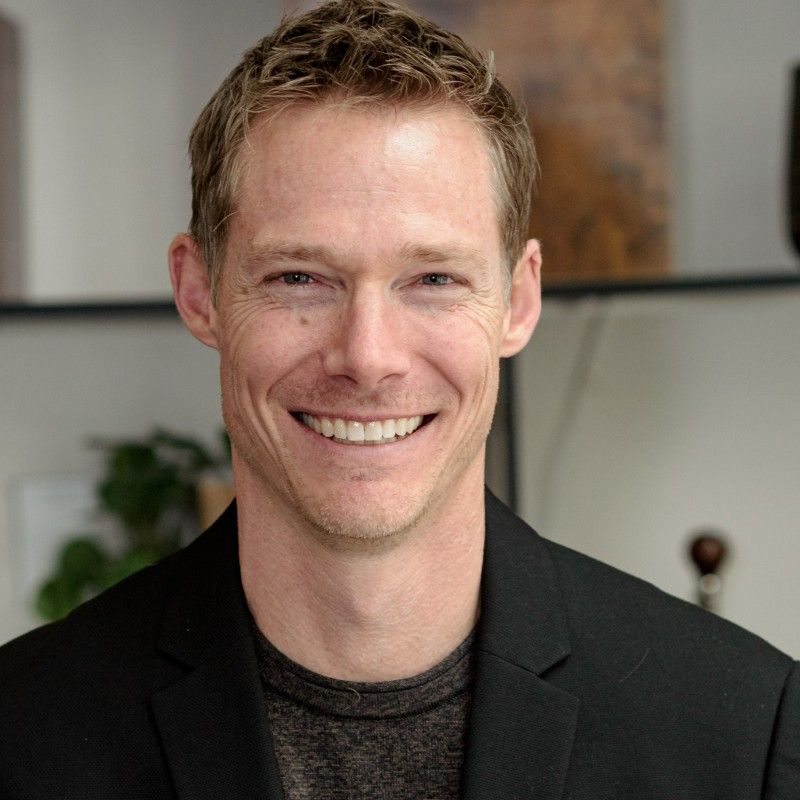
Mike Schrobo Is Giving Every Ad Click a Background Check
After two decades buying digital attention, Mike Schrobo decided the receipt could not be trusted. Fraud Blocker is his attempt to separate customers from bots before bad clicks become bad business decisions.
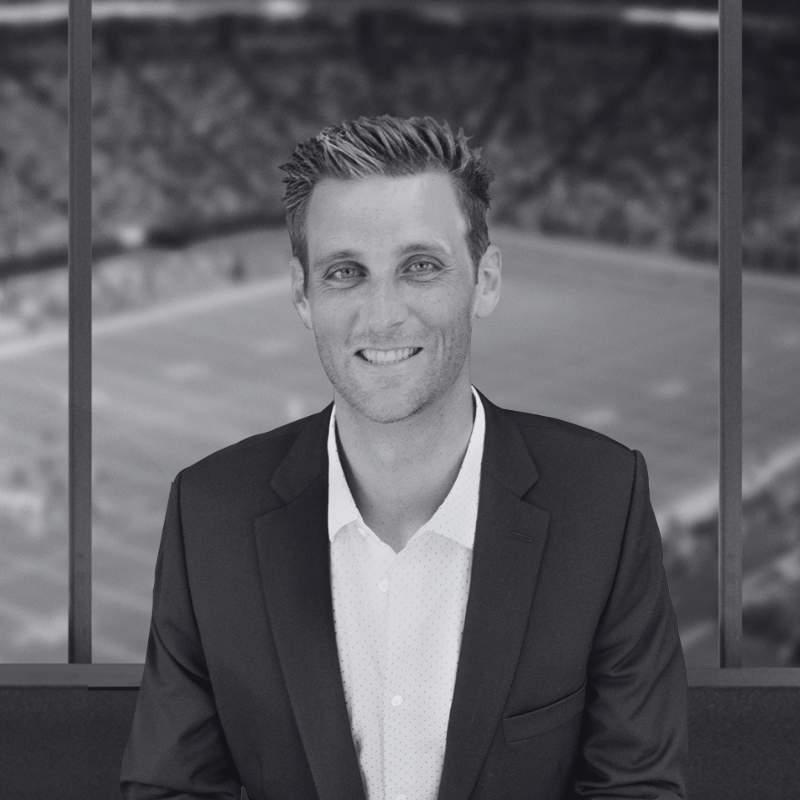
Tony Knopp Found a Business in a Drawer Full of Unused Tickets
A forgotten stack of Mets tickets revealed a costly corporate blind spot. Tony Knopp turned it into TicketManager - then spent nearly two decades learning that the harder system to build was his own leadership.
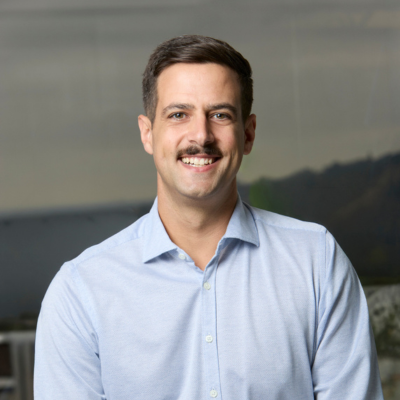
Ben Mones Built a Company Around the Part of a Résumé You Cannot See
A hiring mistake gave Ben Mones an unusually stubborn question: what if the useful signal was already public? Eleven years, an acquisition and a patent later, he is still working on where software should stop and human judgment should begin.
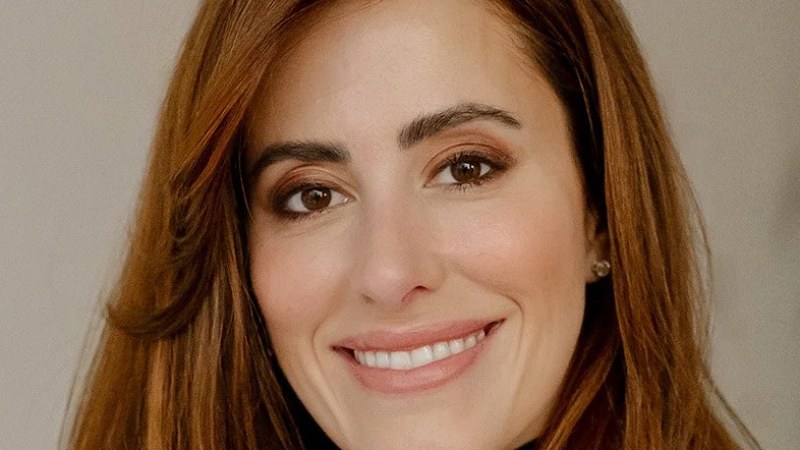
Sarah Oreck
Sarah Oreck is a Columbia-trained reproductive psychiatrist who co-founded and runs Mavida Health, a virtual platform built around a simple, long-ignored idea: women's mental health and their hormones are inseparable. From a private LA practice she scaled a clinical care model across four states - covering PMDD, fertility, pregnancy, postpartum, and menopause - through individual, group, and couples therapy plus medication management. In June 2026 Mavida was acquired by WPS, with Oreck staying on as co-founder.