industrial-marketing
(22)
The Agency That Knows Drywall Has an Audience Problem
For four decades, Stoner Bunting has sold the things behind the things - drywall, ceilings, cabinets, flooring, and other products whose buyers rarely agree on what matters. Its advantage is knowing exactly which person needs which story.
The Marketing Agency That Learned to Drive the Skid Steer
PKA Marketing found a defensible niche in a place most agencies avoid: the job site. Its advantage is not a secret ad format. It is knowing enough about a half-million-dollar machine to ask the next useful question.

The Wedding Invitation That Built a Marketing Agency
Sagefrog began when an engineer hired a designer for his wedding invitations. Two decades later, that accidental pairing - strategy beside craft, measurement beside taste - has become the agency's entire operating idea.
The Strange Business of Making Marketing Pass the Engineer Test
TREW Marketing built an agency around a stubborn fact: engineers do not dislike marketing nearly as much as they dislike marketing that wastes their time. The fix begins before the campaign, with better questions, sharper evidence, and a client willing to do the homework.

Celtic Chicago Learned to Sell the Parts of Business Most People Skip
The Park Ridge agency has made a business of learning the languages most marketers avoid - then turning grain protectants, specialty chemicals and manufacturing systems into stories people can repeat.

The Pasadena Agency That Learned to Sell Rocket Parts, Rural Medicine and a City
Echo-Factory built a 23-person agency around a useful bet: the more technical, regulated or unglamorous the product, the more valuable a clear story becomes.

WOLGroup and the work between a click and a customer
A growth-marketing agency, an industrial sales platform and a sustainability-minded shop sit in WOLGroup’s orbit. Their common problem: helping a good product find its next buyer.

Ani Adzhemyan Makes the Invisible Infrastructure Interesting
After 19 years marketing industrial technology across four regions, Ani Adzhemyan has arrived at a wonderfully difficult brief: make utility-pole data matter before anybody notices the pole.

Frank Bryant Sells the Complicated Without Making It Complicated
From industrial clean-air systems to workplace coaching software, Frank Bryant has built a career translating products that require explanation into stories people can act on.

Paul Harmon Makes the Invisible Materials Economy Legible
From software support to the C-suite, Paul Harmon's career is a study in translating complexity - turning fibers, films, customer needs and sustainability targets into decisions people can act on.

Philippe Boulanger Is Selling Steel's Second Life
At ArcelorMittal Long Products Canada, a former plant leader has a marketing problem measured in furnaces, freight and carbon. Philippe Boulanger's answer begins with customers - and with the idea that old steel can become new infrastructure.

Laura Norup-Boyer Knows When Marketing Should Move Slowly
After two decades around technical buyers, trade shows and industrial brands, Laura Norup-Boyer has learned that sound transformation often begins by protecting what already works.
SitePartners Bet the Agency on One Unfashionable Niche - Then Built a Studio Big Enough for Industry
Most agencies want a wider client list. SitePartners chose hard hats, remote job sites and one narrow market - then used specialization to turn industrial marketing into a repeatable growth machine.
The 128-Year-Old Search Engine Manufacturers Still Use to Find Each Other
Thomas survived the death of its 34-volume directory by keeping the hard part - trusted industrial data - and changing the container. Its second act offers a practical lesson for any niche marketplace: own the taxonomy, earn buyer intent, then sell suppliers the tools to be chosen.

Bryan Brandt's Quiet Work of Making a Truck Maker Read Like a Technology Company
At Oshkosh Corporation, Bryan Brandt has spent years translating fire trucks, boom lifts and military vehicles into one coherent story about technology, culture and the people who do difficult work.
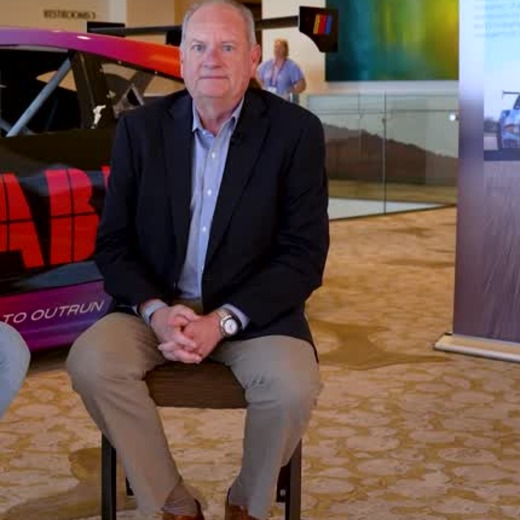
Norm Sowards Has Spent a Career Making Invisible Infrastructure Matter
From circuit breakers and predictive maintenance to NASCAR and the next generation of electricians, the ABB executive's work turns technical systems into stories people can use.

Rick Sebok Makes People Believe in Steel
The marketing chief at North America's largest independent steel pipe and tube maker took an industry most people never think about and gave it a rally cry.
Ronald Henry
A marketing chief inside a 130-year-old industrial name, working out of the Ohio city where powered flight was invented.

Holly Semerad
Across nearly three decades at 3M, Holly Semerad built a marketing career by moving through the machinery behind the message - sales, people, transformation, digital channels and customer operations.

Shelby Pixley
From a 1990 sales desk at Bethlehem Steel to ArcelorMittal North America’s marketing office, Shelby Pixley’s career traces the consolidation, complexity and customer logic of modern American steel.

Shonodeep Modak
A chemical engineer learned to sell the value behind the machinery. Now Shonodeep Modak is applying the same customer-first discipline to AI, energy management and the changing architecture of a global marketing team.

Samuel Bottum
Samuel Bottum built a marketing career around a practical idea: a durable brand begins with the people who know the work. At Snap-on, that has meant linking product innovation, customer insight and technical education across one unusually varied career.