indoor-farming
(14)
Oren Falkowitz and the distance between a problem and its solution
He helped build Area 1 Security around stopping phishing before it reached the inbox. Now Oren Falkowitz is bringing farms closer to the people who eat what they grow.
The Robot Could Lift the Lettuce. Could the Business?
Iron Ox taught machines to ferry a thousand pounds of greens through sunlit greenhouses. Then the company discovered that farming has a harder engineering problem: making the numbers add up.
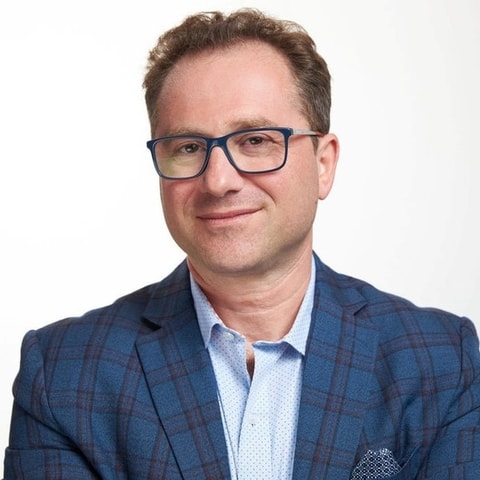
Mike Zelkind Tried to Take the Weather Out of Farming
He built a farm like a factory, betting that software, sensors and stubborn operational discipline could shorten the distance between a seed and a salad. The experiment scaled across America - and ended by exposing the brutal economics beneath agriculture's most controlled environment.
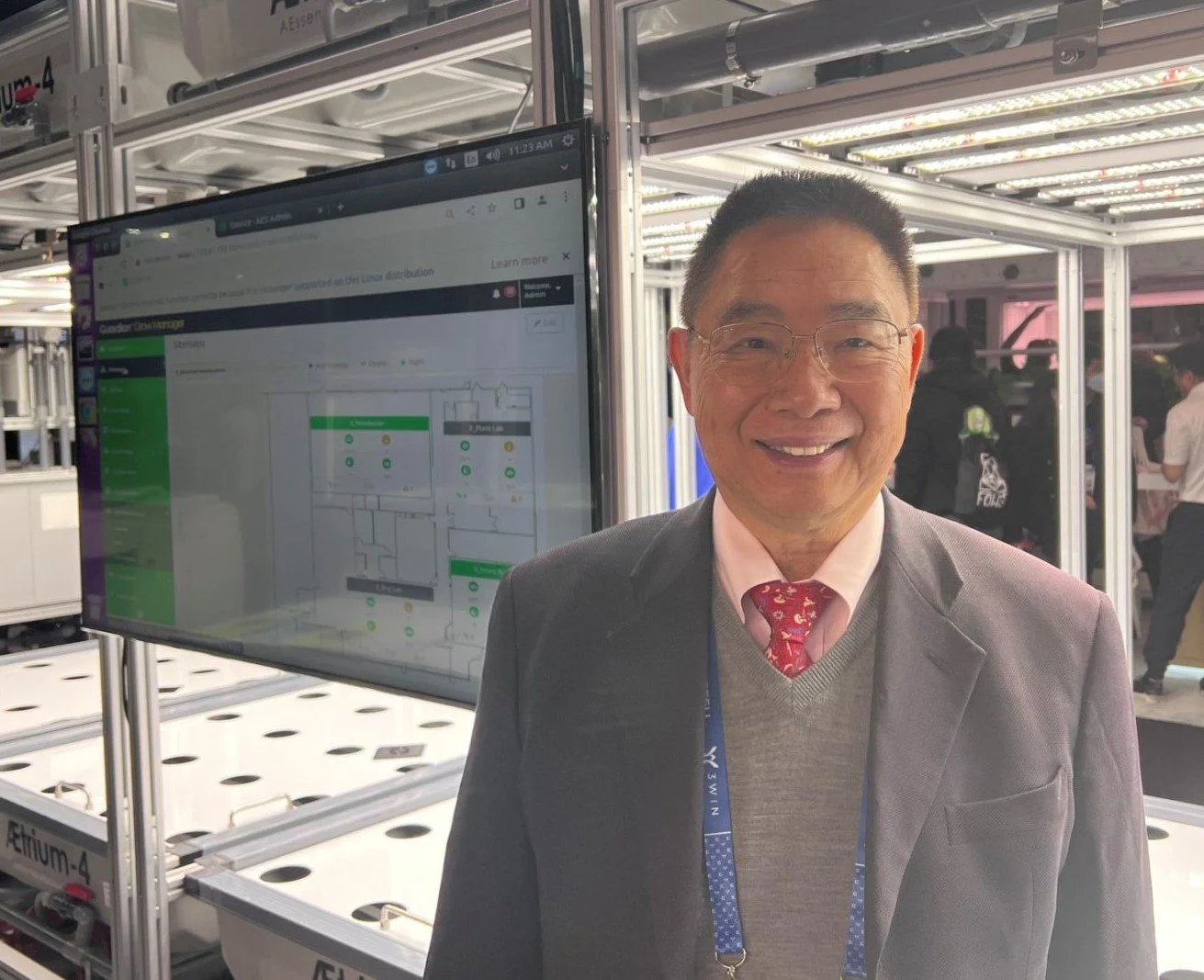
Robert Chen Has Spent 45 Years Teaching Machines to Pay Attention. Now They’re Watching Plants.
The AEssenseGrows founder built his career around sensors, software and machines that notice what people cannot. His latest bet puts that same discipline to work in the root zone.
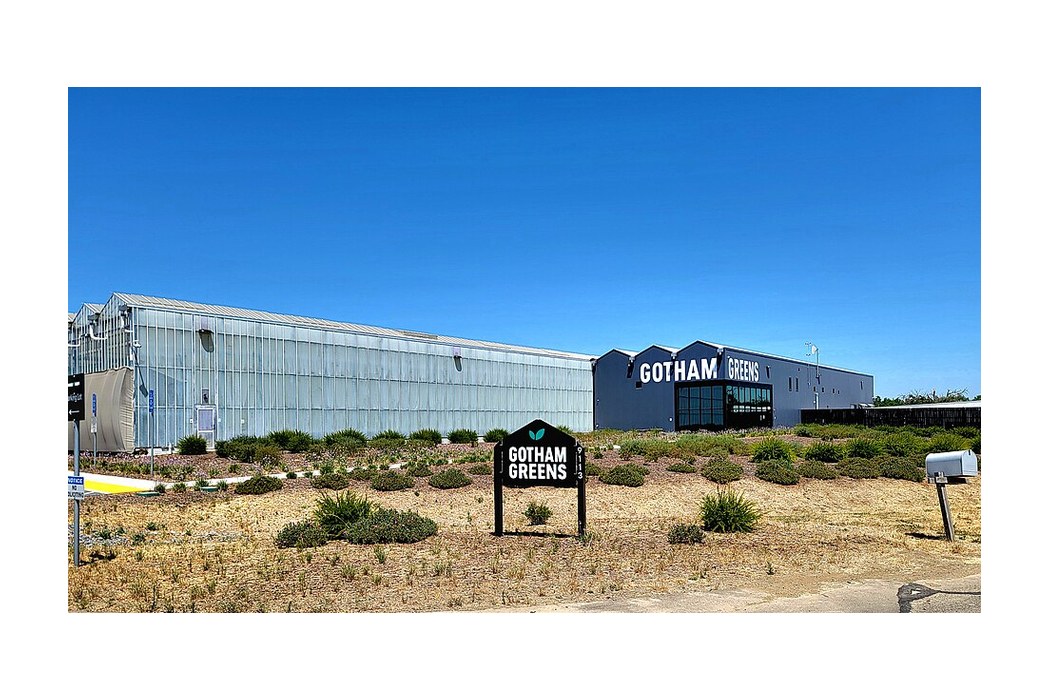
Gotham Greens
Gotham Greens is a Brooklyn-born indoor farming and fresh food company that grows pesticide-free leafy greens and herbs year-round in a national network of high-tech hydroponic greenhouses. Founded in 2009, it opened the first commercial rooftop greenhouse in the United States and has since scaled to more than a dozen facilities across nine states, producing roughly 100 million heads of lettuce a year using up to 90% less water and 97% less land than conventional field farming. Beyond greens, the company sells branded salad kits, dressings, dips and cooking sauces to more than 6,500 retail, restaurant and foodservice locations nationwide.

AEssenseGrows
AEssenseGrows is a Silicon Valley precision AgTech company that builds automated aeroponic 'SmartFarm' platforms for commercial indoor growers. Founded in 2014 by Robert Chen, the company pairs its AEtrium aeroponic hardware with Guardian Grow Manager software and Aerix LED lighting to deliver zero-pesticide, sensor-controlled cultivation - claiming up to 40% faster plant growth and repeatable, data-logged 'grow recipes' for cannabis and fresh-produce producers worldwide.
Pierre-Antoine Mariage
Pierre-Antoine Mariage is the founder and CEO of Botalys, a Belgian agtech company that grows rare medicinal plants like Korean ginseng and Fjord Rhodiola indoors using a proprietary hydroponic technology, supplying ultra-pure botanical ingredients to the nutraceutical, cosmetic and pharmaceutical industries.

Hippo Harvest
Hippo Harvest is a California controlled-environment agriculture company that grows USDA-certified organic leafy greens inside greenhouses run by warehouse-style robots and machine learning. Founded by two veterans of the ROS robotics world, it repurposes Amazon-fulfillment-style autonomous mobile robots as 'tractors' that deliver water and nutrients plant-by-plant, claiming greens grown with roughly 92% less water, 55% less fertilizer and 94% less land than field agriculture - at prices meant to match outdoor-grown produce.

HarvestAi
HarvestAi is a Potsdam-based agritech company that builds AI software for high-tech greenhouses. Its web platform combines computer vision, machine learning and plant-physiology modeling to predict crop growth, harvest dates and yields, giving greenhouse operators forecasts that its team says exceed 90% accuracy. Growers use it to negotiate sales earlier, plan labor and logistics, and cut waste and energy costs. Founded in 2020 and led by CEO Dr. Georg Caspary, the company has raised roughly EUR 2.97M in seed funding and won first prize in Food/Agritech at Slush.
Alex Tyink
Alex Tyink is the founder and CEO of Fork Farms, a Green Bay, Wisconsin food-access technology company behind the Flex Farm, a mobile indoor hydroponic system that grows up to 25 pounds of leafy greens a month in nine square feet. A trained opera singer from Appleton who studied voice at Northwestern, he traded a New York vocal-performance career for urban farming after volunteering at a Brooklyn rooftop garden in 2010. Fork Farms now works with more than 5,000 schools, hospitals, food pantries and companies across all 50 states and dozens of countries, and closed a $2 million Series A in 2021.
Georg Caspary
Georg Caspary is the founder and CEO of HarvestAi, a Potsdam-based deeptech company that uses machine learning and computer vision to forecast harvest dates and yields in commercial greenhouses growing tomatoes, peppers and strawberries. A former World Bank economist and fundraising lead with degrees from Oxford, the LSE, Sciences-Po Paris and MIT, he spent two decades on environmental and agricultural finance across more than 20 countries before turning his attention to the unglamorous but high-stakes problem of knowing exactly how many tomatoes a greenhouse will produce, and when. HarvestAi has raised over $3 million, won first prize in Food/Agritech at Slush, and runs pilots in Germany, the Netherlands and Canada.

Oishii
Oishii is an American vertical farming company that grows premium, pesticide-free, Non-GMO strawberries indoors year-round. Founded in 2016 by Hiroki Koga and Brendan Somerville, it recreates the climate of Japan's strawberry-growing regions inside automated 'Smart Farms' to produce its flagship Omakase Berry, the Koyo Berry, the Nikko Berry, and the Rubi Tomato. Headquartered in Jersey City, New Jersey, Oishii operates what it calls the world's largest indoor vertical strawberry farm and sells through Whole Foods and direct delivery across the Northeast and beyond.

Hiroki Koga
Hiroki Koga is the co-founder and CEO of Oishii, the New Jersey company that grows the Omakase Berry inside the world's largest indoor vertical strawberry farm. A Tokyo native who watched Japan's vertical-farming boom collapse a decade before he built his own, Koga bet on a fruit nobody else would touch - strawberries - because they were the hardest crop to grow at scale and the only one with the economics to matter. By recreating the climate of the Japanese Alps indoors and getting bees to pollinate at over 90% success, Oishii became the only player to produce pollinated fruit commercially, pesticide-free and year-round.

Fork Farms
Fork Farms is a mission-first agriculture technology company in Green Bay, Wisconsin that builds self-contained indoor vertical hydroponic systems - led by the Flex Farm - paired with a digital platform (Farmative) and K-12 curriculum. Its technology lets schools, hospitals, nonprofits, food pantries, businesses and homes grow hundreds of pounds of fresh produce per year on-site using a fraction of the water and land of conventional agriculture, turning food access into something anyone can do indoors.