human-computer-interaction
(17)
Frederick Kim Put the Dream Machine in a Spreadsheet
Before helping build Handshake AI, Frederick Kim turned the humble spreadsheet into a studio for exploring generative images. His quiet through-line is simple: powerful systems become useful when people can see what they are doing.
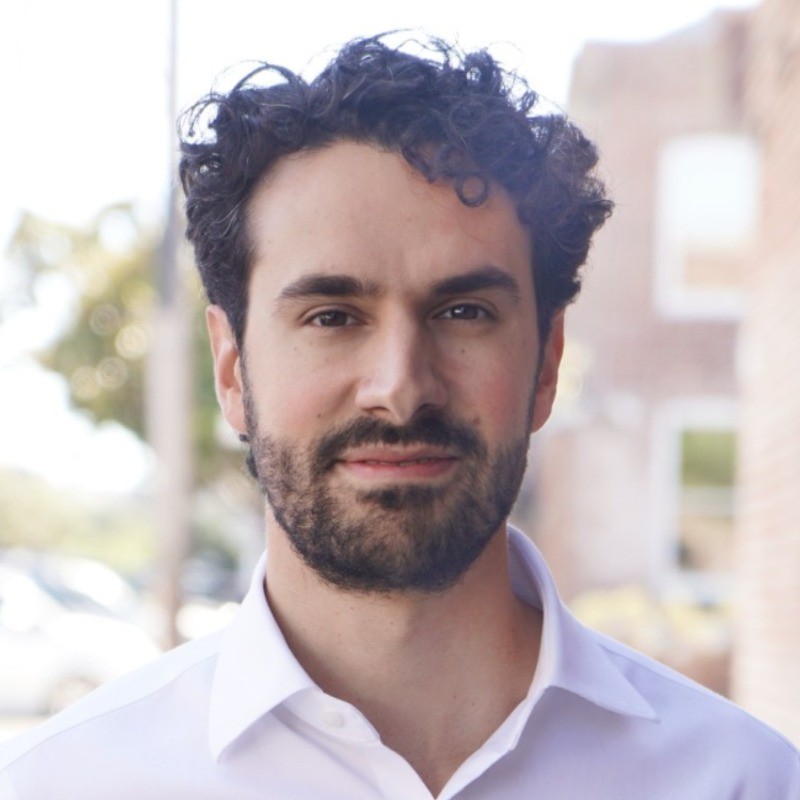
Lucas Ochoa Is Teaching Software to Watch, Learn and Get to Work
Before Lucas Ochoa built agents that click through office software, he designed wallets, robotic hands and expressive machines. Now the Automat CEO is betting that the future of enterprise AI will be won in the least glamorous corner of work: the stubborn space between one screen and the next.

Quentin Romero Lauro Is Folding the IDE Into the Browser
Before his browser became an IDE, Quentin Romero Lauro spent years watching people negotiate with software - Pittsburgh entrepreneurs, AI engineers, and front-end developers included. Now those observations are converging in one small San Francisco company.

The Grid Has a User Interface. Michael Legatt Wants It to Remember the Human.
A quarter-fed dryer, a continent-scale blackout and two doctorates led Michael Legatt to a stubborn idea: the safest power grid is designed around the people watching it.

Ivan Poupyrev Is Teaching Machines to Read the World Beneath the Screen
For three decades, Ivan Poupyrev has kept asking the same practical question: how can computing escape the glass rectangle? At Archetype AI, his answer begins with the signals already humming through factories, streets, clothes, and machines.

Jakub Jurovych Is Turning the Notebook Into a Place Where Humans and AI Work Together
A three-sentence email took Jakub Jurovych to Firefox. A decade later, the Deepnote founder is still building for builders - this time betting that the humble data notebook can become the shared memory of an AI-powered company.
Transhuman Inc.
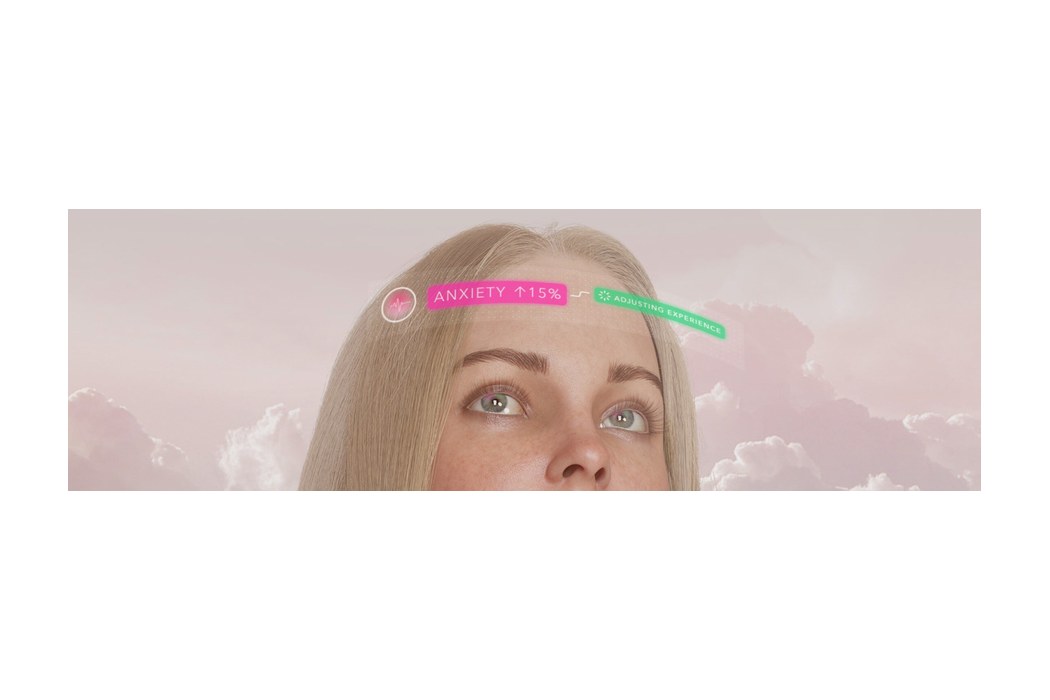
Transhuman Inc. is a mental health and emotionAI research and development company founded in 2014 by Amanda Johnstone and Dr. Roy Sugarman. Best known for its free peer-support check-in app Be A Looper, which operated in 87 countries, the company builds proprietary EmotionAI technologies at the intersection of artificial intelligence, the Internet of Bodies (IoB), and human emotion. Its focus is on suicide prevention, emotional communication, and human-to-computer relationships.

Blink Technologies, Inc.
Blink Technologies builds software-only eye-tracking and gaze-estimation technology that runs on the ordinary RGB cameras already in phones, laptops, cars, kiosks and CCTV - no special hardware, headset or dedicated sensor required. Using proprietary deep-learning models, Blink turns any camera-equipped device into a gaze-aware interface for touchless control, ad and retail analytics, driver-attention monitoring, authentication and 3D displays. Founded in 2018 with headquarters in Palo Alto and R&D in Haifa, Israel, the company raised a $14M Series A in 2021, bringing total funding to about $24M.

Sonera
Sonera (Sonera Magnetics) is a Berkeley, California deep-tech company building chip-scale magnetic field sensors that read the body's own biomagnetic signals without touching the skin. Its flagship S1 chip performs magnetic muscle sensing (magnetomyography) at room temperature and in wearable form factors, aiming to make neural and neuromuscular data as easy to capture as a heart rate. Applications range from silent-speech interfaces in earbuds and glasses to gesture control for XR, plus clinical uses like portable brain imaging and neurodegenerative biomarker tracking. Spun out of UC Berkeley research and backed by an $11M seed round, Sonera is turning a lab-grade magnetics breakthrough into a scalable sensing platform.
Birago Jones
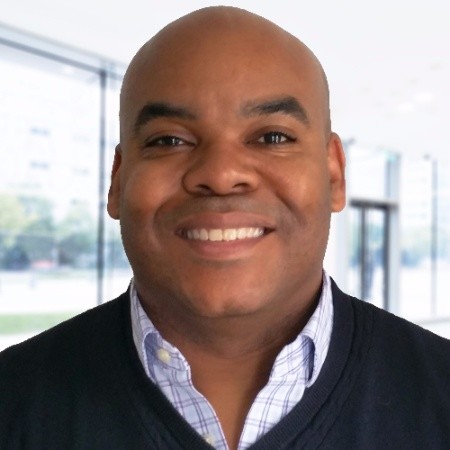
Birago Jones is the co-founder and CEO of Pienso, a no-code AI platform that lets subject-matter experts train, fine-tune and deploy their own machine learning models without writing code. Born out of research he and Karthik Dinakar did at the MIT Media Lab on cyberbullying detection, Pienso is built on a simple conviction: the people who understand the data best, not just the engineers, should build the models. His customers now include the US government and Sky, the UK's largest broadcaster, which used Pienso to process half a million customer calls a day.
Phoebe Yao
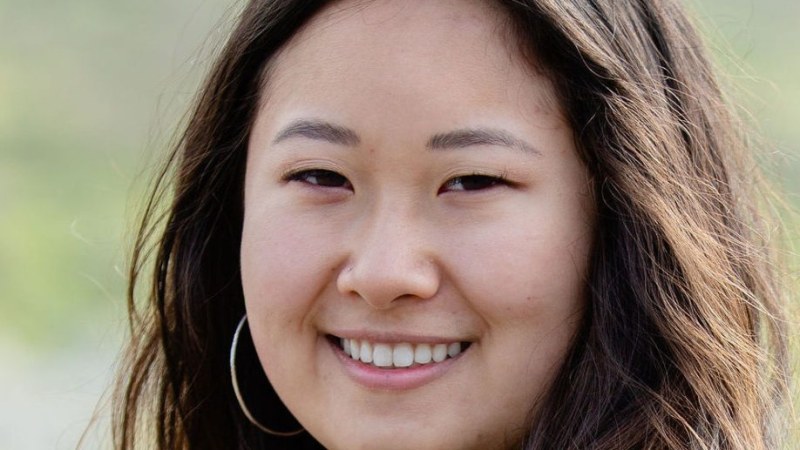
Phoebe Yao is the founder and CEO of Pareto.AI, a talent-first human data platform that recruits and trains the top sliver of expert labelers to produce high-quality training data for the world's leading AI labs. A Chinese-American immigrant, classical violist, 2020 Thiel Fellow and Forbes 30 Under 30 honoree, she dropped out of Stanford during the pandemic to build what began as a bootcamp training women as remote virtual assistants and pivoted in 2023 into the human-data backbone for AI research. Her companies have worked with the likes of Character.AI and Imbue and researchers at Stanford and UPenn, all anchored by a single conviction: the humans behind AI deserve to be treated as experts, not anonymous clickworkers.

Arctop
Arctop is a cognition company building software that decodes the human brain. Its AI platform translates electrical brain-activity signals from everyday wearables - headbands, earbuds, and VR/AR headsets - into real-time, actionable insight about focus, emotion, intention, and memory. Founded in 2016 by neuroscientist Dan Furman and engineer Eitan Kay, Arctop licenses its non-invasive brain-decoding software to developers and enterprises across health, entertainment, education, and government, positioning itself as the intelligence layer between brain-sensing hardware and the applications that use it.

Akash Talyan
Akash Talyan is a Product Designer at Zip (ziphq.com), a San Francisco-based AI procurement platform valued at $2.2 billion. He leads design for the agent experience team, building the human-AI interfaces that power enterprise procurement automation. With a Master's in Human-Computer Interaction from Georgia Tech and a career spanning Coinbase, Verily Life Sciences, and Lucid Software, Akash brings rare depth to the challenge of making agentic AI workflows feel intuitive to real enterprise users.
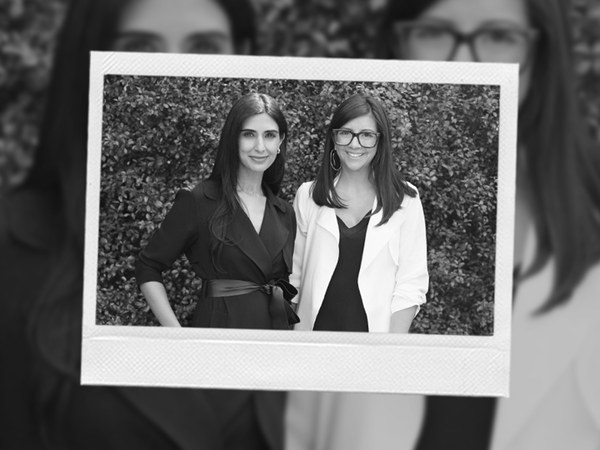
Shilpa Shah
Shilpa Shah is the co-founder and Chief Experience Officer of Cuyana, the San Francisco-based sustainable luxury fashion brand built around two words: fewer, better. A UC Berkeley-trained UX designer who spent a decade building interfaces for Disney, AT&T, and Sun Microsystems before pivoting to business school at 32 — pregnant during her first semester — Shah co-founded Cuyana in 2011 with Karla Gallardo. The company has grown into a cult-favorite direct-to-consumer brand with 7 retail locations, 150+ employees, celebrity fans including Jessica Alba and Ayesha Curry, and $30 million in Series C funding from H.I.G. Capital. At Cuyana, Shah is the architect of the customer experience, championing quality over quantity in an industry obsessed with the opposite.
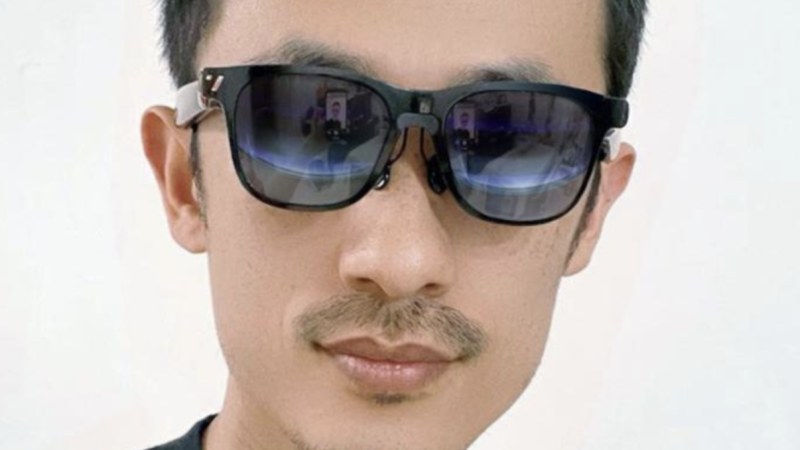
David Jiang
David Jiang (Gonglue Jiang) is the co-founder and CEO of VITURE, the XR glasses company that captured 52% of the U.S. smart glasses market in Q4 2024 and raised $100M in Series B funding in 2025. A Harvard-trained human-computer interaction designer who worked on Google Glass and led AR at Rokid, he founded VITURE in 2021 with a single conviction: that wearable screens would replace the smartphone as the primary entertainment and productivity interface. VITURE One raised $3.1M on Kickstarter in one month, surpassing Oculus's prior record, and VITURE Pro later outranked Meta Ray-Ban on Amazon.
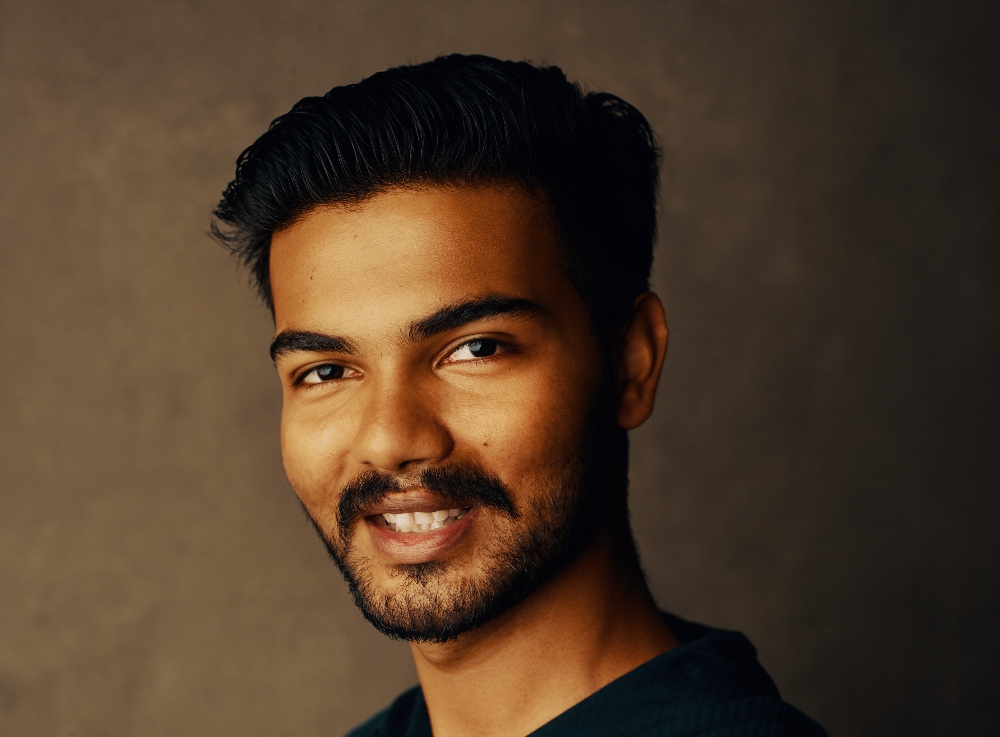
Tanay Kothari
Tanay Kothari is the co-founder and CEO of Wispr Flow, a San Francisco-based AI company building the voice interface for the AI era. A four-time founder who taught himself to code at age nine in New Delhi, Kothari holds BS and MS degrees from Stanford in Computer Science and AI, taught Deep Learning alongside Andrew Ng, and published medical AI research. After selling his first startup FeatherX to Cerebra Technologies straight out of college, he co-founded Wispr in 2021 with Stanford batchmate Sahaj Garg. The company's flagship product, Wispr Flow, transforms spoken ramblings into polished writing across 100+ languages with sub-second latency, achieving 50% month-over-month growth and a 20% paid conversion rate - five times the industry standard. Wispr has raised $81 million total, including a $30 million Series A led by Menlo Ventures and a $25 million extension led by Notable Capital, at a $700 million valuation. Named to Forbes 30 Under 30 in 2023, Kothari is betting that keyboards will be vintage store items within five years.
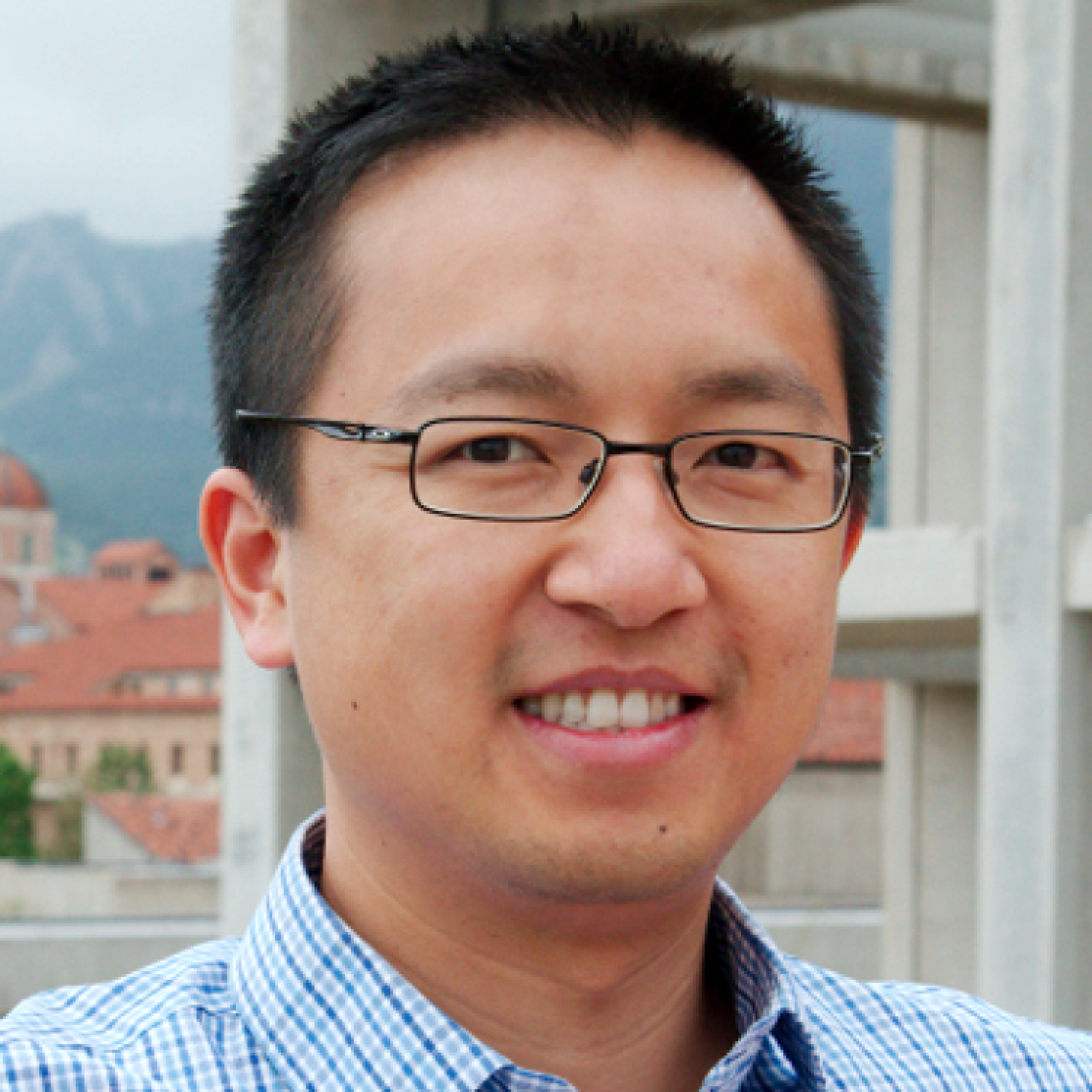
Tom Yeh
Tom Yeh is an Associate Professor of Computer Science at the University of Colorado Boulder and the creator of AI by Hand, a wildly popular educational newsletter and community that teaches transformers, LLMs, and deep learning architectures through pen-and-paper calculations. With 62,000+ Substack subscribers, 200,000+ social media followers, and a Feynman-inspired philosophy that you only truly understand what you can build by hand, Yeh has become one of the most influential voices in practical AI education - bridging the gap between black-box hype and genuine first-principles understanding.