hospital-operations
(18)
Clarium and the expensive art of waiting
A missing medical supply can set an entire hospital chasing answers. Clarium connects the data, the substitutes and the people who can get care moving again.

PerfectServe knows who is actually on call
A hospital can have every specialist it needs and still struggle to reach one. PerfectServe connects the schedule to the message - and makes a surprisingly expensive game of phone tag easier to retire.

TeleTracking and the hospital beds hiding in plain sight
A hospital can run out of room while an empty bed waits upstairs. TeleTracking has spent three decades chasing the small delays that make capacity disappear - and now it is teaching software to anticipate them.

The Hospital Had Enough Pumps. It Just Couldn't Find Them.
AeroScout discovered that a hospital can own enough equipment and still be short of it. Its answer was to let ordinary Wi-Fi tell staff where the missing machines had gone.
The Bill Begins Before the Bill
A hospital can deliver the right care and still tell the wrong financial story. AKASA wants its AI to read the chart before the bill is written - and catch what busy humans miss.

Richard Jones and the Quiet Work of Keeping the Machines Awake
After decades running imaging operations, Richard Jones crossed to the software side. His wager at Glassbeam is practical: the best medical machine is the one ready when people need it.
The $50 Million-a-Day Data Habit That Made Kodiak the CFO Layer for 2,400 Hospitals
Kodiak spent two decades turning hospital finance's least glamorous chores into a data network. Its lesson for enterprise builders is simple: standardize the ugly workflow first, then let automation and benchmarks compound.

Sogol Sepehri Works the Seams of the System
The physician-executive moved from Austin hospital medicine to a national role translating clinical judgment across operations, documentation and revenue - the quiet seams where modern healthcare either connects or frays.

The Nurse Staffing Spreadsheet That Told a Hospital It Needed 9.6 More Nurses
Heidi Morin was told to cut staff. Her own calculator found the unit was 9.6 nurses short. Parity grew from that argument into a system designed to make clinical reality legible to hospital finance teams.

The Hospital's Most Important Robot Might Be a Locked Drawer
Omnicell began with a father watching nurses hunt for supplies in a hospital. Three decades later, it is trying to make every medication drawer, robot and pharmacy workflow behave like one connected system.

Kontakt.io
Kontakt.io is an AI-powered real-time location system (RTLS) and care-operations platform for hospitals. Starting in 2013 as a Krakow Bluetooth-beacon maker, it now combines IoT sensors, wearable tags and cloud AI to track the location, status and flow of patients, staff and equipment across health systems - helping hospitals cut wasted time, find assets, protect staff and orchestrate care around each patient's journey. It has deployed 4M+ IoT devices, serves 32,000+ end users, and raised a $47.5M Series C led by Goldman Sachs in 2024.
Jason Palmer
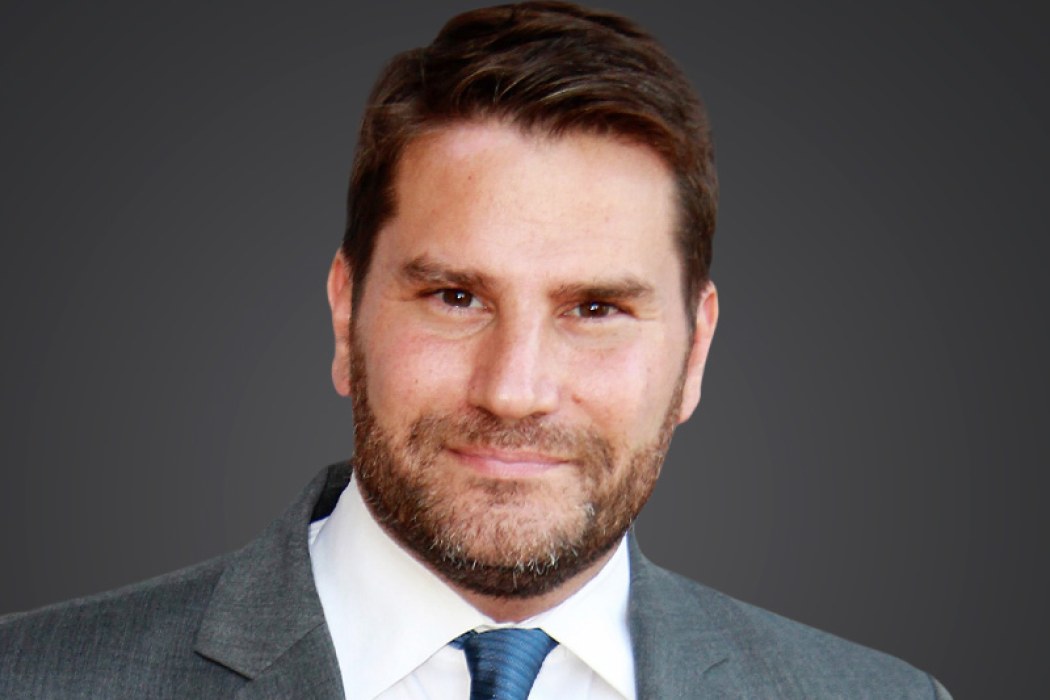
Jason Palmer is the chief executive officer of RV Healthcare Solutions, the New York-based healthcare technology company behind the Teamwrks platform, which uses AI and machine learning to help hospitals improve financial and quality performance without cutting staff. He is also Managing Partner for Healthcare and Technology at Rizk Ventures. A UCLA-trained lawyer turned operator, Palmer has spent roughly two decades founding and running companies across healthcare, software, technology, and education, and in 2021 led RVH Solutions to a Series B round from Vizient, the largest member-driven healthcare performance improvement company in the United States.

Vitalize
Vitalize is a San Francisco health-tech company building an AI platform that helps hospitals and health systems optimize labor - unifying staffing, scheduling, patient flow, and capacity in one system. Founded by Veeraj Shah, Sanketh Andhavarapu, and Nikhil DSouza and shaped in Y Combinator's W23 batch, the company began as a mental-health support tool for burned-out clinicians and evolved into the operational backbone that decides who works where and when, cutting manual scheduling time by roughly 70% and reaching demonstrated ROI in under 90 days.
Apella
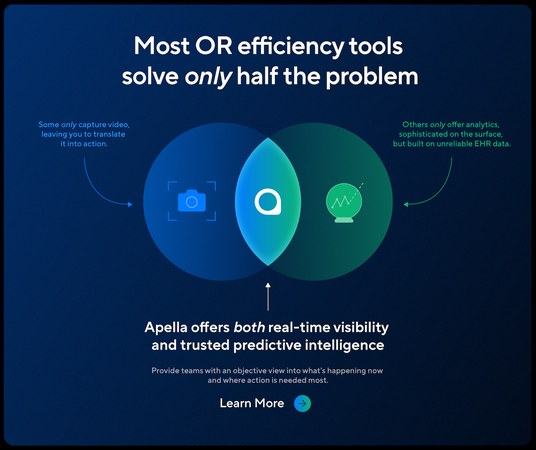
Apella is a San Francisco-based healthcare AI company using ambient video, computer vision and machine learning to run hospitals' operating rooms better - automatically detecting up to 14 surgical case events, forecasting case durations, and writing structured data back to the EHR so surgical teams can serve more patients without staying late.
David Schummers
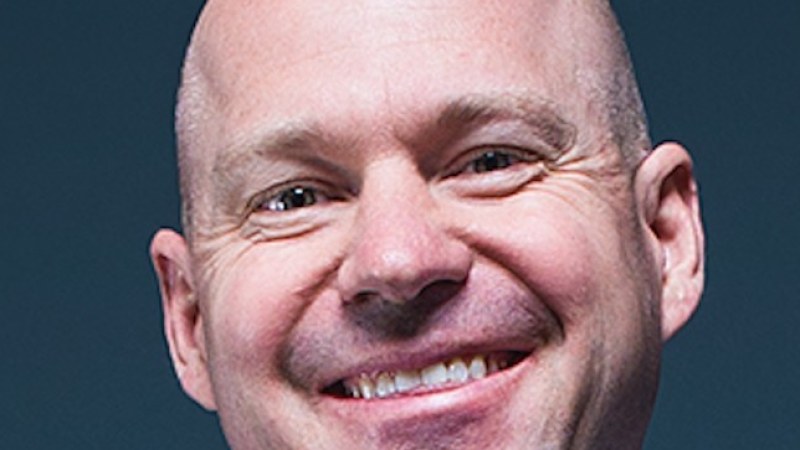
David Schummers is the co-founder and CEO of Apella Technology, a San Francisco-based ambient AI company transforming how hospitals run their operating rooms. Using computer vision and machine learning, Apella captures real-time surgical intelligence - automatically documenting up to 14 case events per procedure and feeding structured data back into EHR systems - reducing OR turnover times by 16% and increasing case volume by 10%. Before founding Apella in 2019, Schummers spent two decades in health technology, including a pivotal stint at Auris Health as its first commercial executive, where he helped engineer the company's $5.7 billion acquisition by Johnson & Johnson in 2019 - at the time the largest medical technology startup transaction in history. Apella raised an $80 million Series B in January 2026 led by HighlandX, bringing total funding to over $104 million.

Ian Christopher
Ian Christopher is the Co-Founder and Chief Engineer of Qventus, the AI-powered hospital operations platform backed by KKR and Bessemer Venture Partners. A Stanford-trained computational engineer, he co-built Qventus from a 2012 YC startup into a $400M+ company that automates how hospitals manage patient flow, surgical scheduling, and care coordination - reducing staff burnout and cutting length of stay for major health systems across the US.

Mudit Garg
Mudit Garg is the co-founder and CEO of Qventus, a Mountain View-based AI healthcare company that automates hospital operations — from surgical scheduling to patient discharge. Trained as an electrical engineer at IIT and holding an MBA from Stanford, Garg spent time at McKinsey's healthcare practice before founding Qventus in 2012. Under his leadership, the company raised a $105M Series D led by KKR in January 2025, reached a valuation of over $400 million, and has helped health systems across the US free up tens of thousands of excess hospital days and generate tens of millions in surgical revenue.

Qventus, Inc
Qventus builds AI 'teammates' that automate the messy operational work inside hospitals - from surgical scheduling to discharge planning - helping health systems unlock capacity, cut excess days, and grow revenue without adding staff.