healthcare-data
(49)
Amit Garg and the Expensive Art of Being Correct
He set out to predict illness. The data refused to cooperate. So the engineer from Dehradun built HiLabs around a quieter, costlier problem: making healthcare information trustworthy before asking it to be clever.

Ravi Bulusu and the Long Way Around to Building What Matters
A software engineer tried to answer a shortage with a factory. Immigration rules, overseas supply chains and a Senate witness table turned that practical impulse into a revealing American story.

Rich Gliklich Has Spent a Career Asking What Happened Next
A surgeon's question became a registry company, then a second act in artificial intelligence. Across three decades, Rich Gliklich has kept returning to the evidence medicine leaves behind.
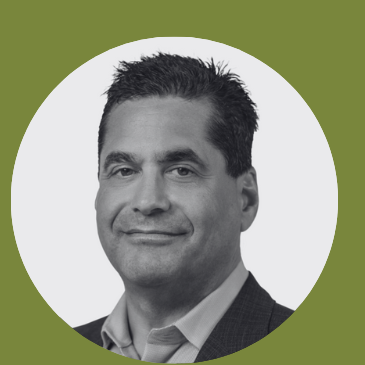
Mark Brosso and the Business of Making Messy Data Speak
Three healthcare-data companies, two exits, and one recurring problem: Mark Brosso has spent a quarter-century turning disconnected records into decisions people can use.

Andrew Goldberg and the Art of Making Fragments Agree
HealthVerity's co-founder built a career out of joining what institutions leave scattered. His operating philosophy begins with a modest idea: before data can tell a story, somebody has to make the pieces trustworthy.

Alex Hinrichs and the Fine Art of Making Chaos Keep a Deadline
He helped ship operating systems, a phone, and the first HoloLens. His durable invention may be simpler: write the problem down, name an owner, and decide before the room goes stale.

Sermo built a doctors’ lounge. Then it found buyers for the conversation.
Physicians come to Sermo for peer advice, drug reviews and paid surveys. Healthcare companies come for something harder to buy: a clear view of what clinicians think.
Kalderos Found a $1 Billion Leak in America’s Drug-Discount Plumbing
Drug discounts are supposed to lower costs. The data underneath them is so fragmented that the same prescription can trigger multiple concessions. Kalderos built the reconciliation layer - and in 2026, Model N bought it.
RLDatix Had 500,000 Users and a 1.3-Star Problem - Then It Started Listening
The healthcare-software roll-up had scale, a sprawling product estate and a workforce app customers disliked. Its repair job offers a useful lesson: fix service first, put engineering on the loudest pain, and earn the right to sell the bigger platform story.

Komodo Health Bet Tens of Millions on a Map. Then It Had to Teach Customers How to Read It.
The healthcare-data unicorn spent a decade stitching together patient journeys. Its harder problem was turning that expensive map into answers that scientists, sales teams and regulators could actually use.

The Software Behind the Sirens: How ImageTrend Turned Emergency Paperwork Into a 43-State Data Moat
ImageTrend built a durable software business in the least glamorous seat in the ambulance: the paperwork. Now its vast emergency-response data network is becoming an AI-powered operating system - and a useful lesson in how vertical software wins.

Ilsong Lee’s Second Act Is Making Research Less Mechanical
After decades spent turning complex semiconductor systems into businesses, Cipherome’s CEO is applying the same operational instinct to the messier machinery of clinical and genomic data.

Ariel Katz Is Turning a Student’s Frustration Into a Map of Modern Medicine
He once traded 10,000 doughnuts for a campus full of users. Now the H1 co-founder is organizing fragmented doctor data, one stubborn connection at a time.

Ben Newton Bet His Next Company on the Unfashionable Part of AI
After three IPOs, three patents, and years spent translating machine data, Ben Newton chose a messier problem: making fragmented clinical records useful at the moment a decision is made.

Jeff McDonald Put Healthcare Data Backstage - Where the Hard Work Belongs
The Kythera Labs co-founder studied stage design, once hauled 50 used servers behind a beauty parlor, and now builds the hidden machinery that turns fragmented healthcare data into answers people can defend.

Jim Plante Keeps Changing Industries. The Operating System Stays the Same.
Across radios, road safety, genomics, biotechnology, and financial markets, Jim Plante has kept returning to the same difficult question: how do you turn complicated science into something people can actually use?

Bill Hunter Put a Voice Inside the Implant
A physician-founder spent three decades teaching medical hardware to do more than sit quietly. His latest chapter turns implants into long-lived witnesses, sending useful signals from inside the body.

Axiom Health Spent Five Years Turning MedTech Spreadsheets Into Answers - Then Sold the Machine
Medical-device teams were drowning in data but still waiting weeks for answers. Axiom Health built the co-pilot it wished existed - and its 2025 sale to Sorcero shows where vertical AI gets valuable.
The 115-Page PDF Problem: How Milliman Pluritem Turns Medical Records Into a Patient Story
A clinician gets a 115-page PDF. CareFlowIQ wants to turn it into the few facts that matter - with the source still attached. The wager is that healthcare's next useful AI product starts with unglamorous data plumbing.
The Company That Cleans Up Healthcare's Messiest Data Before Anyone Else Can Read It
Everybody wants to do AI on healthcare data. Almost nobody wants to spend two years cleaning it first. Kythera Labs turned that dirty job into a business.

Brian Overstreet Is Building the Missing Ledger for Value-Based Care
After two healthcare-data exits, Brian Overstreet returned to the founder’s chair for a problem hidden in contracts, fragmented data and disputed math. His wager is that value-based care needs a shared system of record before it can scale.

The Check That Comes Before You Have a Company Bank Account
Farooq Abbasi built Preface Ventures to fund the engineers behind enterprise infrastructure - and got in so early on DX that a $2.8M-funded company became a $1B Atlassian deal.
The Quiet Machine Behind One in Three American Adults
Quest Diagnostics is easy to mistake for a chain of blood-draw centers. Its real product is a national system that moves specimens, data and decisions through American healthcare at unusual scale.
The $16.3 Billion Company Quietly Running Modern Medicine’s Back Office
IQVIA sits in the machinery between a molecule and a medicine cabinet - running trials, organizing health data and helping drugmakers decide what happens next. Now it is turning that unusually broad view of healthcare into an agentic AI platform.
HCA Healthcare Built a Hospital Network Big Enough to Learn From Itself
The Nashville company turned a 1968 experiment in shared hospital resources into a vast care network. Its real edge is what happens when local medicine, centralized operations and 47 million annual patient encounters begin teaching one another.
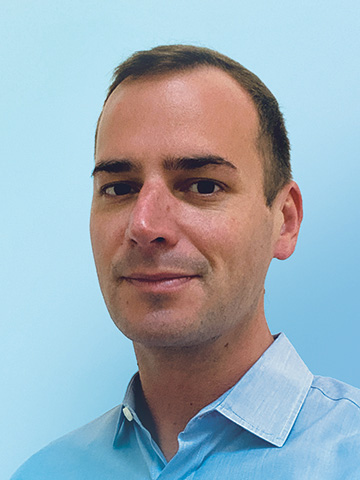
Ben Texter
From an electric-car startup to Blue State Digital to a decade building Digital Health Strategies, Ben Texter has made a career of turning complicated systems into clearer human journeys.

Bruno Lempernesse
Bruno Lempernesse is the CEO of MDClone, an Israeli-founded healthcare data platform that lets organizations explore and share sensitive patient data using synthetic data that preserves privacy. A 25-year veteran of healthcare technology, data science, and life sciences, he joined MDClone as President of North America in September 2024 and stepped up to Chief Executive Officer in 2025. Before MDClone he was CEO of Carevive, a cancer-care and real-world-studies company acquired by Health Catalyst in 2024, and earlier spent two decades at Cegedim building its data and research business, plus leadership roles at SHYFT Analytics and Acorn AI (a Medidata company). He is an early pioneer of longitudinal patient data drawn from electronic medical records across Europe and the United States.
AcuityMD
AcuityMD is a Boston-based commercial intelligence platform built specifically for the medical device (MedTech) industry. It translates large volumes of healthcare claims and procedure data into intuitive workflows, AI-powered insights, and recommendations that help medical device sales and marketing teams find high-value physicians and care sites, size and segment markets, manage territories, and accelerate product adoption. Founded in 2019 by former MedTech and consulting operators, the company serves hundreds of device makers - including a majority of the largest MedTech firms - and raised an $80M Series C in 2026 at a near-$1B valuation.

Briya
Briya is a healthcare data company that connects hospitals, health systems, and researchers to life sciences organizations through a secure, privacy-preserving data exchange network. Its blockchain-secured infrastructure standardizes electronic health records and keeps data at its source, while its flagship product, Briya AIRE, is a clinical-grade conversational AI research platform that lets scientists query and analyze real-world medical data in plain language. Founded in 2020 by David Lazerson and Guy Tish, Briya spans a global network of more than 120 million patient records and aims to accelerate medical and epidemiological research without the friction of traditional data integration.
Flume Health
Flume Health is a New York-based healthcare technology company building operational infrastructure that connects the fragmented data ecosystem behind health plans. Founded in 2017 by Cedric Kovacs-Johnson and Vineeth Bhuvanagiri, Flume gives payers, third-party administrators, and vendors a way to move, translate, and make sense of healthcare data. It started as a plan administrator, pivoted to the Relay integration platform, and has since evolved into an AI-native data platform - mapping enterprise data estates into a living knowledge graph and running domain-specific AI agents so non-technical teams can query and act on healthcare data in plain language.