game-design
(12)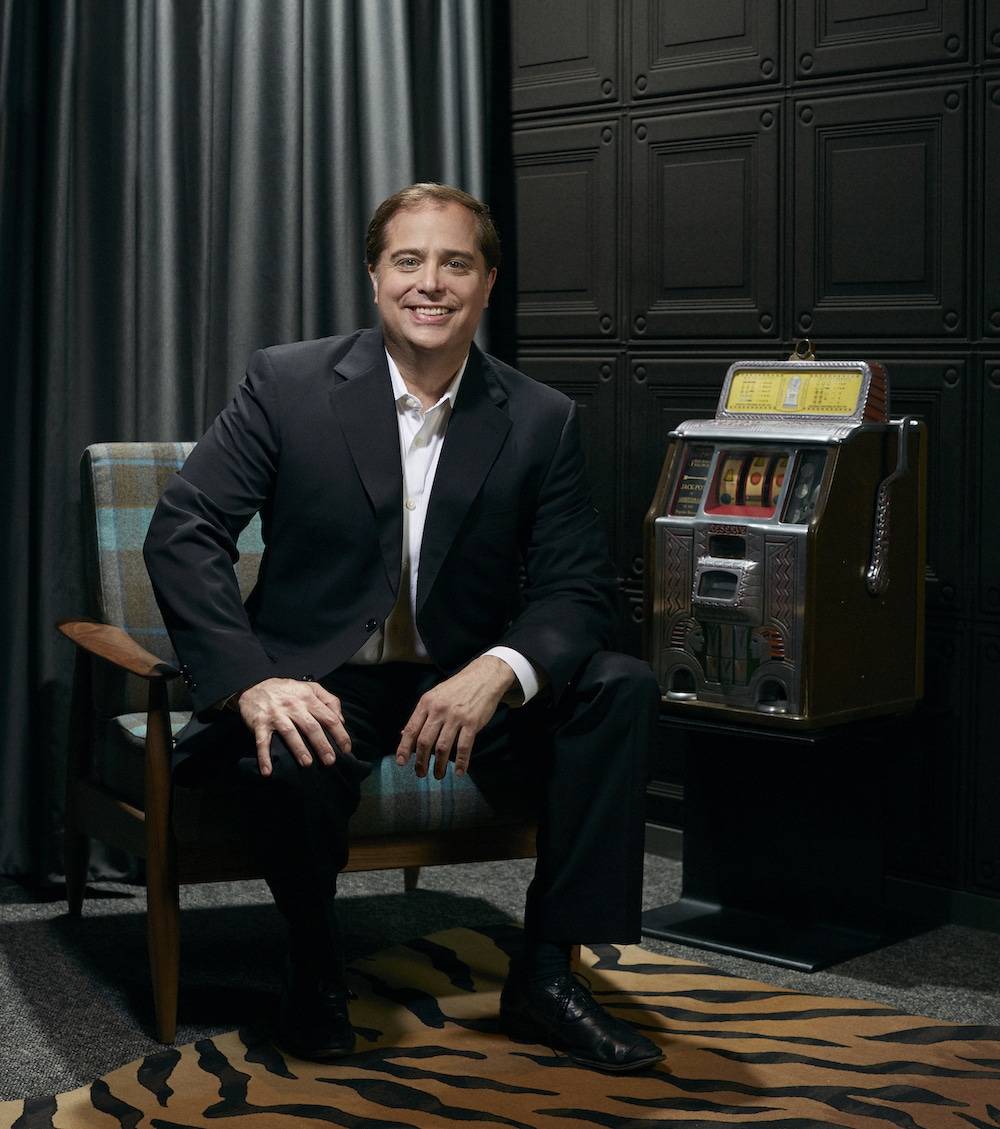
Anthony Singer and the game that keeps changing
He started High 5 Games in 1995. Three decades later, Anthony Singer is still working on the same problem: how to give a familiar game another life.

Paul Sage and the Art of Leaving Room for Trouble
After Ultima Online, The Elder Scrolls Online and Borderlands 3, Paul Sage is building a studio of his own. His wager at Ruckus Games is that people make better mischief when they have a say in it.
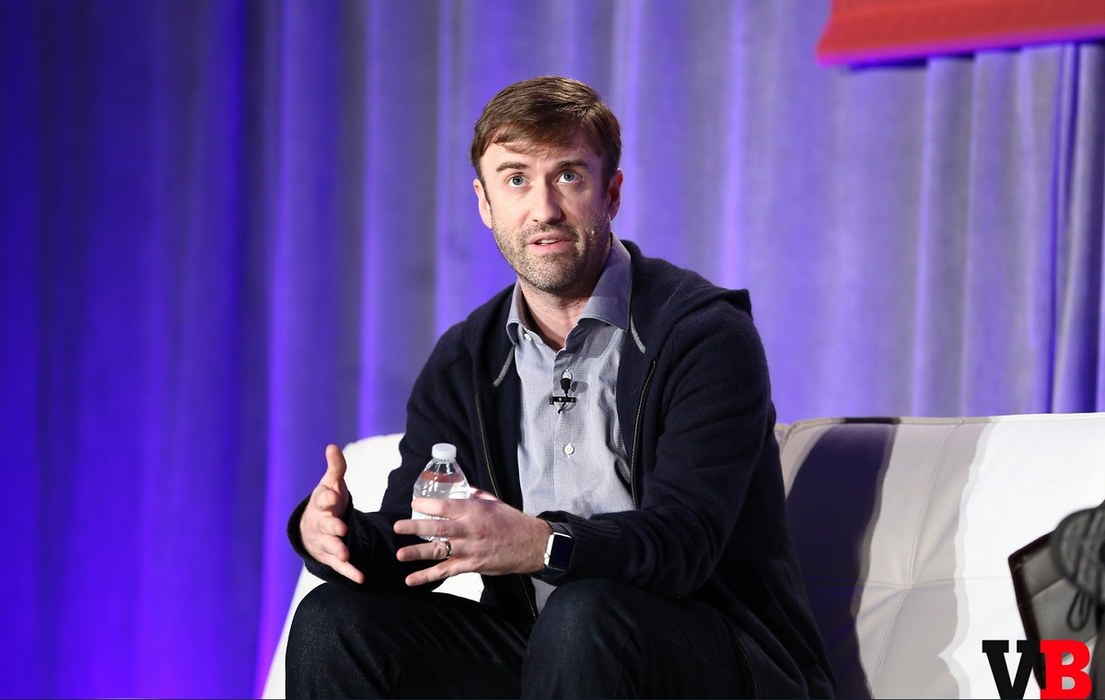
Gabriel Leydon and the Price of Keeping People Together
Before Game of War, Gabriel Leydon learned that a game could buy you a place in a crowd. From arcade cabinets to mobile kingdoms and Limit Break, he has kept returning to the economics of belonging.
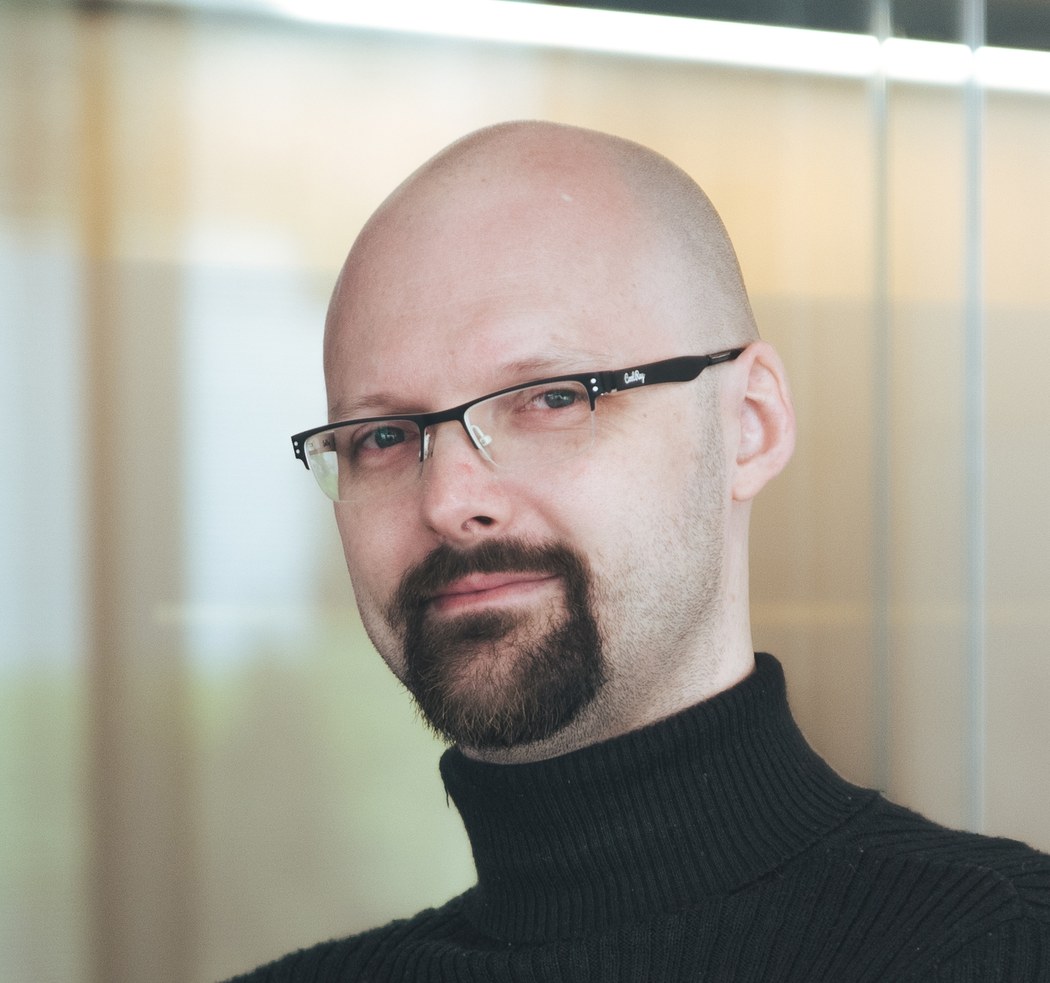
Michael Shalyt and the trouble with a convincing answer
At APERIO, Michael Shalyt helped detect when industrial data could not be trusted. After game-testing bots and a candid startup goodbye, he is asking what it takes for AI to do mathematics.
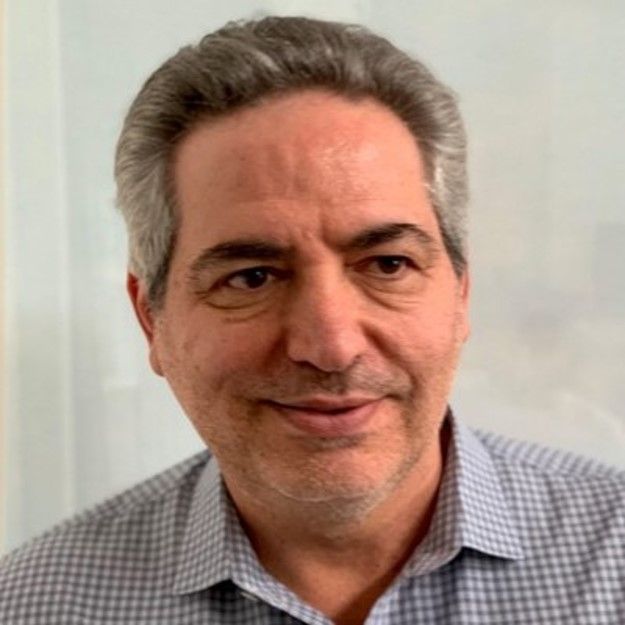
Erez Goren and the Long Way Back to Play
Before he co-founded Hi-Rez Studios, Erez Goren helped build the software behind everyday retail. His return to games became a decades-long exercise in deciding what to build, what to keep, and when to start again.
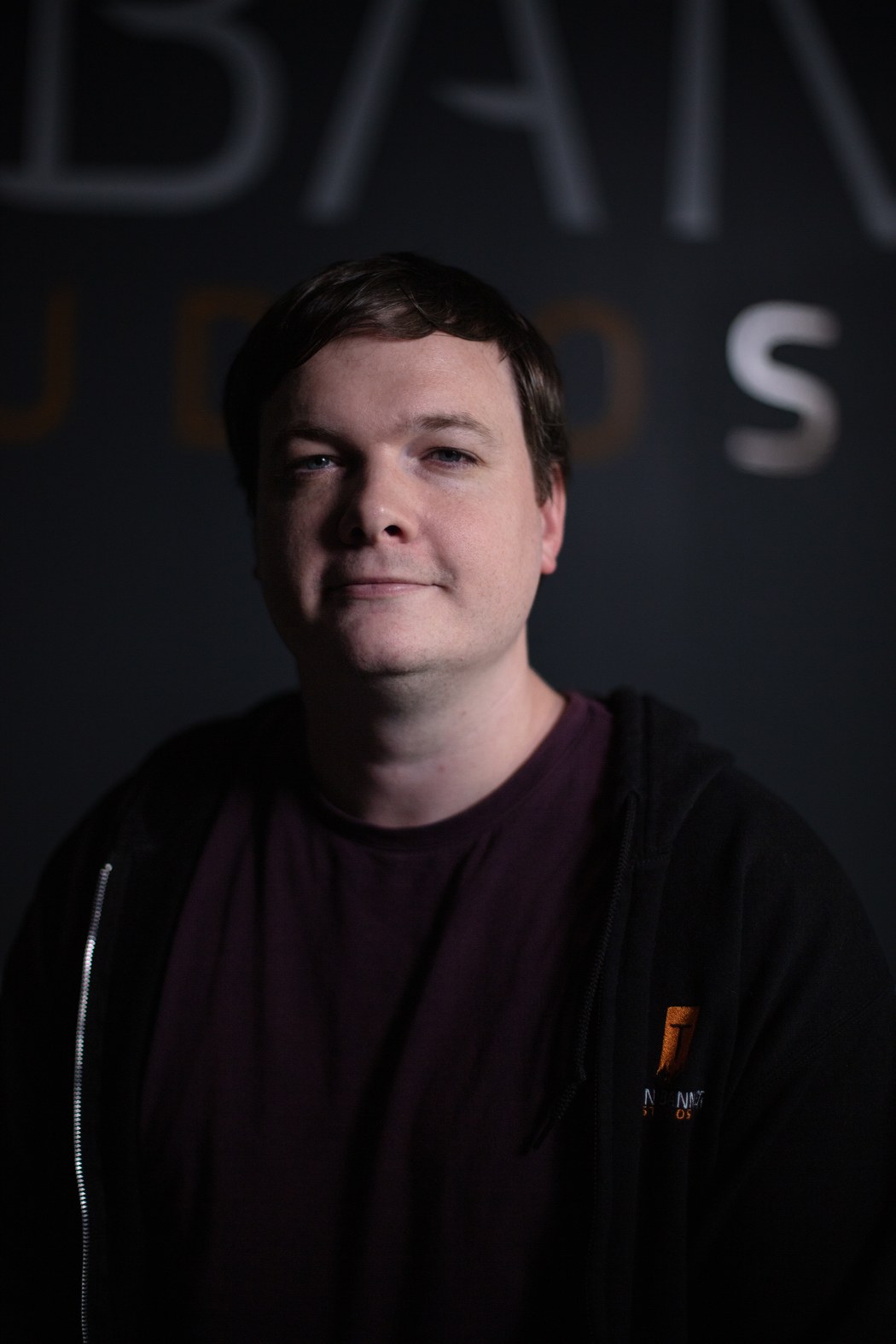
Steve Piggott Had a Hit. He Still Wanted a Second Try.
Chivalry gave Steve Piggott a studio. The parts he could not get right gave him a reason to keep building - from a mod team scattered across the internet to a second shot at the medieval battlefield.
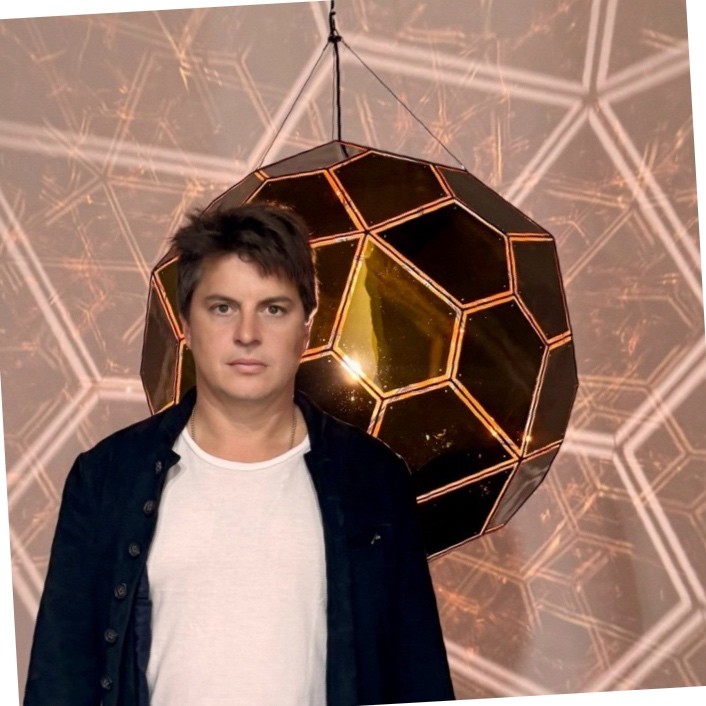
Mariano Suarez-Battan and the trouble with a room full of people
He built games, then co-founded Mural to help people think together across a distance. Now Mariano Suarez-Battan is asking why gathering in the same room still leaves so much to chance.

Robert Atkins Spent 35 Years Making Games. Then He Gave Play a Second Job.
The veteran artist behind work on Duke Nukem 3D, Quake and SiN now builds systems where a player’s attention can do useful computational work. His career is a lesson in treating creativity as infrastructure, not decoration.
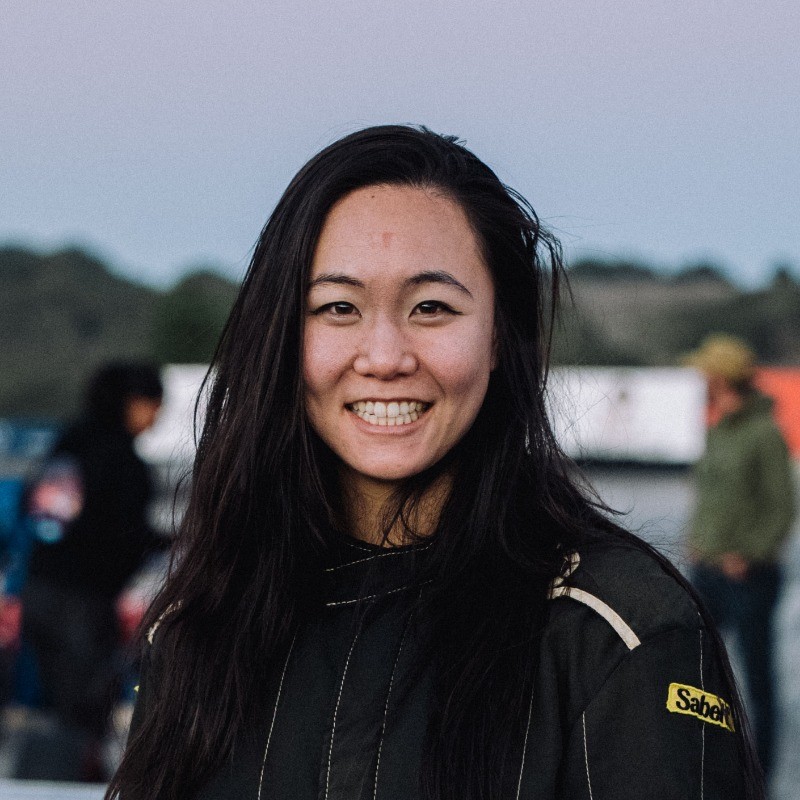
Jenny Xu
Jenny Xu is the founder and CEO of Talofa Games, the San Francisco studio behind Run Legends, a heads-up fitness RPG where your running speed powers turn-based battles heard through spatial audio. A competitive MIT cross-country runner who shipped her first game at 12, she has released 10+ mobile titles with 10 million-plus downloads, earned a spot on Forbes 30 Under 30, and raised $6.3M in seed funding to build games that make players mentally and physically healthier.
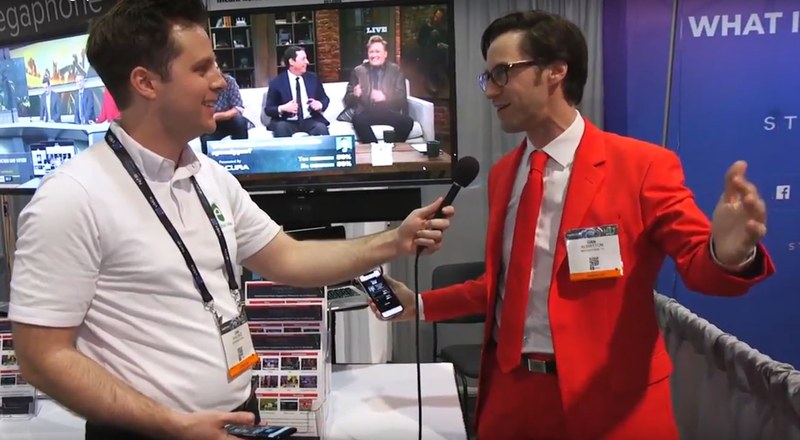
Dan Albritton
Dan Albritton is the CEO and co-founder of Megaphone TV, the company he calls the world's first Participation Entertainment Studio. Trained as a biomedical engineer at Columbia and as an interaction designer at NYU's ITP, he works in the seam between television production and game design - building the live polls, trivia, contests, and interactive on-air graphics that let viewers tap their phones and steer a broadcast in real time. Before Megaphone he co-founded iminlikewithyou, the studio that became OMGPOP and was later acquired by Zynga. Megaphone TV has earned an Emmy Award and multiple nominations, and its software appears in 24 of the top 25 US broadcast markets and on streamers worldwide.

Michael Dawson
Michael Dawson is the Chief Business Officer and Head of Storytelling Studio at Pocket Gems, the San Francisco mobile gaming studio behind Episode and War Dragons. With a background spanning management consulting, clean-tech startups, and entrepreneurship, Dawson joined Pocket Gems in 2011 and helped scale it into one of the most successful mobile entertainment companies in the world — overseeing products that have been downloaded over 325 million times and platforms where billions of story episodes have been read. He holds degrees from Yale (Ethics, Politics & Economics) and Stanford (MBA, MS in Environment & Resources), and has become one of the sharper strategic voices in mobile interactive storytelling.
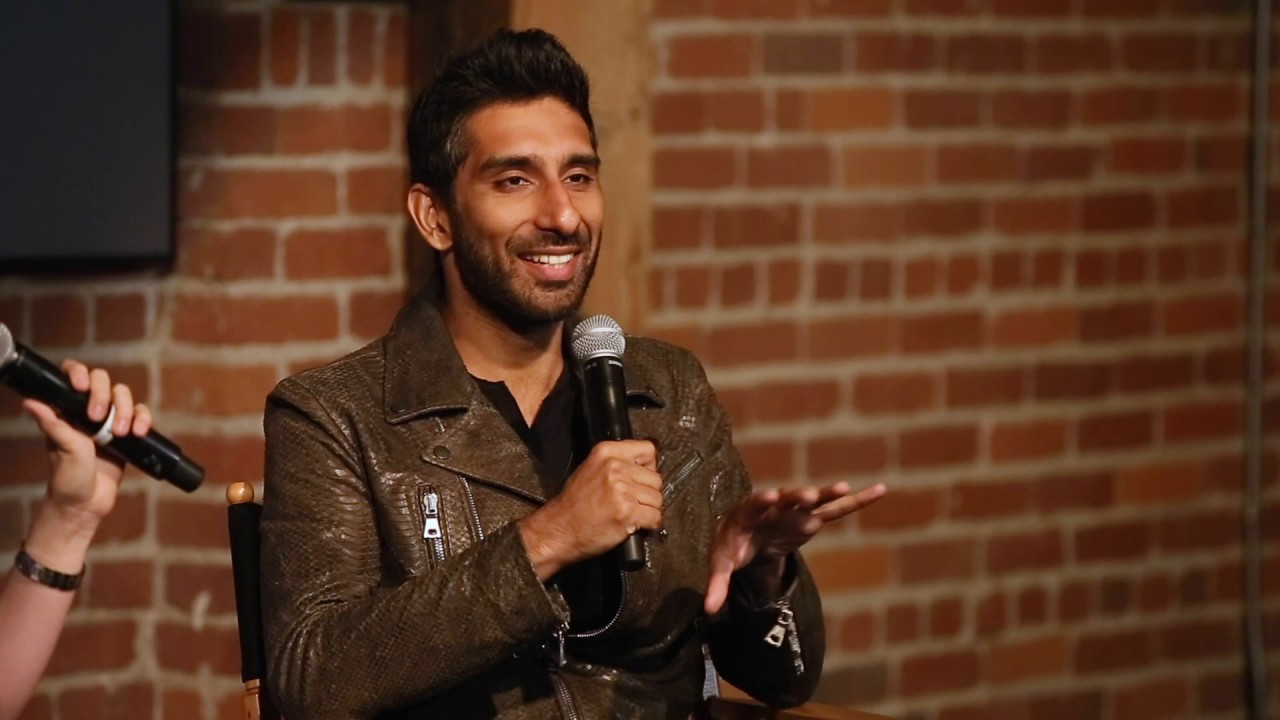
Rahul Vohra
Rahul Vohra is a British-Indian entrepreneur and the founder of Superhuman, the cult-favorite AI email client acquired by Grammarly in July 2025. He pioneered the quantitative product-market fit framework that became the most-shared article in First Round Review history, and applied video game design principles to productivity software. Before Superhuman, he co-founded Rapportive (sold to LinkedIn in 2012) and coded RuneScape's legendary 'Monkey Madness I' quest as a 21-year-old intern. He also co-runs Todd & Rahul Capital, a $50M+ angel fund with 120+ portfolio companies.