furniture
(15)
Wooden Street sells furniture. The real product is confidence.
A sofa looks easy to buy until you have to live with it. Wooden Street built stores, factories and a delivery operation around that inconvenient little fact.
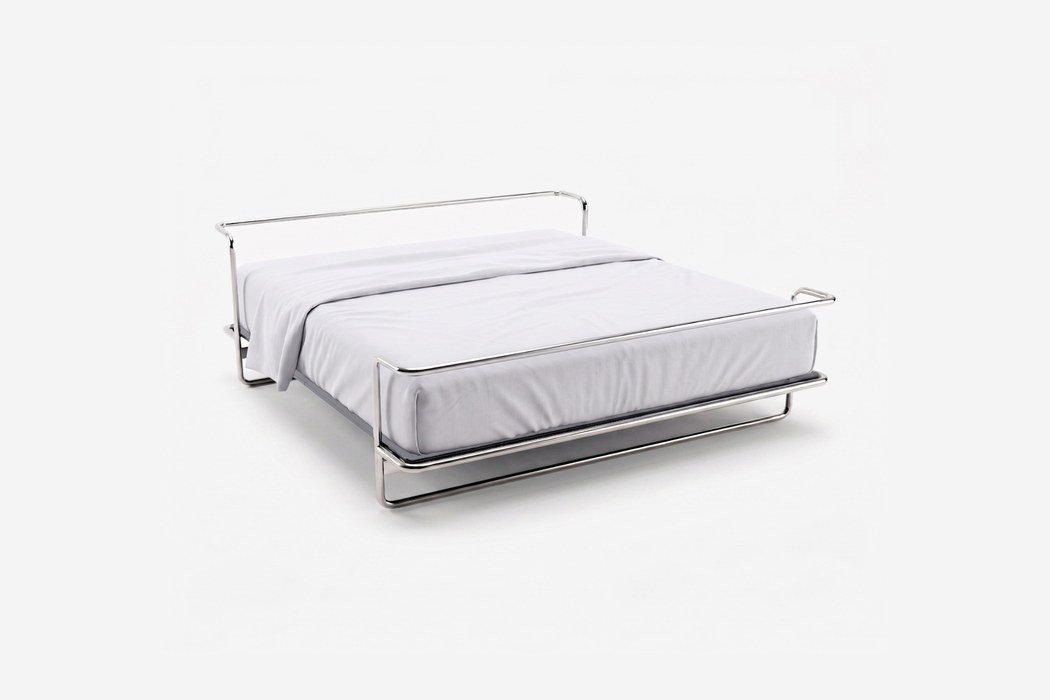
The Price of a Chair Is a Story About the Trip
The Essential started by trying to change the grocery aisle. Now it asks a quieter question of furniture: what happens to the price when the chair travels from its maker to your door?

Quadratura Makes the Furniture Fit the Room
An awkward wall can wreck a beautiful plan. In Guadalajara, Spain, Quadratura brings interior design and furniture supply together to work through the details that a catalogue cannot settle.

Abt Built One Store. Then It Outlasted Everyone Who Built a Thousand.
A family-owned retailer in the Chicago suburbs has spent nearly 90 years betting everything on one store - dancing fountain, saltwater shark tank and all - while national chains opened, expanded, and disappeared around it.

The Company That Makes Your Padlock - and India's Rocket Parts
In 2024 the Godrej family split a 127-year-old empire, painted this half purple, and pointed it at Gen Z sofa buyers and rocket contracts at the same time. Here is how 14 businesses live under one signature.

The $500 Furniture Bet That Turned "No Credit" Into a Two-Billion-Dollar Business
For 70 years Aaron's has made the same wager: that millions of Americans want a couch, a fridge or a big-screen TV today, and will pay weekly to own it - no credit score required.

The Chilean Immigrant Who Turned One Whittier Furniture Store Into a SoCal Home Empire
Daniel Rosenberg landed in Los Angeles from Chile in 1989 with entrepreneurial mileage and not much else. Three decades later his family runs a furniture-to-refrigerators retailer that quietly out-locals the national chains across Orange County.

The Flat-Pack Furniture Company That Put Solid Wood Back in the Box
Simpli Home built a North American furniture business around a plain proposition: flat-pack convenience does not have to mean disposable materials. Its real product is the supply chain that makes solid wood, storage and style travel in the same box.

The store that turned crates and barrels into a $2.5 billion habit
Two newlyweds back from a European honeymoon opened a Chicago shop that stacked its merchandise on the packing crates it arrived in. Sixty years later the crates are gone, the design studios are here, and the receipts read $2.5 billion.

Kravet
Kravet turned a New York tailor's eye for cloth into a trade-only system for designing entire rooms. A century later, its real product is not simply fabric - it is confidence at the moment a designer commits.

Bassett Furniture Industries, Inc.
The Virginia furniture house that built a town, survived the offshoring of an entire industry, and now sells you a made-to-order sofa in 30 days.

Maiden Home
Maiden Home is a New York-based direct-to-consumer furniture brand that sells custom, made-to-order upholstery and case goods handcrafted by family-owned workshops in North Carolina. Founded in 2017 by former McKinsey, Google, and Birchbox operator Nidhi Kapur, the company skips traditional retail markups by shipping factory-direct, aiming to sell a sofa that would list for roughly $6,000 for closer to $2,000. It has since expanded from a web-first model into physical flagships in Manhattan's Meatpacking District and the Miami Design District, plus a contract program serving interior designers and the trade.
Canoa
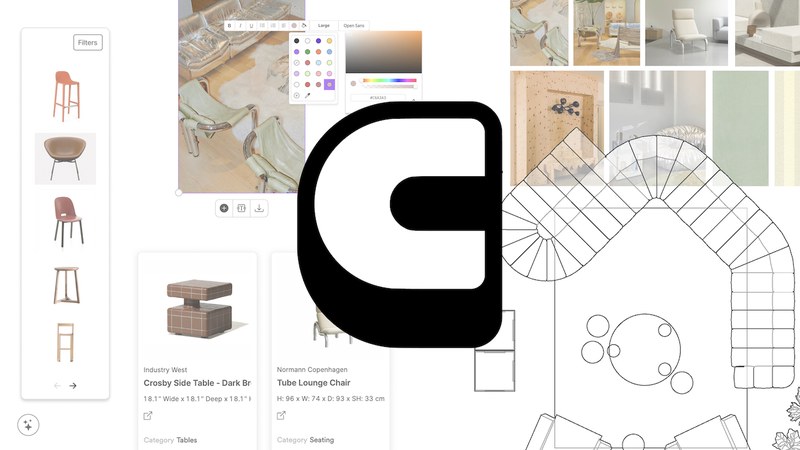
Canoa is a browser-based design platform that gives interior designers and architects one connected workflow to collect inspiration, build data-rich mood boards, lay out furniture to scale, pull real product data, and generate FF&E schedules. Founded in 2019 by Federico Negro out of the Brooklyn Navy Yard, Canoa replaces the scattered stack of Revit, AutoCAD, Excel, and PowerPoint with a single AI-assisted canvas, while pushing the furniture industry toward circular, low-carbon practices.

Williams-Sonoma, Inc.
Williams-Sonoma, Inc. is a San Francisco-based, vertically integrated specialty retailer of premium home furnishings and cookware. From a single 1956 cookware shop in Sonoma, California, it grew into a portfolio of in-house-designed brands - Williams Sonoma, Pottery Barn, Pottery Barn Kids, Pottery Barn Teen, West Elm, Williams Sonoma Home, Rejuvenation, Mark and Graham, and GreenRow - sold through e-commerce, catalogs, retail stores, and a growing B2B business. It is one of the largest digital-first home retailers in the United States, with roughly $7.7-7.9 billion in annual revenue.
World Market
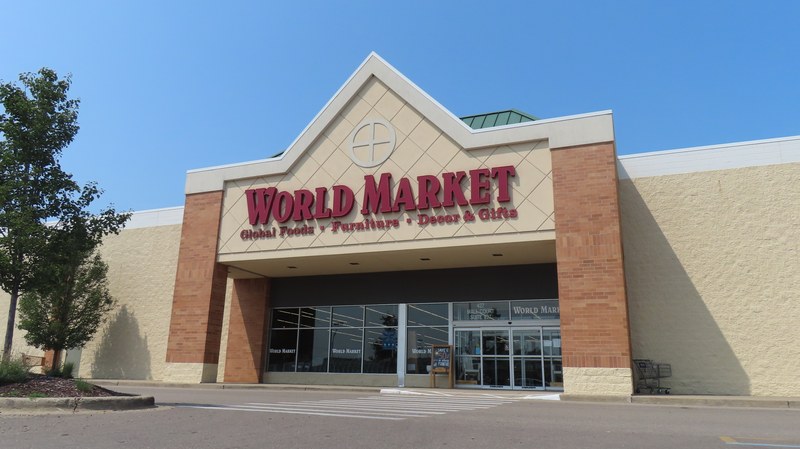
World Market (legally Cost Plus World Market) is an American specialty retailer that has sold globally sourced furniture, home decor, gourmet foods, wine, coffee and gifts since 1958. From its first shop on San Francisco's Fisherman's Wharf, it grew into a chain of roughly 240+ stores across the United States plus a fast-growing e-commerce business, built on the idea that a shopper in suburban America can fill a cart with hand-picked goods from dozens of countries at affordable prices.