franchise
(25)
Minuteman Press and the business of being nearby
In Orange, California, a print shop sells something a shopping cart cannot specify: help with the deadline. Its story connects a local owner to a franchise built by questioning where a printer’s job ends.
PT Mitra Buana Ventura: the business behind your boba
Behind Xiboba’s sweet drinks is an Indonesian investment company selling a more demanding proposition: a food business other people can run. MBV’s history shows how much depends on the menu, the delivery bill and the partner down the street.
The $500 Furniture Bet That Turned "No Credit" Into a Two-Billion-Dollar Business
For 70 years Aaron's has made the same wager: that millions of Americans want a couch, a fridge or a big-screen TV today, and will pay weekly to own it - no credit score required.

The Store You Only Remember Exists When Something Dies
It sells the least glamorous products in retail - the AA pack, the car battery, the oddball bulb - and turned that boredom into a 730-store franchise that thrives precisely when your stuff breaks.
The Seafood Chain That Turned Batter-Dipped Fish Into a 500-Store Habit
Fifty years after a Nashville KFC franchisee couldn't grow his burger territory, the seafood concept he built as a Plan B runs 500 restaurants and keeps trading hands between private equity firms who like the numbers.

The Handshake That Books $27 Billion a Year
One member per trade, one meeting a week, one rule: give first. Four decades on, Ivan Misner's referral club has 355,000 members in 78 countries passing each other billions in business.

The Preschool That Runs on Curiosity - and Nearly 100,000 Small Customers
It sells peace of mind to working parents, a business to local owners, and a play-based curriculum to nearly 100,000 kids. Inside the franchise that turned early childhood into one of America's most resilient service industries.

The Wahlbergs' Burger Chain Shrank by 70% - On Purpose
Paul, Donnie and Mark Wahlberg turned a strip-mall burger stand into a global brand, a reality-TV franchise and a grocery-aisle beef line. After closing 79 restaurants in a single year, the family is rebuilding around Home Depot parking lots, airports and Bass Pro Shops.
The Burger Chain That Buys From Farmers Before It Sells to You
Five brothers from a Cyprus farm turned a Perris truck stop into a 100-plus-restaurant chain by doing the unglamorous thing: buying real produce from real farmers and grinding the beef themselves.
The Chicken Chain That Marinates for 24 Hours and Won't Leave Texas Behind
How a 1967 chicken stand from San Marcos turned a 24-hour marinade and a fresh-baked yeast roll into a 250-restaurant franchise - and why it is finally leaving the small Texas towns that made it.

The 90-Year-Old Vitamin Shop That Refuses to Sit on the Shelf
From a Depression-era yogurt counter in Pittsburgh to a global supplement empire of roughly 14,000 people, GNC keeps rewriting the same question: what does a vitamin store look like when the customer shops on their phone?

Habit Burger & Grill
It started as a burger stand under the Santa Barbara sun in 1969. Fifty-five years and one ampersand later, Habit Burger & Grill is Yum! Brands' bet that a chargrilled patty can scale without losing the char.

Sport Clips Haircuts
How a Wharton MBA and former Air Force pilot turned the men's haircut into a sports-bar ritual - and built one of North America's biggest haircare franchises around the games already on TV.
K9 Resorts Luxury Pet Hotel
Two brothers turned a teenage dog-walking hustle into a cage-free pet-hotel franchise now worth more than $128 million a year - and the dogs get private suites.

GOLFTEC
The company turned a country-club basement experiment into 250-plus training centers and a database of 14 million golf swings. Its bet: that the fastest way to fix your slice is to measure it.

Panera Bread
The chain that turned soup, bread and free refills into a national habit - and is now betting that a $12-a-month coffee subscription is the future of lunch.
Freddy's Frozen Custard & Steakburgers
How a Wichita burger stand named after a Purple Heart veteran turned thin patties, fry sauce, and frozen custard into a roughly 580-store chain worth $700 million.
Twin Peaks Restaurants
How a Texas mountain-lodge sports bar turned cold beer, scratch kitchens, and franchisee ambition into one of the highest-grossing brands in casual dining.
Dutch Bros Coffee
The Oregon drive-thru that turned a pushcart, a windmill logo and a blue energy drink into a $1.6 billion coffee company - one Rebel at a time.
Del Taco
The Mojave taco stand that grew into America's number-two Mexican drive-thru now serves fries next to burritos, runs a loyalty app with four heat-rated tiers, and just changed hands for the second time in three years.

Chronicle Studios
Chronicle Studios is an AI-driven entertainment company building the growth platform for global franchises. It reverses the traditional Hollywood development model - instead of betting on a script and hoping audiences show up, its agentic AI platform finds emerging creators and IP, tests audience demand early, and automates audience discovery, distribution and monetization across social platforms. Founded in 2025 by tech entrepreneur Aaron Sisto and former DreamWorks Animation president Chris deFaria, the company raised an oversubscribed $11.6M seed round to back creators across animation, gaming, music, comedy and podcasts.
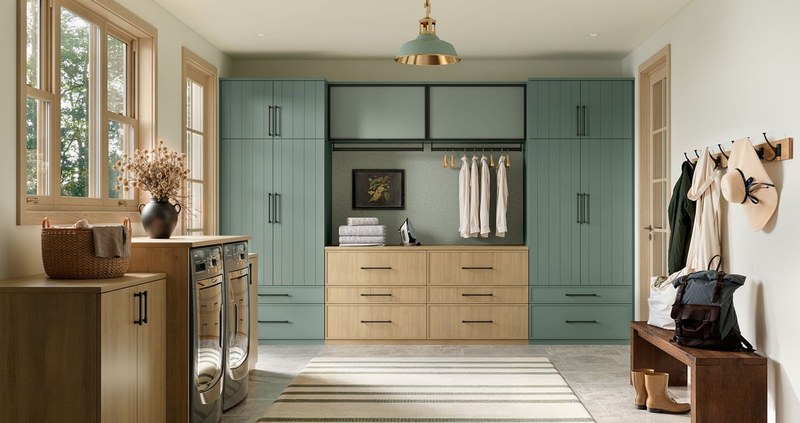
California Closets
California Closets invented the custom closet category in 1978 and remains its most recognizable name. The company designs, manufactures, and installs personalized storage systems - walk-in closets, garages, home offices, pantries, and more - through a network of franchised and company-owned showrooms across the U.S., Canada, Mexico, and the Caribbean. A subsidiary of FirstService Brands since 1998, it pairs in-home and virtual design consultations with 3D modeling and local manufacturing to turn cluttered rooms into organized space.

Signarama
Signarama is the world's largest sign and graphics franchise, founded in 1986 by Ray and Roy Titus and now operating hundreds of independently owned stores across more than a dozen countries. Part of the United Franchise Group, Signarama turns local sign shops into full-service visual-communications businesses producing everything from banners and channel letters to vehicle wraps, trade-show displays, and ADA-compliant braille signage. Its model packages equipment, training, and a recognized brand so first-time owners can serve other local businesses that need to be seen.
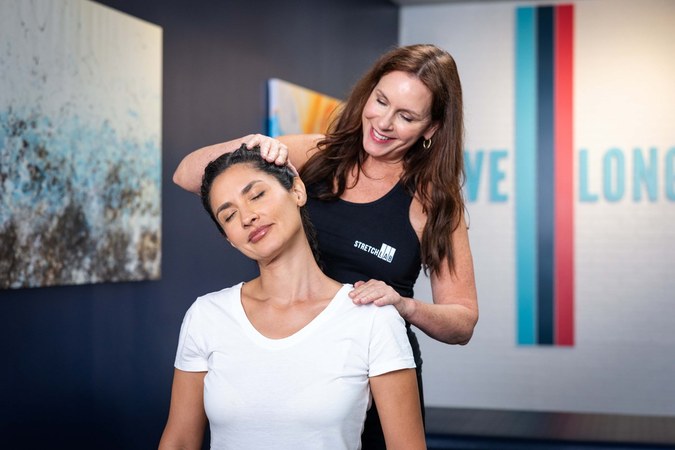
StretchLab Franchise
StretchLab is the original and largest one-on-one assisted stretching franchise, built on the simple bet that flexibility deserves its own studio. Trained specialists called Flexologists guide members through customized stretch sessions using techniques like PNF, supported by 3D body-scan technology (MAPS) and recovery tools such as NormaTec compression. Founded in Venice, California in 2015 and now owned by Xponential Fitness, StretchLab became the first assisted stretching brand to surpass 500 studios in North America.
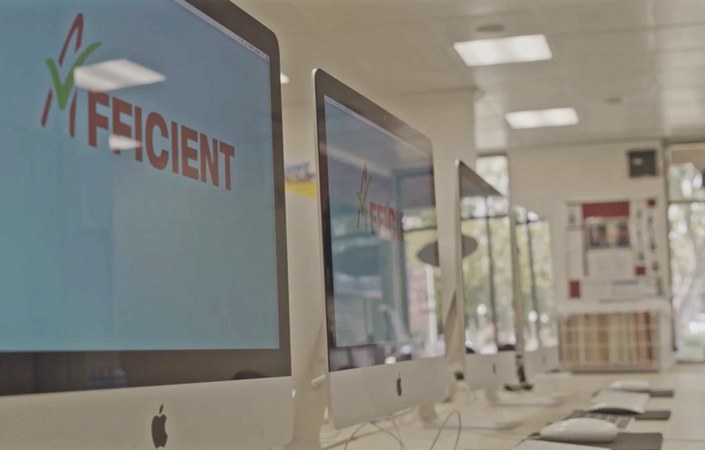
Afficient Academy
Afficient Academy is a Silicon Valley ed-tech company that uses a patented AI learning system to help K-12 students master math and English at their own pace. Through a hybrid network of virtual programs and physical learning centers across California, Nevada, and beyond, the company says more than 90% of its students advance a full grade level in 2-5 months with A/A+ results.