food-founder
(12)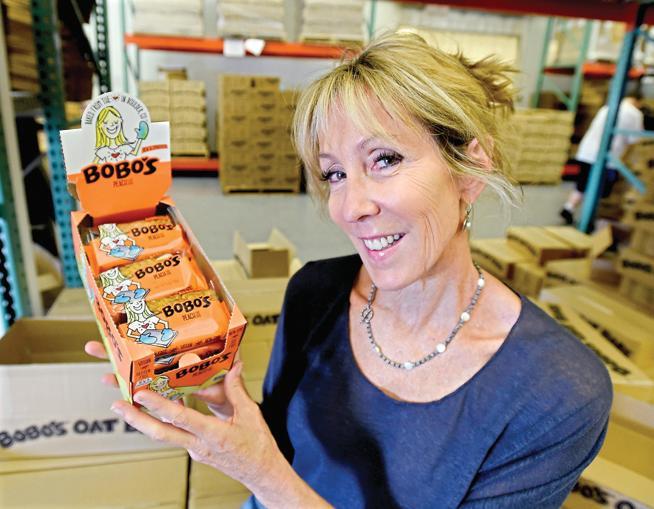
Beryl Stafford and the Wonderful Imprudence of the $14 Reorder
A rainy afternoon, a teenage baker and one tiny coffee-shop reorder gave Beryl Stafford a way forward. She spent the next two decades proving that a homemade-looking oat bar could survive the machinery of national scale.

The Founder Who Learned to Let Fresh Food Spoil
Neka Lac began with a tiny San Rafael kitchen, a stubborn standard for fresh food and no idea what a KPI was. The company grew; the standard stayed put.
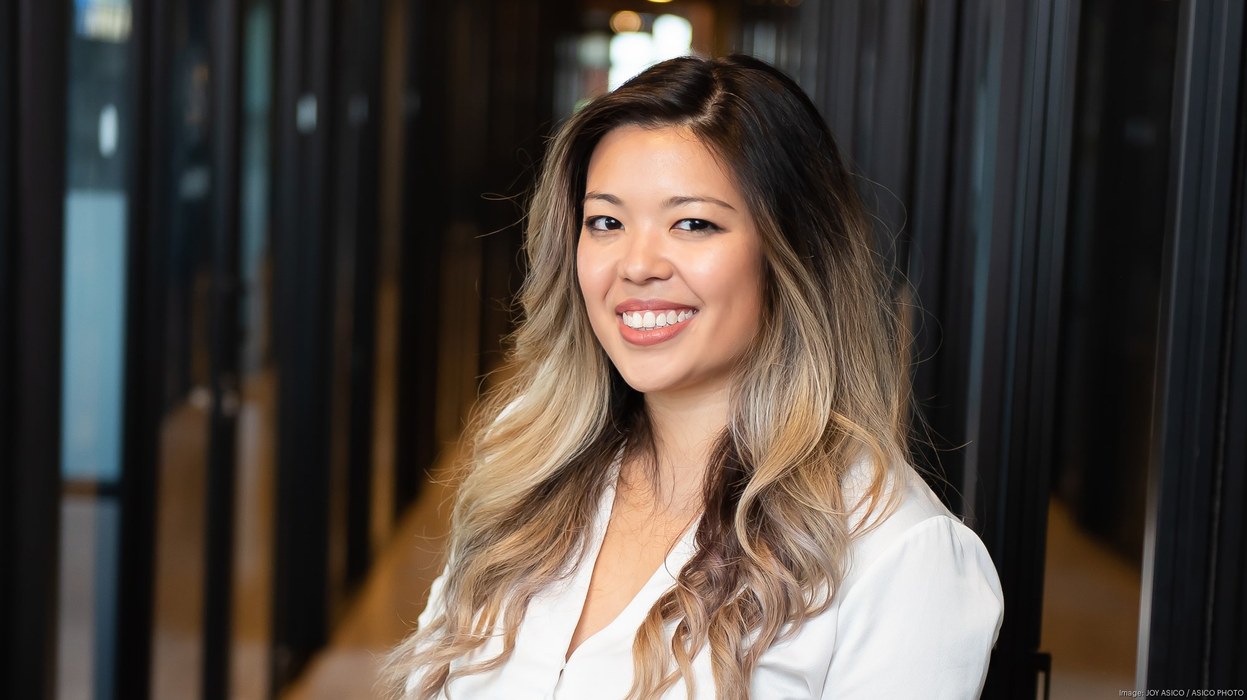
Ayeshah Abuelhiga Put a Biscuit in an Ice Chest - and Found a Bigger Table
She left the corporate ladder to fix a disappointing biscuit. The restaurant drew lines; the frozen dough traveled farther - and turned a Baltimore lesson about comfort food into a national grocery business.

Ben Lewis Built a Food Company by Missing the Shelf
A lost Whole Foods launch forced Ben Lewis to learn what the shelf could never tell him. Eight years, more than 80 million meals and one enormous Target debut later, the detour looks less like a setback than the design of Little Spoon.
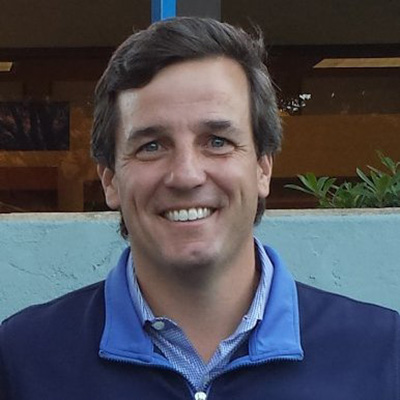
Robert Mock Bet the Company on a Seaweed Chip. The Recall Made Him Smarter.
A former derivatives banker tried to make seaweed crunch like a tortilla chip, lost the bet, and rebuilt around a better signal: what shoppers actually put in their carts.

Katie Tyson Bought the Cereal Her Customers Refused to Lose
A flood of customer pleas turned a sustainable-grocery marketplace into the unlikely steward of a disappearing breakfast brand. Katie Tyson followed the signal, bought Love Grown and rebuilt her company around the ordinary things people refuse to give up.
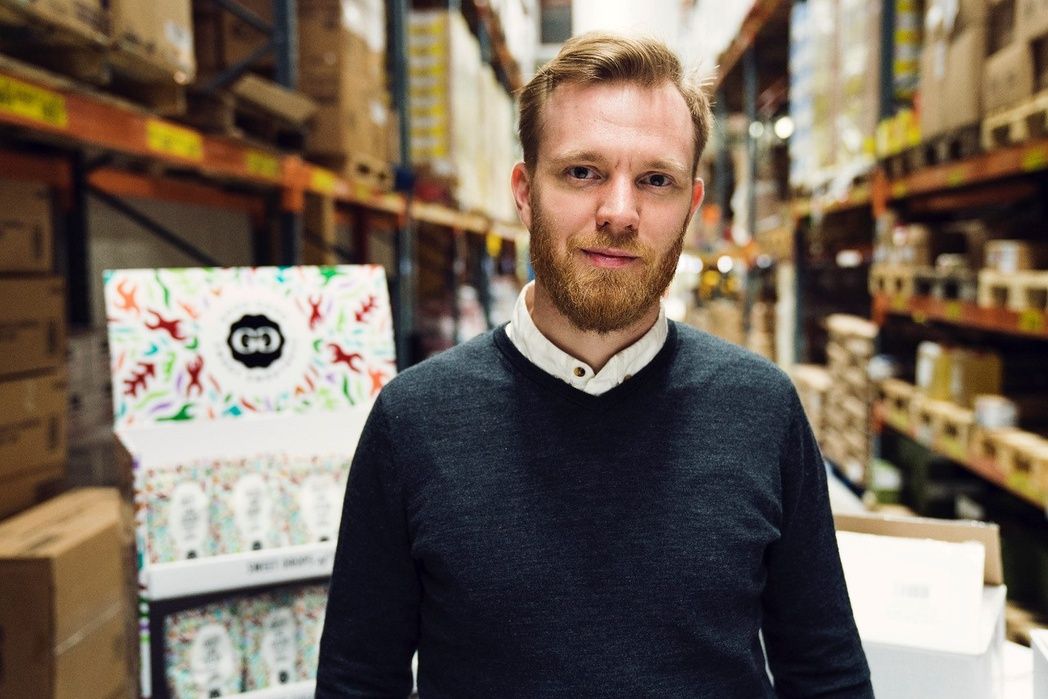
Gardar Stefansson Put Stevia in the Fine Print - and Jam on 10,000 Shelves
An expiring pile of sweetener became a kitchen experiment, then a pantry brand. The useful part of Gardar Stefansson's story is how often progress arrived after he admitted the first idea was wrong.

Patrick Mateer Put the Farmers Market in the Freezer
A 6:30 a.m. farmers-market shift showed him the absurdity hiding in plain sight: beloved local fruit, a brutally short selling season, and good harvests with nowhere to go. His answer was a regional cold chain built to make summer last all year.

Ryan Black Bet 26 Years on a Berry America Couldn’t Pronounce
A surf trip supplied the idea. A phone book, a credit card and years of unglamorous supply-chain work made it travel.

Andrew Benin Put Olive Oil in a Squeeze Bottle - Then Built for the Grocery Aisle
A trip through Andalusia supplied the obsession. A chef supplied the constraint. Andrew Benin turned both into Graza - and learned that a playful bottle still has to survive the hard arithmetic of retail.

Matthew Parry Put a Familiar Snack in a Better Can
The Australian marketer did not invent the canister chip. He noticed what families still wanted from it, rebuilt the proposition around simpler ingredients, and spent a decade earning shelf space one retailer at a time.

Claire Fang Built a Consumer Brand Around the Part of the Oat Everyone Else Ignored
She did not invent oat bran. She made it legible - as porridge, a drink, a daily ritual and, eventually, a consumer company spanning continents.