financial-data
(41)
Dealogic keeps score on Wall Street. It also helps run the game.
Banks use Dealogic to see who is winning business, find their next mandate and manage the machinery of a capital raise. The interesting business sits between the league table and the order book.
Preqin’s £2.5 billion business: knowing what private money is doing
Preqin built a business answering the questions private markets prefer to leave complicated. Now BlackRock is putting its data inside the software investors use to choose funds, measure returns and follow the money.

Codat wants your bank to read between the ledger lines
After years connecting business software, Codat is teaching commercial banks what to do with the data. Its next test is whether better information makes for a better conversation.

Moneyhub left the app business. Your bank is its next screen.
The British fintech is trading its consumer storefront for a place inside banks, lenders and pension apps. Its pitch starts with a surprisingly expensive problem: financial data that nobody can quite make sense of.
Token.io Wants the Card Machine to Become a Bank Login
The London fintech does not want shoppers to know its name. It wants banks and payment companies to put their own names on a cheaper route from checkout to current account.

The Paperwork Factory Behind 20 Million Investment Documents
Structured products are sold as financial ingenuity. Behind them sits a paperwork problem of industrial scale - and WSD has spent more than 15 years turning that mess into infrastructure.

Hannah Hughes Makes the Complicated Feel Worth Choosing
From an Apple intern prototype to Plaid's top marketing job, Hannah Hughes has built a career translating intricate products into stories people can understand - and want.

Daloopa Makes the Spreadsheet Sweat Less
The dullest hour in equity research is also the easiest to get wrong. Daloopa wants to give it back, one source-linked cell at a time.
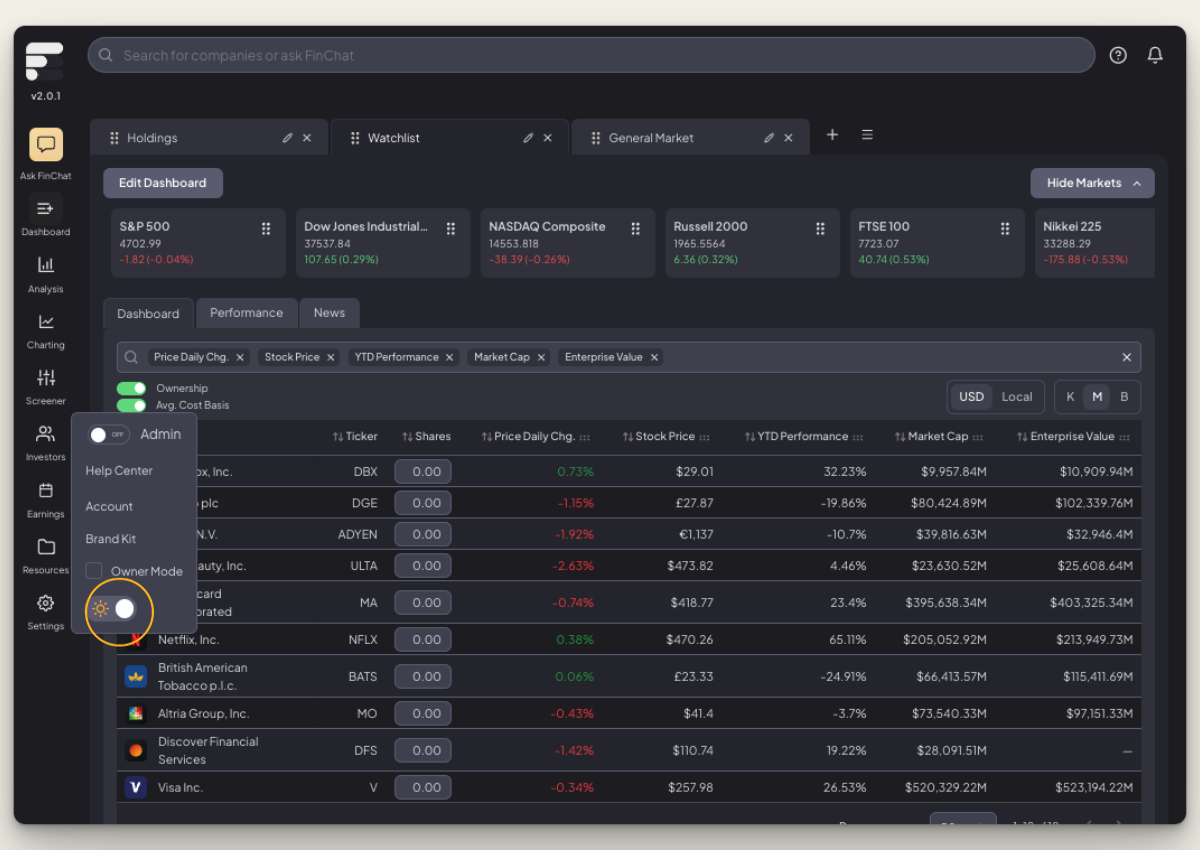
FinChat Put Wall Street’s Filing Cabinet in a Chat Window
The product once pitched as “ChatGPT for finance” grew into Fiscal.ai, a serious research terminal with unusually deep company KPIs. It can save an analyst hours, provided the analyst still checks the footnotes.

SOLVE Turned Bond Traders' Messy Inboxes Into a Market Data Machine
The bond market still speaks in fragments - runs, chats, spreadsheets and stale prints. SOLVE built a business by teaching machines to read that mess, then used more than $80 million and a string of acquisitions to turn the resulting data into pricing intelligence.
The $6 Trillion Plumbing Job: How BetaNXT Is Rewiring Wealth’s Back Office
Most investors will never see BetaNXT. Yet its systems touch roughly 50 million of them, process about 37 million transactions a day and sit beneath more than $6 trillion in assets. The company’s wager is simple: Wall Street’s old plumbing can become one connected data network without ripping out every pipe at once.

AlphaSense Turned Ctrl+F Anxiety Into a $7.5 Billion Research Machine
AlphaSense began with an analyst's fear of missing one decisive sentence. Fifteen years, five acquisitions and more than 500 million documents later, it wants to turn research from a scavenger hunt into an always-on system.
InvestCloud Put $4 Trillion on One Screen. The Hard Part Is Making the Plumbing Disappear.
InvestCloud grew by turning the wealth industry’s jumble of old systems into modular software. After a $1 billion deal made the platform much bigger, its next test is harder: make public and private assets feel like one portfolio without making the machinery visible.

The $5.3 Billion Deal That Died - and the API That Got Bigger
Plaid was supposed to disappear into Visa. Instead, the blocked $5.3 billion sale left it free to turn a bank-linking button into a broader financial intelligence network - with a valuation reset, a privacy reckoning and one very copyable startup lesson along the way.

Consumer Edge Turned Your Receipts Into Wall Street's Early-Warning System
Consumer Edge began as one analyst's escape from Wall Street turf wars. Now it turns card swipes, receipts and web traffic into an unusually practical answer to the question every brand and investor asks: what is the customer doing before the quarter closes?

Parker Gilbert Is Teaching Accounting Software to Show Its Work
After living through the spreadsheet drag of month-end close, Numeric's co-founder turned an operator's irritation into a broader argument: financial software should preserve context, invite scrutiny, and give accountants time to think.

Jenifer Brooks Put a Punchline in the Financial Data Feed
The FactSet CMO made information overload funny, then made the joke accountable to the numbers. Her career is a study in how judgment, context and a little comic timing can give a serious B2B brand a pulse.

Aman Mishra Is Teaching AI to Read the Fine Print
After low-latency trading systems and enterprise copilots, the Unsiloed AI co-founder found his company in a broken table: the place where flat text loses the plot.

Julian Rowlands Took the Scenic Route to the CFO’s Chair - Then Built the Software He Wished He’d Had
A history major became an accidental CFO in Jakarta, learned the job by assembling a personal board of mentors, and came home to build a governed data layer for finance. His career is a case study in turning an odd résumé into founder-market fit.

Reap Is Teaching AI the One Trick Investor Relations Cannot Fake: Knowing When to Shut Up
A nine-person fintech is turning filings, earnings calls and investor questions into an always-on IR desk. Its real product is not fluent answers - it is disciplined silence when the documents run out.
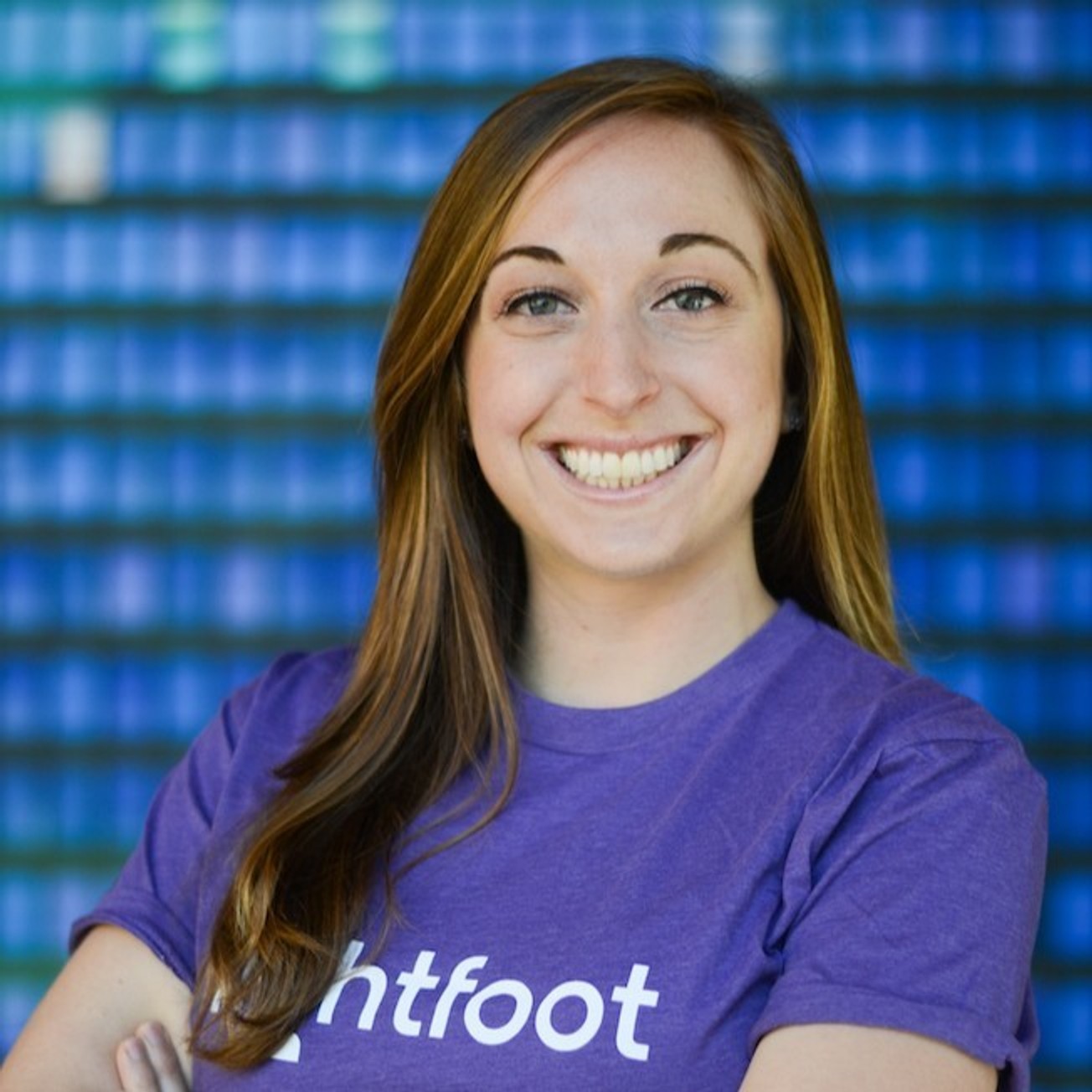
Danielle Pensack Learned to Build Fintech by Calling 150 Retirement Homes
Before Rightfoot built data infrastructure for lenders, its co-founder moved into a retirement community to test an entirely different idea. The experiment failed cleanly - and became the operating system for everything that followed.

The Company That Decides Which Markets Count
MSCI turns messy global markets into three-letter labels like EAFE and ACWI - and roughly $6.4 trillion in investor money follows where those labels point.

The Financial Terminal That Started on a Bicycle
Before FactSet became a $2.3 billion data business, its product arrived as four sheets of paper by bicycle messenger. The delivery method changed; the useful idea did not.
The Stock Exchange That Became a Software Company
Nasdaq still rings the bell. But the business behind the blue-lit tower increasingly sells the machinery, data and risk controls that keep markets running long after the ceremony ends.

The Company That Owns Wall Street's Plumbing
ICE began by dragging energy trading onto the internet. Twenty-six years later, its machinery runs beneath oil benchmarks, bond desks, the New York Stock Exchange and much of the American mortgage system.

S&P Global
It scores the debt of nations, names the index in your retirement account, and prices the oil in your tank. Meet the 165-year-old data company most people have never Googled.
Equifax
Most people meet Equifax as a credit score. Its larger business is the invisible machinery that helps decide who gets a mortgage, a job, a benefit or a second look - rebuilt on a $3 billion cloud platform and shadowed by the breach that changed the company.

Altin Kadareja
After years inside European finance, the Cardo AI founder turned an everyday frustration - fragmented data and manual loan workflows - into a company spanning New York, London, Milan and a Balkan tech hub.

BETA DATA
The Shanghai wealthtech firm arming banks with AI advisory workbenches - now expanding across Asia from Singapore and Hong Kong.

Wealor
Wealor is a San Francisco startup building an AI-native platform for wealth managers. It creates a single source of truth across wealth management, tax, and legal, then runs specialized AI agents that automate back-office work directly inside firms' existing legacy systems using APIs and browser automation. Backed by Y Combinator (Spring 2026 / P26), it targets an industry that oversees roughly $90 trillion on infrastructure built decades ago, where advisors report spending most of their day on administrative work rather than with clients.