ethical-sourcing
(13)
Traditional Medicinals puts a whole supply chain in your teacup
A Sonoma County herb-shop experiment grew into a national wellness business by sweating the details inside the tea bag. Its next test is a $47 million factory on the other side of the country.
The Pebble Group Put Software Behind the Swag
One half ships the objects global brands put their names on. The other half gives independent distributors the software, buying power and community to run the same complicated trade.
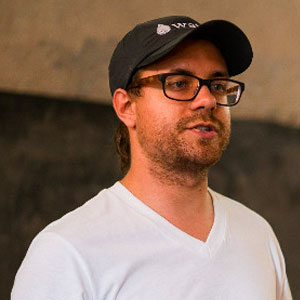
Andrew Vrbas Put a Soap Factory Inside an Argument About Business
A bus ride in Peru gave Andrew Vrbas an idea. A borrowed crockpot made it tangible. The more interesting work came later: turning a college experiment into a national brand without reducing purpose to a slogan.
Pacha Soap Built a $30 Million Business on Better Bars - Then Killed a Brand to Find Its Next Customer
A dorm-room crockpot became a national natural-care business by making soap look irresistible and its supply chain matter. Now Pacha is testing a harder proposition: whether a mission-led manufacturer can retire yesterday's story, fix the products customers gripe about and earn a younger shopper without losing the people who got it here.

The Mattress Company That Bought Its Way Back to the Farm
Avocado entered the bed-in-a-box fight with a difficult proposition: organic materials, its own factories and proof for nearly every claim. A decade later, that operational burden has become the brand's clearest advantage.
The Soap Bottle That Thinks It’s a Constitution
Dr. Bronner’s built a $209.8 million business around concentrated soap, crowded labels and a stubborn idea: the values should be inside the operating model, not parked in an ad campaign.
Frontier Co-op
A two-person spice operation that began in an Iowa river cabin now links tens of thousands of member-owners to growers around the world. Its real product is not only what sits in the jar - it is a supply chain designed to keep quality, livelihoods and accountability in the same conversation.
Geniemode
Geniemode is a Gurugram-based B2B cross-border sourcing and supply chain platform that connects global retailers and brands with a vetted network of manufacturers across apparel, home textiles, furniture, and accessories. Founded in 2021 by Amit Sharma and Tanuj Gangwani, it uses technology, AI-driven design, and integrated logistics to manage the end-to-end procurement cycle - from sample development and manufacturing to compliance, quality control, and delivery - offering buyers cost transparency, smaller MOQs, and faster turnaround than traditional sourcing agents.

Emily Stone
Emily Stone is the founder and CEO of Uncommon Cacao, the first specialty cacao trader to publish verifiable prices for every transaction along its supply chain. From a base that started in the jungles of Belize and Guatemala, she built a Transparent Trade model that sources from more than 10,000 smallholder farmers across 15+ countries and supplies hundreds of craft chocolate makers worldwide. An Ashoka Fellow and Georgetown-trained sociologist, she is trying to decommoditize cacao by making farmers the protagonists of the chain rather than its afterthought.

Debbie Wei Mullin
Debbie Wei Mullin is the founder and CEO of Copper Cow Coffee, a Los Angeles based Vietnamese coffee company she launched in 2016 out of her sister's garage. A UC Berkeley economist and MIT-trained urban planner who once managed supply chains at the World Bank, she turned her mother's Vietnamese heritage into a single-serve pour-over inspired by the traditional phin filter. The company has sold more than 20 million coffees, reached over 3,000 retail doors including Target, Whole Foods and Costco, and pays its Vietnamese farmers roughly twice the market rate. She pitched on Shark Tank Season 12 in 2021.

Uncommon Cacao
Uncommon Cacao is a specialty cacao trader that buys high-quality beans from thousands of smallholder farmers and sells them to premium and craft chocolate makers worldwide. Its signature move is radical openness: it publishes a public Transparency Report disclosing the prices paid at every step of the supply chain, and remains the only international cacao trader to do so. Founded by Emily Stone and built on the back of its Belize export operation Maya Mountain Cacao, the company is a certified B Corp and Public Benefit Corporation working to decommoditize cacao and pay farmers more.

Brilliant Earth
Brilliant Earth is a San Francisco-based fine jewelry company that built a business on a simple premise: customers should be able to know where their diamonds and gold come from. Founded in 2005 by Stanford classmates Beth Gerstein and Eric Grossberg, the company pioneered the market for ethically sourced engagement rings, natural and lab-grown diamonds, and recycled precious metals. It went public on the Nasdaq in 2021 (ticker BRLT) and operates an omnichannel model spanning e-commerce and dozens of US showrooms.

Beth Gerstein
Beth Gerstein co-founded Brilliant Earth in 2005 after a personal search for an ethically sourced engagement ring turned up nothing worth buying. An engineer by training (Duke BS at 19, MIT MS, Stanford MBA), she built a company that now generates $422 million in annual revenue and trades on Nasdaq (BRLT). Brilliant Earth is the rare luxury brand that treats supply chain transparency as a marketing advantage rather than a compliance headache - offering Beyond Conflict Free diamonds with traceable origins, lab-grown stones, and recycled metals. Under Gerstein's leadership, the company has donated over $2 million through the Brilliant Earth Foundation, partnered with Dr. Jane Goodall on conservation collections, and expanded to 28+ showrooms while maintaining 14 consecutive quarters of profitability as a public company.