digital-infrastructure
(32)
The PR Firm That Learned to Speak Fiber
The internet has a plumbing problem and a language problem. From a house in Mamaroneck, iMPR built a business translating fiber, colocation and subsea cables for the people who decide what gets noticed - and, increasingly, what gets built.

Engage PR makes the internet’s plumbing worth talking about
Fiber routes, optical networks, data centers: Engage PR works where the technology is complicated and the audience is exacting. Its second act began just as the world stopped meeting in person.

Point Broadband’s big bet on small-town internet
A $725.1 million debt deal and a merger with Clearwave Fiber have given Point Broadband room to grow. In Foley, Alabama, the work came down to new fiber, old cable boxes and teaching people to stream.
Singtel’s Next Act: Renting Out the AI Factory
The company that connected Singapore is selling the networks, computing power and data-centre space behind artificial intelligence. Its next test is making that expensive machinery earn its keep - while keeping the phone lines working.

Indonet knows the cloud needs a way home
Indonesia’s first commercial internet provider now connects the clouds, data centers and businesses behind the screen. Its next chapter runs through Jakarta’s streets, where a severed fiber can spoil the costly software.

Hotwire’s big broadband bet starts at the HOA meeting
Hotwire sells fiber to whole communities, turning the association contract into a broadband business. Behind the speed claims sit construction crews, a 50G trial and a deal reported at roughly $7 billion.

Mathew Donoghue Is Marketing the Rooms Where AI Becomes Real
After two decades selling increasingly invisible technology, the Sydney-trained marketer has arrived at its most physical layer: the data centers powering AI. His job is to make concrete, cooling and connectivity feel like a story about possibility.

Jonathan Hatzor Is Putting a Price on the Moment the Internet Blinks
The Parametrix co-founder built sensors for an invisible risk, then persuaded insurers to trust the signal. Now cloud downtime is becoming a line item in the economics of AI, data centers and everyday business.

Ben Edmond Put the Telecom Industry’s Spreadsheets on Notice
At 41, with two sons and a comfortable telecom career, Ben Edmond traded a salary for a stubborn idea: the internet’s commercial plumbing should run on location truth, not emailed spreadsheets. A decade later, Connectbase is still pursuing the same thesis - only the map has become much larger.
Connectbase Wants to Turn Telecom's Spreadsheet Swamp Into One Click
The fiber business still runs on stale building lists, email chains and quotes that arrive after the buyer has moved on. Connectbase is betting that location truth, shared APIs and a two-sided network can turn that administrative drag into software - but only if the industry's data and partners show up.

Toshiba Lost the Living Room. Can It Win the Infrastructure Underneath Everything?
The 150-year-old Japanese icon survived scandal, a nuclear wipeout and a rejected breakup. Now private, leaner and newly profitable, it is betting that the best place to rebuild a household name is far outside the household.
When the Cloud Goes Down, Parametrix Cuts the Check in Days
A New York insurtech wrote a policy that pays out automatically when AWS, Azure or Google Cloud stops working. Then, on one July morning, CrowdStrike proved the whole thesis was worth billions.
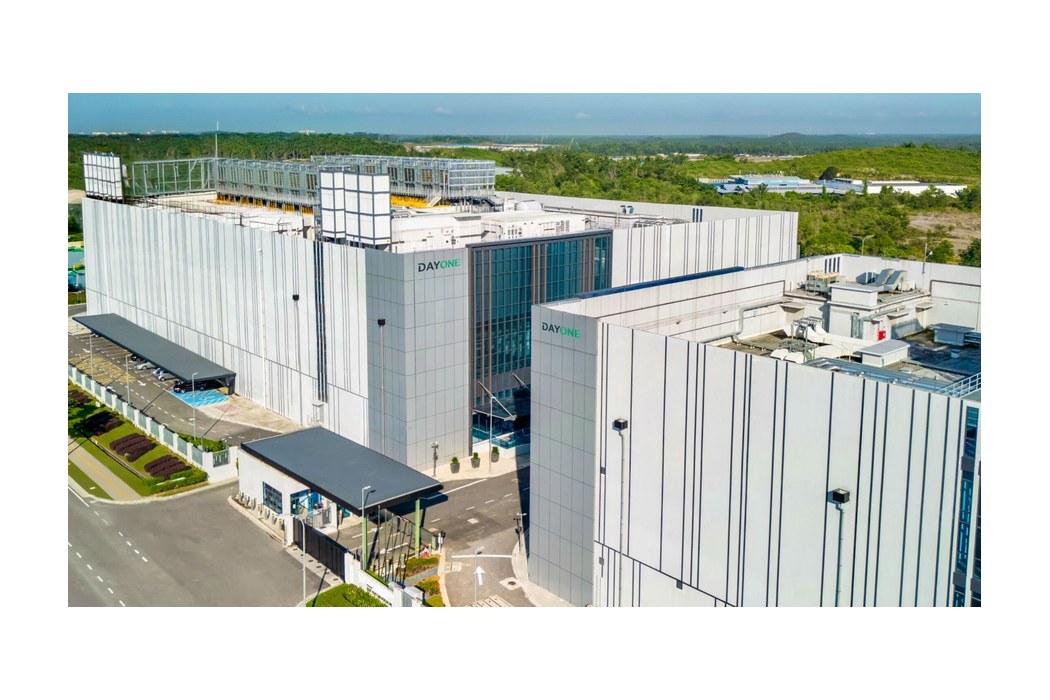
DayOne Is Turning Three Neighbors Into One Giant Data Center
The Singapore infrastructure company is stitching together land, power and fiber across borders - then exporting the playbook from Southeast Asia to Tokyo and Finland.
GreenPoint Is Turning the Forgotten Corners of Infrastructure Into Operating Systems
The New York investment firm has raised more than $1 billion to combine land, operators and software - from truck terminals and fleet-charging hubs to farms and housing.
The $60 Billion Firm That Builds Infrastructure Companies From Scratch
I Squared Capital does not merely buy roads, grids and data centers. Its repeatable trick is to turn small groups of essential assets into operating platforms built to grow across markets.

Applied Digital Is Building AI's Landlord Business - One Megawatt at a Time
The AI race is usually told in chips and models. Applied Digital is betting that the harder business is underneath them: securing power, pouring concrete and keeping densely packed machines cool for decades.

The Bitcoin Miner That Learned to Rent Power to AI
Core Scientific spent years turning electricity into Bitcoin. Now it is converting the same hard-won sites, substations and operating know-how into something AI companies need even more: rooms where extremely dense computers can run on schedule.

The Bitcoin Miner That Decided It Was Really an Energy Company
MARA runs roughly 1.9 gigawatts of computing across four continents, holds more than 50,000 bitcoin, and now wants to sell you the cooling tanks and energy software behind it all.
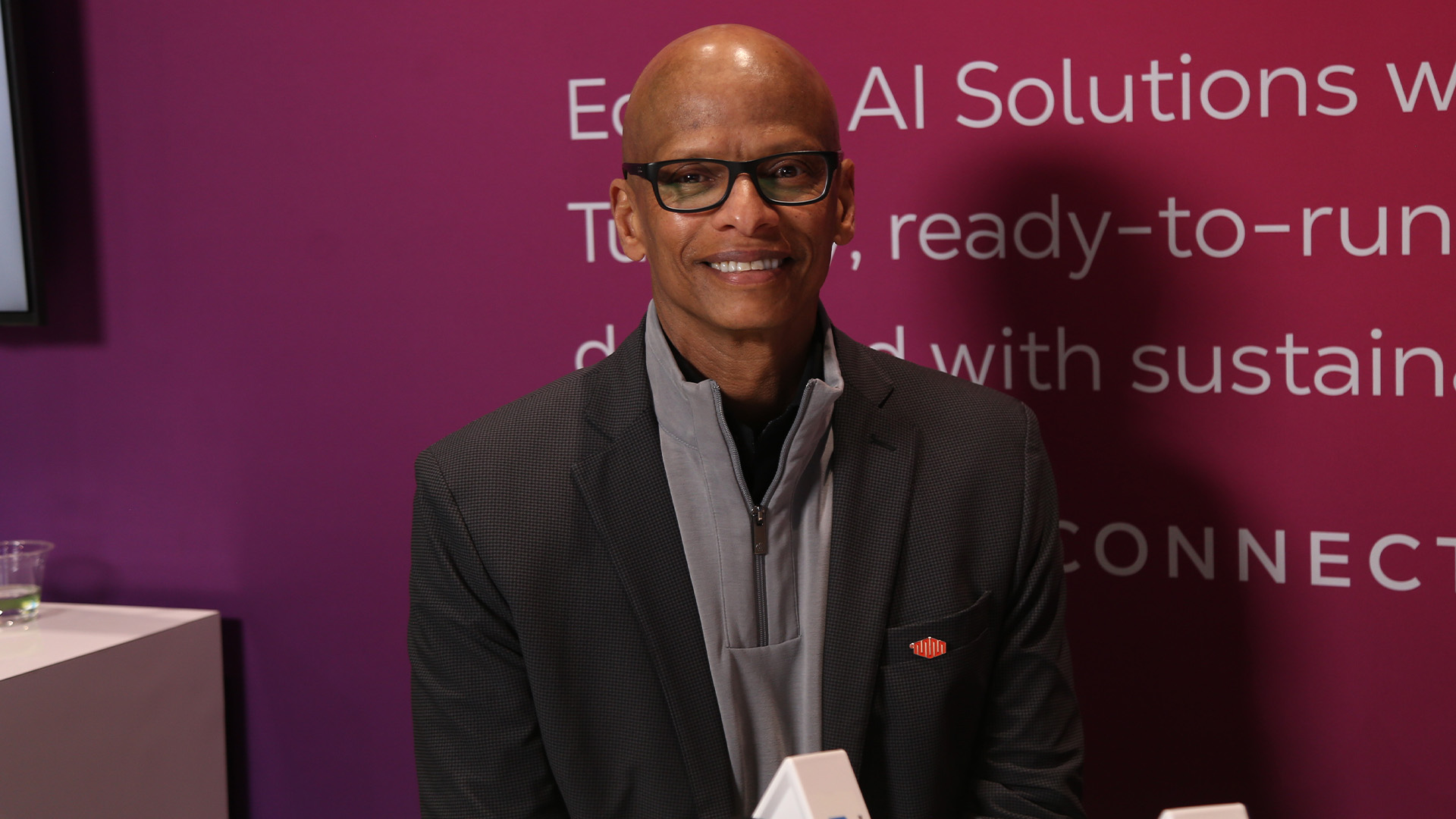
Adam Berlew Keeps Coming Back to the Machines
He wrote his first programs as a teenager, then spent 25 years explaining machines to the people who buy them. Now he markets the buildings where the AI boom actually lives.
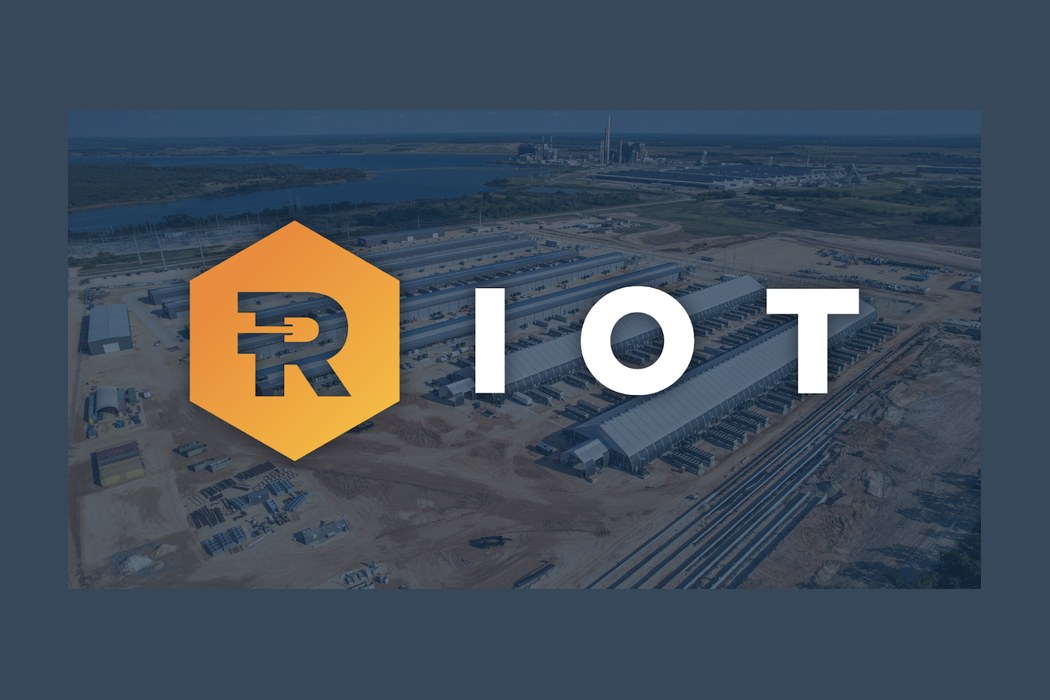
Riot Platforms, Inc.
Riot spent years turning cheap electricity into Bitcoin. Now the same land, substations and cooling know-how are being repackaged for AI - a pivot that could make the power connection more valuable than the mine.

Digital Realty
The company you have probably never heard of owns the buildings your favorite apps actually live in. Here is how a REIT born from bankruptcy auctions became the landlord of the AI boom.

Lumen Technologies
A Louisiana telephone descendant is wagering that the most valuable layer of AI may be the glass beneath it. Lumen is turning a sprawling fiber backbone into a programmable network enterprises can switch on in minutes.

Younity
Younity is a New York and Tel Aviv based proptech company that builds a software-defined digital infrastructure platform for multifamily and commercial buildings. It delivers property-wide, instantly provisioned WiFi paired with a SaaS layer for building performance monitoring, cyber protection, proactive service and an open platform for smart-building integrations. Younity helps landlords, developers and asset managers turn connectivity from a cost center into a revenue source while giving tenants lightning-fast, secure internet from move-in.
Equinix
Equinix is a global digital infrastructure company that designs, builds and operates carrier-neutral colocation data centers - its International Business Exchange (IBX) centers - where enterprises, cloud providers, networks and financial institutions place equipment and interconnect directly with one another. Founded in 1998 on the principle of neutrality, Equinix has grown into the world's largest data center and interconnection platform, operating a programmable network of more than 270 data centers across roughly 75+ markets in 30+ countries. Structured as a real estate investment trust (REIT) since 2015, the company pairs physical colocation with software-defined services such as Equinix Fabric, Metal and Network Edge, positioning itself as the meeting place for hybrid multicloud and, increasingly, distributed AI workloads.

Evocative
Evocative is a Los Angeles-based digital infrastructure provider that delivers enterprise-grade colocation, bare metal servers, carrier-neutral network, and managed services. Built largely through acquisition, its footprint spans roughly 20 data centers and dozens of Points of Presence across strategically located North American, European, and Asian metros. Evocative positions itself as a carrier-neutral, edge-ready alternative to the largest colocation operators, giving enterprises and service providers full control over performance, connectivity, and scaling for workloads that increasingly include AI.

Ingenium LA
Ingenium is an independent engineering, consulting and operations firm specializing in mission-critical data centers across Latin America. Founded in Costa Rica in 2008, it acts as a vendor-agnostic trusted advisor that plans, designs, builds, certifies and operates high-availability digital infrastructure. The firm has worked on more than 150 data center projects in over 20 countries and holds one of the region's largest rosters of engineers accredited by the Uptime Institute, BICSI, LEED, PMI and ISO - including work on Latin America's first Tier IV design certification.

Sidewalk Infrastructure Partners (SIP)
Sidewalk Infrastructure Partners (SIP) is an infrastructure developer and holding company that builds and operates businesses reshaping how energy and digital systems work together. Founded inside Alphabet in 2017 and spun out as independent in 2019 by Sidewalk Labs veterans Jonathan Winer and Brian Barlow, SIP raised $400 million in 2020 backed by Alphabet and the Ontario Teachers' Pension Plan. It identifies bottlenecks in physical infrastructure, then pairs technology with capital to create new operating companies - most recently Renew Home, a roughly one-gigawatt residential virtual power plant, and Verrus, which designs large-scale data centers that flex their grid draw on demand.

Karl Meyer
Karl Meyer is General Partner and Managing Director, Head of Global Portfolio Operations at Digital Alpha, an alternative asset manager focused on digital infrastructure - the backbone of the digital economy spanning next-generation networks, cloud, and IoT/Smart Cities. Bringing two decades of enterprise technology experience from Cisco, Kleiner Perkins, HPE, and Incorta, Meyer joined Digital Alpha in October 2021 to build a world-class operations function and drive measurable value creation across the firm's portfolio companies. He currently serves on the boards of Energybox and PacketFabric, where his enterprise software and go-to-market expertise helps portfolio companies scale into Global 2,000 accounts.

Derek Garnier
Derek Garnier is the CEO of Evocative, a global digital infrastructure provider headquartered in Los Angeles, California. With over 35 years in the industry, he has built, operated, and sold multiple companies across data centers, fiber networks, and managed services. A former engineer turned strategist, Garnier co-founded Arcadian Infracom, led Layer42 Networks through a successful acquisition by Wave Broadband in 2015, and returned to Evocative as CEO in February 2023. He champions hybrid cloud, AI-ready infrastructure, and inclusion as core business pillars, guiding Evocative through a significant debt financing round in December 2025 to expand high-density colocation and network capacity for next-generation AI applications.

Sachin Puri
Sachin Puri is the Chief Executive Officer of Bluehost Group (Newfold Digital), the umbrella that houses Bluehost, HostGator, Yoast, and YITH. An IIT Kanpur engineer with a Michigan Ross MBA, he spent two decades marketing and operating high-growth SaaS, security, and commerce brands - WP Engine, McAfee, StubHub, eBay, HP, Liquid Web - before taking the corner office in May 2025 with a mandate to rebuild the open web for the AI era.