digital-advocacy
(25)
Susannah Vila wanted to move. The lease had other plans.
A serial subletter built Flip to make renting fit a changing life. The path to Caretaker began earlier, with a different question: how do you get useful technology into the hands of people who need it?
DDC Public Affairs makes participation personal.
A million-dollar fundraising day reveals the idea behind DDC Public Affairs: understand why people care, then make it easier for them to act.

Yoonhyung Lee and the art of asking people to care
Before she became CEO of M+R, Yoonhyung Lee helped invite the public into the Smithsonian’s work. Her career follows a deceptively difficult question: how do you turn someone’s interest into a reason to take part?

FiscalNote and the price of knowing what happens next
FiscalNote turned scattered government documents into a subscription business. Now the company that helped customers decide what deserves their attention is making the same decision about itself.
Countable and the Civic App That Became a Company Town Square
Countable taught people to speak to Congress. Then it discovered that companies, causes and campaigns wanted a way to listen - and to turn that conversation into action.
Bravo Group Found the Voters Who Stopped Picking Up the Phone
The Harrisburg firm began with a political operative's instinct: every hard business problem contains a campaign. Then the phone stopped working - and Bravo built its own way to listen.
The Bank Said No. Social Driver Built the Agency Anyway.
Two founders arrived in Washington without capital or connections. Fifteen years later, their agency's sharpest trick is still the same: finding the human route through a digital problem.

VOX Global and the Tiny Audience That Matters Most
Most agencies chase reach. VOX Global starts by finding the few people whose opinions can move a policy, a reputation or an institution - then engineers the route to them.

The Meeting Is the Easy Part
Washington runs on access, but FTP built a business around the harder question: once the door opens, what should a client actually say - and who else needs to say it?
The Bus Left Town. The Campaign Stayed.
A Washington public-affairs firm turned an 80-stop bus tour into a year-round advocacy engine. The trick was not louder messaging. It was refusing to let the audience disappear when the bus pulled away.
The Small Agency That Learned to Make Washington Echo
Curley Company built a Washington communications business around a simple observation: one message rarely moves anyone. The trick is to make the right idea arrive from every direction - without letting it sound rehearsed.
How Jefferson Waterman International Makes the World Feel Like a Small Room
A 13-person Washington consultancy sells something larger firms struggle to bottle: senior judgment, political access and the nerve to work where business plans become foreign policy.
The Lobbying Firm That Starts by Listening
In Washington, access is easy to advertise and hard to prove. Cogent Strategies built a different pitch: combine the lobbyist’s map, the reporter’s ear, and the researcher’s evidence - then listen before asking anyone to move.

Think Big Wins by Making the Message Smaller
The public-affairs firm sells speed, but its more interesting habit is subtraction: test widely, cut weak channels early, and leave an audience with one thing worth remembering.

The Clean-Energy Fight Happens Before the Hearing
Bantam Communications has built a business around an awkward truth: a technically sound energy project can still die in a county meeting. Its answer is part research desk, part political campaign, and part software command center.

Soapboxx Turned the Supporter List Into a Camera Crew
The browser-based platform removes the crew, the app download, and the awkward live interview - then gives campaigns and nonprofits a workable way to collect, approve, and circulate real stories.

The Campaign Around the Campaign: How Unearth Makes Influence Feel Personal
Most political advertising buys an audience. Unearth maps the people around the person who matters - then supplies the data, messages and timing to make an issue difficult to ignore.

Perry Communications wants your cause in the state budget
A televised colonoscopy. A campaign for older Californians. A network of sickle cell clinics. The Sacramento firm builds communications around the thing people need to do next.

Randle Communications knows when Sacramento leaves town
A California public affairs firm built a housing campaign around legislative recess. Its larger business is knowing who needs to hear a message, where they will hear it, and what they can do next.
EMC Communications knows who should do the talking
A business owner asking for higher wages. A banker stepping out of crisis mode. EMC Communications helps good causes find the people, evidence, and timing that make a story travel.
NEP Services bets on the people who pick up
From direct-mail fundraising to union software, NEP Services has built a business around a stubborn problem: getting people to answer when their organization needs them.

Cosmic wants good causes to stop being easy to ignore
The Santa Cruz creative agency traded Silicon Valley generalism for social impact. Its work asks an awkward question: what happens after someone decides to care?

GT sells a plan for the people who can say no
A trade negotiator, political strategists and crisis communicators share a business: helping organizations make their case when government and public opinion have a vote.

Change.org
Change.org is the world's largest online petition platform, letting anyone start a campaign, gather signatures, and pressure decision-makers on social, political, and consumer issues. Founded in 2007 by Ben Rattray, it now reports more than 580 million users worldwide. The platform operates as a public benefit corporation and, since 2021, is wholly owned by the nonprofit Change.org Foundation. Its stated mission is to empower people everywhere to create the change they want to see and to shift the balance of power between individuals and large institutions.
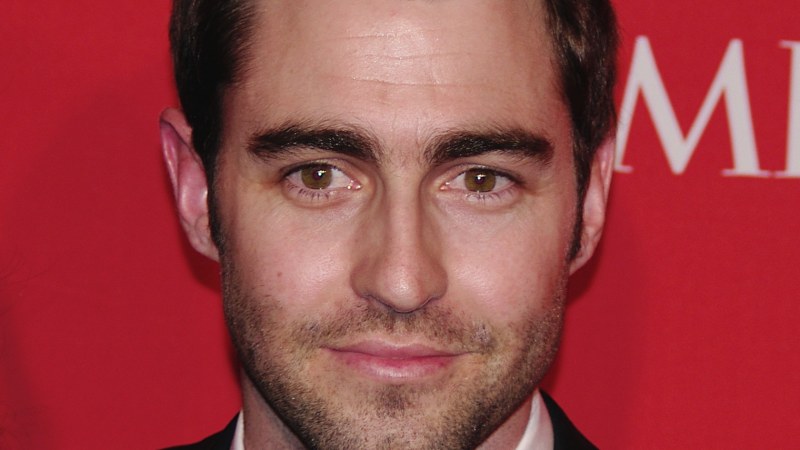
Ben Rattray
Ben Rattray is the founder and Executive Chair of Change.org, the world's largest platform for social change. He started it in 2007 with a borrowed $1,000 after his brother's coming-out reframed how he thought about bystanders and responsibility. What began as a social network for activists became a petition engine that has grown to hundreds of millions of users worldwide, turning ordinary signatures into pressure on corporations and governments. Named to TIME's 100 Most Influential People and Fortune's 40 Under 40, Rattray has spent his career trying to shift the balance of power between individuals and large institutions.