The first thing to disappear was the ordinary fundraising calendar. In 2020, elective surgeries stopped, anesthesiologists faced a public health emergency, and the American Society of Anesthesiologists PAC put its usual appeals on hold. Asking a physician for a political contribution suddenly required a different conversation. DDC Public Affairs helped the organization find one.
- The work: public affairs campaigns, grassroots organizing and strategic communications.
- The machinery: proprietary advocacy databases, websites and PAC tools.
- The lesson: make participation fit the person you are asking.
A million dollars, after the pause
ASAPAC’s restart was called a Day of Participation. DDC describes a shift away from suggested giving pressure toward solidarity, supported by the systems needed to make donating straightforward. The Public Affairs Council’s account adds the human detail: physicians had been dealing with lost surgical volume, financial strain and urgent patient needs. The association had redirected its attention toward helping them.
On August 26, 2020, the program resumed with a Zoom event and three panels. Hundreds joined. Over the following 24 hours, the PAC raised $1,006,975. It later won the Council’s 2021 Outstanding PAC Award in the association category. DDC provided backend support; the physicians, association staff and donors supplied the relationships and the money.
The interesting part is the changed invitation. A familiar campaign had become inappropriate because its audience’s circumstances had changed. The response gave people a way back into a professional community. That distinction matters to anyone who has ever stared at a healthy mailing list and wondered why nobody was answering.
The company behind the invitation
DDC began in 1996 as Democracy Data & Communications, founded by B.R. McConnon. Its early work included ZIP-to-district matching and online grassroots and PAC databases. These are wonderfully unglamorous problems: which elected official represents this person, and how do you keep a useful record of their involvement?
Over time, the business added phone outreach, local partners, political strategy and communications. Omnicom’s DAS Group acquired DDC Advocacy in December 2014. The acquisition announcement described a combination of campaign services, research and software. The pairing remains central to understanding DDC: a client can buy help deciding what to do and the infrastructure needed to do it.
“Your Voice AMPLIFIED”DDC’s public-facing promise
Its customers include companies, trade associations, nonprofits and government organizations. For those buyers, public affairs can involve recruiting supporters, explaining a policy issue, organizing a coalition or managing a PAC. A persuasive sentence is useful. So is knowing who should receive it, what they have already done, and whether they can complete the next step.
Persuasion has a back office
Democracy Direct is DDC’s proprietary constituent relationship management platform. Around it sit tools for grassroots records, PAC management, advocacy websites and fundraising. PACWeb supplies personalized PAC websites; Capitol Connect helps supporters contact elected officials. Voting resources and integrations connect these activities to an organization’s wider public affairs program.
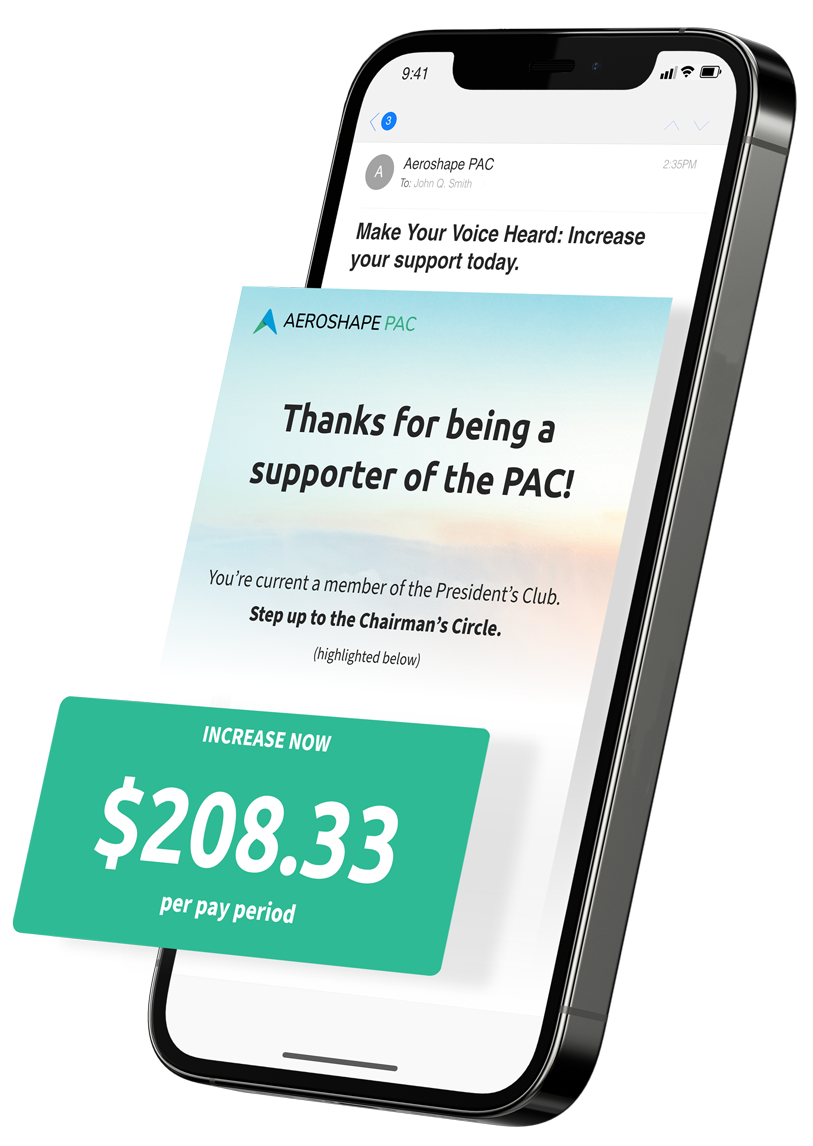
Think of the arrangement as a sequence. First, establish who belongs in the audience. Then give different groups a relevant reason to engage. Offer a manageable action. Record the response so the next communication can reflect it. This is an editorial reading of DDC’s product design, rather than a promise that every campaign follows an identical recipe.
the audience
invitation
action
the response
The commercial model combines services with software and hosted websites. That makes the buying decision partly operational. An organization with an experienced internal campaign team may need different support from one that also needs creative work, outreach and PAC administration. The scope matters as much as the product name.
Sometimes the audience is watching the news
DDC’s range becomes clearer in its work for CNA, the Singapore-based news brand entering North America. The challenge was recognition in a crowded media market. DDC’s case study describes audiences ranging from Washington decision-makers to Asian diaspora communities and documentary enthusiasts. Its response combined a launch event, digital and outdoor advertising, influencers and earned media.
This is a useful counterweight to the image of public affairs as nothing but letters to Congress. Audience research can also help a media brand find viewers. DDC’s creative work for the National Ready Mixed Concrete Association’s Build with Strength brand similarly moved into advertising, design and content. The common task is making a message relevant to a particular group.
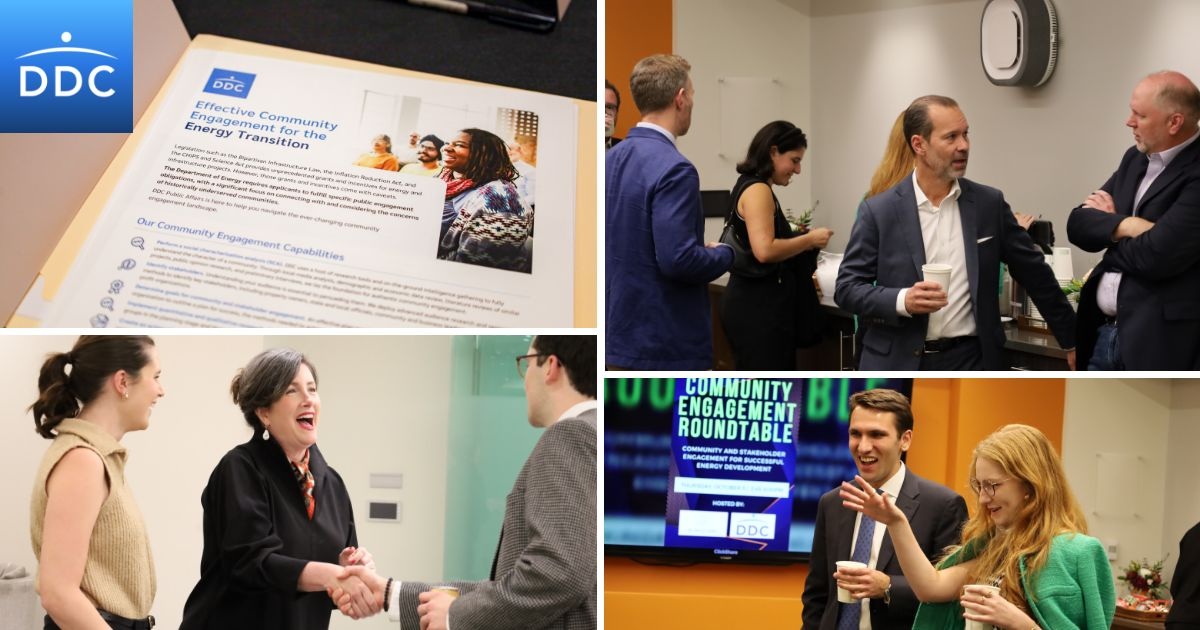
The firm also describes an internal culture built around respect, with community service through DDC Cares, a Women’s Leadership Forum and ConnectUp mentorship. Those named programs give its culture claim some substance. They also suit a business whose work depends on people from political, creative and technical backgrounds finding a common language.
What a database cannot do
The ASAPAC result is evidence of one successful reset. It cannot tell a buyer what another campaign will raise or which message will persuade a legislator. Participation needs a reason; software can help deliver and measure the invitation. Confusing those two jobs is an expensive way to collect tidy dashboards.
DDC makes a related argument in its analysis of TikTok’s legislative advocacy: mobilizing people before they understand the issue can undermine the effort. The practical lesson travels beyond politics. Explain the ask, understand the audience and prepare people to act. A bigger contact list cannot do that thinking for you.
For a prospective client, the useful opening question is therefore precise: where does participation stop? At awareness, at understanding, at the action itself, or in the administrative work afterward? DDC’s range gives it several places to intervene. ASAPAC’s experience suggests the most consequential change may begin before anyone touches the software.
Follow the work
DDC’s website ↗ · Explore the technology ↗ · Campaign stories ↗
LinkedIn ↗ · X ↗ · Instagram ↗ · Facebook ↗