data-security
(77)
Lepide Turns Permission Sprawl Into a Shorter To-Do List
The British cybersecurity company spent two decades turning raw change logs into answers. Now it is betting that permissions cleanup - not another wall of alerts - is what lean security teams will pay for.

Sarah Hospelhorn Makes the Invisible Risks in Data Impossible to Ignore
A physics-and-literature graduate became a builder, product marketer, and CMO by learning the same lesson three times: technology matters only after someone makes its meaning clear.

Naveen Palavalli Learned Security in Code. Now He Sells Its Next Vocabulary.
After 26 years moving from distributed systems to product strategy and global marketing, Cyera's CMO is betting that the defining AI-security argument begins with the data underneath it.

Todd Partridge Wants AI in the Deal Room - With the Door Locked
After a career spent making sensitive information useful without making it vulnerable, the Boston-area software executive is arguing for a more disciplined age of AI-assisted dealmaking.

Seth Knox Has Spent a Career Giving Security’s Next Problem a Name
From endpoint security to email identity, confidential computing and AI data governance, Seth Knox’s career follows a useful pattern: arrive while the category is still foggy, then give customers a map.
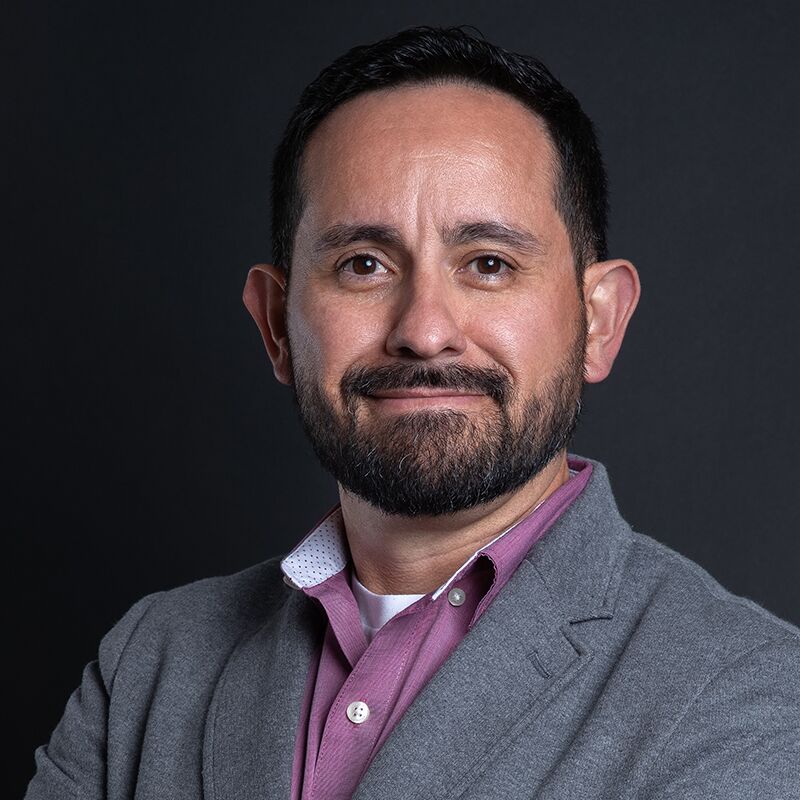
Isaac Roybal Came Back to Seclore With a New Operating System
The former systems engineer has spent more than 25 years translating complicated technology into reasons to care. After leaving Seclore, he returned with a 90-day experiment: make AI part of the work, not a decorative side project.

Rob Sobers Still Thinks Like an Engineer. That May Be His Marketing Advantage.
He learned to code to win at a text-based game, nearly went to law school, and entered marketing through the side door. At Varonis, Rob Sobers has spent more than a decade proving that technical fluency and plain speech can belong in the same room.
Cyera Found the Data Nobody Could See. Now It Wants to Police Every AI Agent.
Cyera turned a five-minute cloud connection into a map of the enterprise's most awkward secrets. Five years, seven funding rounds and a string of acquisitions later, its wager is bigger: that no company can trust AI until it knows exactly what every human and machine can see.
Fortra Bought a Cybersecurity Arsenal. Now It Has to Make the Pieces Talk.
The company once helped operators run overnight jobs on IBM machines. Four decades and a long acquisition spree later, it is trying to turn a cabinet of famous security tools into one coherent defense - while learning what happens when one trusted product becomes the way in.
Odaseva Bet That Salesforce's Biggest Customers Needed More Than a Backup Button
A request from Schneider Electric became a 12-petabyte data platform. Now Odaseva is trying to turn the least glamorous layer of Salesforce - backup - into the control plane for resilience, compliance and AI.
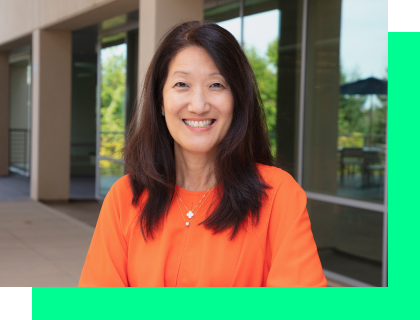
Carol Carpenter Would Rather Build the Elevator
From Apple product lessons to a 50-person CEO crucible and Cohesity's post-Veritas integration, Carol Carpenter has spent three decades turning complicated technology into decisions people can actually make.

John Knightly Learned Marketing Between a Potter’s Wheel and a Chalkboard
The Netwrix CMO grew up between clay and mathematics, then built a career translating enterprise technology into stories buyers can use. His latest assignment is making data and identity security legible in the age of AI.

The $15 Billion Backup Company That Wants to Make AI Trustworthy
Veeam turned the unglamorous work of backup into a $15 billion enterprise. Now it is betting $1.725 billion that the same customers will trust it to govern the data feeding their AI.
BigID Found the Enterprise’s Dark Data. Now It Wants to Govern What AI Does With It
BigID built a unicorn by answering a dull but dangerous question: what data does a company actually have? Ten years in, AI has made that inventory more valuable - and the company’s own reinvention more severe.

Varonis Is Betting the Company on One Idea: Protect the Data, Not the Perimeter
Two engineers built Varonis after a customer lost irreplaceable files and could not answer the simplest question: who touched them? Twenty-one years later, the company is forcing a second answer - security has to follow the data into SaaS, databases and AI, even when the migration hurts.

Netwrix Sold the Software Before It Existed - Now It Wants to Secure Every Identity Behind Your Data
A two-night coding sprint became a profitable security business. After 12 acquisitions and three investment chapters, Netwrix is trying to turn a crowded toolbox into one coherent answer to a hard question: who can touch the company’s most sensitive data?

Roshan Cariappa Has Spent 18 Years Learning When to Build, When to Pivot, and When to Listen
The engineer turned founder turned marketer built his career by staying close to the work - then turned hundreds of podcast conversations into a public notebook on how companies, categories and careers actually grow.

Himanshu Shukla Is Teaching Enterprise Data to Introduce Itself
After two decades building infrastructure, the Lightbeam co-founder made a human bet on enterprise security: every scattered byte matters because it belongs to someone.
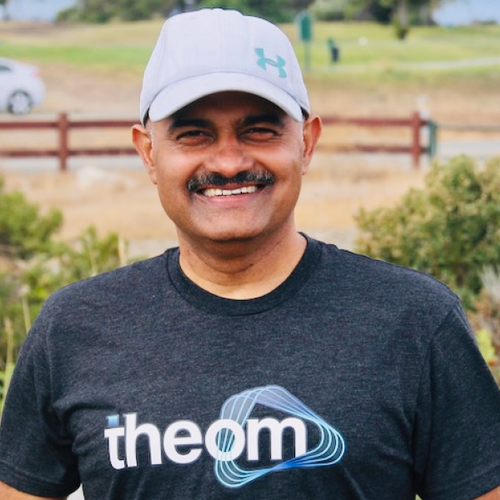
Navindra Yadav Keeps Moving the Security Perimeter
After helping build switches, programmable networks and a real-time map of the data center, the engineer behind Tetration is betting that security must now follow the data itself.

Nishant Doshi Has Spent 20 Years Following Data - Now the Data Is Learning to Move Alone
The Cyberhaven CEO has built and sold two companies by noticing where enterprise software was heading. His latest bet is that protecting files is no longer enough when data travels through people, prompts, and autonomous agents.

Amir Khayat Spent a Decade Learning to See What Security Teams Miss
Before Amir Khayat built Vorlon, he moved from code to customers to the machinery between them. His bet is that the next security fight lives inside the connections businesses barely see.

Bill Siegel Turned Ransomware Panic Into a Decision Tree
A distressed-debt trader walked into cybersecurity and found a market where the price was panic. His answer was data, practice and a stubborn preference for paying nothing.

Ron Daly Put a Bank Vault Inside the Browser
After 20 years as a financial-institution CFO, Ron Daly found his second act in an unglamorous corner of fintech: the sensitive document nobody should send by email.

Jay Kim Built a Security Company From an Elevator Introduction
A chance meeting in Korea gave Jay Kim an idea. Nearly two decades later, his Kansas company is still trying to make serious encryption feel ordinary.

Kyle DuPont and the Corporate Mess Hiding in Plain Sight
The Ohalo co-founder left institutional finance with a taste for difficult systems. His company now turns contracts, archives, and forgotten folders into data that enterprises can actually understand.

AI Agents Have the Keys. Vorlon Wants to Watch What They Do Next
The Mountain View security startup began by watching third-party APIs. Then AI agents arrived, inherited the credentials, and made the overlooked space between apps the main event.

Files.com Built a Control Tower for the Files Nobody Can Afford to Lose
Banks, airlines and retailers still run on files - lots of them, moving at strange hours between systems that were never meant to cooperate. Files.com has built a profitable business by turning that unglamorous mess into visible, automated infrastructure.
Ohalo Found 19 Million Files in a Bank's Blind Spot - Here Is the Data-Governance Playbook Enterprises Can Copy
Ohalo built Data X-Ray for the files that ordinary catalogs and perimeter security struggle to understand. Its most useful lesson came when an early public-sector test missed sensitive details - and human feedback became part of the product, not an embarrassment to bury.

AvePoint Spent 25 Years Guarding Your Files. Now It Wants to Guard Your AI.
Two engineers coded their first product in a public library. A SPAC deal, $419 million in revenue and 28,000 customers later, AvePoint is wagering that the next great data problem is the AI you just turned on.

Colin Luce Is Building the Vault for Commerce’s Agentic Turn
After years inside fintech’s expanding platforms, Colin Luce made a contrarian bet: the most valuable layer in payments may be the neutral vault underneath them. Now Basis Theory is testing whether merchant-controlled data can keep commerce open when software starts shopping for us.