data-security
(35)
Sarah Hospelhorn Makes the Invisible Risks in Data Impossible to Ignore
A physics-and-literature graduate became a builder, product marketer, and CMO by learning the same lesson three times: technology matters only after someone makes its meaning clear.
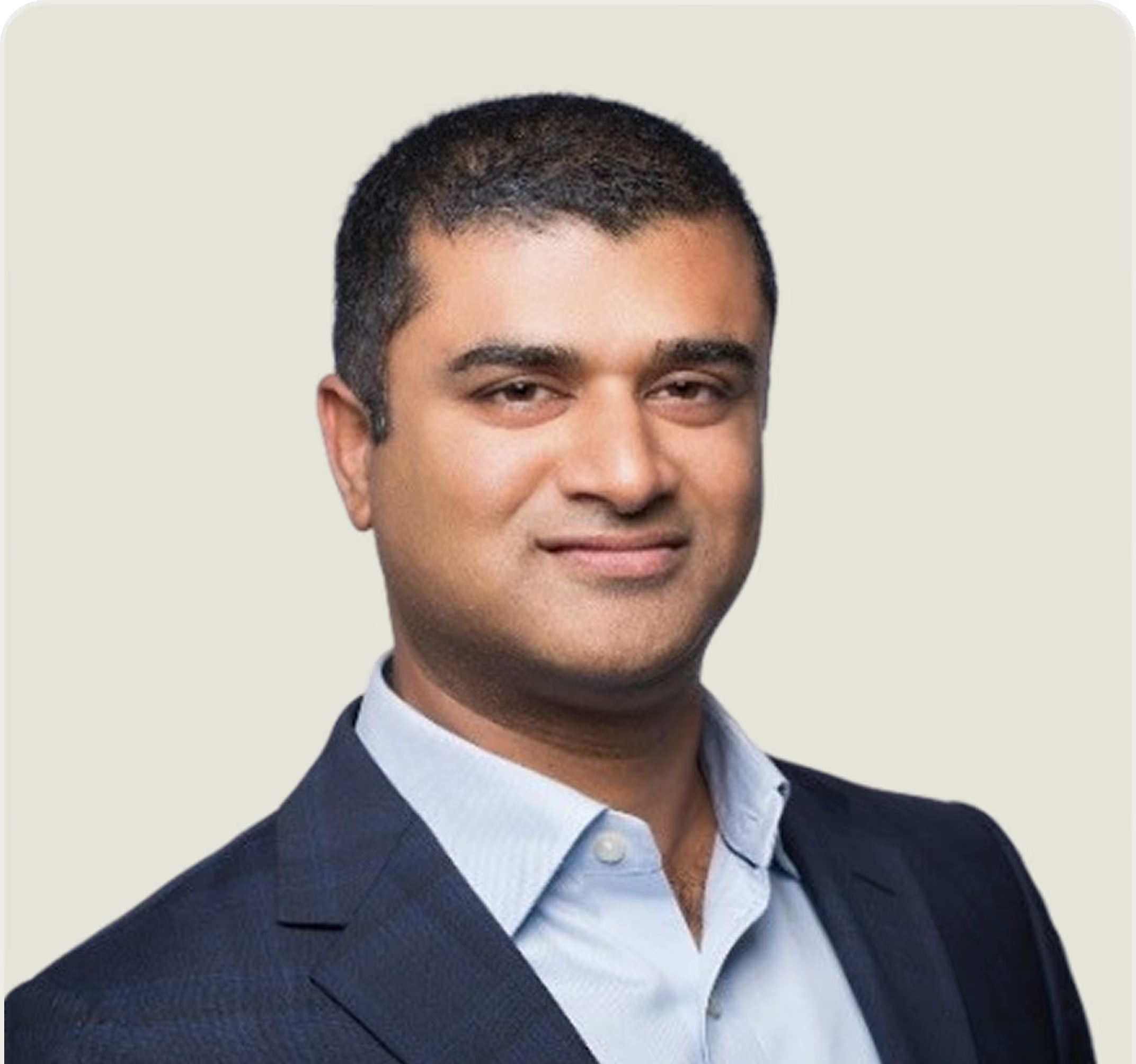
Naveen Palavalli Learned Security in Code. Now He Sells Its Next Vocabulary.
After 26 years moving from distributed systems to product strategy and global marketing, Cyera's CMO is betting that the defining AI-security argument begins with the data underneath it.

Todd Partridge Wants AI in the Deal Room - With the Door Locked
After a career spent making sensitive information useful without making it vulnerable, the Boston-area software executive is arguing for a more disciplined age of AI-assisted dealmaking.

Seth Knox Has Spent a Career Giving Security’s Next Problem a Name
From endpoint security to email identity, confidential computing and AI data governance, Seth Knox’s career follows a useful pattern: arrive while the category is still foggy, then give customers a map.
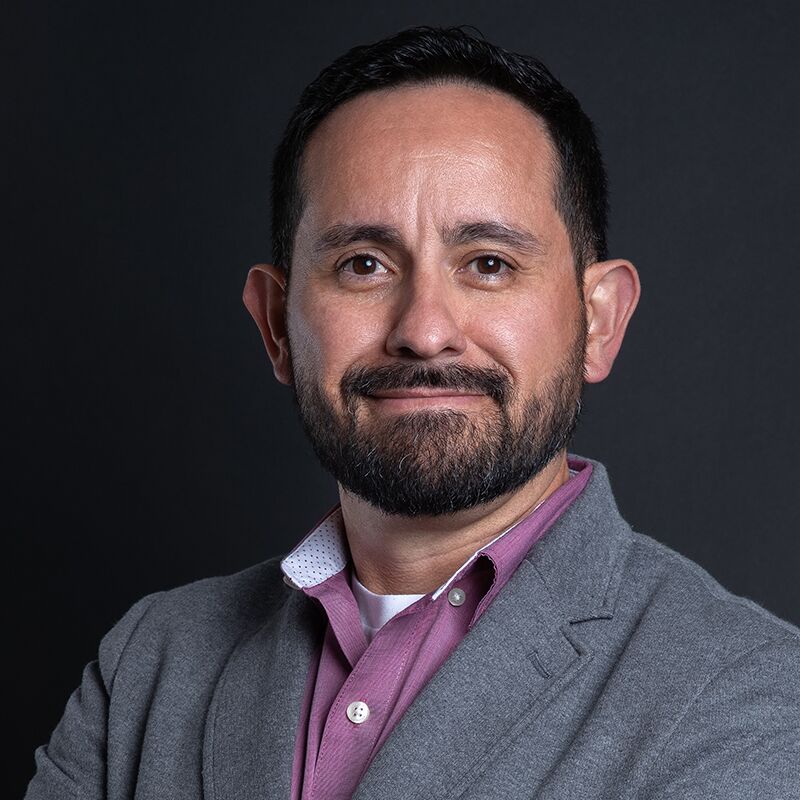
Isaac Roybal Came Back to Seclore With a New Operating System
The former systems engineer has spent more than 25 years translating complicated technology into reasons to care. After leaving Seclore, he returned with a 90-day experiment: make AI part of the work, not a decorative side project.

Rob Sobers Still Thinks Like an Engineer. That May Be His Marketing Advantage.
He learned to code to win at a text-based game, nearly went to law school, and entered marketing through the side door. At Varonis, Rob Sobers has spent more than a decade proving that technical fluency and plain speech can belong in the same room.
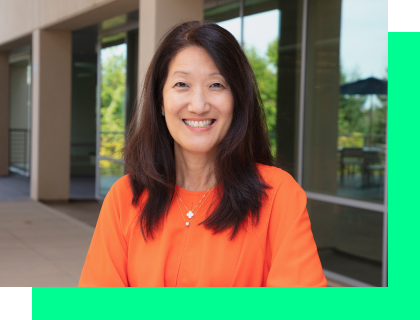
Carol Carpenter Would Rather Build the Elevator
From Apple product lessons to a 50-person CEO crucible and Cohesity's post-Veritas integration, Carol Carpenter has spent three decades turning complicated technology into decisions people can actually make.
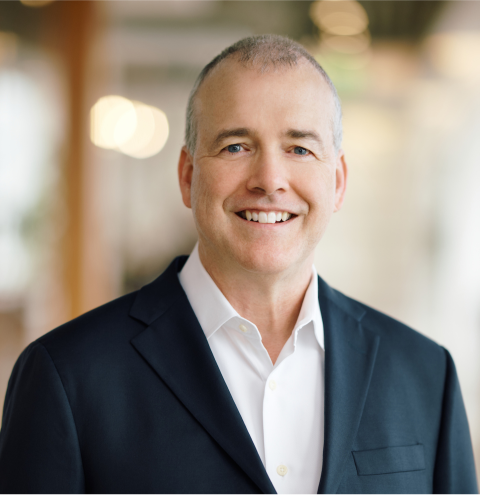
John Knightly Learned Marketing Between a Potter’s Wheel and a Chalkboard
The Netwrix CMO grew up between clay and mathematics, then built a career translating enterprise technology into stories buyers can use. His latest assignment is making data and identity security legible in the age of AI.
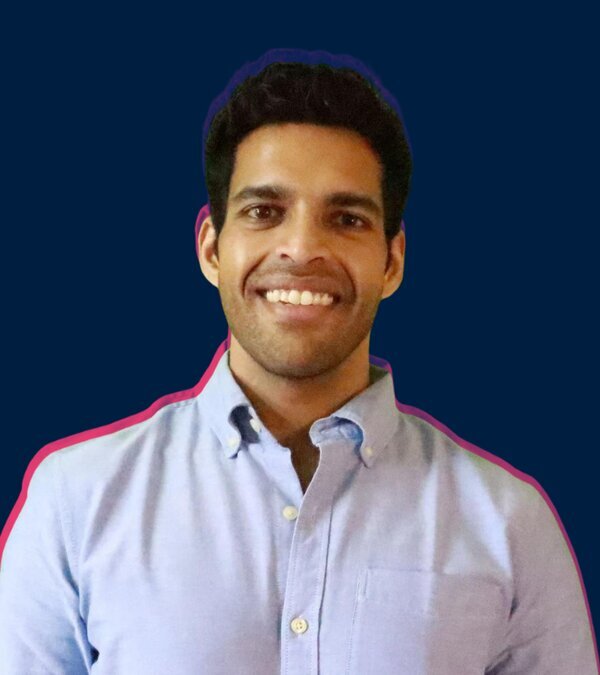
Roshan Cariappa Has Spent 18 Years Learning When to Build, When to Pivot, and When to Listen
The engineer turned founder turned marketer built his career by staying close to the work - then turned hundreds of podcast conversations into a public notebook on how companies, categories and careers actually grow.
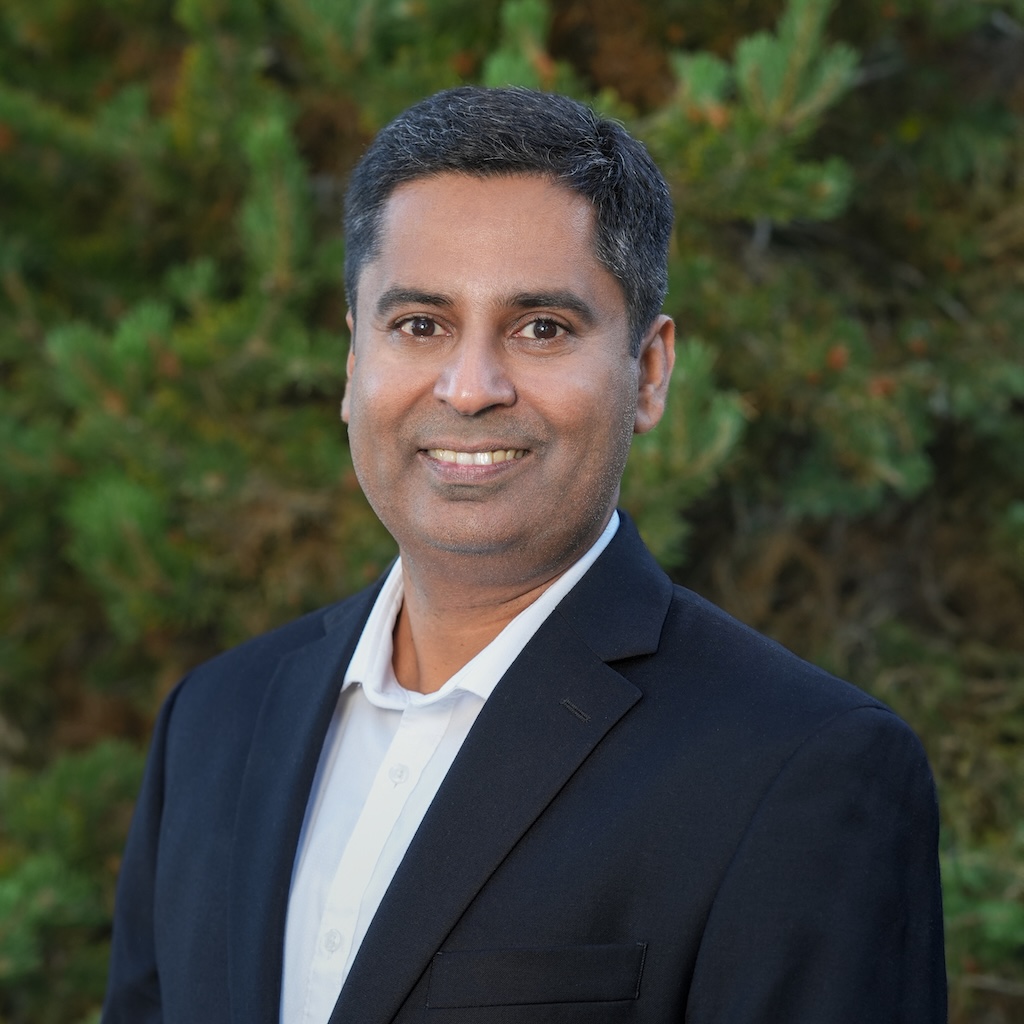
Himanshu Shukla Is Teaching Enterprise Data to Introduce Itself
After two decades building infrastructure, the Lightbeam co-founder made a human bet on enterprise security: every scattered byte matters because it belongs to someone.
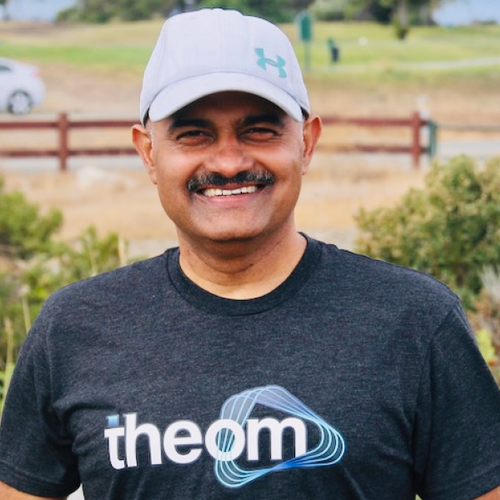
Navindra Yadav Keeps Moving the Security Perimeter
After helping build switches, programmable networks and a real-time map of the data center, the engineer behind Tetration is betting that security must now follow the data itself.

Nishant Doshi Has Spent 20 Years Following Data - Now the Data Is Learning to Move Alone
The Cyberhaven CEO has built and sold two companies by noticing where enterprise software was heading. His latest bet is that protecting files is no longer enough when data travels through people, prompts, and autonomous agents.

Amir Khayat Spent a Decade Learning to See What Security Teams Miss
Before Amir Khayat built Vorlon, he moved from code to customers to the machinery between them. His bet is that the next security fight lives inside the connections businesses barely see.

Bill Siegel Turned Ransomware Panic Into a Decision Tree
A distressed-debt trader walked into cybersecurity and found a market where the price was panic. His answer was data, practice and a stubborn preference for paying nothing.

Ron Daly Put a Bank Vault Inside the Browser
After 20 years as a financial-institution CFO, Ron Daly found his second act in an unglamorous corner of fintech: the sensitive document nobody should send by email.

Jay Kim Built a Security Company From an Elevator Introduction
A chance meeting in Korea gave Jay Kim an idea. Nearly two decades later, his Kansas company is still trying to make serious encryption feel ordinary.

Kyle DuPont and the Corporate Mess Hiding in Plain Sight
The Ohalo co-founder left institutional finance with a taste for difficult systems. His company now turns contracts, archives, and forgotten folders into data that enterprises can actually understand.

Colin Luce Is Building the Vault for Commerce’s Agentic Turn
After years inside fintech’s expanding platforms, Colin Luce made a contrarian bet: the most valuable layer in payments may be the neutral vault underneath them. Now Basis Theory is testing whether merchant-controlled data can keep commerce open when software starts shopping for us.

Bruno Kurtic Is Building the Missing Map for Enterprise AI
After helping take Sumo Logic from inception to the public markets, Bruno Kurtic spent a year asking what enterprise software still had not solved. His answer was hiding in plain sight: companies cannot govern AI until they understand the data beneath it.
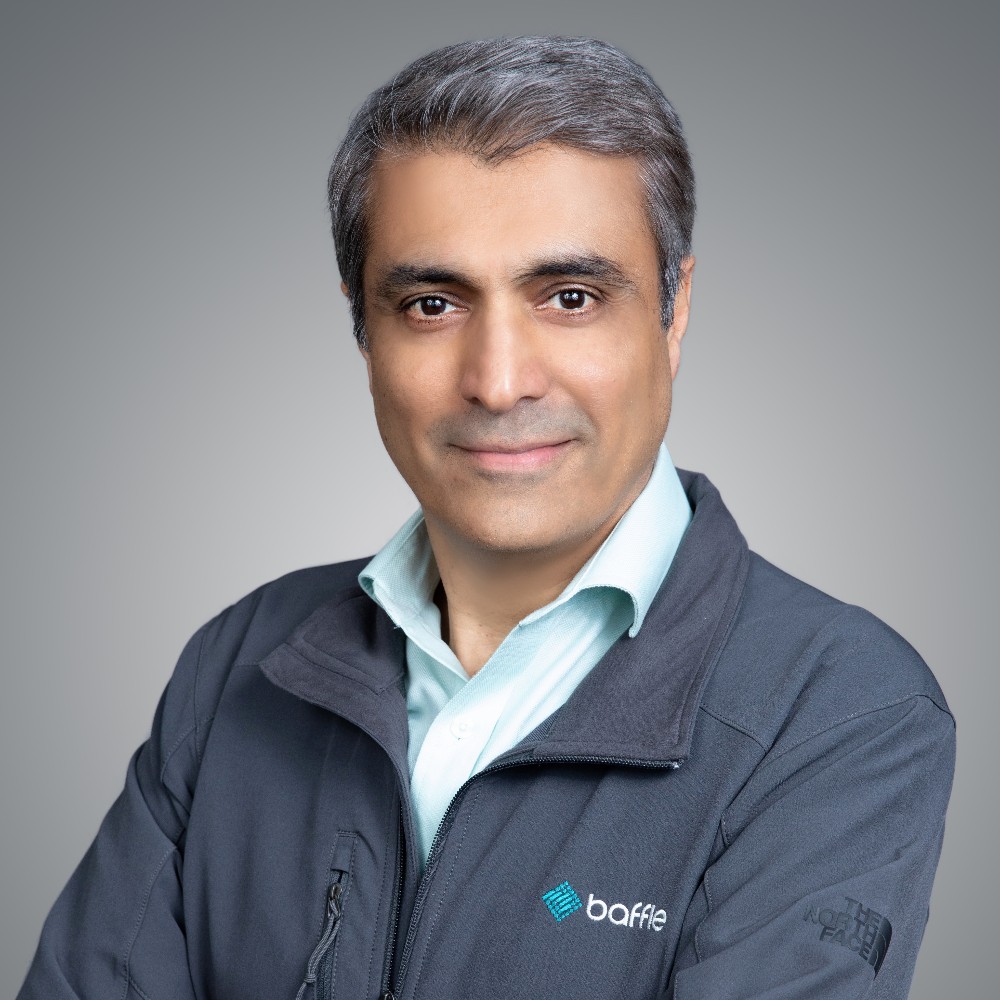
Ameesh Divatia's Long Game: Make the Data Useless to Thieves
After three acquired companies and a spell as an investor, Ameesh Divatia returned to the operator's chair with a stubborn premise: a breach matters less when the stolen data reveals nothing.

Abhi Sharma
For Abhi Sharma, the useful map is never the static one. From a college navigation experiment to Relyance AI's moving graph of enterprise data, his career has followed one question: can software reveal what people cannot see?
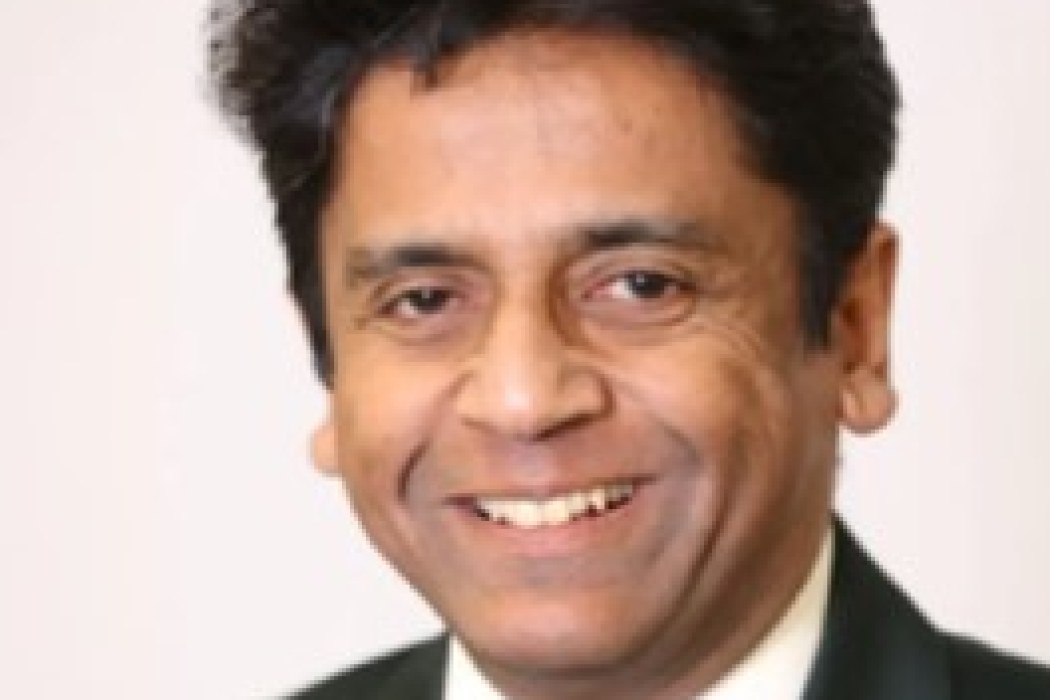
Tarique Mustafa
Tarique Mustafa is a Silicon Valley cybersecurity founder, engineer and AI researcher who serves as CEO, CTO and founder of Chorology, Inc., a San Jose company applying deep AI to automate data discovery, classification, mapping and compliance enforcement for enterprises. A serial entrepreneur with two prior startups that ended in acquisitions, he previously founded GhangorCloud, a pioneer of fourth-generation data leak prevention, and held senior roles at Symantec, MCI WorldCom and others. He holds dual master's degrees and did PhD research in AI at USC, and holds multiple patents in deep AI.

Nitay Milner
Nitay Milner is co-founder and CEO of ORION Security, a New York and Tel Aviv-based startup rebuilding data loss prevention around AI that learns how data actually moves inside a company. He raised a $32M Series A led by Norwest in February 2026, with IBM participating, less than a year after a $6M seed. Before ORION he was a senior product leader at Epsagon (acquired by Cisco for around $500M) and previously co-founded DatsMi, an event-media startup.

James Pham
James Pham is the co-founder and CEO of Opsin, a San Francisco-area startup securing how enterprises adopt generative AI. After validating the problem through more than 300 conversations with industry leaders, he built Opsin to detect and remediate data oversharing in tools like Microsoft Copilot and Google Gemini, and has since expanded it into a full enterprise agent security platform. An immigrant from Vietnam with an MIT MBA and a machine-learning product background from Abnormal Security, Pham now leads a company in production at regulated healthcare, manufacturing, and financial-services organizations.

Elizabeth Nammour
Elizabeth Nammour is the co-founder and CEO of Teleskope, a New York-based data security company she launched in 2022 after wrestling with petabyte-scale data sprawl as a security engineer at Airbnb. Teleskope bills itself as the industry's first agentic data security platform, autonomously scanning, classifying, and remediating sensitive data so organizations can adopt AI without losing track of their information. In late 2025 the company raised a $25 million Series A led by M13, bringing total funding to $32.2 million, on the back of 600% year-over-year growth and an 85% pilot-to-paid conversion rate.
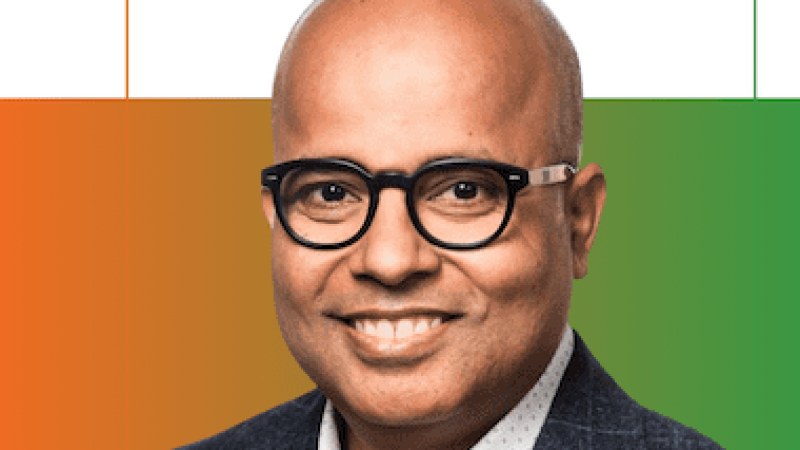
Bipul Sinha
Bipul Sinha is the CEO, Chairman, and Co-Founder of Rubrik, the publicly traded data security company he built from a Bihar basement story into a $17B+ NYSE-listed cybersecurity platform. Before founding Rubrik in 2014, he spent nearly a decade as a venture capitalist at Lightspeed Venture Partners — backing companies like Nutanix and Hootsuite — and nine years at Oracle holding 30+ patents in distributed computing. An IIT Kharagpur and Wharton alumnus who grew up in poverty in Darbhanga, Bihar, Sinha turned a contrarian bet on backup-and-recovery software into the gold standard for enterprise data resilience in the ransomware era.
Balaji Ganesan
Balaji Ganesan is Co-Founder and CEO of Privacera (now Trust3 AI), the data security and AI governance platform built on top of Apache Ranger technology he co-created. A survivor of the Miracle on the Hudson, he co-founded XA Secure in 2013, which was acquired by Hortonworks and open-sourced as Apache Ranger — now deployed across thousands of enterprises globally. He launched Privacera in 2016 to extend that governance vision to multi-cloud environments, raised $67.3M in total funding, and counts Nike, Intuit, and Autodesk among his customers.

Mahmoud Abdelkader
Mahmoud Abdelkader is the Egyptian-American co-founder of Very Good Security (VGS), a San Francisco-based data security platform that raised $105 million from investors including Andreessen Horowitz, Goldman Sachs, and Visa. Born near the Suez Canal and raised in Brooklyn, he built high-frequency trading systems at Wachovia, was employee #4 at Milo.com before its $75M eBay acquisition, then co-founded Balanced Payments through Y Combinator (W11) before founding VGS in 2016. VGS pioneered the 'Zero Data' category of data security as a service, serving 700+ customers including Fortune 100 companies. He stepped down as CEO in late 2022 and now invests in fintech companies including Ramp, Vercel, Alloy, Mercury, and Stytch while experimenting with AI.
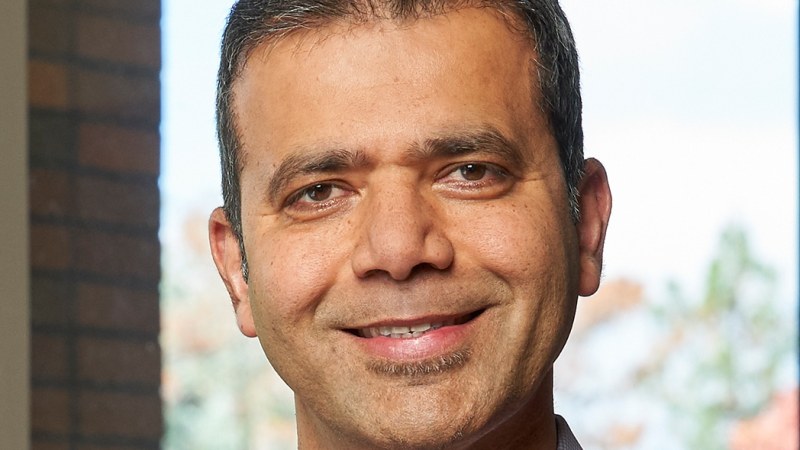
Dharmesh Thakker
Dharmesh Thakker is a General Partner at Battery Ventures, one of the world's longest-running technology venture capital firms, where he leads investments in infrastructure software, AI-powered applications, cloud/DevOps, data, security, and open source. An immigrant from India turned engineer turned VC, he joined Battery in 2015 after leading Intel Capital's global cloud and big-data practice. He holds a BS in electrical engineering from UT Austin and an MBA from Wharton. His portfolio spans category-defining companies including Databricks, Postman, Gong, ClickHouse, and Weaviate, with notable exits including Confluent (IPO), JFrog (IPO), and Sumo Logic (IPO). He hosts the 'Billion-Dollar B2B' podcast, writes for TechCrunch and Forbes, and was named to the Forbes Midas Brink list in 2016.
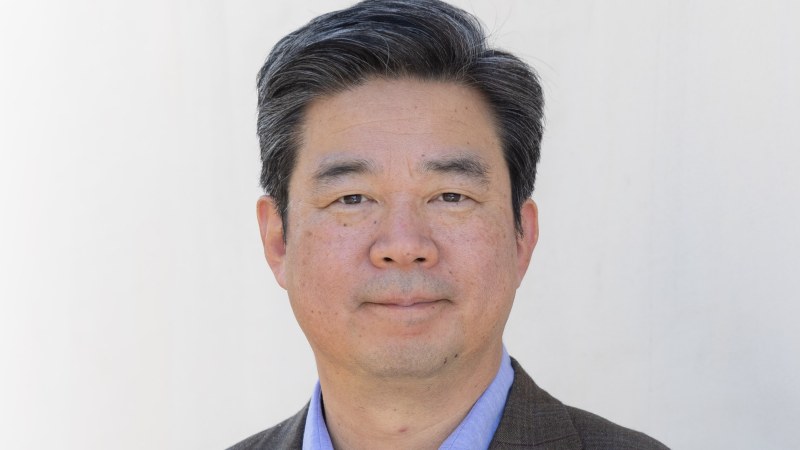
In Sik Rhee
In Sik Rhee is the Founder and General Partner of Vertex Ventures US, a Palo Alto-based venture firm focused exclusively on early-stage enterprise software. He co-founded two companies that sold for a combined $1.8 billion - Kiva Software (acquired by Netscape in 1997) and Opsware (acquired by HP in 2007 for $1.6 billion) - before transitioning into venture capital. At Vertex Ventures US, he backs pre-revenue founders in enterprise infrastructure, data platforms, and open-source software at the Seed and Series A stages, with notable portfolio wins including LaunchDarkly, Cyberhaven, and Evisort (acquired by Workday).