data-science
(79)
Tombras makes the familiar impossible to ignore
A blurry candy heart. A moving truck. An agency in Knoxville that keeps finding new uses for things everyone else has stopped noticing.
IT Labs sells the team behind the code.
Software is easy to commission. A team that understands the business is harder to build. IT Labs has made that gap its business.

Tanisha Systems puts people behind the software
Custom software needs more than code. Tanisha Systems combines engineering, recruiting, and offshore delivery to tackle the awkward work of making technology fit a business.

Wolfram built the engine. AI brought the questions.
For nearly four decades, Wolfram has been teaching computers to calculate, model and explain. The chatbot boom gave its old ambition a new customer: AI itself.
GALE makes the data worth opening
A burrito order can become a story. GALE has built a business around connecting customer intelligence, creative work, and the next purchase.
Huzalabs knows AI needs more than code
The Kigali company builds software, trains the people who will use it, and helps businesses compete for contracts. Its most revealing lesson begins with 35 women and a change of plan.

Anaconda made Python easy. Now it sells peace of mind.
The company that helped millions get started with Python found its paying customer in a different room: the enterprise worried about what all that free software might bring through the door.

Lineage found a fortune in the freezer
A cold warehouse looks like a box. Lineage built a business by treating it as a problem in timing, geometry and trust - with very real bills when things go wrong.
ITX and the art of getting software unstuck
A stalled product catalog, a nervous service team, a school lunch menu. ITX’s work offers a useful lesson in software: the hard part is often deciding what people need to happen next.
Absolutdata and the art of the next move
A hotel guest who never returns. A sales rep choosing whom to call. Absolutdata built its business around the small decisions that make a large difference to revenue.
Gramener makes data earn its keep
A spreadsheet can describe a problem beautifully and still leave it untouched. Gramener builds the slides, maps and AI applications that carry an insight into someone’s working day.
Harmonia Holdings Group makes the paperwork disappear
Now called Revolutional, the federal technology contractor has a revealing specialty: finding the small bottlenecks that make enormous public systems slow. Its best stories begin with a form, a queue, or a help-desk ticket.
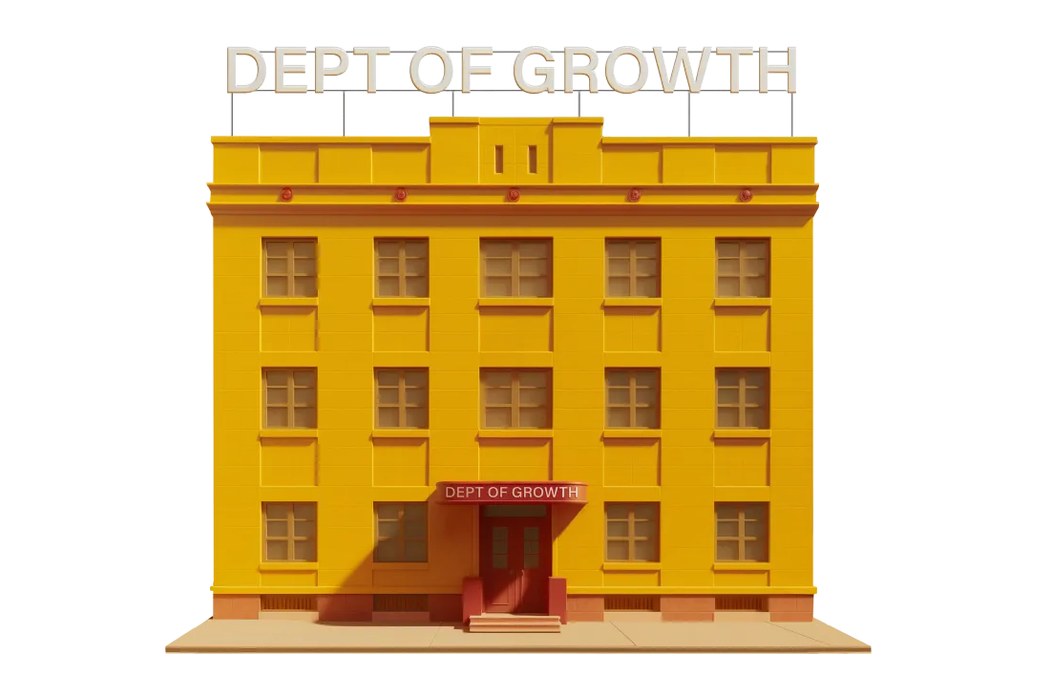
The Marketing Department Designed to Disappear
Most agencies are paid to remain indispensable. Department of Growth has built a stranger proposition: join the client, build the machine, and then hire itself out of the job.
IEBT Innovation sells the work after the brainstorm
The Brazilian consultancy pairs innovation programs with software teams and its own platforms. Its cases show what happens between a promising idea and an organization ready to use it.
Naimuri: The £25 Million Software Company Built for Problems That Cannot Leak
Naimuri grew by solving the sort of data problems that arrive wrapped in security constraints. Six years after QinetiQ bought it, the Salford firm is applying its lean creed to cloud platforms, graph analytics and the awkward economics of AI.
Dataiku Built the Control Room for AI - Now It Has to Prove the Room Matters
The Paris-born software company made a $350 million-a-year business out of getting analysts, engineers and risk teams into one room. Its next act is deciding whether the agent boom needs a hall monitor - or a control system.
Posit Gave Away the Data Science Workbench - Then Sold Enterprises the Keys
The company behind RStudio spent years making data science software free. Its business appeared when banks, drugmakers and governments needed that freedom packaged with permissions, audit trails and a dependable place to publish.
The Dashboard Is Dead. Newton Research Wants Its AI Agents Holding the Media Budget
Marketing teams have plenty of dashboards and too few answers. Newton Research is betting that a trained, auditable crew of AI agents can turn scattered data into decisions - and carry those decisions all the way into the media buy.
The Ohio Firm That Bought a 1,200-Store Retailer to Feed Its Algorithms
Most investment firms buy a stake and hope. IQVentures buys the whole company, plugs in its own payment rails and risk models, and runs it - a bet that grew into a $504 million take-private of a national retailer.
The Shipyard Runs Marketing Like an Engineering Problem
The Columbus agency behind In-N-Out's growth run wants to build brands people love - and prove it with numbers. Its bet: creativity and data belong on the same team.
The Delhi Firm Doing the World's Data Homework
Blackcoffer turns messy enterprise data into dashboards and decisions for clients from consulting giants to a national central bank - 110 people, offices on three continents, and a name that doubles as a mission statement.
The Private Equity Firm That Wants to See Every Receipt
The Newcastle Network backs consumer brands with $25 million to $75 million checks, then asks for the data beneath the dashboard. Its wager is that private equity works better when capital, code and working operators share the same room.

The Company That Turned 30 Billion Old Documents Into Your Family Story
It sells subscriptions to the past. With 30 billion records, the largest consumer DNA database around, and a growing stack of AI, Ancestry has quietly become one of the most durable businesses in consumer tech.
Aktivo Labs
Aktivo Labs is a Singapore-based digital health-science company that turns everyday smartphone and wearable data into a proprietary digital biomarker, the Aktivo Score, a 1-99 measure of an individual's risk for chronic disease. It sells its platform to life and health insurers, reinsurers and employers, helping them run evidence-based wellness programs and understand population health risk. Founded in 2017, the company raised a US$10M Series A led by Mitsui & Co. in 2022 and operates across Asia-Pacific with expansion into the US, Europe and Japan.
First Data Company
First Data Company is a Dubai-based marketing technology firm that turns anonymized transaction data into precise advertising audiences. Its machine-learning models aggregate purchase signals from retailers, mobile operators and online cash registers to predict what a customer is likely to buy next, then place relevant ads across Google, Facebook and programmatic inventory. Positioned for a cookieless world under the tagline "We know your customer," the company blends brand-building ("brandformance") with performance marketing and CRM personalization to lift sales for its clients.
Stitch Fix
Stitch Fix is an online personal styling service that pairs data science and machine learning with human stylists to send clients hand-picked apparel, shoes and accessories. Clients complete a Style Profile, receive a curated shipment (a "Fix") to try on at home, keep what they like and return the rest, or shop directly through the on-demand Freestyle storefront. Founded in 2011 by Katrina Lake and public since 2017, the San Francisco company serves millions of clients across the US and UK and reported roughly $1.27 billion in fiscal 2025 net revenue.
Quant Data & Analytics
Quant Data & Analytics is a Riyadh-based data science, AI and business-intelligence company that turns raw data into decisions for Saudi businesses and government. Founded in 2015, it pairs consulting with proprietary SaaS products - Suhail for real estate and location intelligence and Fruits360 for food-and-beverage analytics - and has analyzed more than a trillion data records across real estate and restaurant sectors. With around 160 employees and Series A backing, Quant positions itself as an engine for the data-driven decisions behind Saudi Vision 2030.

Bestow
Bestow is a Dallas-based insurtech company that provides life and annuity carriers with a vertically integrated technology platform. It powers digital quoting and applications, automated underwriting, policy administration and self-service portals through modular, API-based software, letting insurers such as Nationwide, Transamerica, USAA and Sammons Financial Group modernize product development and operations. After divesting its own consumer carrier in 2024, Bestow now operates as a pure business-to-business software provider and raised a $120 million Series D in May 2025.
DataCamp
DataCamp is an online learning platform that teaches data and AI skills through short, browser-based interactive exercises. Founded in 2013 and headquartered in New York, it offers 700+ courses in Python, R, SQL, Power BI, Tableau, and generative AI, along with hands-on projects, skill assessments, and industry certifications. The company serves both individual learners and enterprises, having grown to more than 10 million learners and thousands of business customers who use it to close data and AI skills gaps.
Dstillery
Dstillery is a New York-based predictive AI audience-targeting company for the advertising industry. It builds custom, model-driven audiences that let brands and agencies reach the right consumers programmatically, including through its patented ID-free cookieless technology and its DS-1 agentic AI platform that turns audience building into a natural-language chat. It works across major demand-side platforms such as The Trade Desk, Yahoo, and Microsoft Advertising, and counts a large share of the Fortune 100 among its users.