Somewhere inside a large company, a person is copying a number from one window into another. The number may have travelled through a sophisticated data pipeline. It may have been polished by an expensive analytics system. Its final journey, however, is a short trip into PowerPoint. That small indignity is a useful place to begin with Gramener.
In its recap of 2023, the company reported that its SlideSense automation product had generated approximately 150,000 data-driven slides for The E.W. Scripps Company. The figure describes an unglamorous bottleneck: insight still has to arrive in a format somebody uses. A slide deck can be that format. So can a warehouse appointment screen, or a printed advisory delivered before a cyclone.
- The work: custom analytics and AI applications, backed by consulting, engineering and visual design.
- The machinery: Gramex, a low-code platform, plus specialised tools for reporting and document processing.
- The wager: an insight becomes valuable when someone can use it to change a decision.
A company built around the reader
Gramener calls itself a design-led data science company. That description puts two disciplines beside each other which corporate org charts often keep apart. One asks whether an analysis is sound. The other asks whether a human being can make sense of it.
The company began in 2010, founded by people with experience at IBM and BCG. Its historical accounts identify Anand S, Naveen Gattu, J. Ramachandran and Ganes Kesari among its co-founders; its current company page also identifies Mayank Kapur as a co-founder. The origin story concerns data consumption: businesses possessed information they struggled to turn into decisions. More rows were hardly a cure for the unread spreadsheet.
“We change the way our clients think.”Gramener’s statement of purpose
Its expertise now spans data engineering, cloud systems, machine learning, computer vision, geospatial analysis and information design. The combination matters. A persuasive chart needs trustworthy inputs. A predictive model needs a route into operations. Gramener sells work across those connections, with reusable software underneath the custom delivery.
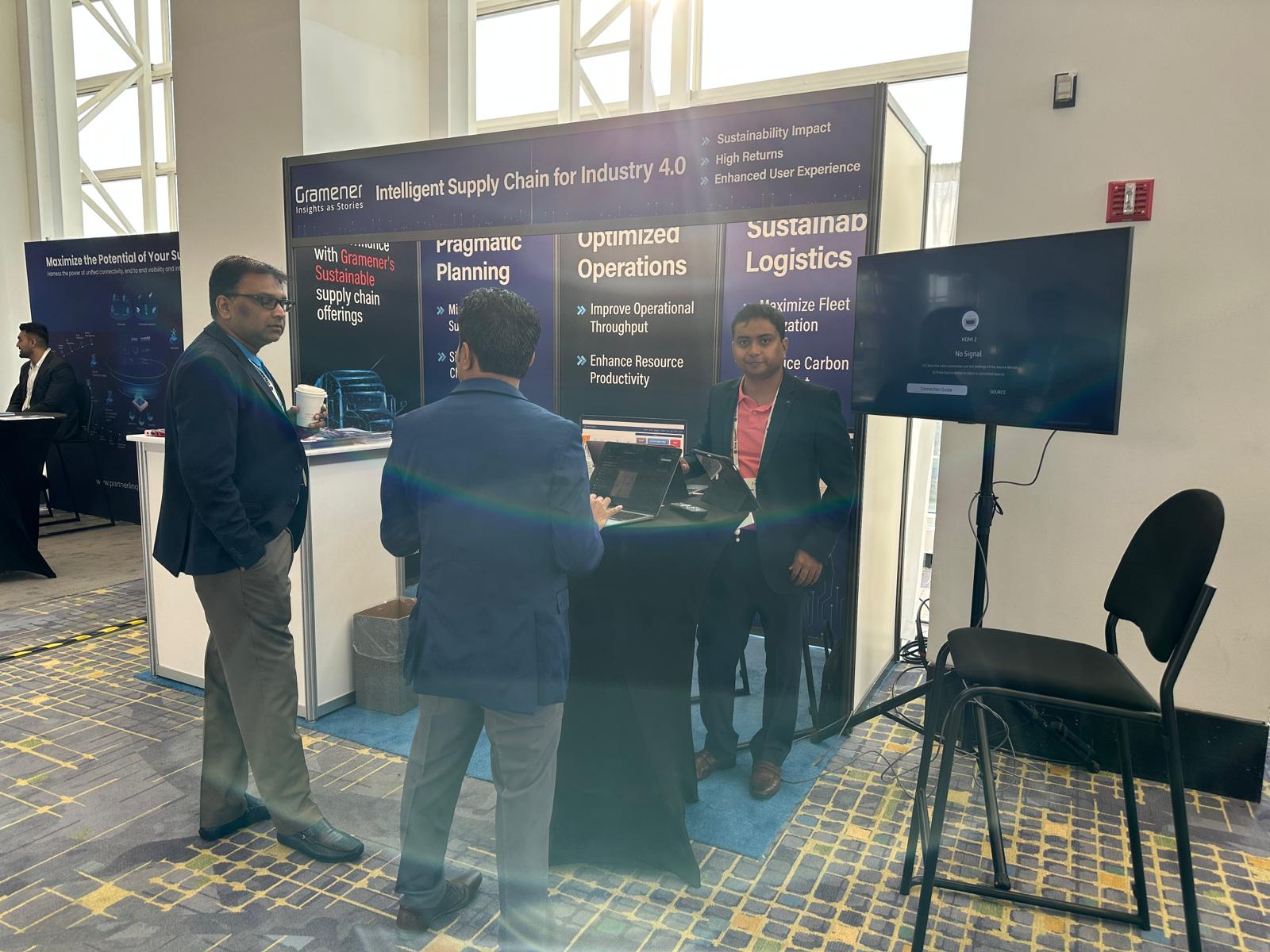
The truck queue is the test
Consider United States Cold Storage. Its reports and dashboards provided a descriptive, backward-looking view of the business. Warehouse teams needed decisions about the day ahead, including which appointment slots would keep staffing and pickups aligned.
Gramener helped identify candidate projects, run warehouse experiments and move useful applications into production. An intelligent appointment scheduler was the first rollout. The published case reports a 16% reduction in outbound dwell time and a $300,000 drop in detention charges. These are reported outcomes from that customer project, rather than promises for another warehouse.
The adoption detail is revealing: some of its largest warehouses exceeded 80% adoption in the second quarter of 2021. The case describes leadership support, integration with business processes, user education and measurement of returns. Results from pilots helped justify wider deployment. Buyers can copy that sequence: select a measurable operational problem, test it locally, then make expansion depend on evidence.
Less code, plenty of judgment
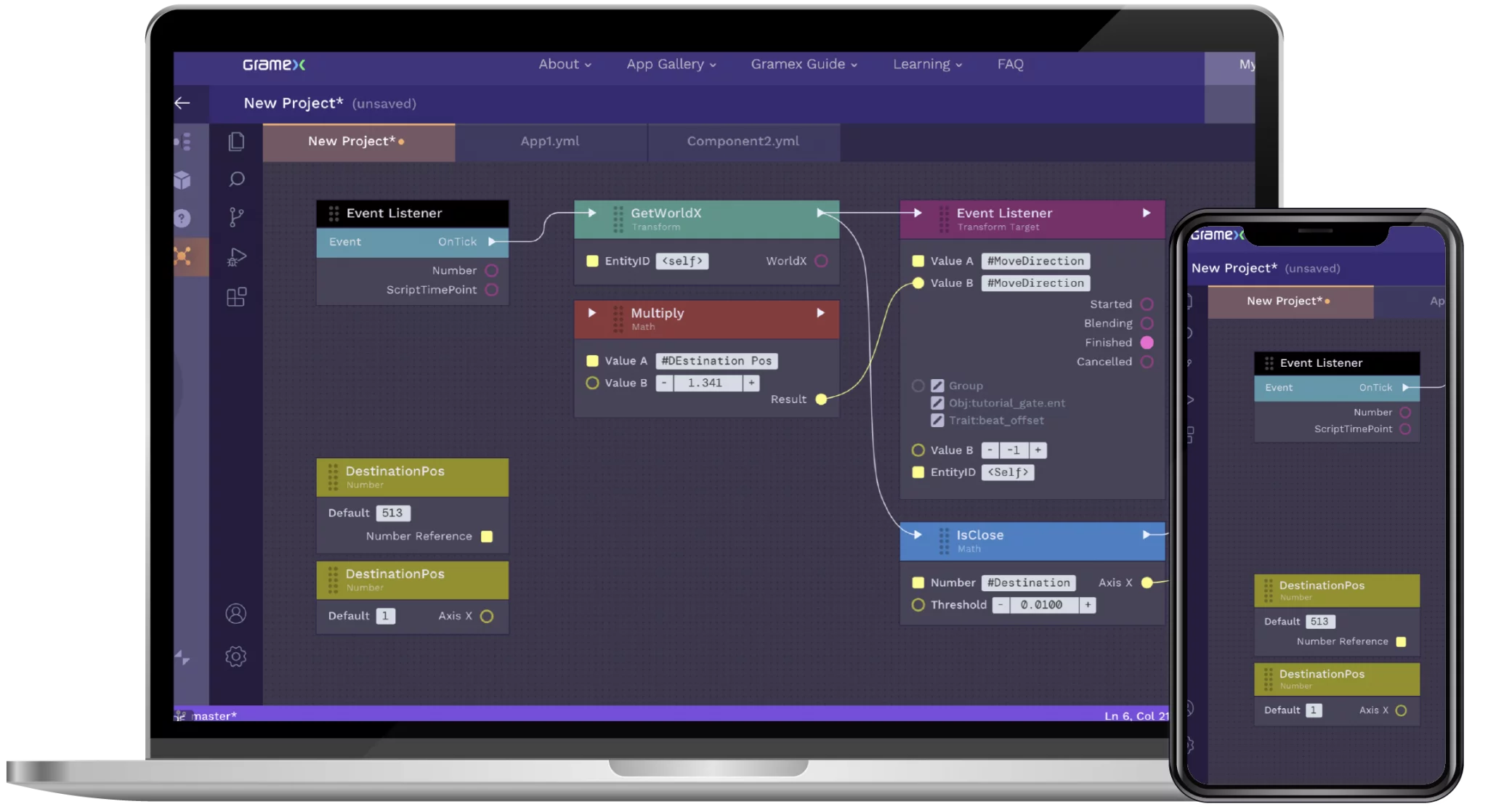
Gramex is the platform underneath much of this work. Its public repository describes a way to build data-based web applications with less code. The commercial platform page advertises more than 200 components, microservices and libraries, using familiar standards including Python, JavaScript and HTTP.
The attraction is practical reuse. Data connections, transformations, models and visual interfaces need not begin as separate projects each time. Engineers can assemble a custom application around the business question. The choice of question, the quality of the data and the testing still require judgment.
There is a price tag on the platform page. Checked in October 2026, it lists a free Community edition, Lite at US$3,999 per application per month, and Enterprise at US$8,999 per month. Support and permitted applications differ between tiers. A buyer should confirm the quoted scope; custom implementation and ongoing operational work belong in the budget too.
When the photograph refuses to cooperate
Gramener’s conservation work exposes a less tidy side of AI. In Microsoft’s account of a penguin-counting project, almost 70% of images were unusable because of conditions such as fog and poor lighting. Visible penguins overlapped; distance changed their apparent size. Crowdsourced labels from Penguin Watch helped the team train the model.
A separate project with Nisqually River Foundation analysed underwater footage to identify salmon. Microsoft described the potential to reduce a research task from more than 100 hours to about 20. The qualification matters: potential time savings are a different kind of evidence from a completed financial result.
The transferable lesson is to inspect the input before admiring the output. A camera, a label and a useful review process can matter as much as the choice of model. Bad visibility remains a constraint even when the algorithm has an excellent name.
A roof becomes an instruction
For Sunny Lives, a disaster-impact model developed with Microsoft and the nonprofit SEEDS, Gramener’s data scientists manually tagged more than 50,000 houses from satellite imagery. Roof material was a clue to vulnerability, combined with other geographic information. Preparing the model took about four months.
During Cyclone Yaas in 2021, the system helped identify households at risk. SEEDS and its local partners delivered advisories to nearly 1,000 families in Telugu and Odia. Here the final interface was paper, carried into a community by people who could explain it.
- 01Satellite imagery
- 02Roofs + geography
- 03Household risk
- 04Local advisories
This example suggests a condition for useful deployment: the organisation must have a way to deliver and act on the result. A risk score alone cannot move a family to shelter. Data preparation, local knowledge and outreach carried the analysis the rest of the way.
The office toolkit has a comic drawer
Gramener’s smaller products reveal its interest in the audience. Comicgen is an open-source library and API for adding comic characters to websites and applications. Its adjustable expressions and poses give information designers another way to communicate. A character can make a story approachable; it cannot repair a misleading number. The charm needs an honest job.
SlideSense addressed another audience habit: repeatable reporting in PowerPoint. A 2021 company post describes templates, editable charts and automatically generated narratives. It reports one media client’s daily-report turnaround falling from 96 hours to under two. That example helps explain the Scripps slide count: recurring reporting can consume serious effort even when the analysis already exists.
Document-heavy workflows extend the same idea. AInonymize addresses anonymisation of clinical documents, with text and PDF variants described in 2024. Doc Genie uses optical character recognition and generative AI to ingest, classify and extract document data. It received the 2024 AI Breakthrough award for Best Intelligent Word Recognition Solution. For prospective users, the useful evaluation concerns their own documents, review requirements and error tolerance.
A larger family, the same last mile
Straive announced its acquisition of Gramener on November 1, 2023. The announcement framed the deal as a combination of Straive’s data, knowledge and operations capabilities with Gramener’s analytics and AI expertise. Anand S described the ambition as end-to-end offerings from data through AI and generative AI. Gramener’s website now directs readers to Straive for updates.
In the market, Gramener sits between an analytics consultancy and an application-platform vendor. Alternatives include specialist firms such as Tiger Analytics, platforms such as Dataiku, and a company’s own engineering and business-intelligence teams. The sensible comparison depends on the job: buying software, commissioning an application and changing an operating process require different kinds of help.
Its distinctive proposition is the combination of design, custom implementation and reusable technology. The business model joins consulting and delivery work to platform licensing and support. Company profiles describe more than 200 clients worldwide, with public examples ranging from enterprise media to logistics and conservation.
A 2025 company update reported Naveen Gattu’s recognition in the NJBIZ Executive Excellence Awards. Awards are pleasant; the more useful question for a buyer remains wonderfully plain. Which decision will this application improve, who will use it, and what will change when they do? Gramener’s most instructive projects have concrete answers.
Follow the work
Explore Gramener, Gramex and Comicgen on GitHub. Follow LinkedIn, X, Instagram or Facebook; browse the company blog and news.
Watch: Scripps and SlideSense ↗Watch: Naveen Gattu’s entrepreneurial journey ↗More videos from Gramener ↗