credit-unions
(55)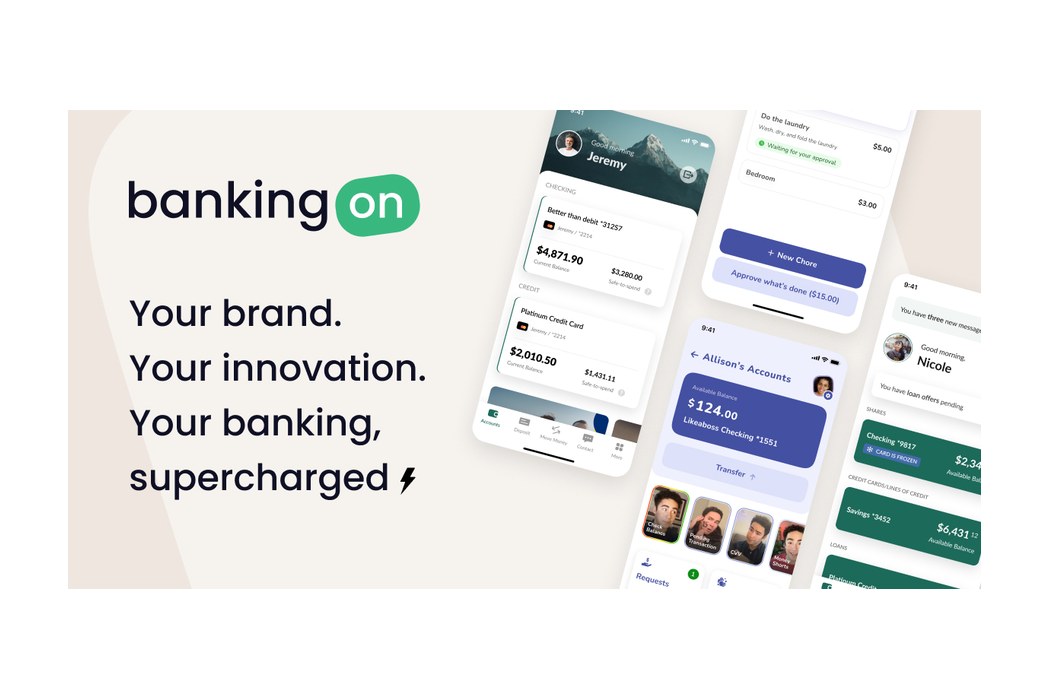
BankingON wants your bank to survive the allowance
The Austin fintech builds banking apps that wear someone else’s name. Its wager: the institution that handles a child’s first allowance should still be there for their first paycheck.

Malauzai bet on the phone. Its customers kept the desktop.
The Austin software maker gave community banks the tools to bank by camera. Its more useful discovery was that customers wanted the same experience on every screen.

Lender Compliance Technologies and the money left after the loan
A paid-off vehicle loan can leave an unfinished refund. Lender Compliance Technologies gives lenders a system for following that money - and a record of what happened along the way.

LoanStreet makes the loan sale the beginning of the story
A loan can change hands in days and demand attention for years. LoanStreet connects the marketplace to the machinery that keeps lenders, investors, and borrowers on the same page.

Marquis knows why 33 replies can beat 15,000 impressions
A bank’s best marketing asset may already be sitting in its account records. Marquis turns those records into targeted campaigns, customer journeys and compliance analysis - with people on hand to make the machinery useful.

Zogo found a better teacher: the bank that pays you
Its first app asked parents to reward financial learning. Banks preferred to pick up the tab themselves - and a failed allowance tool became a business built on small lessons, real rewards and repeat visits.

Zest AI Wants Your Credit Union to Say Yes More Often
The lending software company sells a particular kind of confidence: finding borrowers a blunt credit score can miss, then helping a small lending team act on the evidence.

CU*Answers: The customers own the machine
A group of Michigan credit unions put their data processing in a basement. Fifty-six years later, their cooperative offers a revealing answer to a familiar question: who should own the technology your business depends on?

Kasasa gives small banks a bigger voice
A checking account can reward a customer. A shared brand can reward an entire network. Kasasa built a business around the distance between those two ideas.

Lumin Digital: The customers bought in. Literally.
Banks usually buy software. Lumin Digital persuaded some to buy a piece of the company, too. Its wager: better banking comes from changing the relationship behind the app.
Tyfone and the art of listening to the wrong question
A stolen-laptop problem led Tyfone toward payments. A credit union sent it toward banking. Now the company is helping local financial institutions keep the digital conversation close to home.

Ncontracts and the Bank That Forgot Its Own Spreadsheet
A bank can remember every transaction and still forget how its own rules work. Ncontracts has built a business around that peculiar lapse, turning contracts, compliance and institutional knowledge into something people can actually use.

Blend and the Case of the Disappearing Paperwork
A bank can lose a customer before it ever lends a dollar. Blend sells a way through the paperwork - and its own costly detour explains why the smallest steps now matter so much.

Quinte Financial and the case of the unfinished transaction
A payment takes seconds; sorting out what went wrong can occupy an entire institution. Quinte Financial builds software, AI tools, and operational teams for that less glamorous half of banking.

ModernFi and the $250,000 Problem
A bank can know its biggest depositor by name and still lose the account over an insurance limit. ModernFi built a network that lets local institutions keep the relationship while moving the money.

Amplifi Built a £500 Million Lending Machine. Then the Credit Losses Arrived.
Amplifi Capital turned overlooked credit unions into a digital near-prime lending network, serving more than 100,000 people and disbursing over £1 billion. Its fall into administration shows how quickly a clever credit machine can jam when loan losses, funding and servicing economics turn together.

The $3,000 Bet That Put VeriPark Behind 150 Banks
Born after a software-company bankruptcy and sharpened by 25 years with Microsoft, VeriPark has become the connective tissue between a bank's app, branch, call center and loan desk.

Scienaptic Wants Credit Unions to Stop Buying Scores - and Start Buying Decisions
A New York fintech is making a pointed bet: the useful output of lending AI is not another score, but an auditable answer. Its credit-union customers say that answer is helping them approve more borrowers without loosening the risk dial.

The $400 Million Bet to Give Small Banks a Megabank Brain
Alkami spent years perfecting the banking app. Then it paid $400 million to own the moment before the first login - and turned a useful utility into a growth machine for community finance.

The Banks That Got Tired of Their Tech Vendor - So They Bought the Company
COCC runs the unglamorous machinery behind 175 community financial institutions. Its clever twist is structural: the customers own the vendor, sit on its board and help decide what gets built next.

Abrigo’s Quiet Bet: Make 2,400 Community Banks Move Like the Giants
Community banks cannot outspend the giants. Abrigo’s answer is to package the unglamorous machinery of lending, fraud, compliance and risk into one operating layer - then let smaller institutions automate the work that used to eat their week.

Glia Put the Bank Branch Inside the Call Center - Then Gave It an AI Coworker
Regional banks cannot outspend megabanks, but they can stop making customers repeat themselves. Glia built a $1 billion software company around that stubbornly practical idea - and its next bet is an AI workforce with guardrails.

Baker Hill Turned a Banker’s Spreadsheet Problem Into a $7 Billion-a-Month Lending Machine
Baker Hill has spent four decades turning tax returns, ticklers and credit memos into software. Its next act is an AI-era platform for community lenders - and a reminder that automation only works after a bank cleans up the way it works.

Nymbus Found a Smarter Way Into Banking: Build the New Bank Beside the Old One
Replacing a bank core can feel like changing an airplane engine in flight. Nymbus offers a less theatrical first move: launch a focused digital brand on a modern sidecar, prove the demand, and only then decide how much of the old machine to replace.

How Collabria Put Credit Unions Back on the Card - and Reached 600,000 Wallets
Canada's credit unions needed card-issuing scale without surrendering their brands. Collabria turned that awkward constraint into a business serving more than 600,000 cardholders - and a contract that now runs through 2030.

FINOFR’s Third Name Explains the Whole Business: How a One-Click Mortgage Reset Became a Lending Control Panel
FINOFR began with a wonderfully narrow promise: let a borrower lower a loan rate without performing the refinance ritual. Seventeen years and two name changes later, that button has become a white-label system for helping community lenders acquire, grow and retain customer relationships.

The Company That Reads Every Bank Website in America So Fintech Vendors Don't Have To
Founders Steve Cotton and Curry Pelot already sold one bank-analytics company to Fiserv. The second time around they decided to index every financial institution in the country - and the software each one quietly runs.

The Startup Betting Your Bank Knows Your House Better Than You Do
Chimney put a home-equity meter inside 180+ banking apps. The pitch to lenders is blunt: your customers are richer than they realize, and you are the last to tell them.

The Bank Vault Went Digital, and a Charlotte Lifer Held the Only Key
Ron Daly spent nearly four decades inside the financial industry before deciding its biggest problem was a filing cabinet. His answer was a digital safe deposit box that even the bank cannot open.

The $2.4 Billion Fintech You Use Without Knowing Its Name
Jack Henry powers the institutions that still know their customers by name. Its next act is moving five decades of banking infrastructure into an open, cloud-native future without asking community banks to surrender the relationship.