business-mentorship
(16)
Jeremy Docken and the business of being heard
After building Kalderos, Jeremy Docken turned his attention to artists with plenty of talent and too few customers. With Likhaya, he and his wife Zarina began testing whether the tools of a startup founder could help a creative career pay its way.
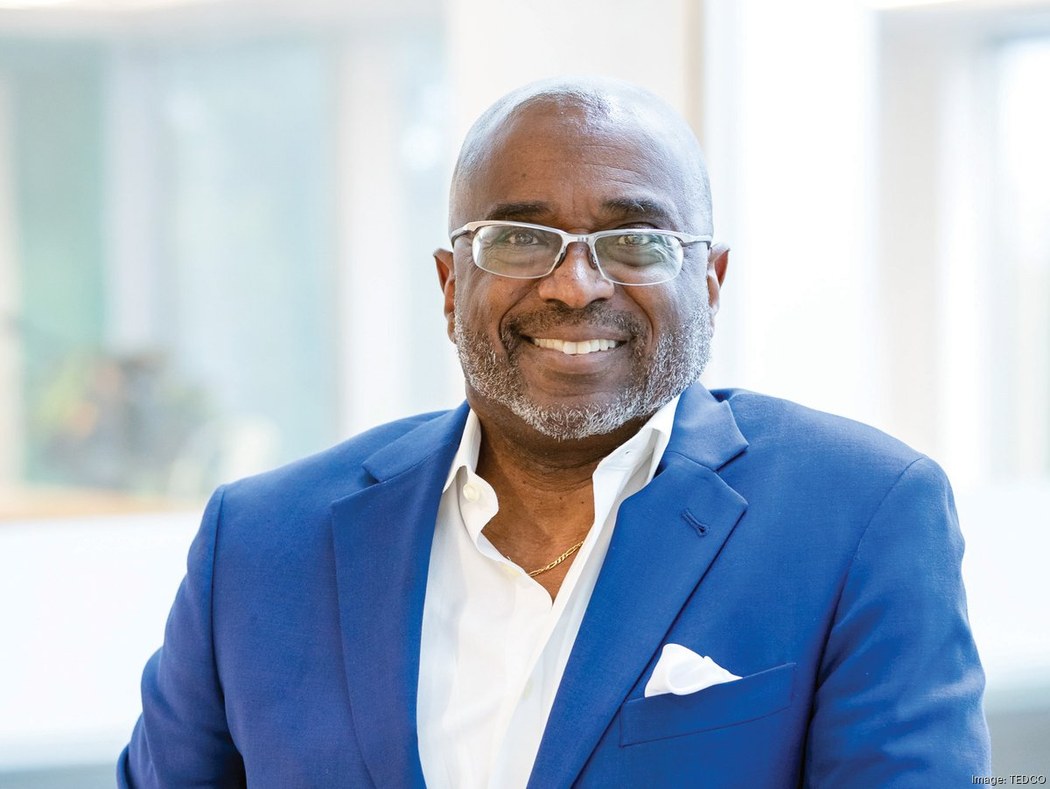
Troy Stovall and the art of the second attempt
From Bell Labs to Maryland’s startup economy, Troy LeMaile-Stovall has built a career around a practical conviction: people can learn, plans can change, and a useful introduction can alter what happens next.
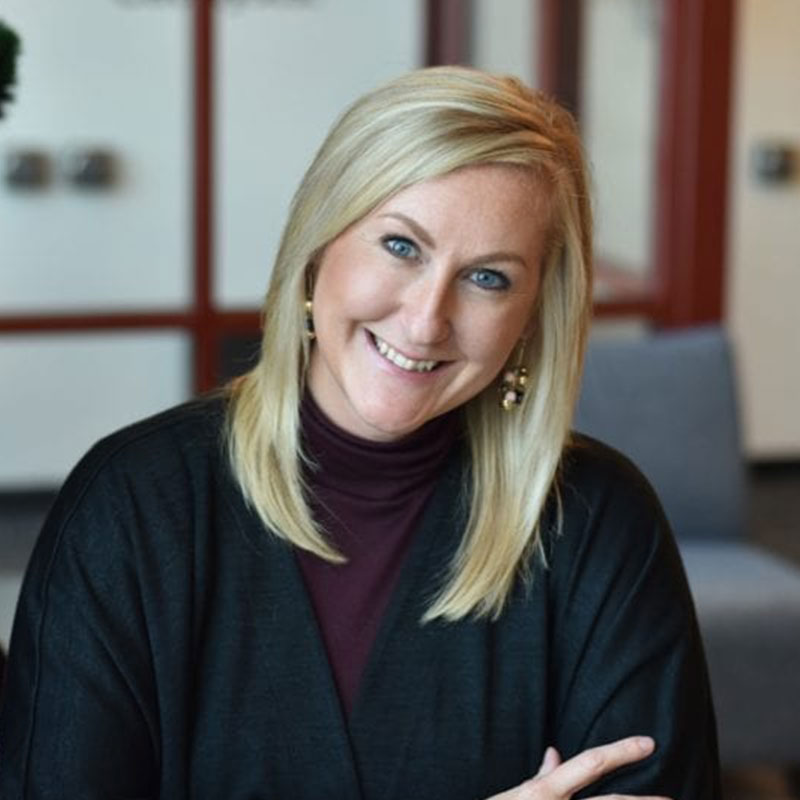
Jessica Sublett and the business of making room
Before Jessica Sublett became CEO of Bounce Innovation Hub, she helped build the machinery that kept it running. In Akron, her next chapter turns on a practical question: what does a good idea need around it to become a business?

Knoxville Entrepreneur Center makes the right introduction
A maker and a software founder can walk through the same door in Market Square. Knoxville Entrepreneur Center has built its business around what happens next: useful advice, sharper plans, and people willing to help.
Startup Tucson makes room for the dumpling founder
A dumpling business and a clinical software company can share a startup stage. In Southern Arizona, that is a clue to how Startup Tucson thinks an economy gets built.

Accelerate Okanagan and the art of making a small city invest
In Kelowna, a technology nonprofit teaches both sides of the funding table. Its lesson for other regions: a promising founder is only half the equation.

Nashville Entrepreneur Center sells the introduction you can’t get yourself
Inside an old trolley barn, a Nashville nonprofit makes business relationships available by the month. Its real product is access - and its own history shows what that access costs.

SEED SPOT Built an Accelerator for the Founders the Accelerator Economy Forgot
The Phoenix nonprofit does not take equity. It teaches founders the unglamorous work - budgets, buyer math, customer interviews and the three-minute pitch - then uses philanthropy to put better networks within reach.

digitalundivided counted the founders venture capital overlooked
A missing dataset became a business-building mission. Inside the nonprofit helping overlooked founders test ideas, find investors and get past the warm-introduction problem.

Guelph’s small-business help desk has homework for you
Business Centre Guelph-Wellington pairs local entrepreneurs with advice, training and a chance at grant funding. The bargain is straightforward: bring a real problem, then do the work.

SmartUp Academy Wants Your First Customer Before Your Finished Product
ZoomInfo co-founder Yonatan Stern teaches entrepreneurs to sell early, spend carefully and build for profit. At SmartUp Academy, the classroom can lead to a lasting co-founder partnership.

Geekdom Built a Home for Startups. Now Comes the Hard Part.
The San Antonio community helped founders find one another. Its next chapter asks whether those connections can help a young business find enough customers to survive.

Flywheel Coworking bets on the cities founders call home
Across the Carolinas, Flywheel pairs desks and private offices with a network of mentors, business services and local partners. Its wager: entrepreneurs should be able to build a company without leaving their community.
Wennovation Hub Lost Its Office. The Work Went Home.
The Nigerian venture builder once squeezed into a co-founder’s flat. Today, its work spans farm businesses, founder training and the patient business of making young companies ready for money.
Opportunity Machine wants you to test the idea before you build the business
Inside a former Lafayette nightclub, Opportunity Machine helps founders find customers, question assumptions, and get to work. Its $100-a-month starting membership is only part of the story.

Edmonton Unlimited Wants Your Startup to Find Its First Customer
Edmonton’s publicly funded innovation agency offers free business programs, expert advice and a place to meet. Its newest wager puts young companies to work on problems that local industry already needs solved.