Jeremy Docken went to dinner before a concert and came away with a business problem. On June 1, 2024, he and his wife, Zarina, were at The Barn in Evanston, talking about the artists around them. They appreciated the music, the performances, the life those people gave their town. They also saw how difficult it could be for an artist to turn that contribution into a living. The evening supplied an awkward question: why did people building technology companies receive so much help learning the business, while people building creative careers often had to improvise?
Docken had experience on the better-supported side of that comparison. He had co-founded Kalderos, raised venture capital, hired colleagues and eventually prepared to leave the company in other hands. He was also a musician. The commercial struggles of artists were close enough to hear without commissioning a market study.
He and Zarina called their response Likhaya. Its name joins two Tagalog words: likha, to create, and kaya, I can. The ambition was to help artists develop the business around their work. Inspiration had arrived over dinner. The insurance, as they would discover, required a separate conversation.
Learning to leave the room
Kalderos began in 2016, with Docken working alongside co-founders Jim Bonkowski and David de Vogel. Before that, he had spent about a decade in consulting. Starting a software company meant turning specialist knowledge into something a team could build, sell and maintain. The early work had a domestic accompaniment: in a photograph of the first office, his son sits drawing at a desk while Docken works on the software.
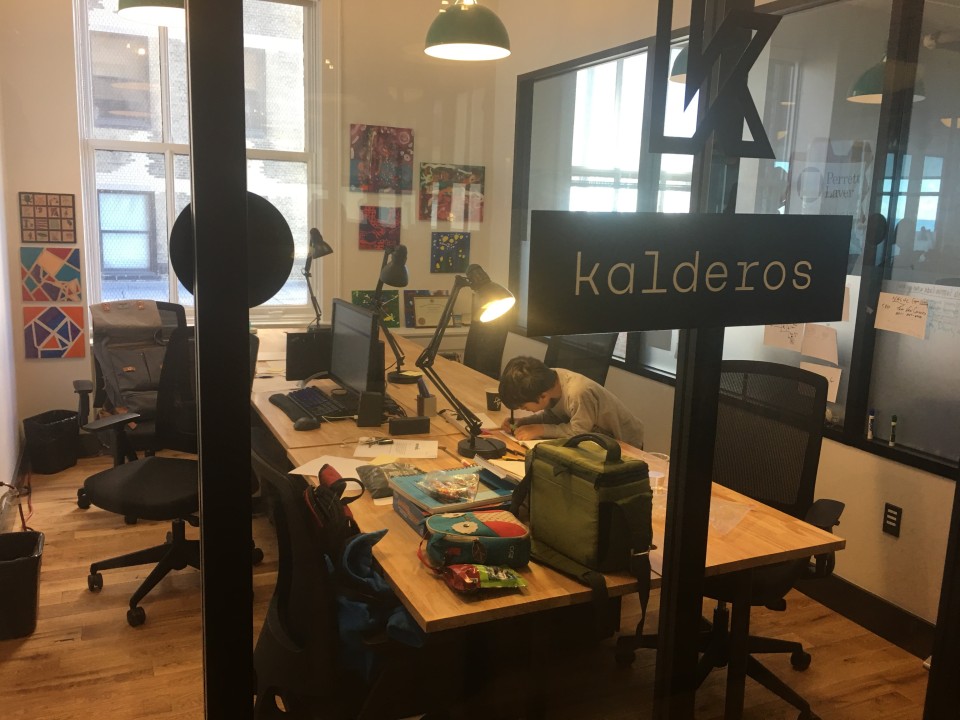
The company grew from five people in autumn 2017 to 11 in 2018. In 2019 it raised a $7 million Series A. A $28 million Series B followed in June 2020, backed by Bain Capital Ventures and Mercato Partners. Those milestones required the usual human work of deciding whom to trust with a young company.
For the 2020 round, much of that work happened on Zoom. Docken spent long evening conversations getting to know investors when traveling to meet them was no longer practical. A financing announcement can make a relationship look like a number. Getting comfortable with the people behind it takes considerably more conversation.
He served as CEO and later chief strategy officer. By December 2023, he was describing a planned departure the following February. He preferred launching companies to the recurring work of expanding the same business indefinitely. He had gradually given colleagues more of the spotlight, allowing the company’s identity to become less dependent on his own.
There is a useful tension in that choice. Founders spend years convincing people that they are essential to an idea. Building an organization capable of continuing without them asks for a different kind of confidence. Docken’s next venture would put him beside other people trying to establish an identity of their own.
The business behind the encore
Music lessons helped him recognize the connection. Through School of Rock, Docken met musicians dealing with questions he knew from business: how to establish a name, attract customers and keep going. The product was different. The effort to find people who valued it was familiar.
“These are entrepreneurs like any other entrepreneur.”
Jeremy Docken, February 2025
Zarina brought a complementary view. Her background spanned mathematics, technology, design and theater, and she had begun pursuing a professional visual art career around 2021. The obstacles were personal to her as well. Together, they could see both the craft and the work surrounding it.
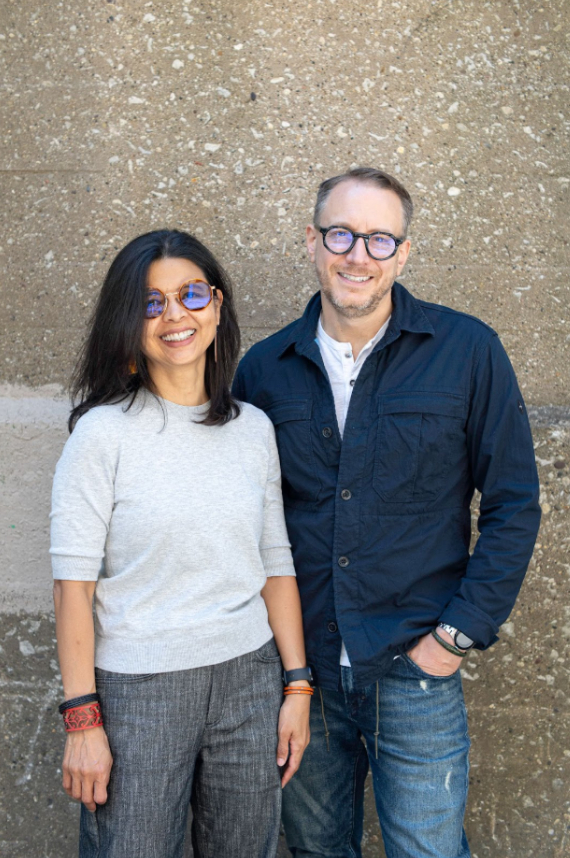
Likhaya became a nonprofit in 2024, with Jeremy as co-founder and president and Zarina as co-founder and chief communications officer. Its premise gave them a practical starting point: an artist could already be good at the art and still need introductions, business advice and opportunities to meet an audience.
That last requirement has a pleasantly stubborn physical form. A musician needs somewhere to play. A restaurant might want live music but lack the time and equipment to organize it. Likhaya and Downtown Evanston put those interests together in Encore! Evanston, a pilot launched in February 2025 at Blue Horse Tavern, Ridgeville Tavern and Bat 17.
The public could attend without buying a ticket. The artists would be paid. Downtown Evanston saw a reason for people to visit restaurants and stay longer. The Dockens saw experience and exposure for musicians. Each participant needed something concrete from the arrangement, which gave the experiment a chance of becoming more than a nice evening.
Docken wanted to measure the result before trying it elsewhere. Customer satisfaction and business response mattered because they could help persuade another venue to participate. A founder’s instinct was visible beneath the set list: try a service on a manageable scale, watch what happens and find out whether someone wants it again.
When the paperwork stops the music
Encore! Evanston ended early after roughly two months. Insurance and copyright licensing issues interrupted a program originally expected to continue through April. The administrative work had caught up with the performance schedule.
During the pilot, Likhaya supplied about $5,000 in equipment. With an anonymous donor’s support, it covered half the musicians’ wages; restaurants paid the other half. The arrangement reduced the cost of giving live music a try. It also gave artists access to sound equipment they otherwise might have needed to buy.
of musicians’ wages covered by Likhaya with donor support
Docken regarded the pilot as useful despite its premature conclusion. His assessment leaves room for both outcomes: people gained opportunities, and the operating arrangements needed more work. Experience building one company does not exempt a founder from learning the rules of another setting. Sometimes the lesson arrives with a microphone already plugged in.
The interruption matters to his story because it gives his interest in entrepreneurship some weight. Helping an artist build a business involves dealing with obligations that enthusiasm can overlook. A program has to work for the venue, the musician and the organizer after the applause has stopped.
Eight to ten bets on creative work
Likhaya’s proposed incubator made the business education more explicit. Its inaugural 2025 plan called for eight to ten artists or groups in a three-month program. Bands and collectives needed a leader committed to strategy and management. Artistic ability was part of entry; the program asked what participants would do with it.
The schedule included mentor office hours, collaborative content days and expert talks. A visual artist could help a band make a poster. Musicians could collaborate on a performance. Participants were expected to work during the week as well as attend organized sessions. A creative business, like any other, has plenty to do between its public appearances.
- 01Find the audienceStrategy, mentoring, introductions
- 02Build the showRehearsal, collaboration, promotion
- 03Meet the roomA final showcase and new connections
Other announced support included microgrants of up to $500 for participating artists. Travel, professional meetings and the cost of presenting work can all sit between a useful opportunity and someone’s ability to take it. Five hundred dollars is a modest number beside a venture funding round. For someone trying to get to a meeting, the relevant comparison is the cost of the trip.
The organization also planned to document the process in stARTup: The Artist as Founder, advertising a July 2025 series launch on YouTube. Letting an audience see the preparation could introduce the people behind the finished work. A showcase offered a deadline. The proposed alumni network offered somewhere for the relationships to continue afterward.
The arts organization also made room for projects outside the model of a band playing a set. Its showcase listings included Unwrapping Lumpia: Deconstructing the Filipino American Identity, featuring 38 Filipino-American artists, and Decolonizing Halloween, which explored Philippine mythology. Those subjects gave the community something to gather around beyond the mechanics of selling work. They also reflected the breadth of Zarina’s artistic contribution. Jeremy’s business experience was one part of a partnership involving artists with different disciplines and interests. The work of building an audience could begin with a shared cultural question, as well as a song.
An audience in the room
Another Likhaya experiment asked people to give their attention differently. In May 2025, its free Labs workshops brought members and visitors together at Noyes Cultural Arts Center. The theme was the attention economy. The activities included contour drawing and writing a song together.
Zarina led participants through drawing another person’s face. Musicians Jackson Foellmer and Anne Marin guided songwriting. People suggested lyrics, revised them and worked toward a shared piece. For an organization concerned with audiences, the exercise made participation tangible: people were responding to one another while making something in the same room.
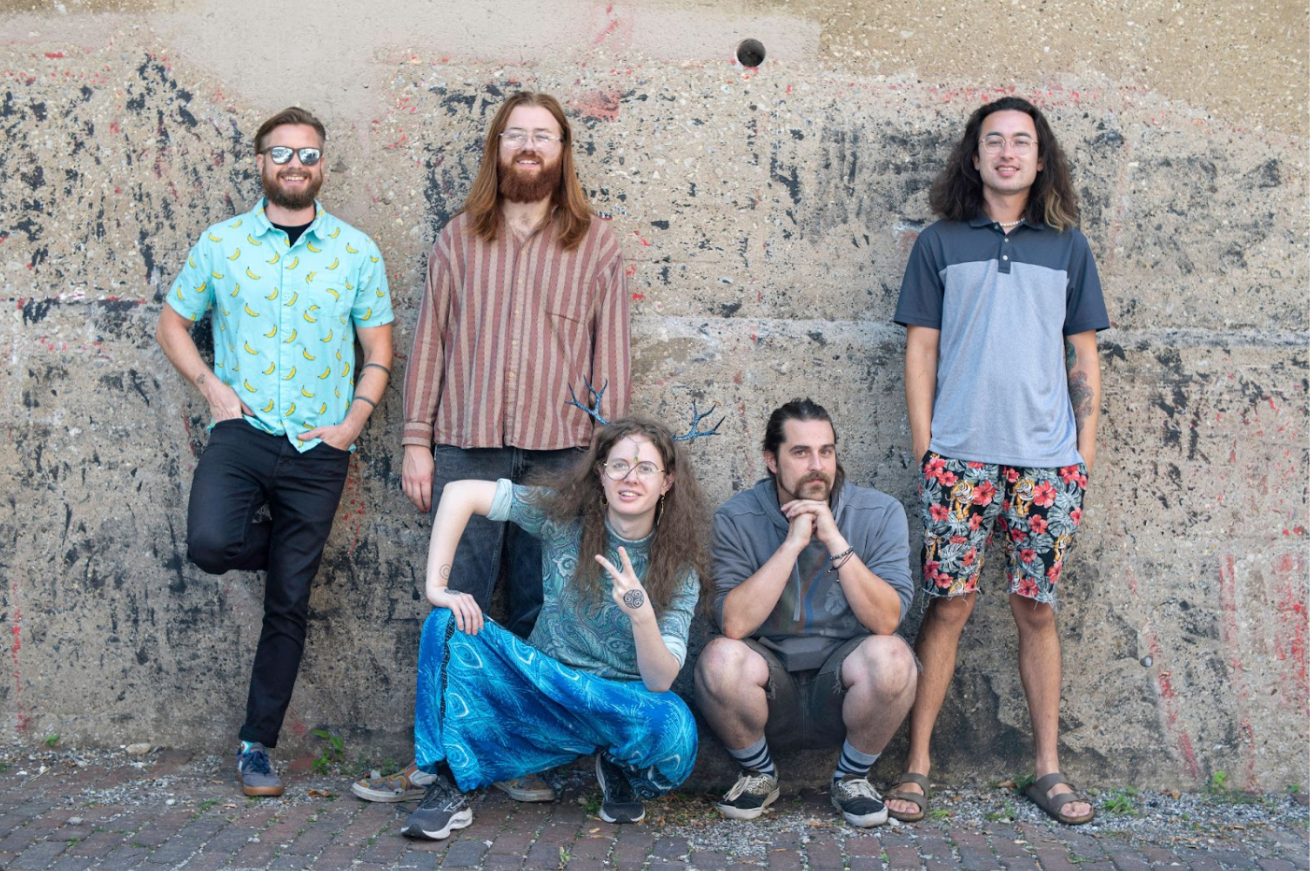
Docken’s move into the arts changes the scale of his work and the people around it. The questions still concern how a person gets started, whom they can learn from and what makes another person willing to support the work. His experience offers tools for asking those questions. The artists supply their own ambitions and the music.
The dinner at The Barn led him toward a familiar position: the beginning of an organization, with an idea to test and details still to settle. Around him were people who could already make something worth hearing. He and Zarina began working on the arrangements that might help more people hear it, come back and pay for another evening.