biomaterials
(8)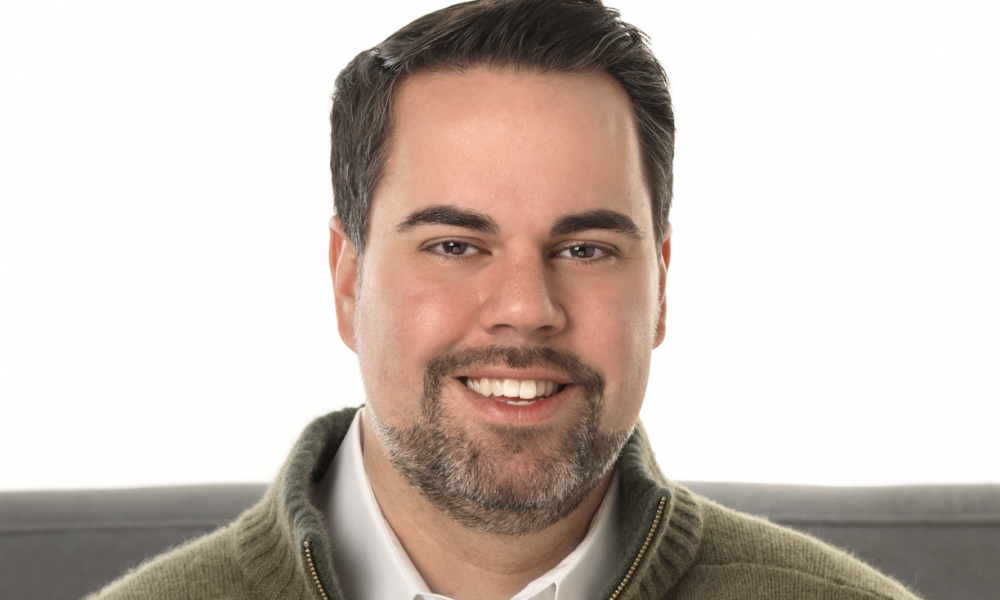
Gregory Altman and the secret life of silk
A former Tufts football captain spent decades studying a material most people reserve for special occasions. Now he wants its less visible properties working inside the things we use every day.
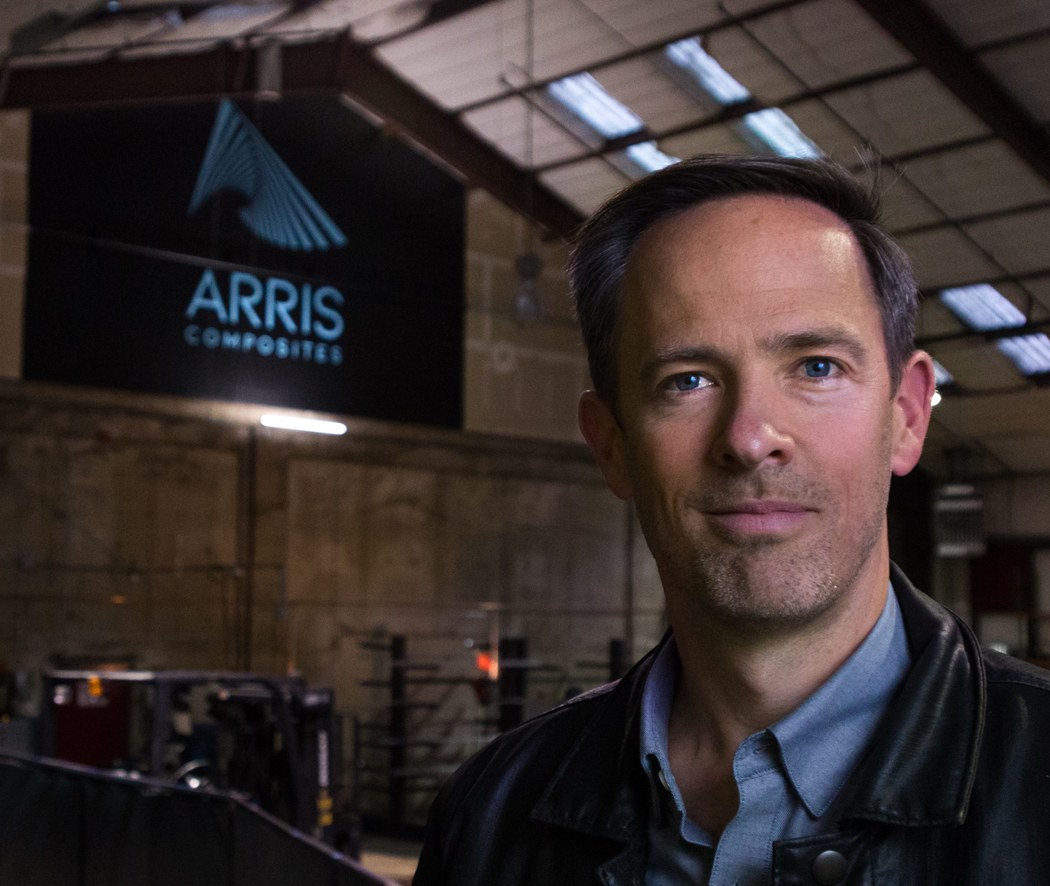
Ethan Escowitz’s unlikely raw material
He helped turn carbon fiber into factory-made parts at ARRIS. Now Ethan Escowitz is working with almond shells, pursuing another change in what manufacturers can make - and what they can make it from.
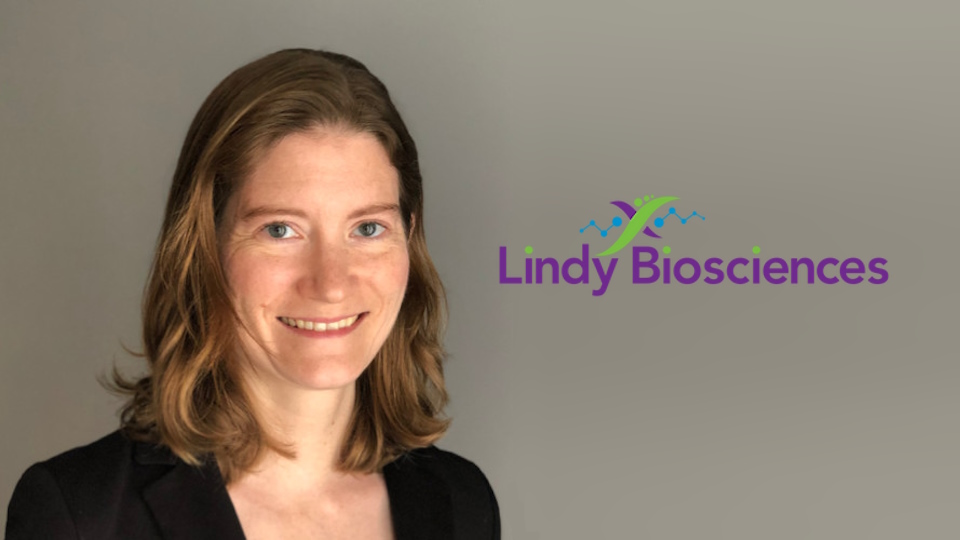
Deborah Bitterfield Is Taking the Water Out of Biologics - and the Waiting Room Out of the Day
A Duke materials scientist turned one stubborn laboratory technique into a biotech company, a Novartis collaboration, and a practical lesson in building around the minutes people want back.
Adam Kinsey Built His Career in the Space Between the Lab and the Ledger
The Ventrix co-founder trained as an engineer, learned the grammar of patents and then spent more than a decade turning an academic biomaterial into a company built for the long haul.
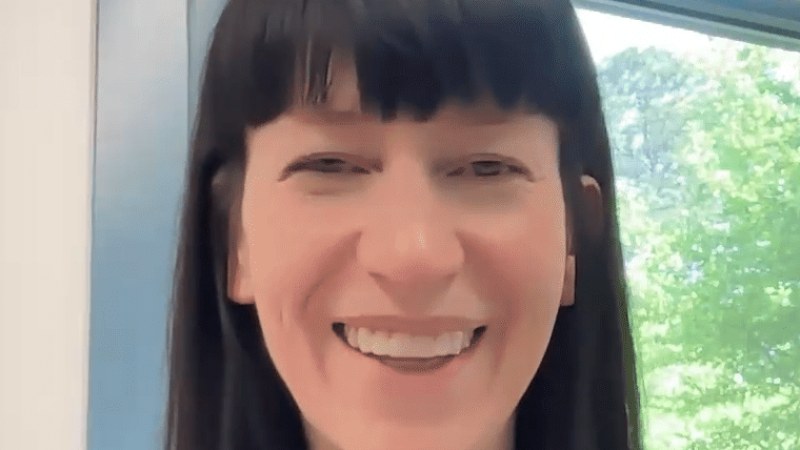
Maria Intscher-Owrang
Maria Intscher-Owrang is the co-founder and CEO of Simplifyber, a Raleigh-area materials startup that molds cellulose-based liquid directly into finished textile and composite parts, eliminating spinning, weaving, cutting and sewing. After more than two decades designing for Vera Wang, Calvin Klein, Dirk Bikkembergs and Alexander McQueen, she left luxury fashion to rebuild manufacturing from the fiber up, landing partnerships with GANNI and Kia and a $12M Series A led by Suzano Ventures.
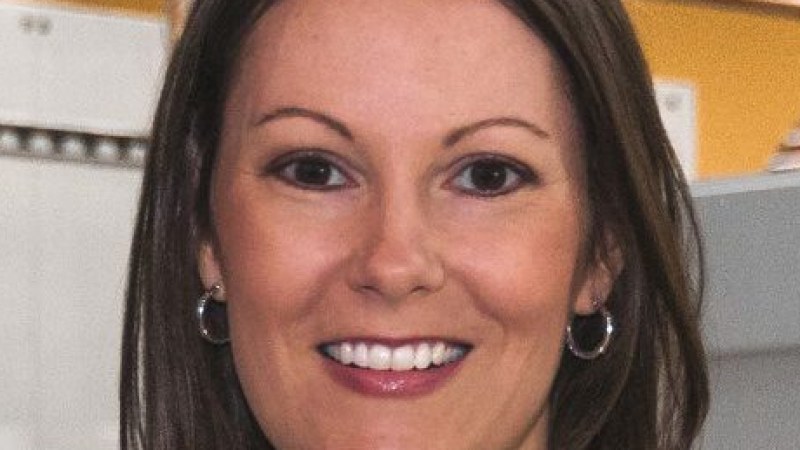
Caralynn Nowinski Collens
Caralynn Nowinski Collens is a physician-turned-entrepreneur and the co-founder and CEO of Dimension Bio (formerly Dimension Inx), a Chicago biotechnology company building regenerative therapeutics that give the body a blueprint to heal itself. Its BioNidum platform fuses materials science, 3D-printing, and digital manufacturing to turn cells into implantable, tissue-like therapies. Before biotech, she spent eight years co-founding and running UI LABS, the innovation collaborative that launched MxD, the U.S. national hub for digital manufacturing. She trained as an M.D./MBA at the University of Illinois at Chicago and has been recognized on Crain's Forty Under Forty, Tech 50, and Notable Women in STEM lists.
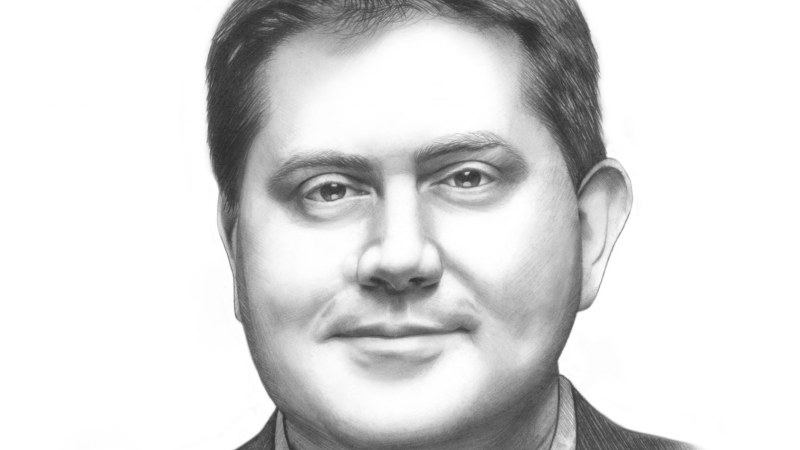
Luis Alvarez
Luis Alvarez is the founder and CEO of Theradaptive, a Frederick, Maryland biotech engineering proteins that latch onto implants and surgical materials to trigger the body to regrow bone, cartilage, and other tissue exactly where it is needed. A retired U.S. Army lieutenant colonel and MIT-trained biological engineer, he traced the idea back to a combat tour in Iraq, where soldiers under his command lost limbs to delayed amputations. Theradaptive has since won multiple FDA Breakthrough Device Designations, raised more than $43 million, and moved its lead protein, AMP2, into human clinical trials.
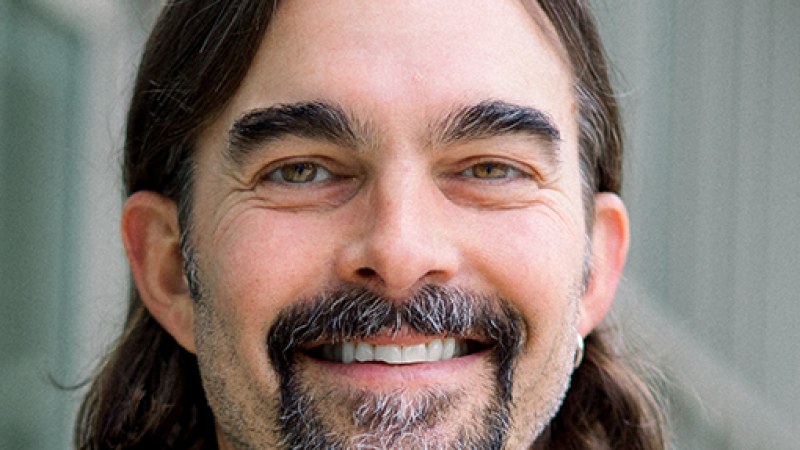
Michael McShane
Michael (Mike) J. McShane is a biomedical engineer who has spent close to 25 years trying to put readable chemistry under the skin. As James J. Cain Professor II and head of the Department of Biomedical Engineering at Texas A&M University, he builds injectable, biomaterials-based optical biosensors - often called 'smart tattoos' - that glow in response to glucose, oxygen and other body chemistries so doctors can monitor patients continuously and minimally invasively. A Fellow of IEEE, SPIE, BMES and AIMBE, past president of the IEEE Sensors Council and founding chair of the IEEE BioSensors conference, he won the 2012 NIH Director's Transformative Research Award and the 2023 IEEE Sensors Council Technical Achievement Award.