automotive-ai
(18)
The AI Chip Company That Sells No Chips
Expedera’s founders looked at neural networks and saw an old networking problem. Their answer is a packet-based engine that chipmakers can license, resize and tuck into everything from phones to cars.

The 45-Year-Old Software Company Teaching Car Dealers a New Dashboard
Pinewood.AI spent decades hidden inside a dealership empire. Now it is selling one database, fewer bolt-ons and automotive-trained AI to dealers around the world - with a £545 million take-private deal waiting at the next junction.
VINCUE Built One Dashboard for the Seven Systems Hiding Behind Every Used Car
A Kansas City dealer was using seven systems to manage one piece of inventory. VINCUE turned that frustration into a single operating layer - and now it is teaching dealership software to anticipate the next decision.
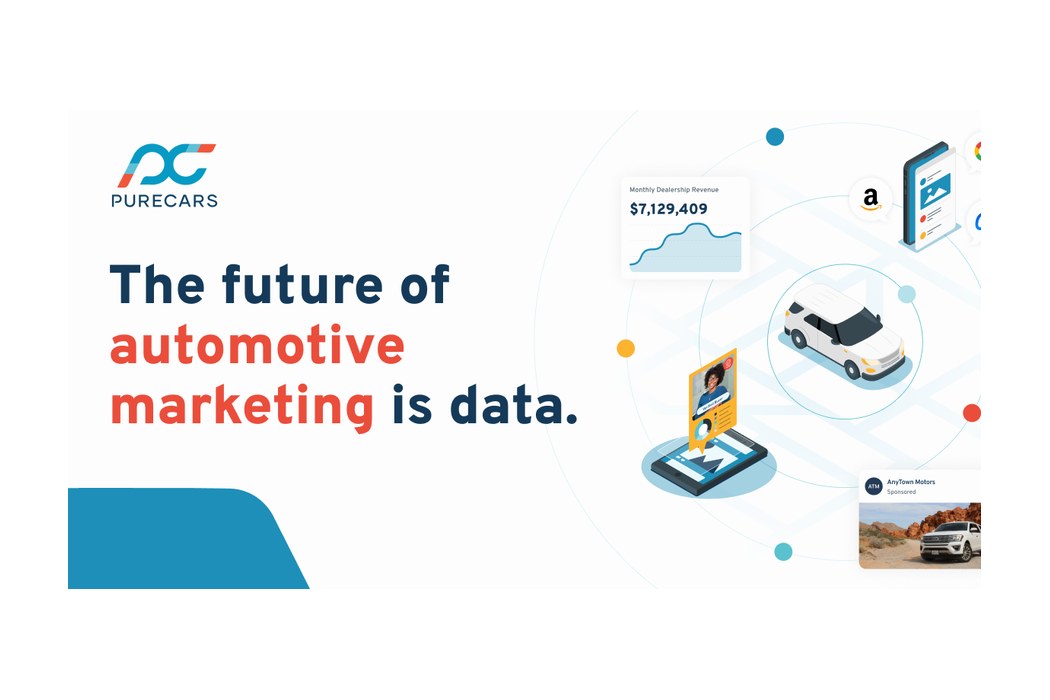
PureCars Found a $250 Million Blind Spot in the Dealership Ad Budget
Car dealers do not lack data; they lack a clean way to act on it. PureCars built a business by connecting the messy records in the dealership basement to the ads, messages and appointments happening upstairs.
UVeye Put Cars Through an MRI. Then the Hard Part Became Trusting the Bill.
The Israeli-American company escaped a narrow security market by teaching its undercarriage scanner to spot leaks, rust and tire wear. Its next test is not whether the cameras can see more - it is whether customers trust what happens after they do.

The $199-a-Month AI That Turned Old Repair Orders Into a Shop's Best Technician
Independent garages already owned years of diagnostic wisdom - it was just buried in old invoices. Mastertech.ai made that memory searchable, charged shops for the privilege, and found a larger home inside AutoVitals.

Phantom AI Stopped Chasing the Robotaxi - and Sold the Safety Layer Every Truck Was Missing
A bruising highway demo exposed the gap between autonomy theater and dependable safety. Phantom AI spent the next eight years making the less glamorous bet - affordable software that can see a pedestrian, fuse a radar return and help an ordinary vehicle stop.

Cars Commerce Wants to Be the Operating System Behind Every Car Sale
Cars.com built the audience. Now its parent is connecting that traffic to dealer websites, appraisals, advertising and wholesale auctions - a bid to own more of the messy journey from search box to showroom.
Impel
Impel started by teaching the internet how to walk around a car. Now it is trying to run the conversations, follow-ups and service reminders that turn a vehicle listing into a customer relationship.
ArcSoft
ArcSoft spent three decades teaching cameras to do more than record a scene. Now its code improves phone photos, reads the cabin and helps cars understand the road - usually without the person using it ever seeing the name.

Mia Labs
Mia Labs is an Austin-based AI company building Mia, a voice-first conversational platform for automotive dealerships. Marketed as an 'AI super employee,' Mia answers inbound and outbound calls 24/7 across a dealership's sales, service, reception, and parts departments, syncing with dealer management systems, CRMs, and scheduling tools to capture leads, book appointments, and handle routine customer conversations. As of early 2026 the platform served more than 350 franchise dealerships and had raised a $20M Series A, bringing total funding to roughly $29M.

EPIKAR Inc
EPIKAR is an AI-first technology company purpose-built for automotive retail. Founded in Seoul in 2016 by former BMW Group Korea executive Bosuk Han, EPIKAR digitizes and automates the vehicle purchase journey - from lead capture and 24/7 self-service showroom access to AI-powered consultations, test drives, contract conversion, and aftersales service. Its modular platform is already deployed at Renault, BMW, and Volvo dealerships in South Korea, and the company has relocated its headquarters to the United States to test AI showroom kiosks in the world's most mature car market.

Quadric
Quadric is a semiconductor IP company that licenses the Chimera family of general-purpose neural processing units (GPNPUs) - a single, fully C++ programmable processor core that runs machine learning inference alongside classic DSP and control code in one unified architecture. Founded in 2016 by three engineers who previously built bitcoin computing hardware, Quadric aims to fix the fragmentation of on-device AI silicon: instead of a fixed-function neural accelerator that breaks whenever a new model appears, its cores scale from 1 to 864 TOPS and can adopt new networks - including large language models up to 30 billion parameters - through a software port rather than a chip respin.
Deepen AI
Deepen AI is a Silicon Valley company building the data lifecycle infrastructure for autonomous systems and physical AI. Its platform combines multi-sensor data annotation, sensor calibration (LiDAR, camera, radar, IMU), and validation tools that carmakers, robotics firms, and AV developers use to turn raw sensor data into reliable training data. Founded in 2017, Deepen also co-created Safety Pool, a global scenario-sharing initiative launched with the World Economic Forum and WMG at the University of Warwick.

Ottometric
Ottometric is a Waltham, Massachusetts software company that uses AI to automate the validation and training of Advanced Driver Assistance Systems (ADAS) and autonomous-vehicle software. Its platform distills petabyte-scale, multimodal sensor data into decision-ready KPIs, cutting validation cost and time by more than half for the Tier-1 suppliers and OEMs that build the cars' eyes and reflexes.
DeepRoute.ai
DeepRoute.ai is a Shenzhen-headquartered autonomous-driving company building full-stack self-driving software, from Level-4 robotaxi systems to mass-market driver-assistance for production cars. Its DeepRoute IO 2.0 platform - powered by a 40-billion-parameter Vision-Language-Action (VLA) foundation model running on NVIDIA DRIVE AGX Thor - is being shipped by Great Wall Motor and a handful of other OEMs.
STRADVISION
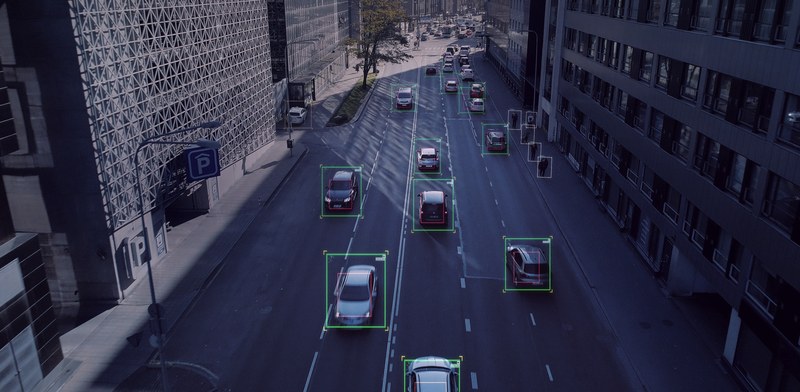
STRADVISION is a Korean automotive AI company building SVNet, a deep-learning vision perception software that lets cars see and understand the road in real time. Its lightweight networks run on low-power automotive chips and ship in production vehicles from more than a dozen global automakers.

Sonatus
Sonatus is a Sunnyvale-based automotive software company building the AI-powered, software-defined vehicle. Its Digital Dynamics platform - including Sonatus Updater, Automator, Collector AI, and AI Director - lets automakers deploy, monitor, and update vehicle software and edge AI models without rewriting code. Sonatus technology is in production in over 6 million vehicles, including models from Hyundai, Kia, and Genesis.