Qlik had four months to change the way its partners sold. The analytics software company was moving toward recurring revenue, and its partner program needed to catch up. There were 82 project initiatives to manage. Thirty-four had to be finished by launch. Across the engagement ran 27 workstreams. A strategy could explain the destination. Someone still had to organize the traffic.
- Spur Reply helps enterprise teams design and execute go-to-market plans.
- Its work connects partner programs, marketing, operations, data, and AI.
- The useful lesson: give every handoff an owner and a working process.
That is a good place to meet Spur Reply. The Bellevue consultancy works in the gap between deciding what a business should do and getting its people, partners, and systems to do it. Its customer stories feature Microsoft, NetApp, SAP, Google, and Qlik. The recurring subject is coordination: the decidedly unglamorous work that can determine whether a promising commercial plan survives contact with Monday morning.
Twenty-seven ways to miss a launch
For Qlik, the problem reached beyond a fresh partner brochure. A subscription business has reasons to reward partners for influence, customer support, renewals, and expansion. A program organized around a reseller transaction can leave those contributions poorly recognized. Qlik wanted a cloud services track and a broader way for partners to participate throughout the customer relationship.
Spur assessed the existing program, compared competitors, and examined readiness for change. Then it helped manage the rollout: project plans, stakeholder communication, launch content, and a partner business proposition. Internal changes at Qlik increased the need for execution support. The four-month deadline made prioritization concrete. Every appealing idea could not be equally urgent.
Spur reports that the program launched within the required timeframe. That is a delivery result, rather than a quantified claim about additional revenue. The distinction matters. The revealing detail is how much organized work sat underneath the apparently simple decision to modernize a partner program.
Give the relationship a score
At NetApp, the question was where limited resources should go. Spur helped build partner scoring around transaction and profile data, supported by a normalized warehouse, a shared dashboard, capacity planning, and governance. The object was to make partner performance visible enough to guide investment.
Close relationships can obscure underperformance, the case observes. A scoring process gives managers something to examine alongside their impressions. Copying this approach means agreeing on the decision the score will inform, cleaning the inputs, and setting a review rhythm. A dashboard without those agreements can become a very attractive place to postpone an argument.
The brand is part of the machinery
Spur also makes the words and pictures that help a program make sense. In its SAP engagement, the task concerned a partner ecosystem described as 140,000 strong. Roughly 20 hours of interviews with SAP teams and partners informed a shared brand strategy, naming architecture, messaging, and visual identity. The work included guidelines and resources for adoption, with a launch at SAP Sapphire.
That combination explains the firm’s position in the market. A creative agency might lead with the campaign; a technology implementer might lead with the platform. Spur’s offering connects those tasks with program design and operational delivery. Buyers can also use internal teams or broader consultancies. Spur’s case for being hired rests on joining the pieces.
Microsoft’s Project AirSim launch offers another example. Spur worked on the product story, communications, visual assets, and event experience for the Farnborough International Airshow. Explaining a technical product and preparing people to discuss it were parts of the same assignment. The presentation needed a functioning organization behind it.
First the workflow. Then the AI.
The same pattern appears in a smaller, more measurable process. An unnamed global entertainment organization was manually matching mentors and mentees across hundreds of participants. Spur designed an Asana AI Studio workflow to recommend pairings against defined criteria, then supplied repeatable templates, documentation, and training.
The lesson is practical: standardize a recurring decision, then automate the work around it. Faster matching does not by itself establish fairness or better long-term mentoring. Those require scrutiny of the criteria and results. An organization without usable participant information or an accountable program owner should expect a harder implementation.
The company’s service menu follows that breadth: product marketing and brand work alongside operations, partner automation, and business transformation. Those projects can draw on different specialists, but the buyer still needs a coherent process. In its Asana offering, Spur describes a partnership with Omtera: Spur handles operating models, governance, adoption, and AI workflow strategy; Omtera contributes migration, integrations, and platform engineering.
Spur sells professional services: assessment, implementation, creative work, program support, and advice. Its Asana practice adds workflow configuration and adoption support. Asana’s directory lists engagement budget bands of $5,000-$10,000, $10,000-$15,000, and $15,000+. These are starting points for a conversation about scope; a multi-team transformation requires its own estimate.
A bigger network, the same last mile
The Spur Group began in 2006. Consulting.us identifies four co-founders: Randy Karr, Chris McCall, Richard Flynn, and Steve White. Reply acquired the business on December 31, 2021, announcing the deal the following January. Its financial report records an initial consideration of $33.821 million for all the shares. The transaction placed the firm inside a wider technology and consulting network.
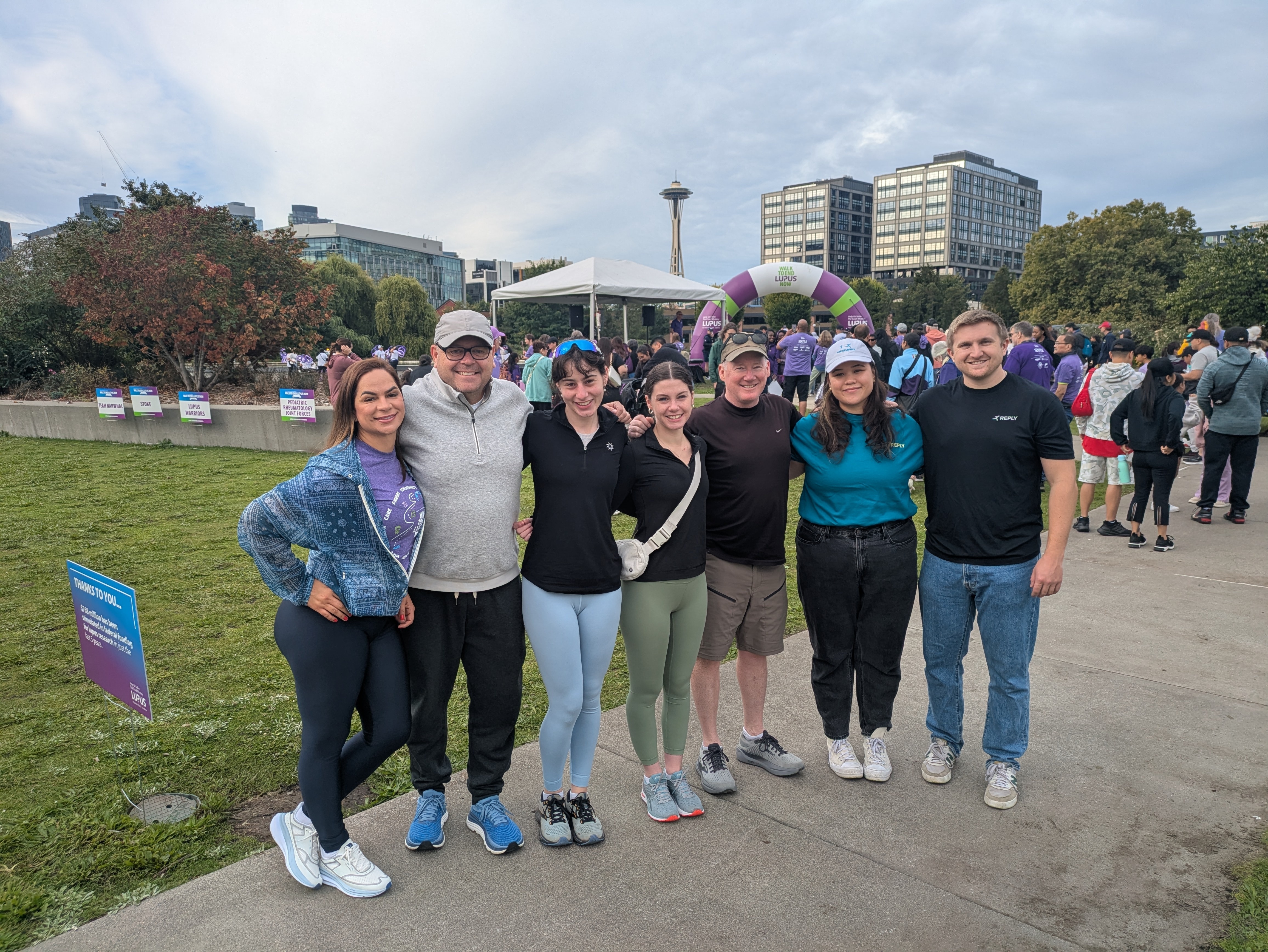
Today, Spur describes a culture of involved leaders, direct conversations, and working alongside client teams. Its stated principle fits a firm whose deliverables include both the plan and the apparatus for carrying it out.
“Strategy is not a presentation, it’s a commitment.”
Spur Reply / About Us
Its August 2026 interview series, Spur Conversations, brings the same questions to partner data and AI-assisted buying. Host Kate Caday speaks with Omdia’s Jay McBain and Crossbeam’s Bob Moore about where ecosystems influence revenue. The format suits a consultancy selling judgment as well as implementation: the next operating problem starts with asking a better question.
Its approach depends on clients being willing to settle ownership, examine uncomfortable evidence, and change familiar routines. No outside team can make those choices permanent by writing them down. For a buyer, the useful question is specific: which handoff keeps failing, and what would make it work next week? Spur’s business begins with the answer.