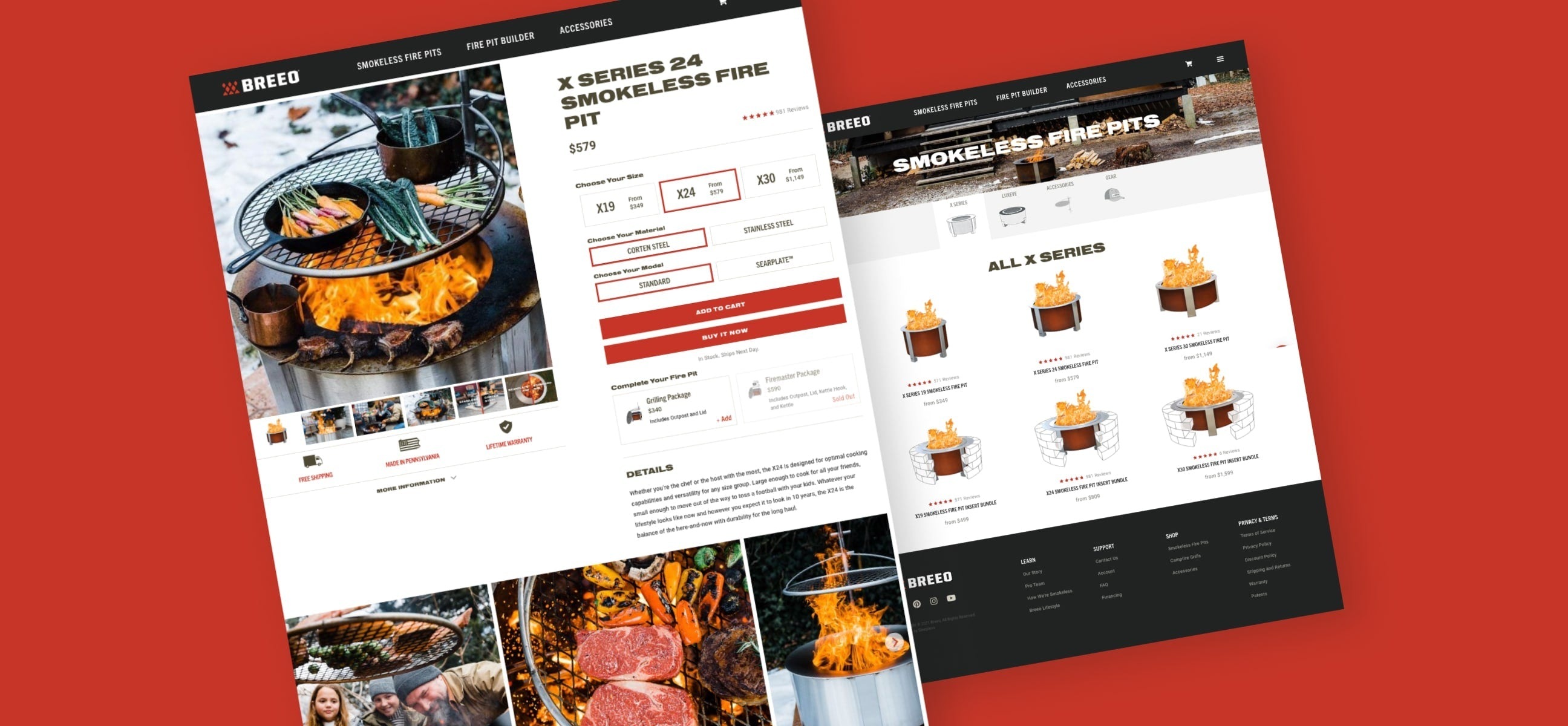
Buying a fire pit sounds simple until the choices arrive. Which size? Which material? Which accessories belong together? For Breeo, those decisions became the job of a custom online builder developed with Sleepless Media. The agency reports that 80 percent of orders went through the tool. A piece of website design had become the place where customers assembled the thing they wanted to own.
That is a useful introduction to this Santa Cruz-born design and development company. Its portfolio contains plenty of handsome pages, but the more interesting work happens where shopping gets complicated. A tea drinker needs a recommendation. A water-filter buyer needs to distinguish products for the kitchen from products for the trail. Someone has to make those decisions legible on a small screen.
Sleepless Media sells that work to brands. Founded by Jon Cattivera in 2003, it combines branding, custom website design, development and continuing optimization. Shopify and Shopify Plus sit at the center of its ecommerce practice. Its particular territory is consumer products, with a visible concentration in outdoor adventure, food and beverage, health, and lifestyle.
Share of Breeo orders placed through the custom builder, as reported in Sleepless Media’s case study.
Agency-reported figure; measurement period unspecified.The fire pit comes with a design brief
Breeo arrived with a refreshed brand and an existing Shopify site. In a May 2020 client interview, co-founder Jonathan Miller described a business whose website had been converting reasonably well but needed a new look and customer journey. The trigger was an opportunity to improve, rather than a storefront that had stopped functioning.
Miller said Sleepless Media explored the intended audience, reviewed other sites and proposed design directions. Once a direction was approved, the agency designed the pages and produced a sitemap for Breeo’s own development team. He put spending at approximately $15,000 for that engagement. The deliverables were specific enough to make the handoff part of the value.
“Their work isn’t just pretty; they have the buttons in the right place to increase conversions.”
Jonathan Miller · Co-founder, Breeo
The agency’s broader Breeo portfolio now includes web development and the custom builder, where shoppers preview materials, sizes and accessories. It also reports a 176 percent conversion-rate increase. Those figures describe the agency’s account of the wider work; the earlier $15,000 design engagement should not be treated as the price of everything shown in the later case study.
Sleepless also says it introduced Breeo to a marketing partner. That detail matters when interpreting results. A new site, a brand refresh and changes in marketing can all affect sales. The case is most persuasive as an example of a concrete purchasing tool, rather than a promise that another merchant can buy the same percentage improvement.
A tea aisle with someone to ask
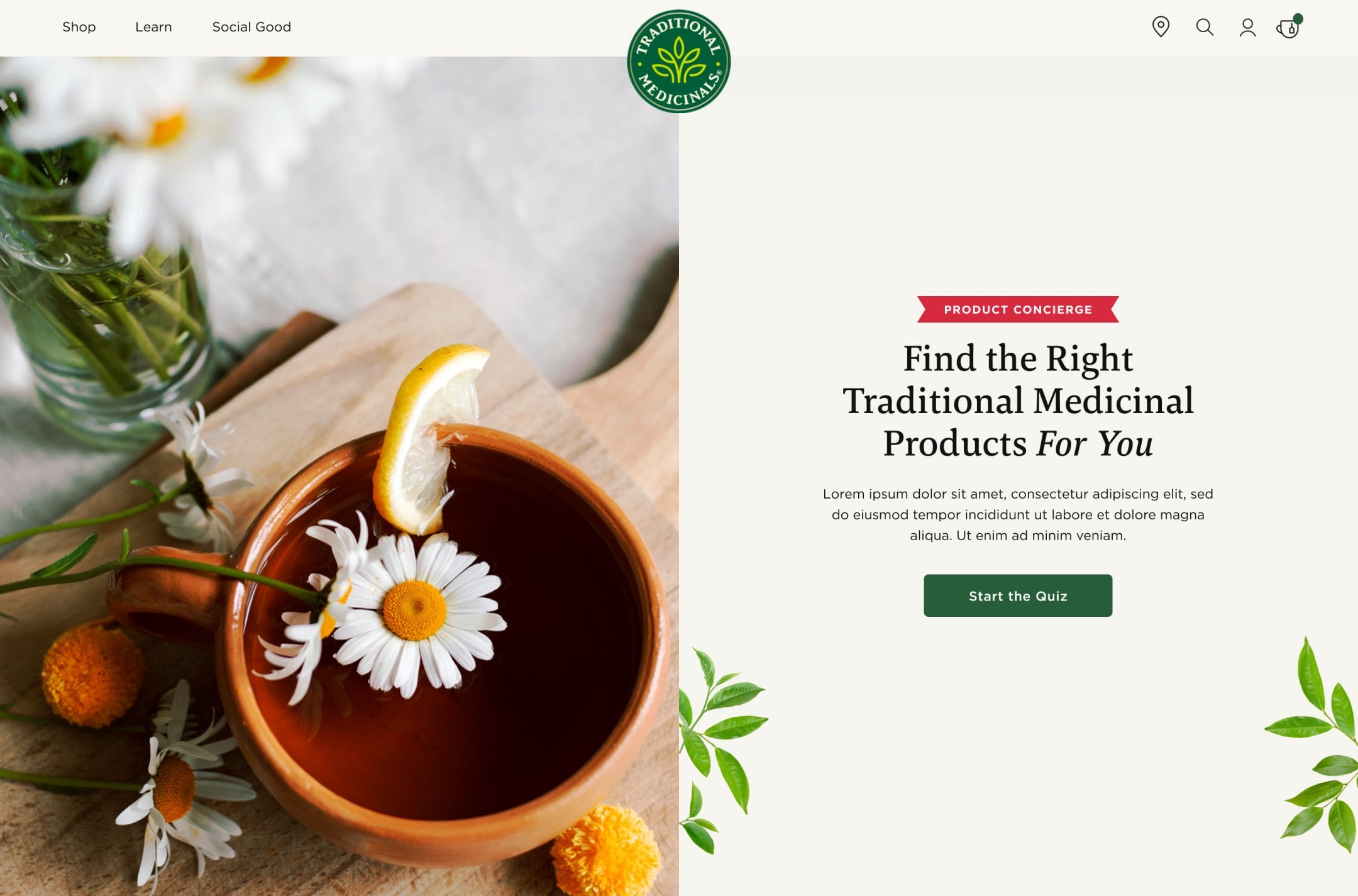
Traditional Medicinals presented a different problem. Its existing proprietary shopping cart imposed restrictions, while the company wanted to grow direct sales and build a richer home for its educational material. Sleepless Media moved it to Shopify Plus and redesigned the experience, including a questionnaire that recommends teas.
The agency says the questionnaire increased average order value. It also describes a resource section containing journals, a plant library, expert profiles and recipes, alongside pages explaining the company’s purpose. Mobile use was considered throughout the redesign. Shopping and learning were both part of the assignment.
The editorial lesson here is that product information has a job to do. A recommendation tool can give an uncertain visitor somewhere to begin. A library can let a more curious visitor keep reading. Each serves a different appetite for detail, without requiring the shopper to arrive knowing the catalog.
For a merchant considering similar work, the question is practical: which decision repeatedly sends customers to support, or leaves them circling between product pages? That is a candidate for guidance. A quiz earns its screen space when the answers change the recommendation. Otherwise, it risks becoming another form to complete.
LifeStraw had outgrown its old code
At LifeStraw, the initial friction was partly underneath the surface. Sleepless Media’s case study describes accumulated legacy code that slowed the site and made maintenance cumbersome. Meanwhile, a brand associated with portable filtration needed an online store that also gave its home products room to sell.
The agency upgraded the business to Shopify Plus, reworked the architecture and built a custom theme. It experimented with navigation, added subscription and upsell opportunities, and developed an extensive section about the brand’s social and environmental work. The assignment covered how people found products and how the company explained itself.
Sleepless reports a 31 percent increase in total orders and a 27 percent increase in revenue for the project. These are agency-reported outcomes, not controlled comparisons. The more portable lesson is the reason for the rebuild: the site had become harder to maintain while the business it represented had become broader.
Custom work, familiar foundations
Sleepless occupies the service layer between a merchant and the software running its store. Shopify’s directory lists it as a Premier Partner and dates its participation to February 2012. Businesses hire the agency to plan and build their experience, then can retain support for the work that follows launch.
The service menu includes custom themes, migrations, wholesale functionality, subscriptions and app integrations. Design work spans discovery, visual identity, prototypes and illustration. Continuing services include audits, analytics, conversion testing and search strategy. The company also offers product rendering and industrial design support, extending its work into the imagery used to sell physical goods.
Its partner directory includes Recharge, Gorgias, Yotpo, Okendo, Rewind and other ecommerce vendors. The significance is practical: a bespoke storefront can still use established tools for recurring purchases, customer service and related operations. Customization does not require every component to be written from scratch.
WordPress remains another part of the practice. Sleepless offers custom themes, migrations, plugin integration and editable content for those projects. That makes it relevant to companies whose website needs include substantial publishing or a marketing presence beyond a transactional store.
The competitive choice is therefore broader than one agency against another. A merchant could use a standard theme, hire a freelancer, build an internal team or commission an agency. Sleepless’ case rests on coordinated design and technical work, backed by experience with the kinds of products its customers sell. The portfolio is the evidence to inspect.
The punk musician behind the proposals
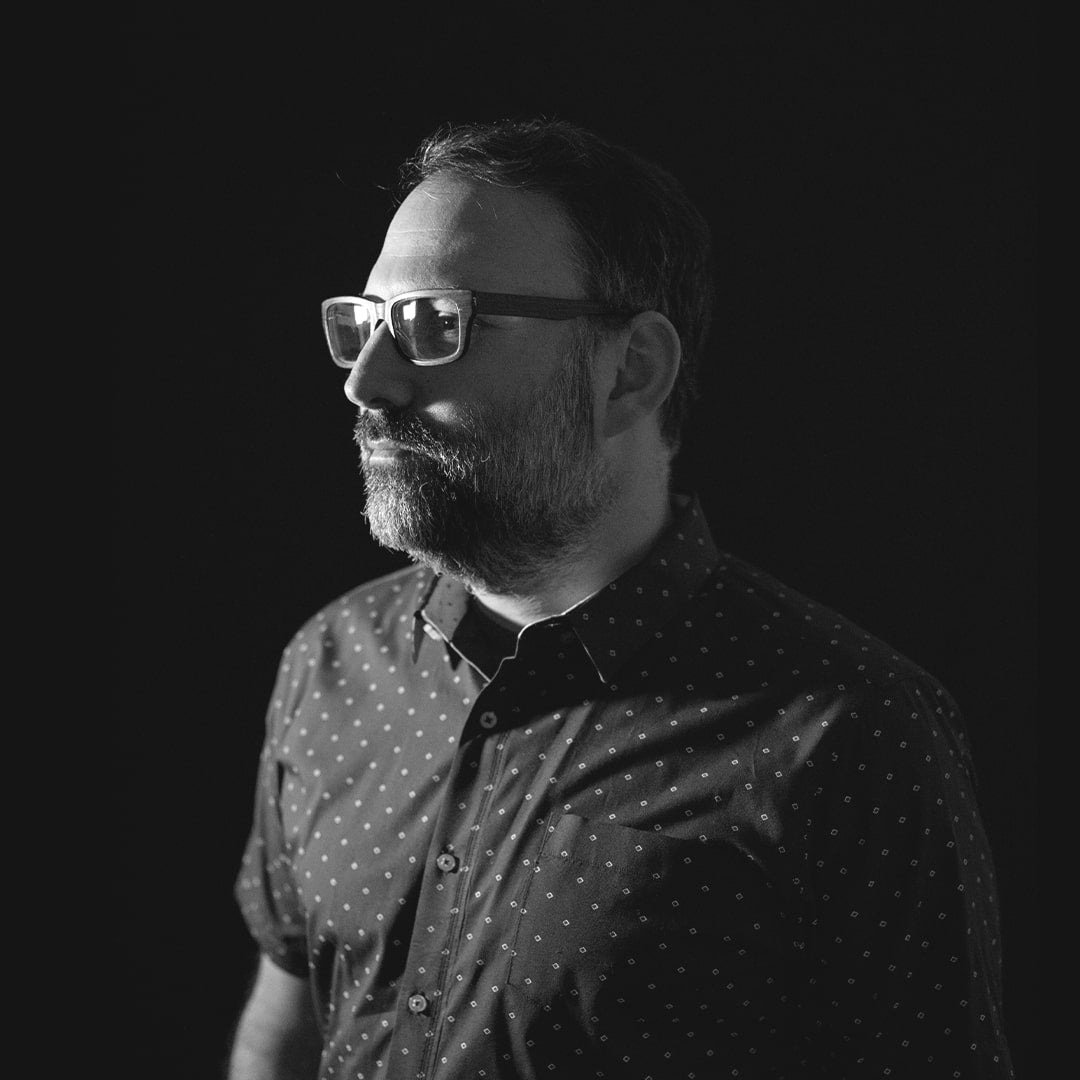
Cattivera’s account of the beginning is refreshingly unplanned. In a 2018 anniversary essay, he recalled growing up in Santa Cruz with skateboarding and punk bands as his main interests. Making a living from either proved difficult. Starting a design agency was not the grand strategy he had been nursing all along.
The music continued. Cattivera sings and plays guitar in Time Spent Driving; the band’s publicity also credits his album artwork to Sleepless Media. His agency biography leans into flannels, Converse and late-night proposals. It gives the business a recognizable human author, someone whose design work and music have occupied the same life.
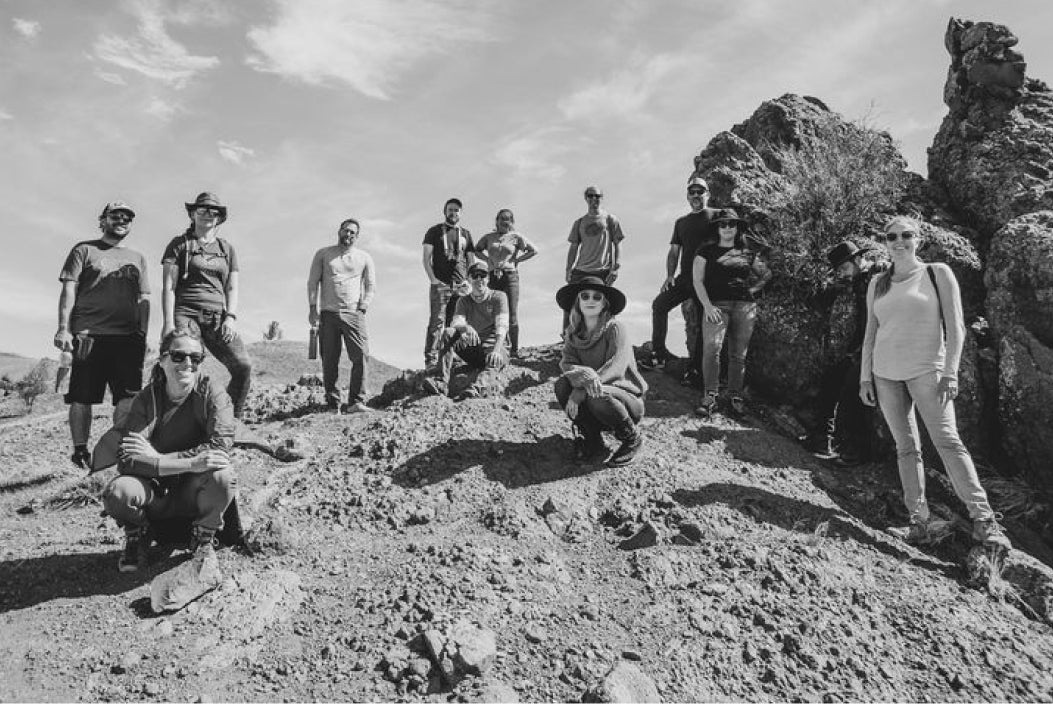
The company now describes a senior team distributed across the United States, with additional hires and contract resources supplementing the people on its team page. Design, development, project management, photography, strategy and copywriting all appear among the listed roles. It is a founder-led business with several disciplines around the table.
There is an amusing wrinkle in the name. The careers page talks explicitly about avoiding stress and burnout. It describes flexible hours, paid time off and retreats, and says the team has been fully distributed since the pandemic. Its account of remote social life includes mailed beer or goodies and online drawing games. These are the company’s descriptions of its culture, but they are considerably more specific than a claim to be passionate.
Buy the scope before the scenery
The economics begin with an individual brief. Sleepless’ current inquiry form offers budget bands from under $35,000 through $300,000-plus. Those are intake categories, not a rate card. Breeo’s historical design bill is useful precisely because the client also explained what was purchased.
A prospective client can copy that discipline. Separate discovery, design, implementation, migration and continuing support in the brief. Establish who supplies product information and photography, who approves designs, and who owns the technical handoff. Agree on dates as well as deliverables. One Shopify-directory reviewer, Franklin’s Gourmet Popcorn, praised the work while reporting that projects frequently ran over schedule.
The approach makes most sense when a business can identify a buying or operating problem that warrants custom work. A small, straightforward catalog may be well served by an existing theme. A builder depends on accurate product rules; a questionnaire depends on meaningful answers. Elaborate design cannot compensate for a business that has not settled what it sells.
That leaves a straightforward way to judge Sleepless Media: follow the shopper. Watch someone choose a fire pit, look for a tea or navigate a growing filter range. The strongest part of this agency’s portfolio is the attention paid to what happens between interest and a confident decision to buy.
Explore the work
Visit Sleepless Media, browse its project portfolio, or read its ecommerce articles. The 15th-anniversary essay tells the founder’s version of the beginning.