The interesting thing about Nourish is what happens before anyone discusses breakfast. A patient enters insurance details. The company checks coverage. A registered dietitian becomes someone you can book, rather than someone you vaguely suspect you ought to see. Nourish says 94% of its patients pay nothing out of pocket. In a business devoted to changing habits, the first obstacle it removes is the bill.
- Human dietitians deliver virtual care; insurance usually pays.
- The app carries support into the days between appointments.
- Labs, physicians and medication management are expanding the service into a metabolic clinic.
The benefit hiding in plain sight
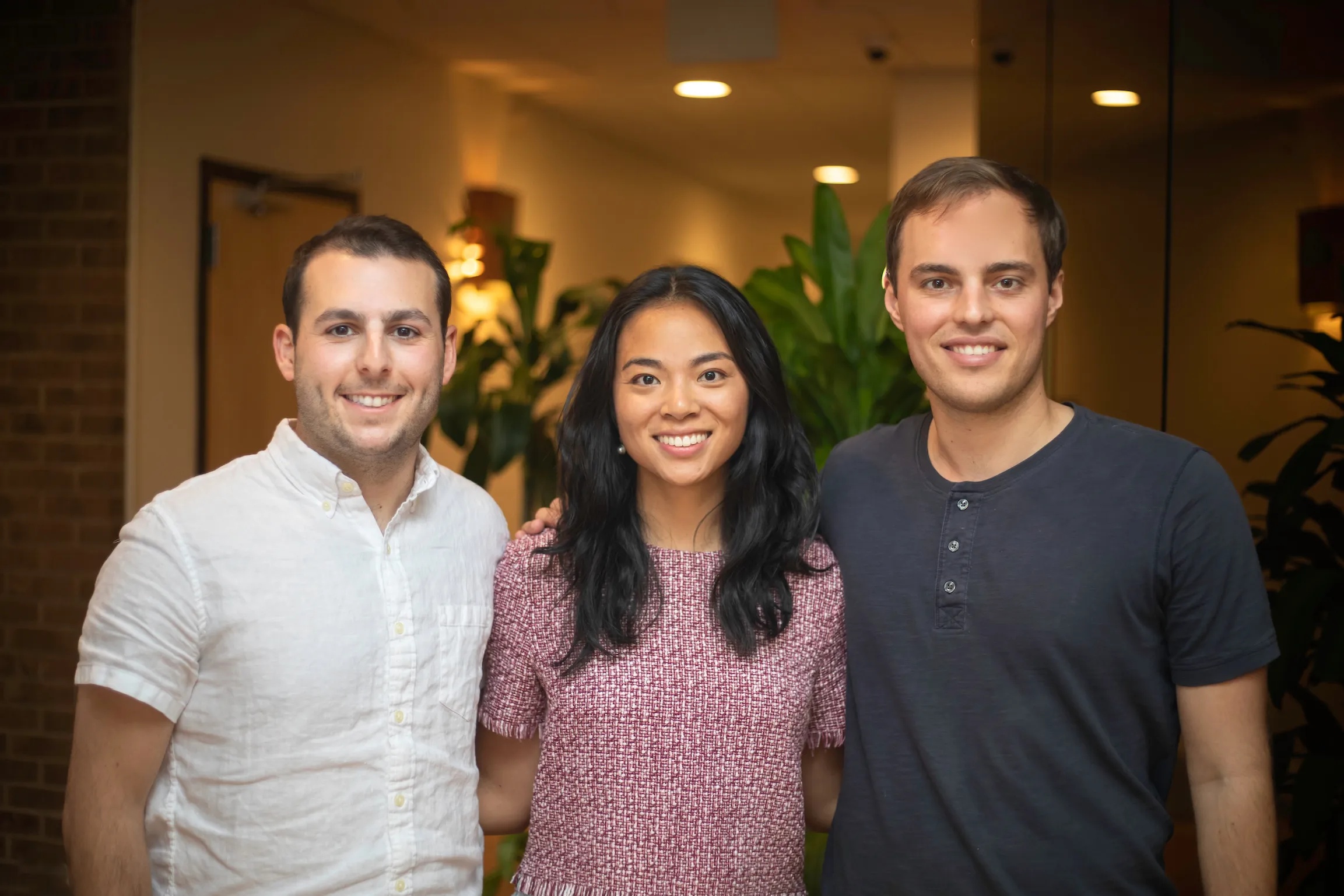
Nourish began in 2021 with Aidan Dewar, Sam Perkins and Stephanie Liu. Dewar is CEO, Perkins is president and COO, and Liu is CTO. Their starting point was personal: the founders had experienced nutrition-related health problems and the usefulness of working with dietitians. Dewar has discussed chronic migraines and the difference nutrition care made to his life. The insight was less glamorous than a medical breakthrough: useful care could still be maddeningly hard to reach.
The company turned that observation into a service. Patients find a dietitian suited to their needs, meet virtually and receive continuing support. Its directory spans diabetes, digestive health, eating disorders, pregnancy, sports nutrition and other concerns. A person seeking help with blood sugar and a person rebuilding their relationship with food need different expertise. Matching is part of the treatment experience, not merely a way to fill a calendar.
Insurance makes the offer attractive, but the arithmetic needs its small print. Nourish’s published self-pay rate is $145 per session. Coverage depends on the policy; an in-network logo is not a personal guarantee. Its billing guarantee says patients whose initial insurance claim is denied are not charged for appointments already completed, with future care moving to self-pay or stopping. The elegance lies in reducing uncertainty before it becomes a reason to abandon care.
A dietitian with a software department
Nourish employs its dietitians directly. Index Ventures describes a clinical community, quality monitoring, benefits and equity. That structure gives the company responsibility for how care is delivered, beyond maintaining a list of available professionals. Software then helps carry that responsibility: patient matching on one side, clinician tools on the other.
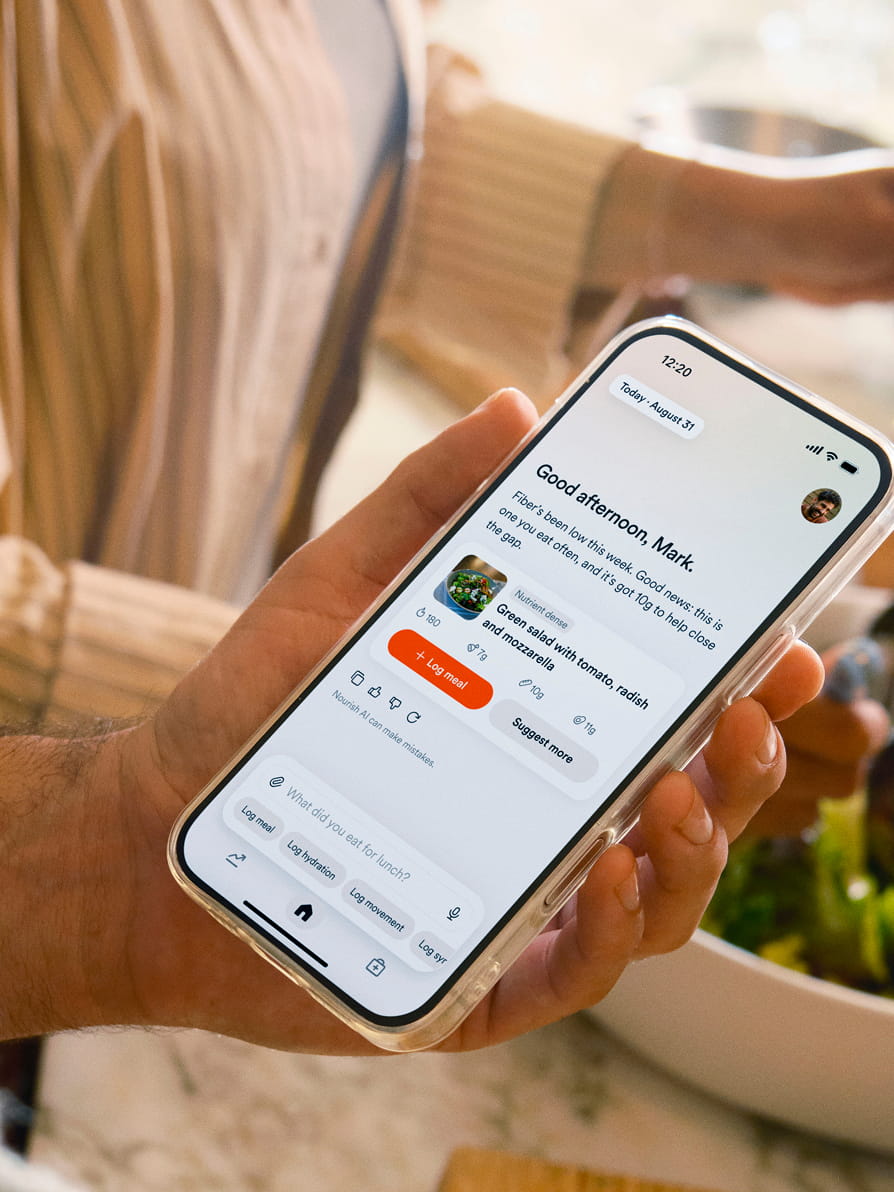
The app supplies the connective tissue. Patients can message their dietitian, manage appointments, log meals with AI assistance, explore recipes and track goals. It also shows insurance claim status, a wonderfully prosaic feature in a world fond of promising transformation. Provider tools assist with notes, research and administrative work. The human relationship remains central; automation helps make that relationship easier to maintain.
This is a competitive market. Fay also connects patients with insurance-covered dietitians, including practitioners who operate independent practices. Foodsmart combines nutrition counseling with grocery savings, shopping tools and delivery partnerships. Nourish’s distinction is the arrangement of its parts: employed clinicians, app support and an increasingly integrated medical team. Insurance coverage alone cannot be its entire claim to difference.
Partnerships also connect the service to places patients already seek help. Tia offers members access to Nourish counseling; Wisp paired its GLP-1 offering with nutrition support. A ModifyHealth partnership links advice with medically tailored meals. Each tackles the same awkward distance between receiving a recommendation and finding a practical way to follow it.
The prescription changes the room
By May 2026, Nourish was describing itself as a dietitian-led metabolic clinic. Labs, physician care and medication management were being added around the original service. Fierce Healthcare reported a physician waitlist at that point. The ambition had expanded faster than universal access to every component, a distinction patients should keep in mind.
The reason for expanding was practical. Nourish previously referred patients elsewhere for needs outside nutrition counseling. Executives said patients and health-system partners wanted more coordinated care. GLP-1 medication created another opening: people taking the drugs still needed help with nutrition, side effects and sustained habits. Bringing prescribing into the clinic reduced one more handoff.
Additional services depend on clinical need, eligibility and availability.
Growth has made that expansion financially possible. A $35 million Series A in March 2024 was followed by a $70 million Series B in April 2025. The $100 million Series C, led by Menlo Ventures in May 2026, brought company-reported funding to $215 million. That is capital raised, not the cost of treating patients. The clinic’s operating expenses are a different ledger.
Put the fee where the outcome is
In June 2026, Nourish announced a Clinical Outcomes Model that combines clinician coaching, care pathways, product testing and longitudinal data. It also introduced partnership models tying fees to patient results. For employers and insurers, this changes the proposition: buying access becomes buying care whose performance can affect payment.
“We wanted to build a patient-friendly healthcare system with lifestyle change and nutrition as a first-line treatment, not an afterthought.”Aidan Dewar · April 2025
The numbers require discipline. Nourish reports average 12-month weight loss of 8% among patients not taking GLP-1s, with its outcomes page specifying engaged patients and condition thresholds. Those are selected cohort results, not an eight-percent promise for everyone who signs up. People who remain engaged can differ from people who leave.
Its October 1 analysis of 7,675 patients taking semaglutide or tirzepatide adds another clue: 76% remained on medication at six months, compared with a 46% external benchmark. The comparison suggests a role for support, but cannot isolate Nourish as the cause. Better engagement is a plausible explanation worth investigating, not permission to retire the question mark.
An idea worth borrowing
The useful lesson is operational. Make an existing benefit understandable. Match expertise to the actual problem. Keep helping after the appointment. Measure what changes. Nourish’s public culture even includes the injunction “Do your own stunts,” which sounds theatrical until one considers the insurance paperwork.
For a prospective patient, the next move is straightforward: check the plan, choose a relevant specialist and ask what continuing care involves. Online appointments require usable technology and time; self-pay can become expensive; extra medical services depend on access. Nutrition advice must also fit someone’s budget, kitchen and daily life. A thoughtfully designed clinic can make those constraints easier to discuss. Eating better still happens at home.