At Pima Eye Institute in Tucson, the trouble began when the software stopped. Its previous electronic record system went down one to three times a month, according to a Nextech customer case study. Staff reached for paper. Later, they typed the information again. Billing waited. The examination might be over, but the work kept multiplying.
- Nextech connects the chart, the appointment and the money for specialty practices.
- Its advantage rests on knowing the details of a particular kind of medicine.
- The useful buying test: follow one real patient through the entire system.
Pima Eye switched to Nextech and reported ten fewer minutes of administrative work per appointment. That is a customer account published by the vendor, rather than an independently controlled study. Still, it identifies a problem anyone who has worked in an office will recognize: the computer creates a second job alongside the first.
The appointment has a shadow
Nextech Systems sells software for that second job. Behind every encounter sit scheduling, intake, documentation, claims, patient messages and payment. Its proposition is to connect those tasks, with tools designed around the specialty doing them. The company’s current focus spans ophthalmology, dermatology, plastic surgery, orthopedics and med spas.
These are meaningfully different businesses. An ophthalmologist needs an eye-care chart. An aesthetics practice needs photographs, treatment packages and repeat bookings. A practice collecting insurance reimbursement has a different administrative rhythm from one selling elective treatments. Nextech has made those differences the organizing principle of its products.
“Our staff have a little more time with patients”
Abbie Goldkuhl, Pima Eye Institute office manager
Founder Kamal Majeed established Nextech in 1997. The company now reports serving more than 16,000 physicians and 5,500 practices. Its position is in specialty outpatient care, where a software buyer is choosing both a clinical tool and the machinery of a business.
An eye chart is its own language
The product names reveal the strategy. IntelleChartPRO handles ophthalmology documentation. NexCloud supports dermatology and plastic surgery. Aesthetic Charting serves med spas. Rather than asking every customer to begin with the same blank form, Nextech offers specialty charting and configurable workflows.
Practice+ brings scheduling, billing and reporting into the operational side. Nextech CRM handles inquiries, communications and automated follow-up. Payments can be collected and reconciled inside the practice workflow. Revenue cycle services add people who manage claims, denials and collections. Consulting addresses how staff actually use the system.
Integration itself is contested territory. ModMed also offers ophthalmology EHR, practice management, billing and patient tools. Nextech’s case therefore depends on how well its particular products fit a practice’s work. A long feature list cannot settle that question; an awkward appointment in a realistic demonstration might.
The opportunity lives in the handoffs.
The picture became part of the platform
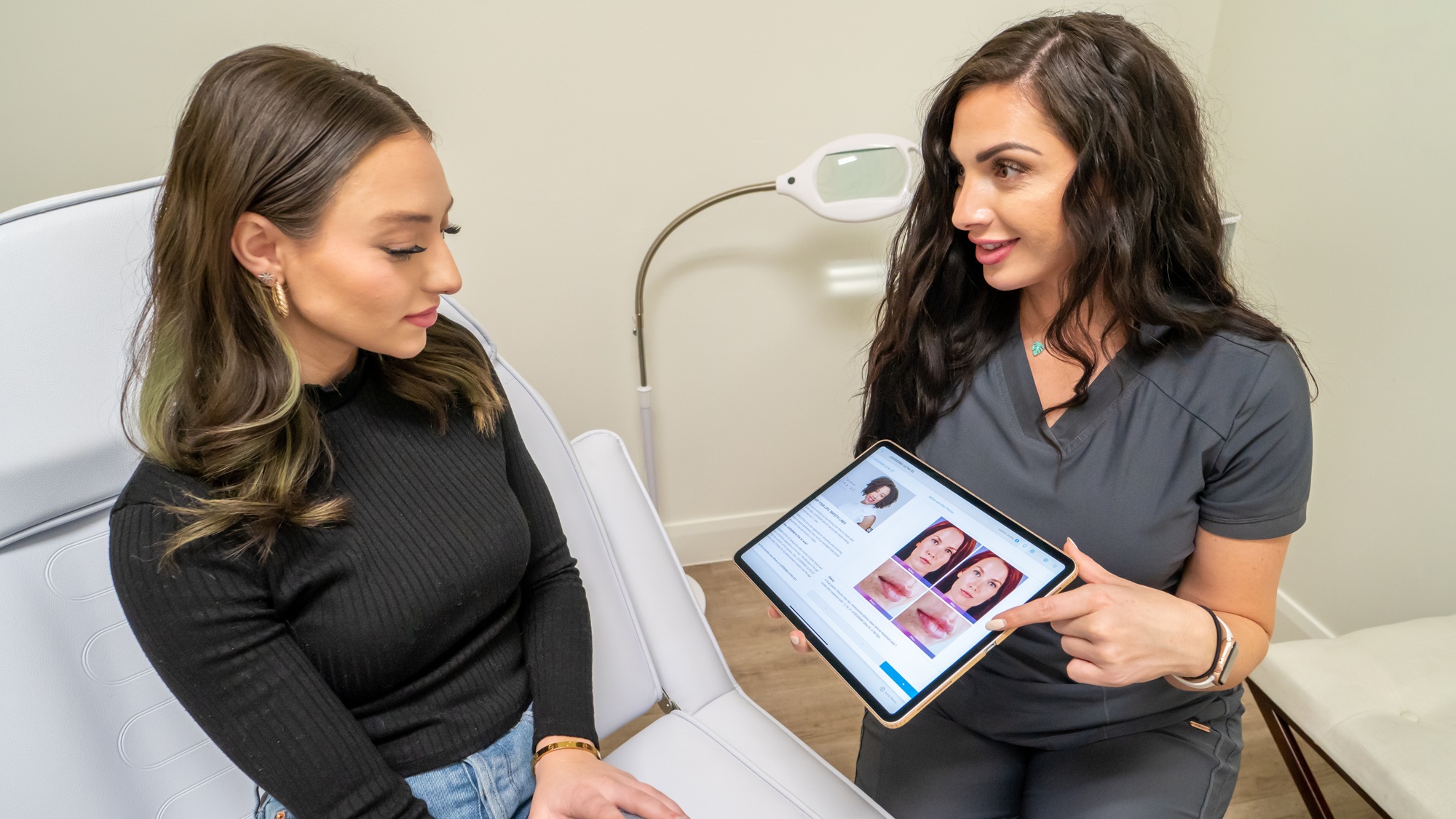
In October 2022, Nextech acquired TouchMD, a visual consultation, marketing and imaging platform. The purchase widened the company’s role in the patient encounter. A clinician could explain a procedure, display photographs and help a patient understand the proposed treatment through the same broader software relationship.
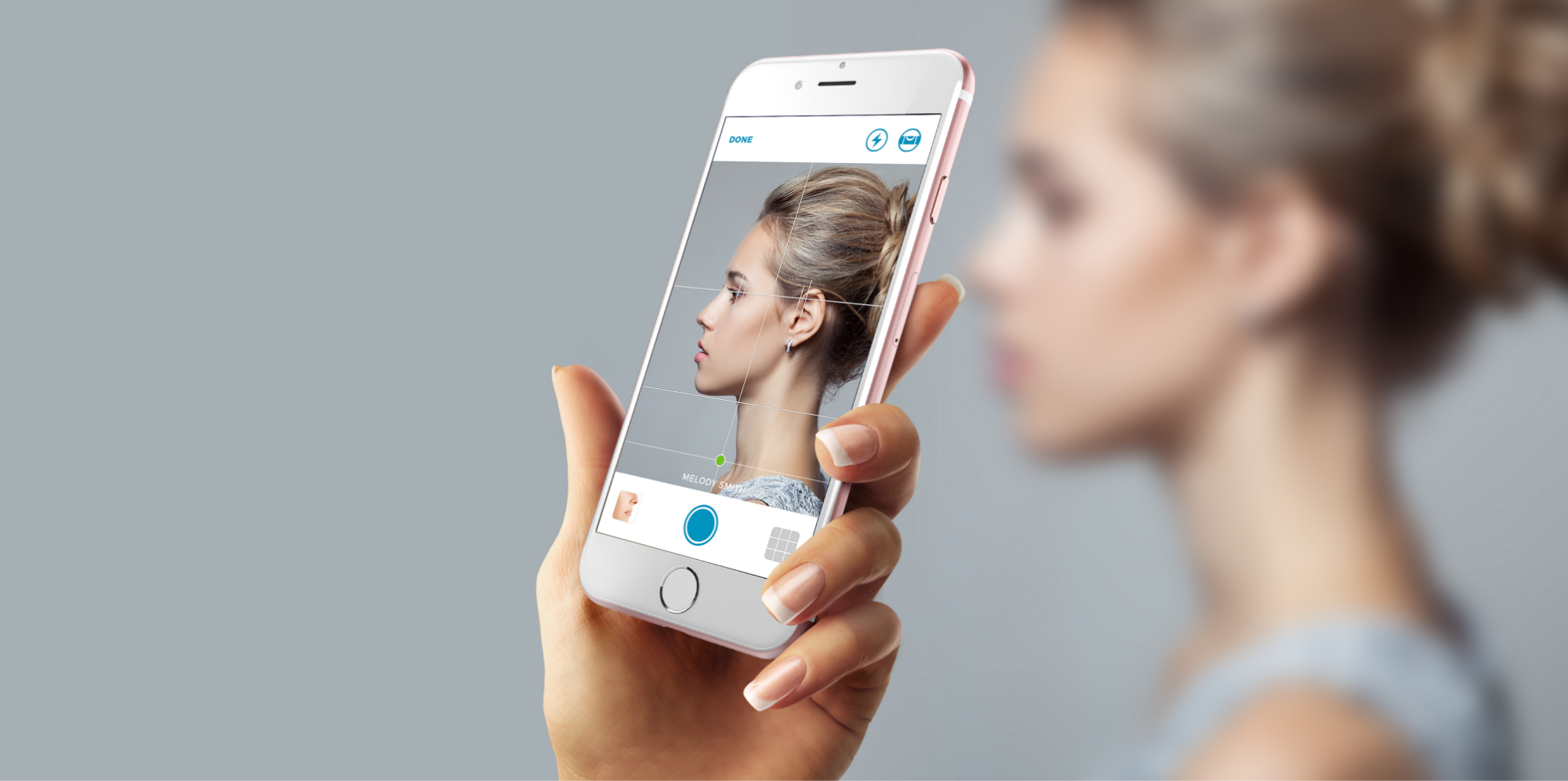
Today, TouchMD includes digital consents, educational content and photography tools. It can connect to Nextech, integrate with other EHRs or operate independently. That flexibility matters: a practice can adopt the consultation tools without replacing every system it already owns.
The price moved from the doorway to the calendar
Nextech’s economics changed under private equity ownership. Francisco Partners invested in 2013; Thomas H. Lee Partners acquired the business in 2019. THL’s account describes a pricing shift: implementation became cheaper while subscriptions became more expensive. That lowered the initial hurdle and increased recurring revenue.
TPG announced its acquisition from THL for $1.4 billion in July 2023. That figure describes a corporate transaction. A practice faces a different calculation: software fees over the contract, migration, training, service choices and the staff time required to change routines. A smaller setup bill alone tells very little.
For buyers, the lesson is practical. Price the complete working arrangement and measure the bottleneck being purchased away. If the problem is slow collections, establish the baseline before switching. If it is duplicate entry, count the repetitions. A subscription is easier to evaluate when the promised improvement has a unit.
Now the chart listens
In January 2026, Nextech launched Cora Scribe for ophthalmology. The company says it listens to patient encounters and sends structured clinical findings into the relevant EHR fields. Existing chart information informs the documentation. The ambition is to make the conversation useful inside the record as it happens.
That choice of destination is the interesting part. A readable transcript still leaves someone with the work of filing it. Cora’s product description emphasizes chart integration, practice preferences and technician workflows. Whether it earns its place depends on accurate documentation and the review burden in an actual clinic.
On October 9, 2026, Nextech announced partnerships with Assort Health and EliseAI for integrated patient-access AI. The target moved toward the front desk: calls, scheduling, intake and after-hours inquiries. Practices get a choice of partners within the broader Nextech workflow.
There is a human organization behind that promise. Nextech describes remote work, regular team gatherings and peer recognition, alongside a client-success culture. Its professional services staff support implementation remotely and onsite, while support and customer-success teams handle the ongoing relationship. For a medical practice, those distinctions become concrete when a new employee needs training or a live workflow stops working.

Bring the messy appointment
The approach makes most sense when a practice’s specialty matches the products and its staff can commit to migration and training. A clinic with a different workflow, essential unsupported connections or little capacity for change should test the fit carefully. Integration only saves work when the necessary pieces actually connect.
The idea readers can borrow is simple: follow one encounter all the way through. Watch where information gets copied, delayed or lost. That is where Pima Eye’s story began. It is also where Nextech’s promise can be judged, one completed task at a time.