The first American transfer did not make a particularly good advertisement. NALA’s team was preparing to launch in the United States. Benjamin Fernandes tried sending money to Tanzania. It failed. The company later published the footage, an unusually useful souvenir from a business whose customers have little appetite for suspense. When money is going home, a spinning wheel is somebody else’s problem becoming yours.
- Start with the sender. NALA helps people move money across borders.
- Follow the failure. Delayed payouts pushed it to build direct local connections.
- Sell the fix. Rafiki offers that infrastructure to other businesses.
The footage captures NALA’s central predicament. A transfer company sells an experience it cannot deliver through an interface alone. Somewhere beyond the screen, another institution needs to release the right currency to the right account. The recipient does not care how many companies were involved. They care whether the money arrived.
A delivery receipt is a promise
NALA initially connected its remittance app to existing payment providers. That bought speed to market, but left it exposed to other companies’ operations. As volumes climbed, the weaknesses became harder to absorb. Fernandes described poorly managed payout balances, reconciliation mistakes and automated messages that could report delivery before money reached its destination.
Between May 2023 and January 2024, NALA reported an average of 25 payment-partner issues a month. These were operational incidents, not a count of individual failed transfers. Still, each incident could send trouble through the consumer business: more support work, more uncertainty and another reason for a customer to leave.
The response was to take greater control: obtain licences, connect directly with banks and mobile-money services, and improve treasury and payment tracking. That work became Rafiki. Its name means friend in Swahili. In this business, being a useful friend involves knowing where the money actually is.
Payment-partner incidents reported by NALA
May 2023 - January 2024
The first app was a different company
There had already been several NALAs. Fernandes began experimenting while studying at Stanford, then returned to Tanzania in 2017. An early domestic product used USSD, the menu-based technology familiar to mobile-money users, and could work without an internet connection. That offline feature belongs to NALA’s earlier life; it is not a promise about today’s international transfers.
The app attracted attention, including a cease-and-desist letter from Tanzania’s largest telecom operator. Y Combinator followed in 2019. So did a departing co-founder. The domestic business never found a durable fit, and in 2020 NALA closed the old operation and cut jobs. International remittances became its direction in 2021.
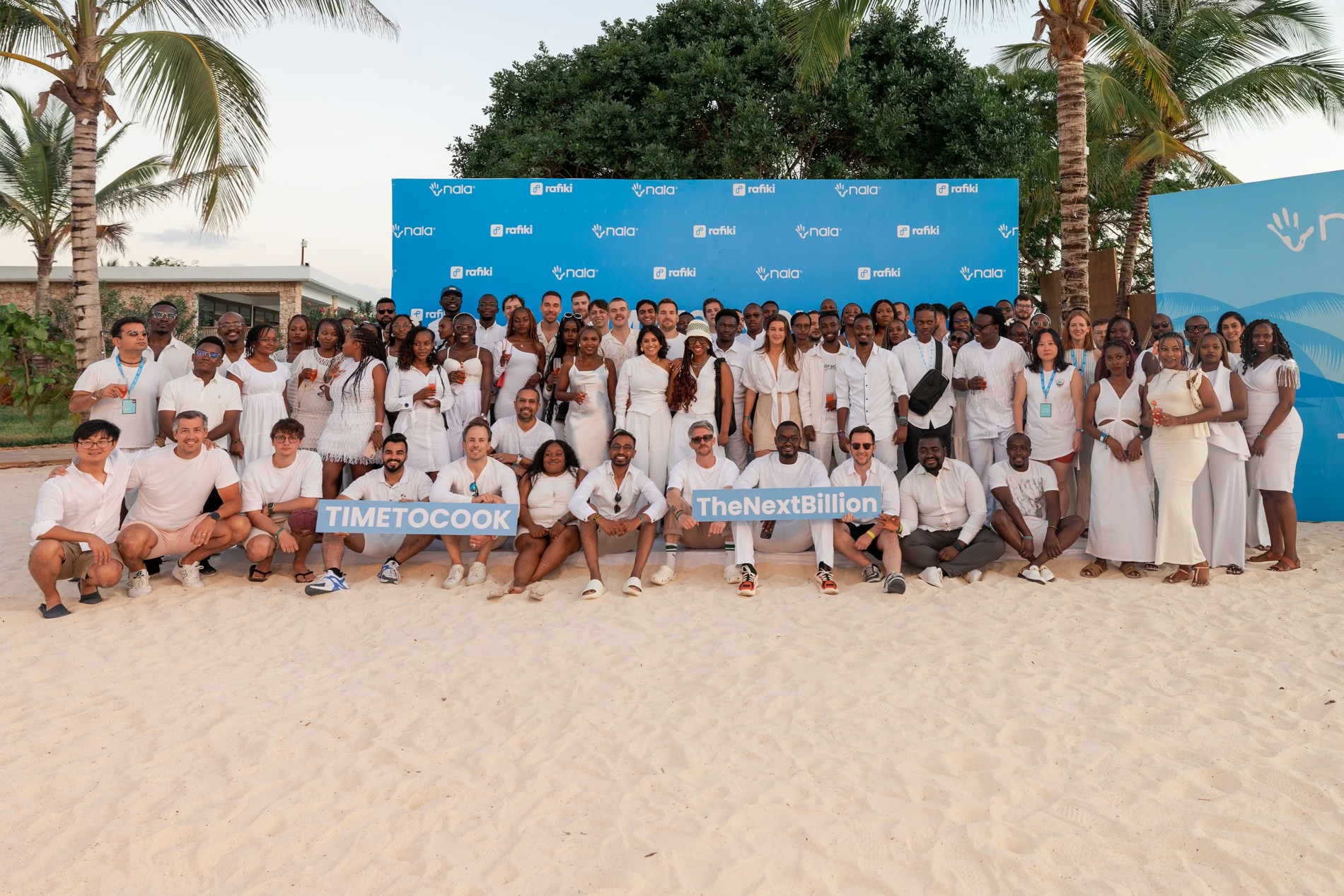
Fernandes later recognised two colleagues, operations chief Nicolai Eddy and technology chief Nicolas Esteves, as co-founders. The announcement, made internally in September 2024 and explained publicly in 2025, acknowledged years spent rebuilding together. The title arrived after much of the founding work.
The customer nobody planned for
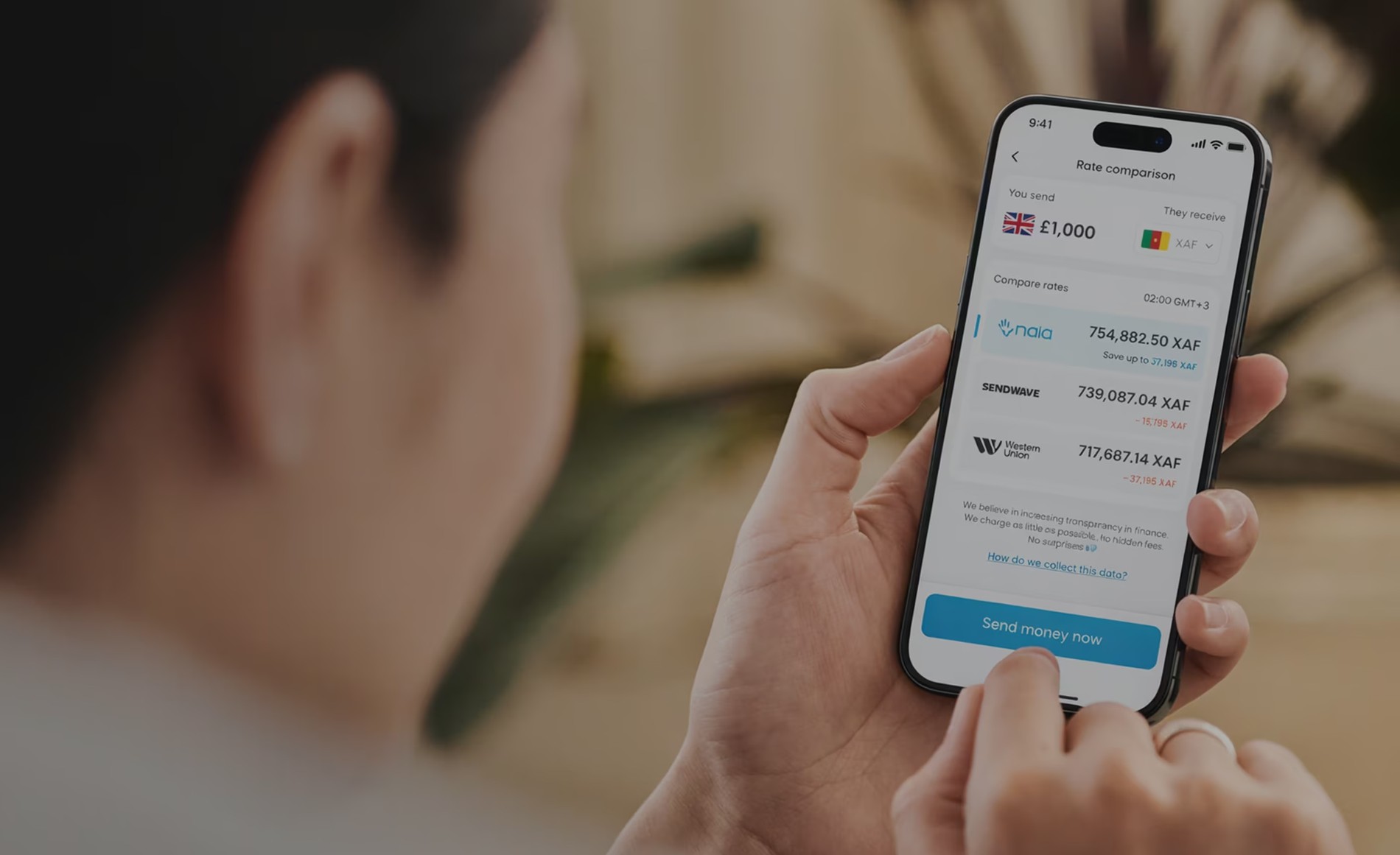
For consumers, the proposition is straightforward: send money internationally into supported bank accounts and mobile wallets. NALA now also markets a multi-currency account for receiving, holding and converting funds. Its website claims more than a million users across over 35 countries. Those are company figures, and availability depends on where a customer lives.
The revenue mechanism deserves equal clarity. NALA earns money through foreign-exchange spreads. A transfer without a prominent upfront charge can still have a cost inside the exchange rate. Its business terms also describe transaction fees. A useful comparison with Remitly, Wise or WorldRemit starts with what the recipient receives for the sender’s total outlay.
Rafiki serves a different buyer: payment companies, payroll providers and businesses needing local payouts or collections. Instead of assembling every connection themselves, they integrate an API. NALA gets to sell infrastructure already exercised by its own consumer traffic. Direct connections, local operating knowledge and regulatory permissions are the substance of the offer.
NALA appBusinesses
Rafiki API
A simplified view of the product relationship.
That creates an entertaining overlap. MoneyGram is an alternative for someone sending money home. In April 2026, it also announced a partnership using NALA’s Rafiki infrastructure for stablecoin settlement and payouts across Africa and Asia. A familiar competitor can become a customer several layers below the checkout screen.
Payroll is another route in. Rafiki’s August 2026 Cadana announcement describes helping employers deliver local-currency pay across emerging markets. The product fits between the global business initiating a payment and the domestic systems receiving it.
Fast money needs money waiting
Growth brought another constraint: prefunding. A service promising prompt delivery needs accessible money in the places where payouts happen. In May 2026, Liquidity announced an initial $25 million credit facility for NALA through Mars Growth Capital, its joint venture with MUFG, with an option to scale to at least $50 million.
This is borrowing capacity, distinct from NALA’s $10 million seed round in 2022 and $40 million Series A in 2024. It helps finance working capital. The amounts reveal the resources behind expansion; they do not establish what building Rafiki cost. Fast delivery requires a balance sheet as well as software.
“The chef doesn’t celebrate getting the ingredients.”
Benjamin Fernandes, on NALA’s 2024 fundraise
Stablecoin settlement adds another option, including through Rafiki’s Noah partnership. Digital dollars can help move value across borders, but a local payout still requires liquidity, permission and distribution. NALA’s expertise lies in connecting those pieces.
There is a practical lesson here for other builders: investigate the failures customers experience, then decide which dependencies deserve ownership. Copying NALA’s infrastructure strategy requires enough recurring volume to support engineering, compliance and local operations. Thin volumes or blocked regulatory access change that calculation. For a sender, the test is simpler: check the supported route, the final quote and whether delivery works. The money has a destination. The technology needs to get it there.