Buying back a company is an unusually expensive way to say you still have ideas. At the end of 2019, Marc Altshuller helped do precisely that. Varicent, the business he had helped create, was coming out of IBM. Great Hill Partners and Spectrum Equity supplied investment backing. Altshuller was returning as CEO. The familiar name would go above a business that had spent years changing inside a much larger one.
For a founder, selling can supply a convenient final paragraph. This career declined to cooperate. IBM had acquired Varicent in 2012. Altshuller stayed, widened his responsibilities and eventually ran its Business Analytics division. He left IBM in 2018, spent time as an executive in residence at Information Venture Partners, then returned to the company whose work he already knew.
The round trip gives his story its shape. Its subject is less glamorous than the itinerary suggests: sales targets, territories, commissions and the difficult business of helping people decide what to do next. Somewhere between the spreadsheet and the sales meeting, Altshuller found enough unfinished work for another turn.
A business worth returning to
Varicent began in the mid-2000s, working on incentive compensation and sales performance management. Those descriptions can sound like a filing cabinet talking. The underlying problem is human enough. A salesperson wants to understand how effort becomes earnings. A finance team wants reliable calculations. A sales leader wants the pay plan to encourage behavior that helps the business.
Put those interests together and a commission becomes more than arithmetic. It becomes a small constitution for working life: these accounts matter, these targets count, this is what gets rewarded. Software built around that arrangement has to cope with both the calculation and the consequences.
In 2010, Varicent topped Canada’s PROFIT 100 growth ranking and received recognition as North America’s fastest-growing software company in Deloitte’s Technology Fast 500. Two years later came IBM’s acquisition. Altshuller’s next workplace would have a familiar product inside it and a much larger set of responsibilities waiting outside it.
The IBM detour that kept the same question
Altshuller’s IBM years took him deeper into analytics. By 2014, he was discussing Watson Analytics as vice president of Product Management and Business Analytics. The intended audience included business users with only a basic understanding of data, alongside people with much greater technical expertise. Making the product accessible was part of the assignment.
In that conversation, he described a product being introduced through a freemium model and a phased beta. Rather than assume IBM already knew what everyone would pay for, the company was letting users help reveal the answer. The market could provide a kind of education that a product meeting could only approximate.
By 2017, he was general manager of Business Analytics, arguing for more useful collaboration between business teams and IT. His proposed arrangement gave users access to governed data, with room to add outside information and explore it themselves. It addressed an organizational irritation as much as a technical one: one group responsible for controlling information, another trying to get on with using it.
“Analytics provides a more complete answer than prevailing assumptions and business truisms.”
Marc Altshuller, 2017
That line contains a useful clue to the career. Analytics interested him as a way of questioning the accepted explanation. A business could have plenty of experience, plenty of information and still fail to put the two in productive conversation. Giving people another chart would only go so far.
Back with people who knew the work
When the plan for Varicent’s independence was announced in November 2019, Altshuller emphasized the people. He looked forward to working with colleagues who had been there from the early days and with talent IBM had added. His account of the return made room for both groups.
That distinction matters. The business coming back into independent ownership had accumulated years of customers, product development and working relationships. Varicent’s own history describes IBM investing in editions intended to improve processing performance for its larger clients. Returning meant taking responsibility for that inheritance, too.
The transaction completed at the end of December, and Varicent’s independent relaunch followed in January 2020. Symon.AI joined the business that month, adding capabilities in data preparation, analytics and machine learning. The second act began with the founder back in the chair and more analytical machinery available to the team.
There is a temptation to read a founder’s return as a restoration. This one quickly acquired a different rhythm. The announcements that followed were about expanding the work: more of the sales process, more ways to use the data, more decisions connected to the original problem.
A commission is only the beginning
In October 2020, Varicent announced its acquisition of the FunnelCake solution. The appeal lay in everyday revenue operations: following a lead through the pipeline, improving information around account ownership and helping managers spot useful coaching moments. The company described its scope with three verbs: plan, operate and pay.
For Altshuller, the move extended the business into the daily activity that precedes a payout. A compensation system encounters the result. A revenue operations tool can help people examine what is happening while there is still time to act.
A sales result carries decisions made at every stage.
The same year, Varicent recruited former IBM chief economist Martin Fleming as chief revenue scientist. His remit included working with chief data scientist Jing Shyr, chief analytics officer Joel Shapiro and the product teams. The hiring put economic reasoning alongside data science and software development.
Concert Finance followed in 2021, extending Varicent’s compensation offering into the small and midsize business market. Altshuller singled out its approach to building plans without formulas and its use of behavioral science in compensation design. Again, the attraction included how people would use the system, alongside what the system could calculate.
Taxi tips, fight cards and a useful kind of play
A less formal glimpse of his interests appeared in 2021, when he shared projects from the Symon World Championships. The subjects wandered cheerfully beyond the sales department. Participants examined taxi tips in New York, the characteristics of popular songs and predictions for mixed martial arts fights.
Business projects covered cross-selling and sales forecasting. Other entries explored electric-car adoption and social-media effects on stock prices. Altshuller’s post moved between practical applications and the sort of questions that make an analytical competition sound more inviting than a compulsory training session.
The examples offer a concrete picture of experimentation around the technology. A prediction about a fight card is easy to discuss, dispute and remember. So is a theory about which songs become popular. There is room for curiosity before a model is asked to justify its place in a business process.
A seller’s view from the stage
At Varicent’s Accelerate event in 2023, Altshuller appeared with Sarah Van Caster, then vice president of Growth Product Marketing, to preview Seller Insights. The proposed tool would help sellers plan toward both quota and their earnings target, with current information about performance and its drivers.
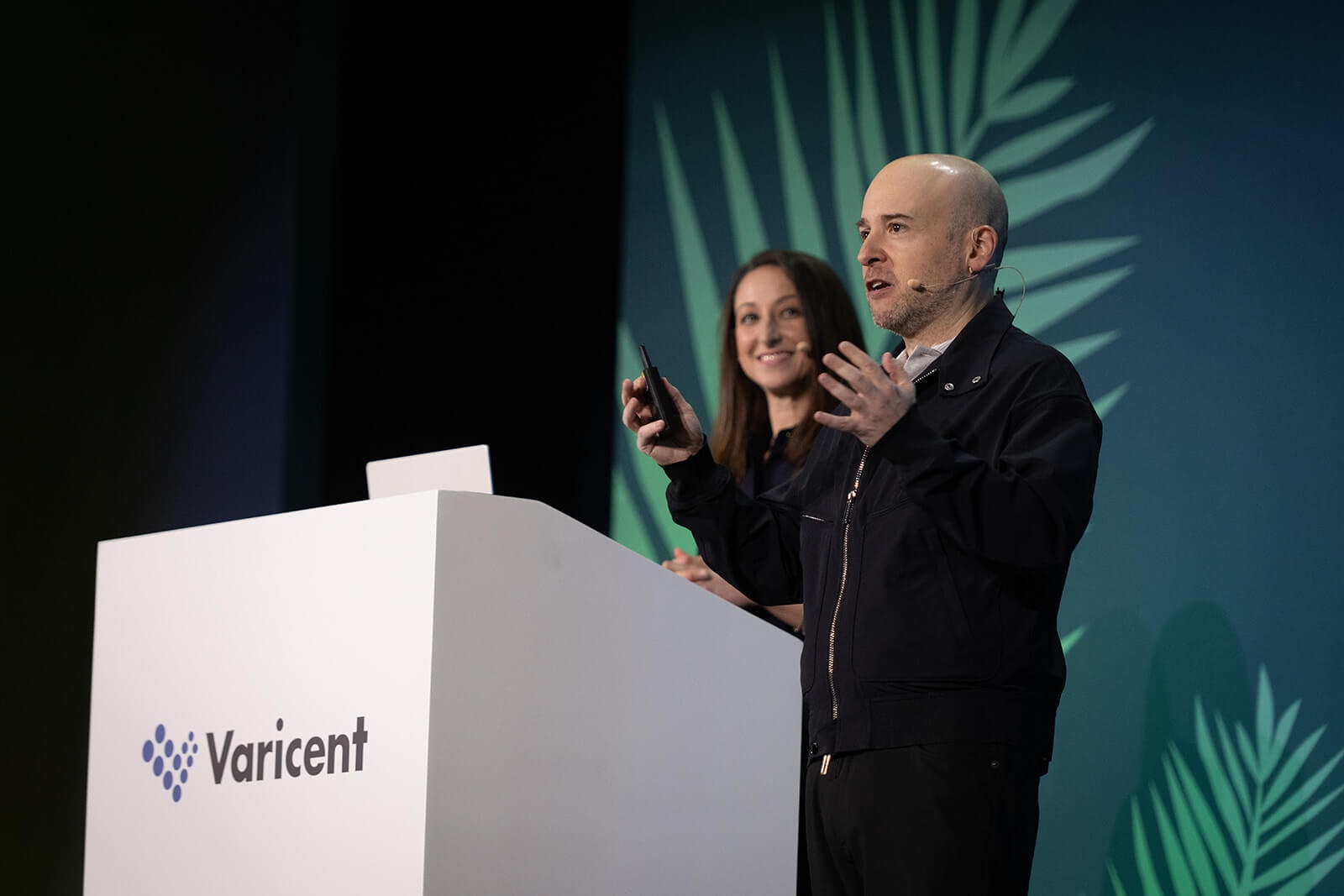
The intended user makes this episode worth pausing over. Much enterprise software is discussed from the employer’s side of the desk: control, administration, visibility. This preview also concerned the person trying to work out what the plan meant for their own year.
That perspective connects back to the early problem. A plan can be carefully constructed and still be difficult to act on. Giving a seller a clearer view of the path to quota makes the employer’s planning choices visible at the point where those choices meet somebody’s working day.
Another transaction, another chapter
In July 2024, Varicent announced an investment led by Warburg Pincus, alongside Great Hill Partners and Spectrum Equity, with management participating. The stated priorities included advancing its revenue framework, accelerating AI capabilities and supporting expansion in its markets.
Altshuller remained CEO. The business had now passed through the original independent period, IBM ownership, a return to independence and a further investment round. The sequence adds some texture to the word “founder,” which can otherwise suggest someone permanently attached to the first version of a company.
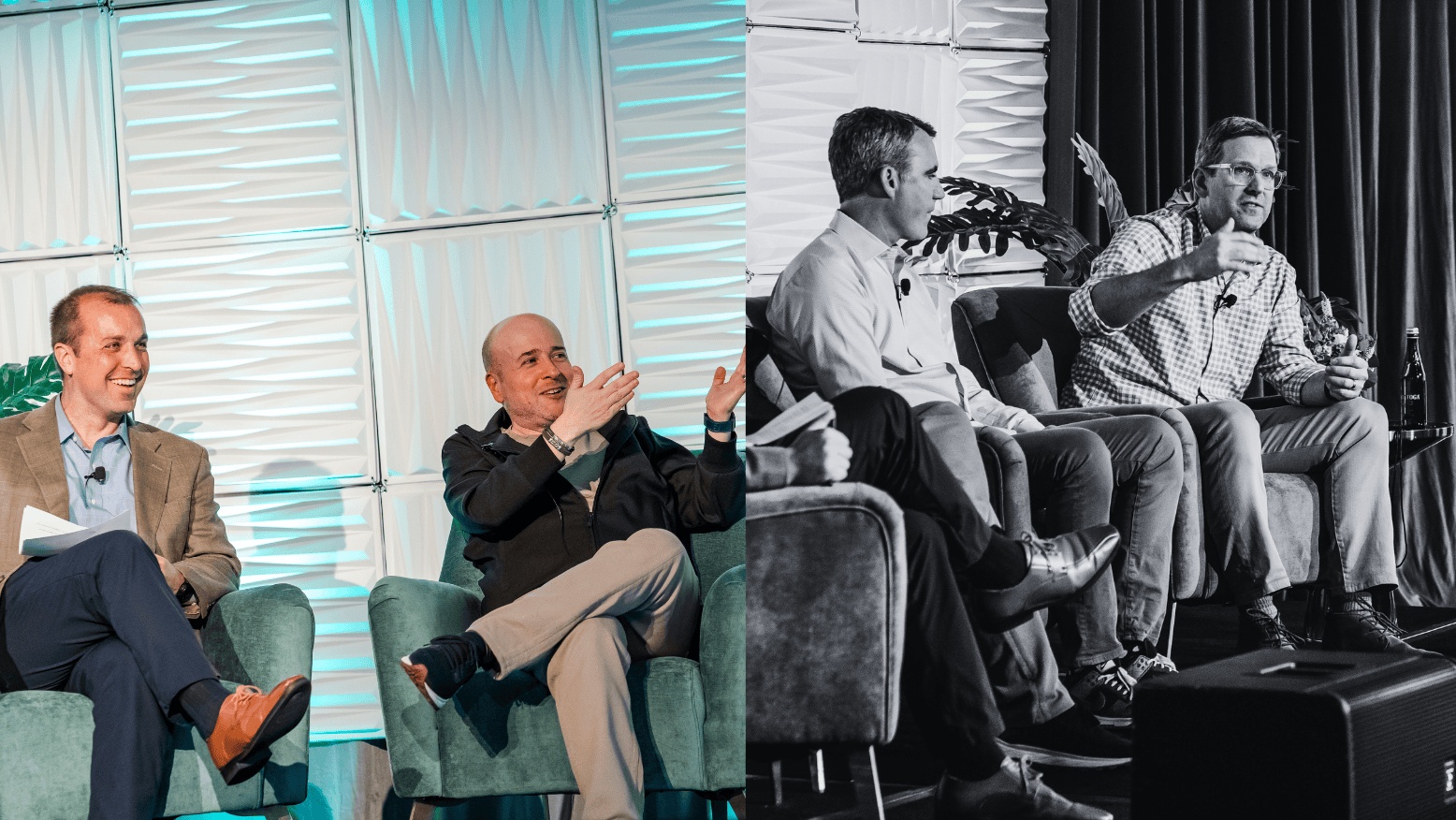
At Spectrum Equity’s 2025 CEO Summit, he joined other executives to discuss transactions, from preparation and negotiations to operating afterward. It was a subject his own career had given him several reasons to understand. Closing a deal changes ownership on a particular day. The people running the business still have Monday morning to consider.
The decisions before the result
In January 2026, Varicent added Dana Therrien as senior vice president of Commercial Transformation. Altshuller’s comments emphasized helping customers build performance systems that could scale. The vocabulary had broadened, but the underlying concern remained recognizable: what happens when plans, incentives and execution have to work together?
A September 2026 announcement gave the concern a new product expression. Foresight, a multidimensional engine for revenue planning, was designed to bring variables such as territories, capacity, quotas and incentives into an integrated model. The idea was to examine their effects together before decisions reached the sales organization.
For Altshuller, it extends an argument running through the earlier chapters. A result has a history. Before somebody misses a quota, other people have chosen the territory, allocated resources and set the terms of reward. Understanding performance requires a way to follow those connections backward, then make the next plan better.
His return to Varicent gave him another opportunity to work on that problem. The company name was familiar. The job kept expanding. After the sale, the promotions and the buyback, there was still the question of what people should do with the numbers in front of them.