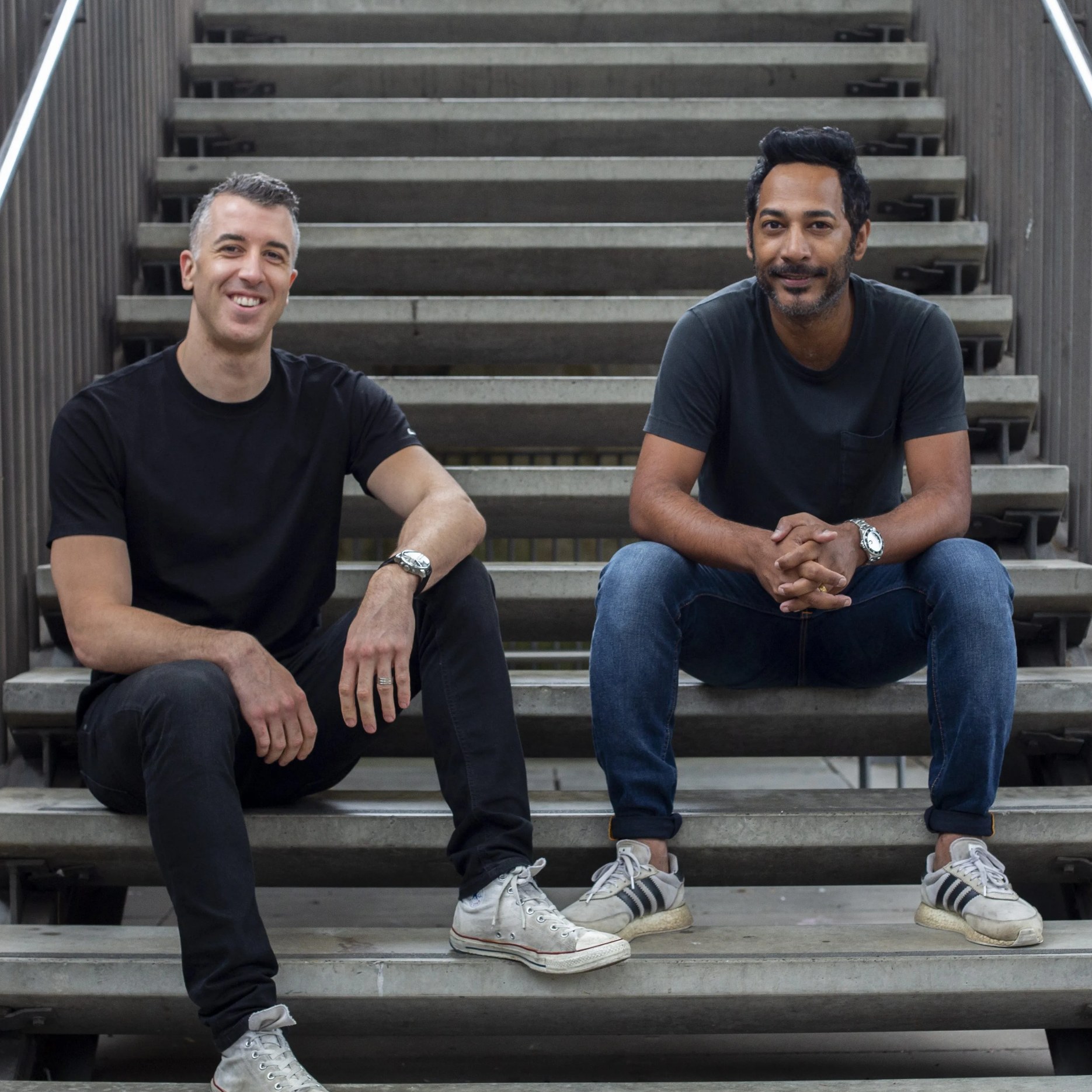
In a video game, a billboard is scenery. Players race past it, shoot around it, perhaps collide with it. The billboard may register an impression; it rarely earns a conversation. Livewire, the gaming media company founded by Brad Manuel and Indy Khabra in 2021, has built a business around that small and costly distinction. It can sell the billboard. It would rather ask what might make the player stop.
- Livewire helps brands buy gaming media, build experiences and measure who they reach.
- Its stack pairs Gameview and Gamer.ID with a creative studio and rights partnerships.
- NFL videos and a Roblox festival show the payoff when fans participate instead of merely watch.
- There is no published rate card; media, production and rights change the cost of each brief.
The founders arrived from opposite sides of the problem. Manuel had led a gaming talent business; Khabra had run programmatic media at Dentsu. One understood the people and customs of play. The other understood how large advertisers buy reach. Livewire began in Sydney with a thesis that both kinds of knowledge belonged in the same room. By its fifth anniversary, the company said it had a 60-person global team, hundreds of campaigns behind it and work for Samsung, Amazon, Nike, Uber and Verizon. Its LinkedIn headquarters is now New York, with offices across several regions.
A festival the audience can run
Consider the peculiar economics of Music Festival Tycoon. Live Nation and Livewire put a festival inside Roblox, but handed the interesting jobs to players. They can build stages, book artists and grow a virtual event. CORTIS became its first featured act; Lollapalooza brought in its familiar stage and mascot. Live Nation and Livewire reported more than 3.8 million visits and 23 million in-game performances. A virtual hot-dog vendor, modeled on Chicago, is among the details. It is a tiny clue that someone thought about a festival as a place, not a logo.
The commercial doors are obvious enough: sponsored stages, merchandise, custom activations and a bridge to real-world festival sponsorships. The less obvious point is why a sponsor would have a reason to be there. A player making a festival can encounter a brand while doing something for herself. That is a better starting position than asking her to pause her game for a lecture.
The pipes beneath the spectacle
Livewire is easy to mistake for a studio with a talent for branded worlds. It is also an advertising technology and media business. Gameview gives marketers access to gaming inventory and combines a supply-side platform with a data management platform. The company says it can plan across in-game placements and the media around games, including video, connected television, social channels and gaming publishers. Gamer.ID, its identity framework, is intended to connect audience signals across those screens without relying on third-party cookies.
That product stack addresses a tedious problem with expensive consequences. A brand team may know it wants to reach players, but games are fragmented by device, publisher, format and audience. Buying a mobile rewarded-video placement, sponsoring a creator and commissioning a Roblox world usually mean different vendors, different metrics and different contracts. Livewire's pitch is a single way to plan and execute across them. The studio supplies the idea; the adtech supplies the reach and reporting. Its claims about identity and effectiveness remain company claims, but the architecture explains why a creative agency would bother building infrastructure at all.
In Australia and New Zealand, a Unity agreement gives Livewire access to mobile game ad inventory. An arrangement with Foxtel Media links audience segments to its gaming plans and gave Kayo SPORTS a Roblox stadium. Livewire also entered Canva's App Marketplace with a tool for turning a design into an in-game billboard or interstitial banner. Each deal removes a different little obstacle: inventory, data, creative production. None is a substitute for understanding why the player would care.
The football test
For the NFL, Livewire helped make Race to the End Zone, a series pairing football players with gaming creators. The first season generated 178 million views and 342 million minutes watched, according to the partners; two 2026 Telly Awards followed. The NFL and Livewire extended the arrangement, with a second season scheduled around the 2026 football calendar. The series is a useful test of the company's theory because it does not require viewers to play a new game. It borrows the habits of gaming culture - creators, rivalry, clips, recurring episodes - and lets a sports league enter on those terms.
“It showed that gaming can sit at the centre of an entire marketing campaign and be the content engine that fuels everything around it.”Harry Blake, Livewire, on Samsung's Clash of Commuters
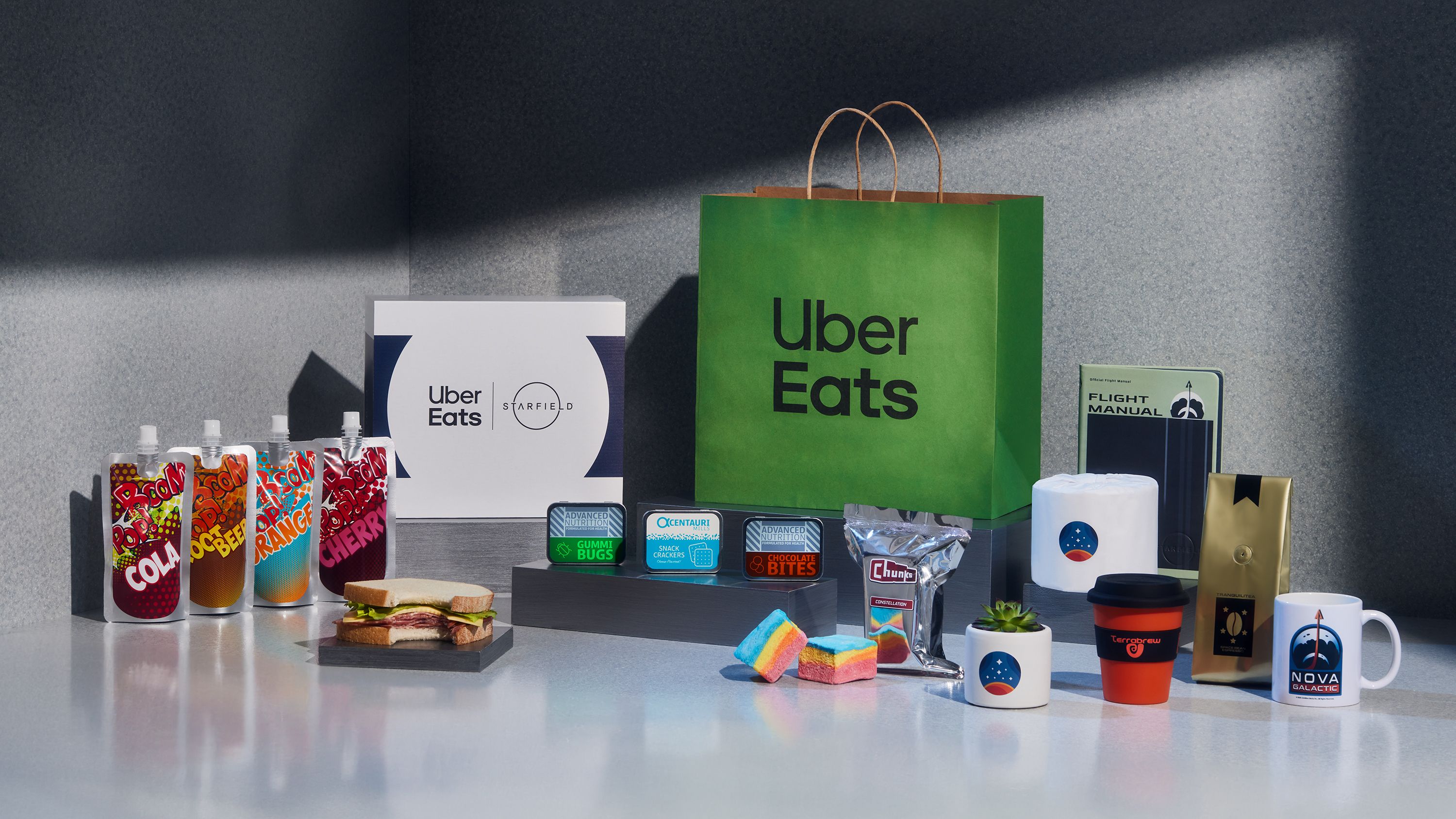
That sentence points to a shift in the media plan. Instead of making a game activation as an ornament on the campaign, Livewire can put the game idea in the middle and let its content travel outward. Samsung's Fortnite Clash of Commuters did this in Australia. A separate Uber Eats and Starfield promotion connected in-game items to food ordering in the real world. Both campaigns are specific to their worlds. That specificity is the work. A generic promotion merely wearing game art would miss the point.
A business built on the gap
The company's customers are brand marketers, agencies, publishers and rights holders, rather than gamers buying a consumer app. Its revenue appears to come from media buying, campaign and creative services, technology-supported targeting, and partnership programs; Livewire does not publish the split. Nor does it publish a standard campaign price. An in-game placement and a custom world with licensed rights plainly involve different work. The disclosed financing is a $4.7 million Series A in 2022, led by RealVC with other investors. Its valuation and revenue are not public.
Livewire sits among specialist gaming ad networks, world builders and conventional agencies that can also buy game media. Its distinction is the combination: media access, audience intelligence, creative production and partnerships in one company. The combination is useful when a brand wants a consistent idea across a game, a creator's channel and a sponsor's own media. It is less automatic when the brief calls for a simple placement. The right to participate must still be earned, and a clever activation is no guarantee of sales.
The lesson a marketer can copy is smaller than a Roblox festival. Begin with a behavior that already belongs to the audience: building, competing, collecting, watching a favorite creator. Give the brand a role in that behavior. Choose the measurement before building the world. Livewire's founders saw a commercial gap between the time people spent gaming and the money brands spent trying to reach them. The hard part, five years on, is resisting the temptation to treat that gap as empty ad space. Players have already filled it with a life of their own.