A local advertiser has an unusually precise ambition. Reach people who can actually walk through the door. A television audience, meanwhile, is perfectly capable of leaving town without leaving the sofa: a streaming app replaces the channel, and the familiar advertising arrangement becomes a much less familiar buying problem. ZypMedia built its business around the people caught between those two movements.
- Local media companies supplied the advertiser relationships.
- ZypMedia supplied digital buying technology and campaign operations.
- The company widened its market as ZypTV in 2020.
- Sinclair acquired it in 2021; its Compulse successor took the Digital Remedy name in 2025.
The interesting character here is the station salesperson. Technology stories rarely give this person a speaking part. Yet the salesperson already knows the business, the budget and the next promotion. Asking an advertiser to adopt a new kind of television buying is easier when the explanation comes from someone whose number is already saved in the phone.
ZypMedia’s proposition was to put new machinery behind that existing relationship. A broadcaster could offer digital campaigns alongside its traditional business. The customer could follow viewers onto other screens. The technology company could reach local advertisers through a sales network someone else had spent years building. Each party brought something awkward for the others to reproduce.
The address book was part of the product
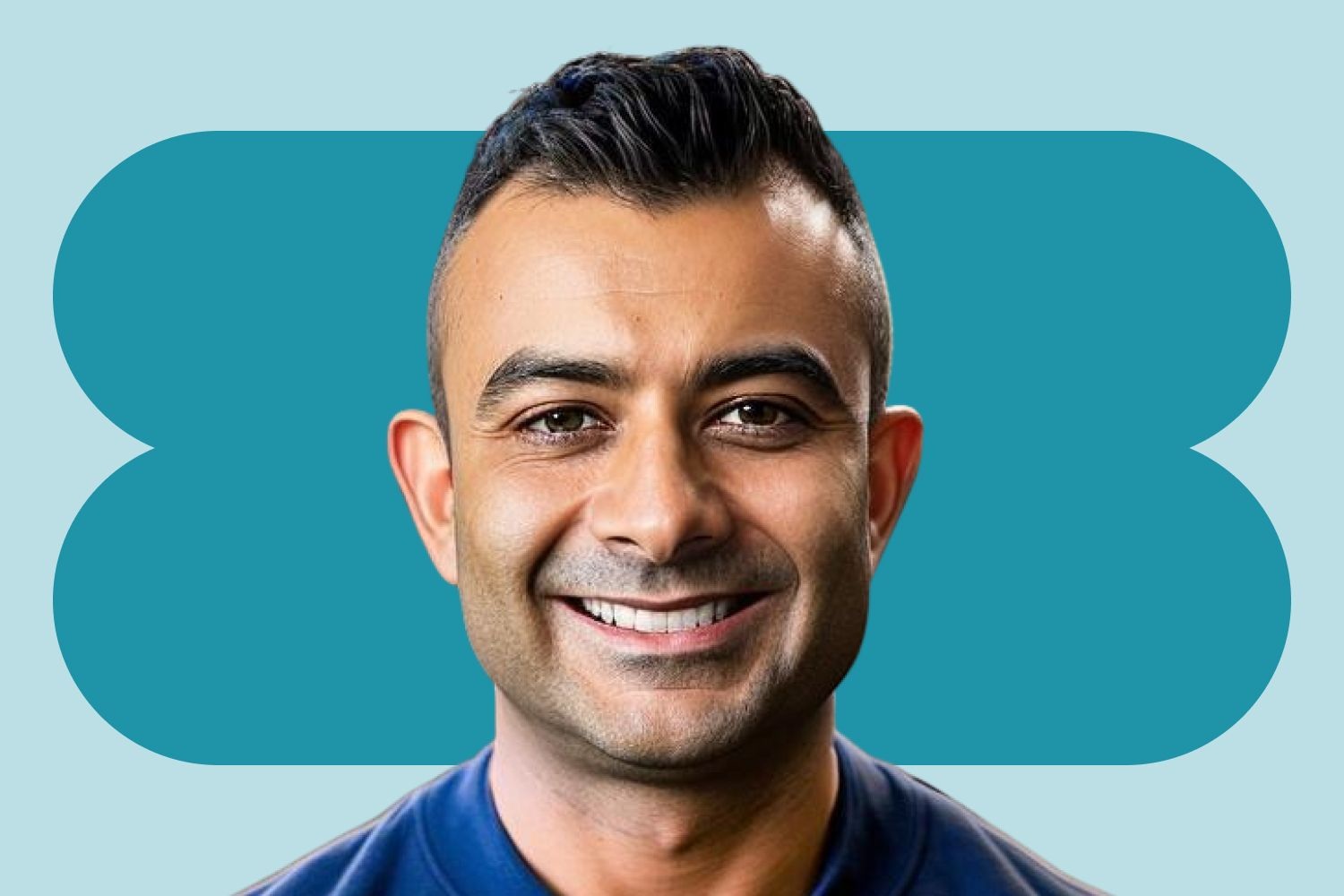
Founded in 2013, the company began as ExtendTV. Its founders included Aman Sareen, Ramandeep Ahuja and former Current TV executive Mark Goldman. Sareen and Ahuja were former college roommates: a pleasingly ordinary beginning for a business concerned with the extraordinary number of decisions involved in placing an online advertisement.
In June 2015, ExtendTV announced its new name, ZypMedia, a $4.4 million Series B round led by Sinclair, and a commercial agreement with the broadcaster. Funding and distribution arrived together. Sinclair was buying into technology that its own sales organisation could put to work.
This is the company’s most useful distinction. A general advertising platform offers access to impressions. ZypMedia organised its proposition around the local media business that had to sell, operate and explain those impressions. The distribution arrangement mattered alongside the buying engine. Software with a route to the customer has a considerable advantage over software waiting politely to be discovered.
“ZypMedia has enabled us to diversify our offerings for local advertisers.”Rob Weisbord, Sinclair · 2018
By March 2020, ZypMedia named Sinclair, Nexstar, iHeartMedia, CBS Local and Univision among its customers. Those were media businesses, not a directory of neighbourhood shops. The local businesses were further down the chain: advertisers reached through partners able to package and sell the service.
Wall Street mechanics, neighbourhood budgets
The early product names were almost a miniature instruction manual. ZypCode handled buying. ZypLink supplied inventory access and targeting. ZypCare combined software with campaign analysts. The names were cheerful; the underlying constraint was severe. Local campaigns involve limited audiences and smaller budgets, so the expense of operating each campaign matters.
ZypCode borrowed principles from high-frequency trading. The 2015 announcement described rapid evaluation of ad opportunities against more than a thousand data points. The resemblance is practical: many opportunities arrive, decisions must be quick, and most opportunities are unsuitable. For a local advertiser, an impression outside the useful geography can be a very efficient way to waste money.
ZypLink covered display and video across desktop, mobile and connected televisions. ZypCare retained human analysts for daily campaign management. That combination deserves attention. Automation was part of the operating system, while people still had work to do. Buying inventory and running a campaign are related tasks; they are not interchangeable.
The expertise was therefore both technical and operational: programmatic buying, audience targeting, local campaign management and the work needed to make a media partner comfortable selling digital services. The platform sat between advertisers’ demand and publishers’ available advertising space. It did not make the television programmes. It helped organise who paid to appear around them.
The screen changed, then the customer changed
Streaming made the local proposition more interesting. ZypMedia’s February 2019 partnership with Telaria connected its demand to premium OTT video inventory. OTT describes television delivered over the internet; CTV describes the connected television devices on which much of it is watched. The jargon has the charm of an airport departure board. The commercial point is simpler: viewers were watching somewhere local advertisers needed access to.
A company-commissioned Harris Poll survey in 2019 supplied a suggestive detail. Among viewers of free, ad-supported streaming who expressed a preference between local and national commercials, 62% preferred local ads. The qualification matters. This was a stated preference among a subset, not evidence that every local commercial sells more products. Still, relevance can begin with the modest fact that the advertised business is nearby.
Local OTT advertising spend analysed across more than 30,000 campaigns. Campaign spend is not company revenue.
Its March 2020 report described a substantial body of campaign activity. Such a dataset shows that local streaming buying had moved beyond a theoretical opportunity. It also needs the right label: money spent through campaigns is not the technology company’s revenue, and a company’s own buying sample is not the entire advertising market. Numbers lose their usefulness when their captions get ambitious.
In July 2020, ZypMedia became ZypTV. The rebrand accompanied a wider invitation to agencies and brands, with managed services and a self-service buying option then in beta. Cross-publisher reach and frequency management, targeting and reporting were central to the offering. The company was moving beyond supplying broadcasters’ digital businesses to courting buyers more directly.
The initial constraint had been helping local media companies carry advertisers into digital channels. The next was helping smaller buying teams navigate streaming inventory themselves. This was a change in access and emphasis, rather than public evidence of an earlier failed product. The expanding streaming opportunity gave the company a reason to narrow its name and broaden its customer list.
A purchase order is not a magic wand
In an August 2020 Beet.TV interview, Sareen outlined three priorities: self-service buying, fraud prevention and real-time forecasting of local inventory. It is a revealing list. Ease of use does not guarantee that the available impressions are legitimate, or that enough suitable viewers can be reached in a particular market.
For an advertiser, the practical questions follow naturally. How much valid inventory exists inside the service area? How often will the same household see the commercial? What reporting will establish that the campaign delivered? A tightly defined audience can make an ad relevant, but it also limits the available supply. A business needing immediate enquiries must judge results against that objective, rather than admire a completed impression count.
The model depends on capable partners, usable audience data, suitable inventory and enough campaign value to justify the operating work. Where a buyer lacks those conditions, another channel or buying arrangement may fit better. ZypMedia’s most portable idea is the distribution choice: identify who already has customer trust, equip them, and make the new product manageable enough to sell repeatedly.
The price of bringing the machinery inside
Commercially, the offer joined enterprise software with the labour of executing advertising campaigns. The media partner sold to its client; the platform and operations team helped fulfil the buy. That distinction survives in the successor business: Sinclair’s 2025 annual report describes Digital Remedy earning revenue from platform licensing and executing digital media initiatives for other media companies and agencies.
Two publicly announced rounds make the investment concrete: $4.4 million in Series B funding in 2015 and $5.6 million in Series C funding in 2018. Archer Venture Capital led the latter, with USVP and Sinclair participating. These were company financing events, not the price of an advertiser’s campaign. The 2020 product announcement promised flexible minimums without publishing a numerical rate card.
In February 2021, Sinclair acquired the remaining 73% interest in ZypMedia. A later filing disclosed approximately $7 million in cash to complete the acquisition. That amount should be read as the disclosed completion cost, not casually presented as a clean valuation of the whole company.
ZypTV became part of Compulse alongside Compulse Integrated Marketing and DataSphere Technologies. The July 2021 Compulse launch combined technology with managed services and a broader planning, execution and analytics proposition. In June 2025, Sinclair rebranded the Compulse business as Digital Remedy. The corporate names changed; the enduring commercial problem was helping media companies and agencies operate digital advertising profitably.
For a founder, the lesson is pleasantly unglamorous. The person with the address book can matter as much as the person with the algorithm. ZypMedia connected the two, then followed the audience onto streaming television. Local advertising had acquired more sophisticated machinery. It still needed someone who knew whom to call.