The curious thing about an advertisement is that everybody can see it except, for a moment, the people buying it. They can see a forecast, a demographic, a bid request, a dashboard. The actual encounter between a person and a page remains a promise. C1X was founded in 2014 to make that promise easier to specify: this audience, on this publisher, at this price. The name, Class One Exchange, sounds like a railway ticket. Its ambition was closer to a clear receipt.
- C1X connects advertisers and agencies with publisher inventory through direct and auction-based buying.
- Its early distinction was an audience guarantee paired with premium placements and transparent pricing.
- Its current range adds AI-assisted campaign planning, QR-based event engagement, and Pax-i project intelligence.
- The useful lesson: make an opaque transaction inspectable before trying to automate every part of it.
Founder and CEO Mukundu Kumaran had spent seven years as an engineering director at Yahoo. He had seen enough of advertising's inner workings to choose a modest-sounding mission: simplify the basic transaction. In 2015, C1X said buyers could reach inventory across roughly 2,500 websites from a self-serve interface. That number described available sites at the time, not people who bought the product. The more interesting part was the mechanism. A buyer could begin with a desired audience, ask the system for a media plan, and then buy through a guaranteed deal, an auction, or a mix of the two.

A reservation with an audience attached
A conventional reserved ad buy tells a publisher to hold space. An open auction lets a buyer bid for a type of viewer as impressions appear. Each solves a different problem. C1X's proposition was to combine the publisher's certainty with the buyer's audience specification. Its 2015 Audience Guarantee let agencies import their own customer data, combine it with other audience information, forecast likely supply, and plan guaranteed buys on C1X publishers. The Media Plan Generator recommended placements against a buyer's audience and performance goals.
There is a deliciously unglamorous detail in Kumaran's early pitch: the rate card. He told TechCrunch that C1X showed an agency the same publisher rate it had been quoted. In an industry that can hide many fees between a media seller and a media buyer, a visible number became a point of distinction. C1X was not the first company to automate ad buying, and it did not invent reserved inventory. It was selling the combination as one legible workflow.
“Buying the inventory from the publisher directly and overlaying audience on top of it, that’s the key piece most of the buyers are looking for.”Mukundu Kumaran, 2015
Publishers had their own reasons to listen. The platform offered forecasting, price recommendations for guaranteed buys, and controls for selling premium space and first-party audience data. Buyers wanted selected audiences without negotiating each placement by hand. Publishers wanted to keep the value of their own inventory and data in the deal. C1X sat between those desires, competing with both manual direct sales and the established demand-side and supply-side platforms that handle pieces of the same transaction.
The distribution test
A marketplace needs inventory that buyers want and buyers publishers can trust. C1X made two telling moves. In January 2015, it announced that Yahoo premium inventory would be available through its Automated Guaranteed market. In June 2016, it announced an integration with MediaMath, so MediaMath clients could access C1X supply through OpenRTB and private marketplace deals. Neither announcement proves a campaign worked better. Both show the practical work of placing C1X where transactions were already happening.
The MediaMath integration offers a detail worth stealing. Kumaran said the teams began with a three-page document explaining the integration. Within a month they were testing and planning the launch; the whole project took about four months. The lesson is pleasingly ordinary. When two complicated systems must talk, a short description of exactly what each will send, receive, and verify can be more valuable than another grand partnership announcement. It works only when the other side is engaged: C1X credited MediaMath's participation from day one.
Capital paid for some of that reach. C1X announced a $5.1 million Series A in 2015, led by University of Tokyo Edge Capital, with Japanese and other investors participating. In October 2016, it reported an initial $8.5 million portion of a Series B. Public databases disagree about the eventual size of that later round, so the contemporary announcement is the firmer number. The company also built across borders, with a Japan presence alongside its U.S. and India operations. A 2016 media mandate from MyTaxiIndia shows the platform was being sold into specific local campaigns, not merely advertised to a global market.
From the impression to the visit
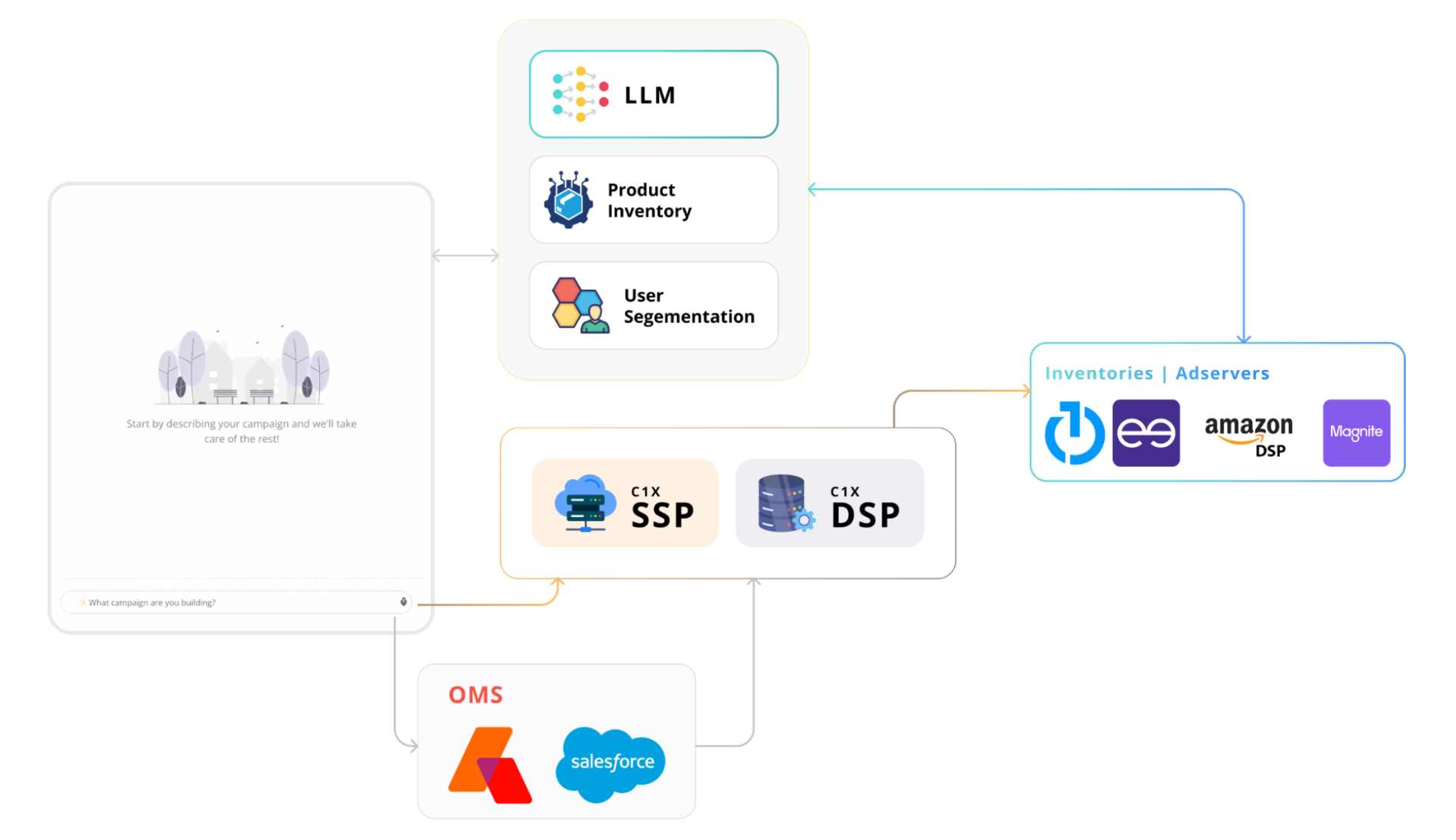
C1X's current website describes a wider business than the original exchange. Advertisers, agencies, brands, and publishers remain the core audience for its adtech and martech suite, including buyer and seller tools and customer data capabilities. The AI Campaign Builder is presented as a way to create and manage campaigns across connected TV, email, web, mobile, and display. These are product claims, not published comparative performance results. The company says it can customize workflows and interfaces for clients; its terms put fees in insertion orders or service agreements, so there is no public universal price to quote.
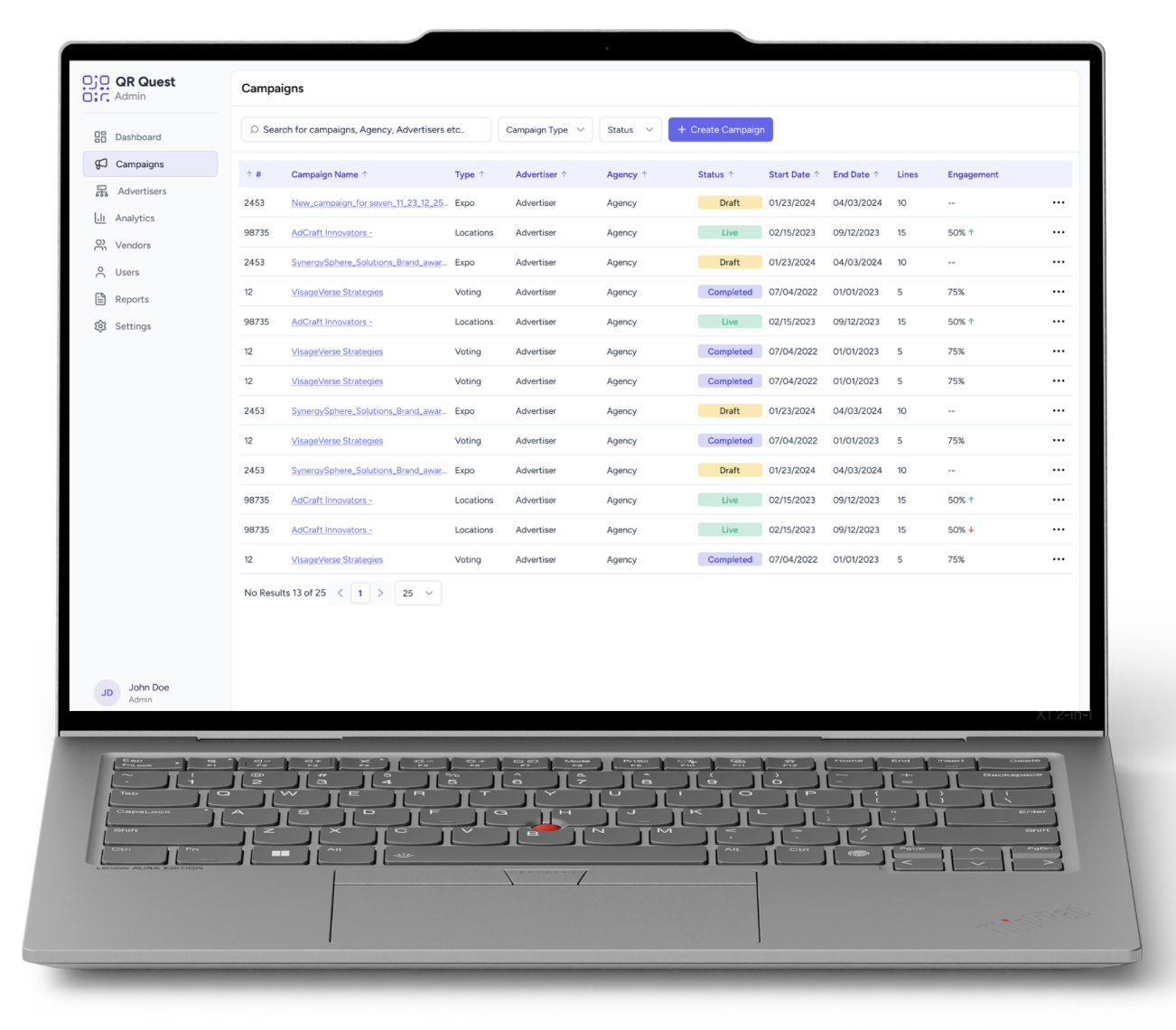
QR Quest takes the logic outside the browser. An organizer places codes around a city, conference, shop, or event. Visitors scan them, collect digital stamps, and redeem rewards. Agencies get a dashboard to create campaigns, assign codes to locations, and watch participation. C1X presents the product as a bridge from out-of-home attention to measurable visits. A scan can show that somebody engaged with a code; it cannot, by itself, prove a lasting sale. That distinction is where a sensible buyer should begin.
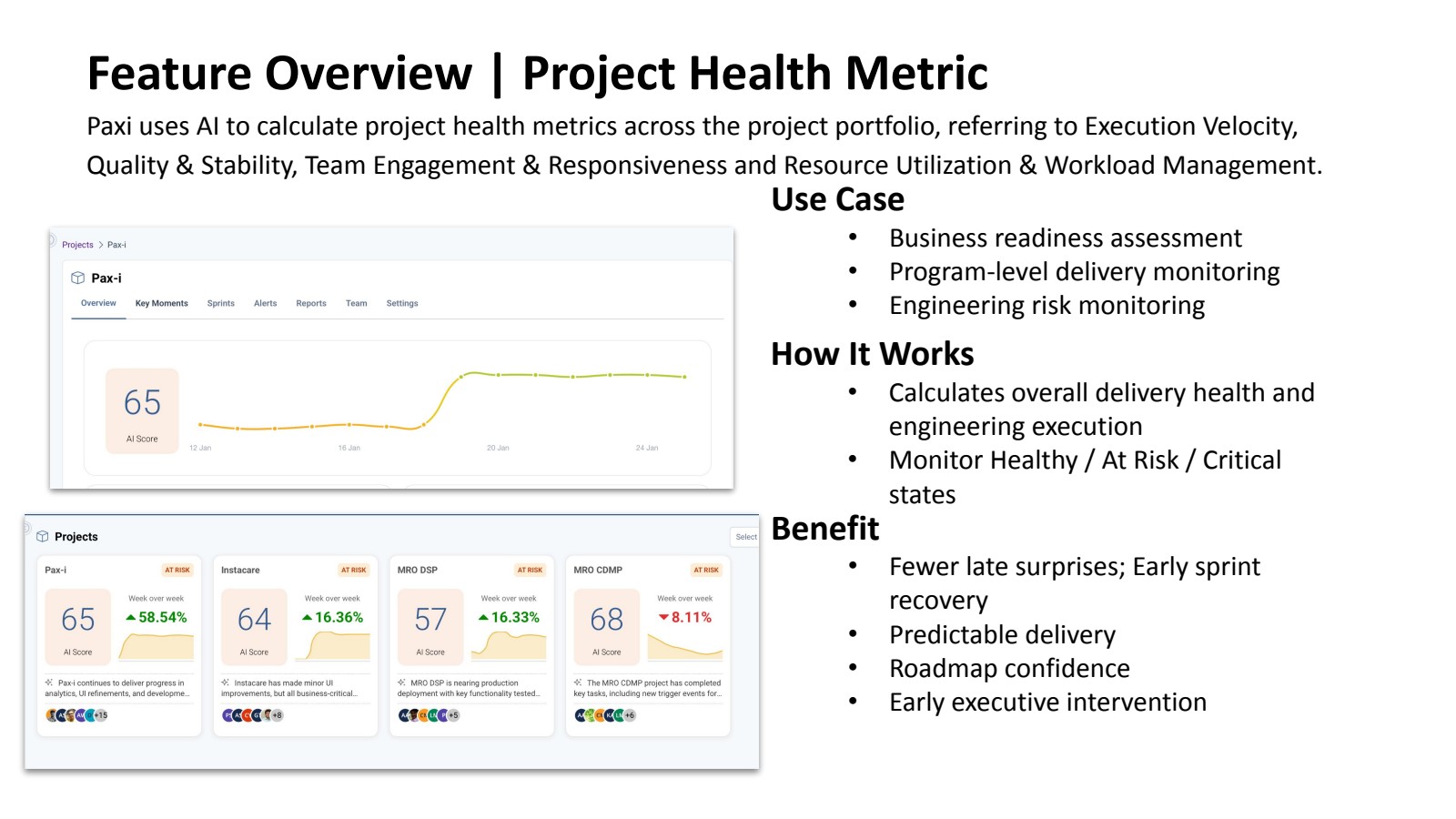
Pax-i.AI wanders further from the ad exchange. It connects project and team information from tools such as Jira, Slack, and Google Docs, then assembles health scores, summaries, alerts, and recommendations. C1X says it built the tool for its own work before offering it publicly. On its face, project risk has little to do with premium ad inventory. The common thread is a complaint about fragmented information: too many systems, no shared view of what is happening, and a manager asked to make a decision anyway.
C1X is a business-to-business company, not a consumer social network. Its users are the people buying media, selling it, planning a campaign, or trying to account for the result. Its market is crowded: a brand can choose a large demand-side platform, buy directly from a publisher, work through an agency, or stitch together separate data and analytics tools. C1X's case is strongest when a customer needs the transaction explained and adapted to its own workflow. It is weaker when reach, existing integrations, or the cheapest standardized self-serve buy matter more than that control.
There is no public figure that settles whether C1X made advertising cheaper for every client. There is a more useful, narrower claim. The company recognized that automation can make a transaction fast while leaving it obscure. Its first answer was to put an audience, a publisher, and a price on the same table. Its newer products keep asking the same practical question in other rooms: what happened, where, and what should someone do next? An honest receipt is not a revolution. In advertising, it is still a very good place to start.