Before John Turner ran a bank, he carried its messages. As a college student working a summer job at Trust Company Bank in Savannah, he passed information between customers, tellers and colleagues. It was an introduction to the part of banking that rarely makes a balance sheet: getting one person’s question to another person who can answer it.
The work appealed to him. His mother had worked in banking, too. He went on to earn an economics degree from the University of Georgia, worked at Trust Company Bank and moved to AmSouth in Mobile in 1985. The summer job had acquired a future. Many years later, he would describe enjoying the contact with customers that first drew him in.
Today, Turner is chairman, president and chief executive officer of Regions Financial Corporation and Regions Bank. From Birmingham, he leads an institution operating across 15 states. The distances have grown considerably since Savannah. So has the organizational machinery between a customer’s question and an answer. His career offers a way to examine what happens to that original appeal when the bank becomes very large.
A career with a Gulf Coast accent
Turner joined Whitney National Bank in 1994 as its Alabama regional president. He later served as Eastern Region president and took responsibility for geographic banking operations across the company. In 2008, he became president of Whitney National Bank and Whitney Holding Corporation, joining both boards.
He arrived at Regions in 2011 to lead the South Region: Alabama, Mississippi, South Louisiana and the Florida Panhandle. That assignment had a recognizable geography. It put him in charge of banking in markets where local businesses, households and community institutions had to be understood on their own terms. A regional title still leaves a great deal of ground to cover.
In June 2014, Regions reorganized its businesses. Turner took charge of the Corporate Bank, serving middle-market and larger commercial clients. The change moved him from responsibility for a territory to responsibility for a business. It also brought him closer to the decisions companies make about financing, expansion and the money required to keep operating.
- 2011South Region
- 2014Corporate Bank
- 2017President
- 2018CEO
- 2024Chairman
The presidency followed in 2017. On July 2, 2018, he succeeded Grayson Hall as chief executive and joined the board. The progression matters because it gave him several views of the same institution before he had to lead the whole of it. He had seen the bank arranged around places, then around the needs of larger businesses.
In April 2024, he added the chairmanship after Charles McCrary retired from the board. Ruth Ann Marshall became lead independent director. The new arrangement combined Turner’s operating role with leadership of the board, alongside an independent director charged with providing independent leadership. More titles had accumulated; the responsibility for making those roles work together had accumulated with them.
The question before the product
Speaking to University of Georgia students in 2019, Turner described a needs-based approach called Regions 360. The idea was to understand the customer’s situation and bring the appropriate parts of the bank together. A business question might connect to a personal financial concern. Customers should be able to reach the relevant help without having to understand the bank’s internal divisions.
He also described shared value: considering customers, shareholders, communities and employees when deciding whether business was worthwhile. It is an ambitious standard precisely because the interests of those groups require care to reconcile. A principle becomes useful when it changes a decision. The work of a chief executive is to make that connection repeatable across thousands of people.
“I’d like to leave the company better than I found it.”
John Turner, speaking at the University of Georgia, 2019
That sentence supplies a plain measure for a job usually surrounded by elaborate ones. It also leaves a difficult question for anyone who follows him: what, exactly, has become better? The answer has to survive beyond a speech and show up in the way the institution works.
The customer on the other side of the screen
In 2021, Turner sat down with Manav Misra, then Regions’ chief data and analytics officer, to discuss how information could improve service. The useful connection was between what customers shared with the bank and what bankers could do with it. Data could help a colleague recognize a need, start a conversation or identify a problem worth fixing.
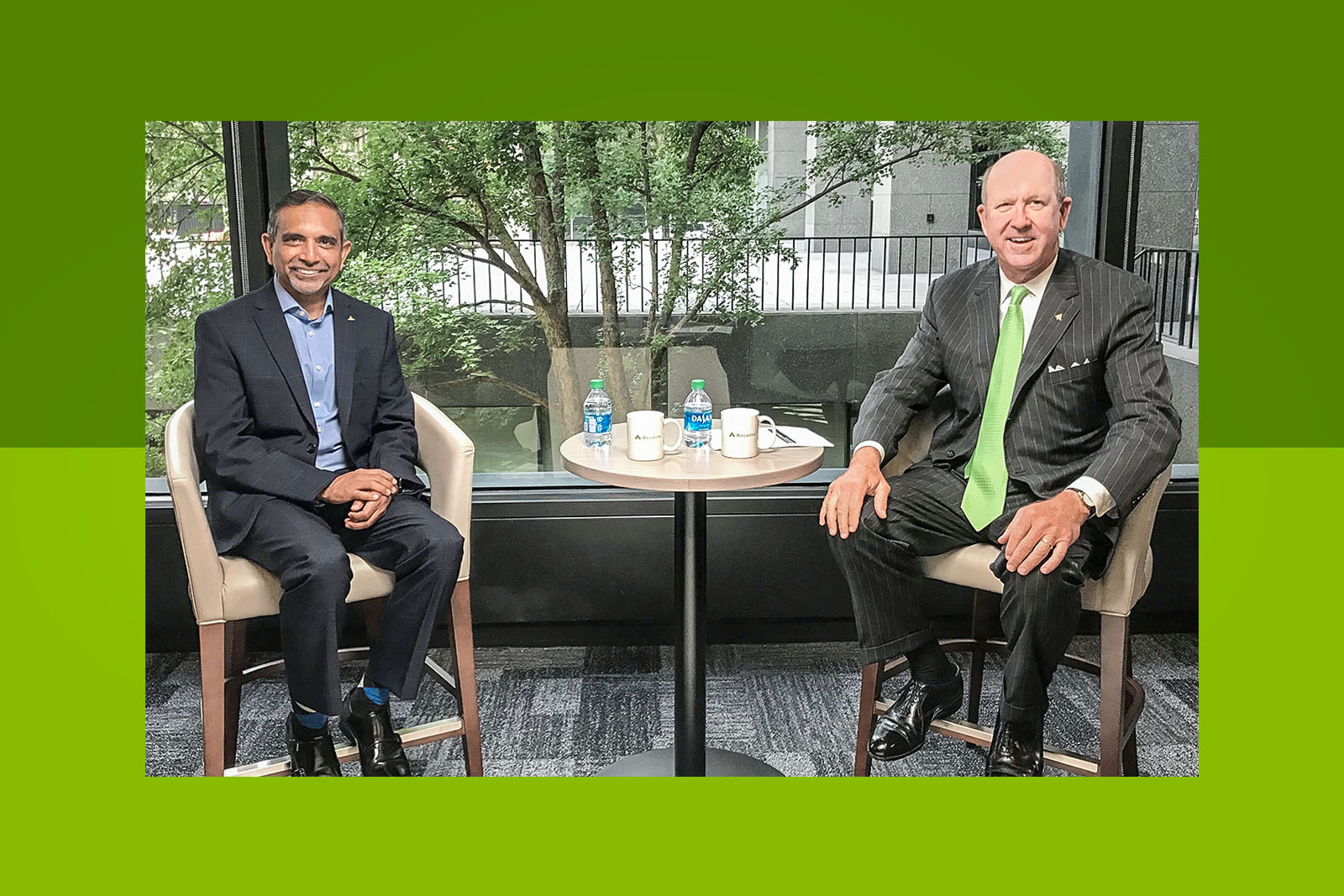
One example involved the mobile app. Customer feedback revealed concerns about deposits and transfers after a 2020 launch. A tool called rVOiCe helped teams identify a setting interfering with transactions. The production team had a fix within a week. It is a modest incident beside a bank’s annual results, but it describes service in terms a customer can recognize: something failed, somebody noticed, somebody repaired it.
Misra’s account of the bank’s development process also included governance, explainable models and participation from risk and audit colleagues. Those details put boundaries around the enthusiasm for new tools. Knowing more about a customer creates obligations about how that knowledge is used. A relationship has to remain trustworthy when part of the listening is done by software.
By October 2026, Regions was adding divisional technology leaders across commercial and wealth banking, consumer and digital banking, and enterprise technologies. The last of those roles brought together data, artificial intelligence and automation. These appointments belong to the continuing work of making the bank function across channels. An organization can announce modernization in an afternoon. Delivering a reliable experience takes considerably longer.
The parking lot with a second career
Turner’s civic work gives the story another scale. In 2014, while leading United Way of Central Alabama’s Pacesetter campaign, he described an involvement that began early in his career as a loaned executive. He said he had been giving continuously for 31 years. His explanation included the example he wanted to set for his children through volunteering.
“I think servant leadership is so important.”
John Turner, United Way Pacesetter interview, 2014
In January 2025, he joined the groundbreaking for Birmingham’s McWane Economic Education Center. Regions pledged $1 million, and Turner served as honorary co-chair of the capital campaign. The site had been a bank-owned parking lot before its sale to Junior Achievement. The proposed use of the land offered a satisfying change of subject: from somewhere to leave a car to somewhere to learn how money works.
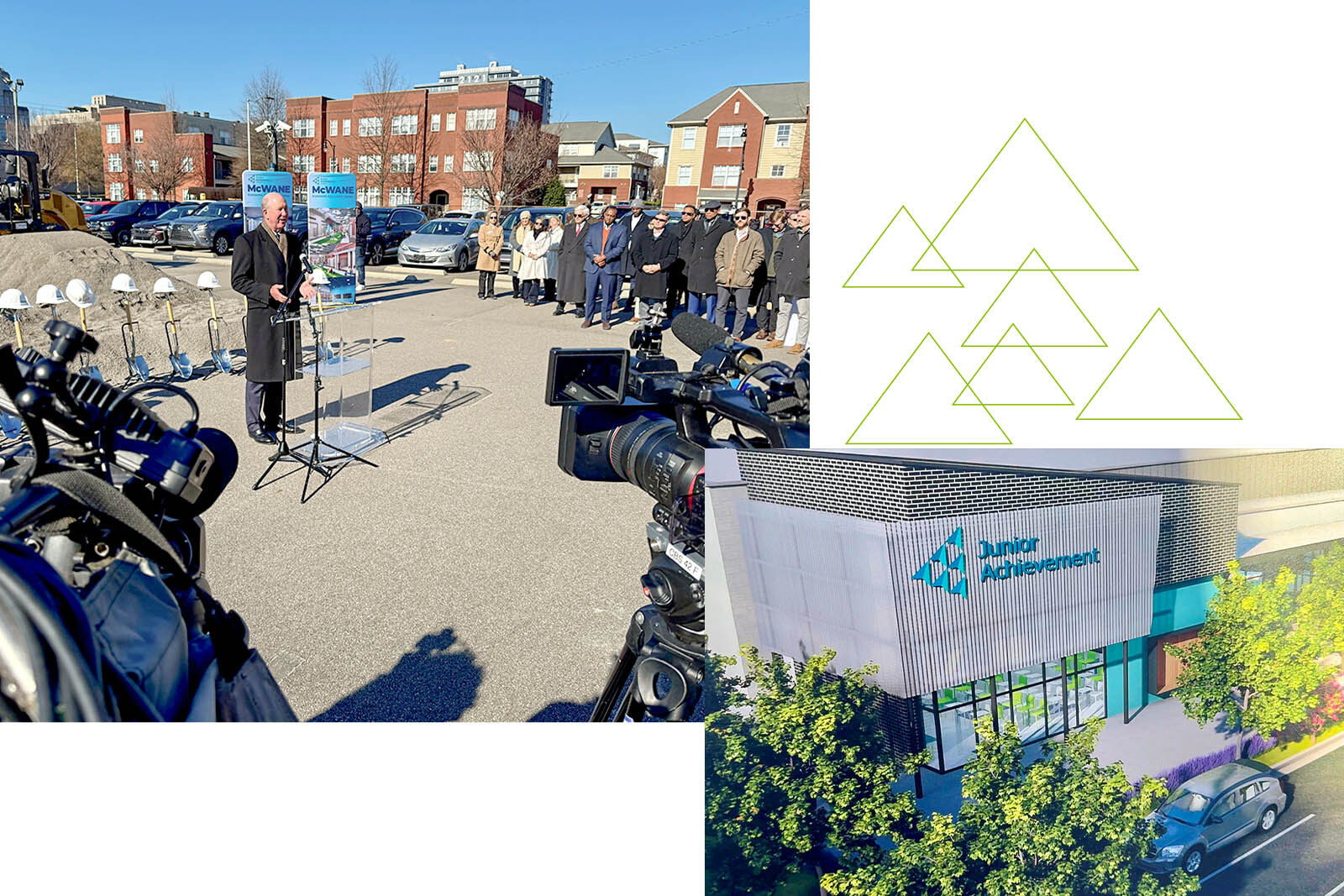
The planned 30,000-square-foot facility was designed to serve more than 20,000 middle-school students each year. Its programs included JA BizTown and a Regions-sponsored JA Finance Park, putting budgeting and other financial choices into practical exercises. Those were plans announced around the groundbreaking, with a clear purpose: let children encounter financial decisions before the stakes become their own rent, borrowing or savings.
A bank’s address is part of its business
There is a wider economic argument behind that involvement. During his 2024 Business Council of Alabama chairmanship, Turner highlighted workforce development and the Working for Alabama legislative package. He spoke about collaboration among business leaders, educators and policymakers, and the importance of opportunities that let people build careers in the state. Those concerns sit close to a bank’s own future customers and employees.
In 2023, Regions also launched an initiative focused on growing Black-owned businesses in Birmingham, with work involving mentorship, technical assistance and connections to potential resources. Turner tied the effort to the bank’s investment in its headquarters city. Here the relationship extends beyond an individual account to the conditions in which an entrepreneur might start or expand a business.
Another connection followed in September 2025, when Turner joined Southern Company’s board as an independent director. The energy company pointed to his financial expertise, regulated-industry experience and knowledge of its service territories. Banking and energy meet in the same expanding communities, where businesses need both capital and infrastructure. His appointment placed him inside another institution making long-term decisions about that growth.
More territory, the same test
Turner’s public plans also reach beyond Birmingham. In a 2026 LinkedIn post, he outlined approximately 135 to 150 branch openings over five years, alongside replacement and modernization work. He named markets including Miami, Nashville, Atlanta and Houston. Physical locations remain part of the plan even as the bank invests in digital capabilities. Customers continue to encounter the institution in several different ways.
In July 2026, Regions announced the completed acquisition of Montgomery-based Frazer Lanier, adding experience in municipal and corporate securities. Turner connected the deal to expanding services and bringing experienced bankers into the company. It is another version of the problem he has encountered throughout his career: matching people with the expertise their financial decisions require.
The latest quarterly numbers provide a dated checkpoint. On October 16, Regions reported third-quarter earnings available to common shareholders of $611 million, or 71 cents per diluted share. Turner pointed to investments in talent and technology, growth initiatives and risk discipline. Those figures measure a period of company performance. The longer task is maintaining the customer relationships on which the next period depends.
The summer messenger’s job was easy to picture. Someone needed help, and Turner moved a message across the bank. His responsibilities now run through committees, technology teams, branches and boardrooms. The enduring question is still recognizable: how well does the organization connect the person asking with the person, or system, able to help?