Four million people can be a disappointing audience. Haining Wang learned this while running Happy Elements: a casual game could attract a small nation of daily players and still struggle to cover its costs. The people had arrived. The money had not followed. For a company trying to make games that ordinary people could enjoy, that was an awkward result. How do you keep the welcome wide without making the business impossible?
- Social games proved that an approachable game could find a huge audience.
- Anipop brought that approach to the phone, where short sessions and payments fit more comfortably.
- Japanese character games opened another route: stories, songs and fans who wanted more.
Four million players. An awkward bill.
Happy Elements began in 2009. Its first social game, My Fishbowl, appeared on Facebook that August. The premise hardly needed a manual: keep a virtual aquarium. It was a useful invitation for people who might never describe themselves as gamers. The company was entering a world where a social network could double as a games distributor, putting entertainment beside the people you already knew.
By October 2011, Happy Elements was operating across 15 social platforms. Its company announcement put My Fishbowl at 1.5 million daily active users. It also announced a $30 million Series B led by Legend Capital, with DCM participating. Earlier backing brought the reported funding total to $35 million. Those are financing figures, rather than a price tag for any particular game. The stated plans included international expansion, recruiting and smartphone titles.
Series B, led by Legend Capital with DCM.
Money for global expansion, talent and mobile games.
Capital bought room to try. It did not settle the question of what would pay. In a 2017 interview, Wang recalled a 2012 title on Tencent with four million daily users and daily revenue below RMB100,000. Server-fee concessions were keeping the economics from becoming worse. The problem appeared in the conversion from enjoyment to income. You could have a successful invitation and an unsuccessful business at the same time.
The pocket changes the equation
Anipop, known in China as Kaixin Xiaoxiaole, put an animal-themed match-three puzzle on phones in February 2014. Players match pieces and work through obstacles. The attraction is familiar to anyone who has played a casual puzzle: a clear task, a visible consequence and another chance to improve. You do not need to assemble a team or learn a fictional history before the first move.
Wang’s 2018 account made the setting part of the explanation. A few minutes waiting for food or an elevator could become a playing session. Mobile payments also made spending easier. He reported approximately 120 million monthly players and nearly 40 million daily players at that time. These are historical audience figures. They describe the scale of the transition, rather than the size of today’s crowd.
The current company website reports more than 800 million cumulative Anipop downloads and over 10,000 levels. Downloads are not unique people, and they are not active users. The more revealing detail is the pile of levels. A service has to prepare for its regulars. Someone who finishes today’s entertainment needs a reason to open the app tomorrow.
That puts Happy Elements beside casual puzzle businesses such as King’s Candy Crush, competing for brief periods of attention. Its expertise combines puzzle design, mobile development and continued operation. A cheerful board is the part players see. Keeping the board supplied with challenges is the continuing obligation behind it.
Let Kyoto write the characters
There is another Happy Elements audience for whom a puzzle board is beside the point. Ensemble Stars invites players into the lives of fictional idols. Its official site has a discography next to its story and game pages. That small navigation choice tells you quite a lot: music belongs inside the experience, rather than arriving as a promotional extra.
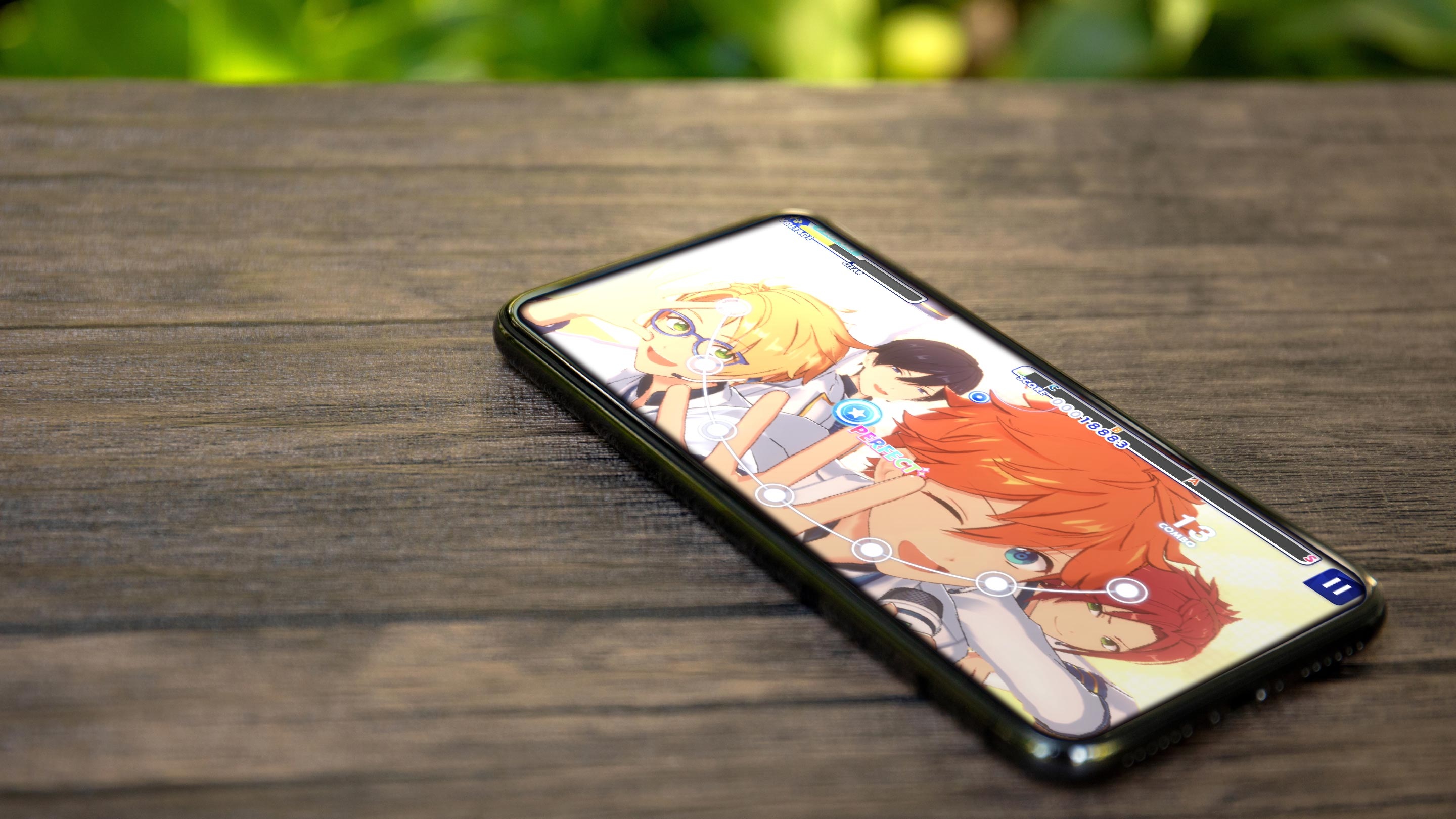
The Japanese subsidiary was established in April 2010; its Kyoto development office followed in 2011. These dates belong to that operation, distinct from the group’s 2009 beginning. In October 2016, it acquired Grimoire, while the Kyoto office became Cacalia Studio. The Japanese business now describes its development and operation through those two studios.
Wang described Japanese teams making games locally with creative autonomy. The lesson for expansion is practical: understanding a market may require giving people in that market the authority to create. Translating words is a smaller task than understanding which characters an audience will care about.

“We are running a service.”Happy Elements motto, recalled by Haining Wang
A business with a calendar
The business model follows those different attachments. Games offer free access with optional purchases; the wider company also works in music, animation, licensing, merchandise and live performances. Players are the central customers, but a fan can meet the same property through a song or a stage show. Each format asks for a different kind of attention.
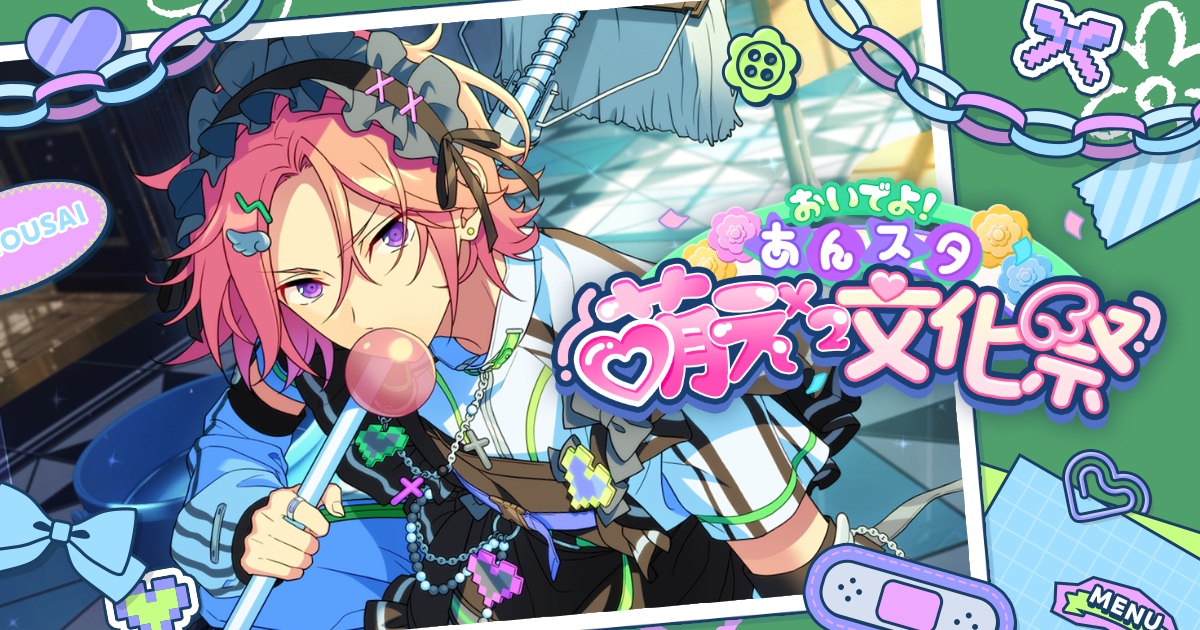
Recent announcements show the calendar at work. September 2026 brought an Ensemble Stars cultural-festival campaign with character cards and new support features. ReverseBlue x Re-birthEnd, developed by Grimoire and published by the Japanese subsidiary, marked its second anniversary that month. Elsewhere, the group announced Babytopia’s global puzzle-adventure launch in May 2025. Elementa’s announced Silver Palace takes a different direction: a detective ARPG with a Victorian-inspired city.
For anyone building a repeat-use product, the useful thing to copy is the question Happy Elements had to answer: does the next visit create enough value to justify the work of serving it? A vast free audience can carry vast costs. A character franchise needs the creative work that makes fans care. Neither follows automatically from a download. Happy Elements’ story is interesting because it found several reasons for people to return, then kept working on what those returns were worth.