A circuit board can look finished long before anyone has proved that it works. The components are in place. The drawing is tidy. Then come the questions: Does the signal survive? Does the power behave? What happens when the board meets the enclosure, the firmware and the test bench? H10 Capital has built its offering around precisely this less photogenic stretch of technology development.
- Specialist engineers and managed teams for hardware, software and infrastructure.
- Work spans design, simulation, validation and program delivery.
- Microsoft, Amazon and Meta are named in its own customer description.
The Seattle firm dates its founding to 2007. Public executive profiles identify Sean Horan as its president and founder. Today, its website offers eight service categories, reaching from mechanical engineering to construction management. Read that menu closely and an interesting business emerges: a company selling the expertise needed to move someone else’s technical project forward.
A circuit board is a team sport
Start with the electrical engineering list. H10 names oscilloscopes, spectrum analyzers and function generators. These are wonderfully concrete objects in a business vocabulary often crowded with abstractions. Its engineers work on circuit layouts, signal integrity, power integrity and radio-frequency testing. They also collaborate with mechanical, robotics, firmware and software colleagues. A board belongs to a system; the service description acknowledges the neighbors.
Mechanical work supplies another piece: CAD models, prototypes, test fixtures, material selection and manufacturing support. H10 says its engineers adapt to a client’s workflow and communication methods. That is a small detail with practical consequences. Bringing in expertise creates its own coordination work. An outside engineer still needs to understand how the client reviews a drawing, records a change and decides that something is ready.
Software sits close to the hardware. H10 offers embedded development for particular platforms and real-time operating systems, alongside web and mobile applications. It also builds automated frameworks for testing devices. For a buyer, that combination is useful: the code running a product and the code checking that product can be part of the same engineering conversation.
AI is another service line, covering roadmaps, data analysis, model development, language processing and deployment into existing systems. Here, too, the offer is consulting and implementation. A buyer would be commissioning work for a particular business problem. The sensible starting point is the decision or process that needs improvement.
The useful question is: prove what?
H10’s verification and validation description begins with requirements. Are they clear, complete and testable? Before the equipment comes the sentence saying what the product must do. The firm then lists test planning, design verification, test execution, defect tracking and compliance checks. This is a service offering organized around evidence, with a place to record what went wrong and whether it was resolved.
“Your success is dependent on getting the right people to deliver quality, on-time solutions.”
H10 Capital
Simulation offers a different route into that evidence. H10 supplies mechanical, thermal and fluid simulation engineers; its published capabilities include drop-impact analysis. A designer can examine a modeled response before committing to the next physical iteration. The distinction matters: a simulation produces a prediction that engineers must interpret. Physical testing and the original requirements still have jobs to do.
- 01DefineWhat must it do?
- 02ModelWhat should happen?
- 03TestWhat actually happens?
- 04ResolveWhat needs to change?
Here is something a reader can copy without buying anything: write the acceptance question before assigning the work. If a component must tolerate a load or a device must communicate reliably, specify the conditions and the evidence. A failed test then has a clear meaning. It can change a material choice, a layout or a requirement, rather than merely producing another meeting.
Even the cloud needs plumbing
Then the menu takes a turn. H10 also supplies construction management and project engineering for data centers and other critical infrastructure across the United States. Its list includes chilled water, liquid cooling, backup power, generators and switchgear. The company describes these teams as an extension of the owner’s project delivery organization, supporting work through commissioning and handover.
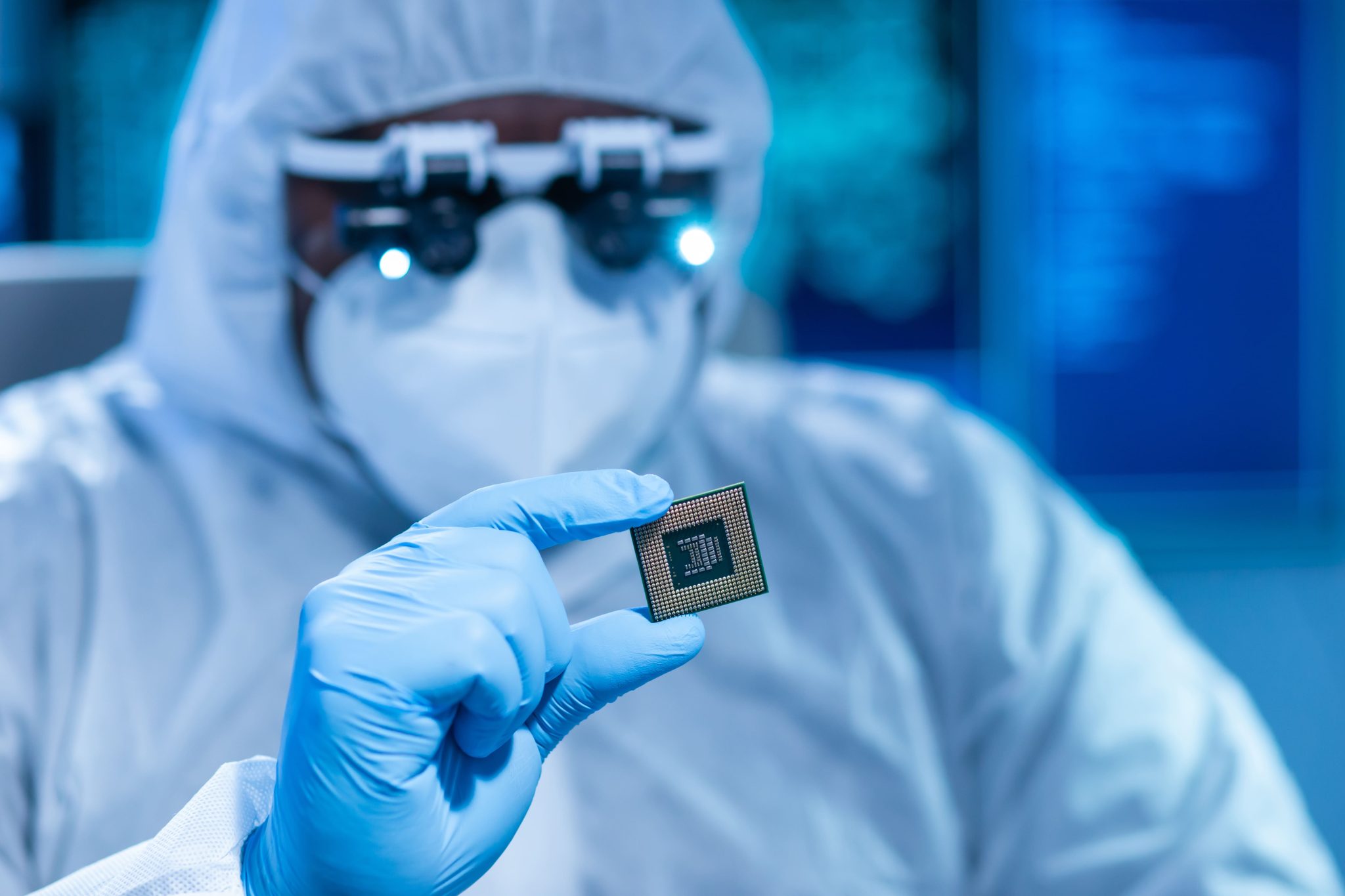
Semiconductor services reach into process optimization, yield improvement, equipment selection and facility planning. Aerospace services cover development, testing and certification support. Together, these offerings locate H10 in a broad engineering services market. The common thread is specialist work inside a client’s program, whether the object under discussion fits between two fingers or requires a building.
Buy the handoff, too
H10 describes itself on LinkedIn as a managed services company and names Microsoft, Amazon and Meta as customers. There is also a historical external marker: Microsoft’s June 2016 Azure subcontractor list includes H10 under Azure Active Directory operations and troubleshooting. That establishes a specific place in the supplier ecosystem at that time; the current customer description comes from H10 itself.
Its business model is selling engineering services and technical capacity to organizations. Program management adds schedules, budgets, risk assessment, supplier coordination and stakeholder communication. The positioning combines access to specialists with support for execution across disciplines. Buyers can also consider their own engineering hires, staffing suppliers or outsourced engineering groups such as ALTEN. The useful comparison is the responsibility each arrangement actually includes.
A prospective client should therefore ask for the deliverable, the acceptance owner and the handoff plan together. Ask how findings enter the client’s systems, who approves a change and what happens when a test fails. For a small, isolated task, broad coordination may add little value. For an intertwined program, unclear ownership can frustrate even a technically capable team. The scope needs to justify the arrangement.
For budgeting, separate the people from the surrounding work. A useful proposal should identify the assignment’s duration, review cycles, equipment access and expected documentation, along with the commercial terms. Compare those assumptions across suppliers. An attractive rate tells you little if the client and provider have different ideas about how many iterations, tests or approvals the assignment includes.
A smaller robot, a familiar problem
One public detail brings the story down to a more approachable scale. Official FIRST competition records list H10 Capital among the sponsors of Arrowdynamics, Bothell High School’s Team 10079. At the March 2026 Glacier Peak event, the team was a district finalist and received the Rising All-Star Award. Those honors belong to the students. The sponsor listing places H10 beside a younger group confronting an old engineering challenge: getting all the pieces to work together.