The birds were never the problem. The guide behind Aswan Birdwatching knew where to find them. Guests booked trips; reviews arrived. Summer, however, brought empty stretches in the calendar. Pricing relied on instinct. Marketing happened when it happened. In June 2026, he joined three days of Gemini Africa training in Aswan. His account describes a business owner discovering that knowing his subject and knowing his business were separate skills.
- Gemini Africa helps founders turn practical skills into workable businesses.
- Its programs combine coaching, industry introductions and selective financial support.
- The distinctive move: take entrepreneurs to the people and places their businesses need.
The guide began distinguishing between European birders, Egyptian families and Gulf visitors. He mapped his revenue streams and considered dedicated summer trips, photography tours and a downloadable guide. These were proposed changes, rather than proven results. But they expose the problem Gemini works on: talent can be plentiful while commercial habits remain underdeveloped.
Put the pitch where the customers are
Gemini Africa, established in 2018, describes itself today as an entrepreneur support organization. Founder and chairman Adly Thoma leads a company whose work stretches across social enterprise, creative businesses and youth and women’s economic participation. Its offer includes incubation, acceleration, mentorship, connections to markets and access to finance.
The interesting part is where it chooses to make those connections. In 2020, Gemini introduced its CinemaTech pitching track at El Gouna Film Festival. A film festival already gathers people who commission, produce and evaluate creative work. Putting technology founders there gives their pitch a specific audience. A useful introduction can begin with a shared production problem.
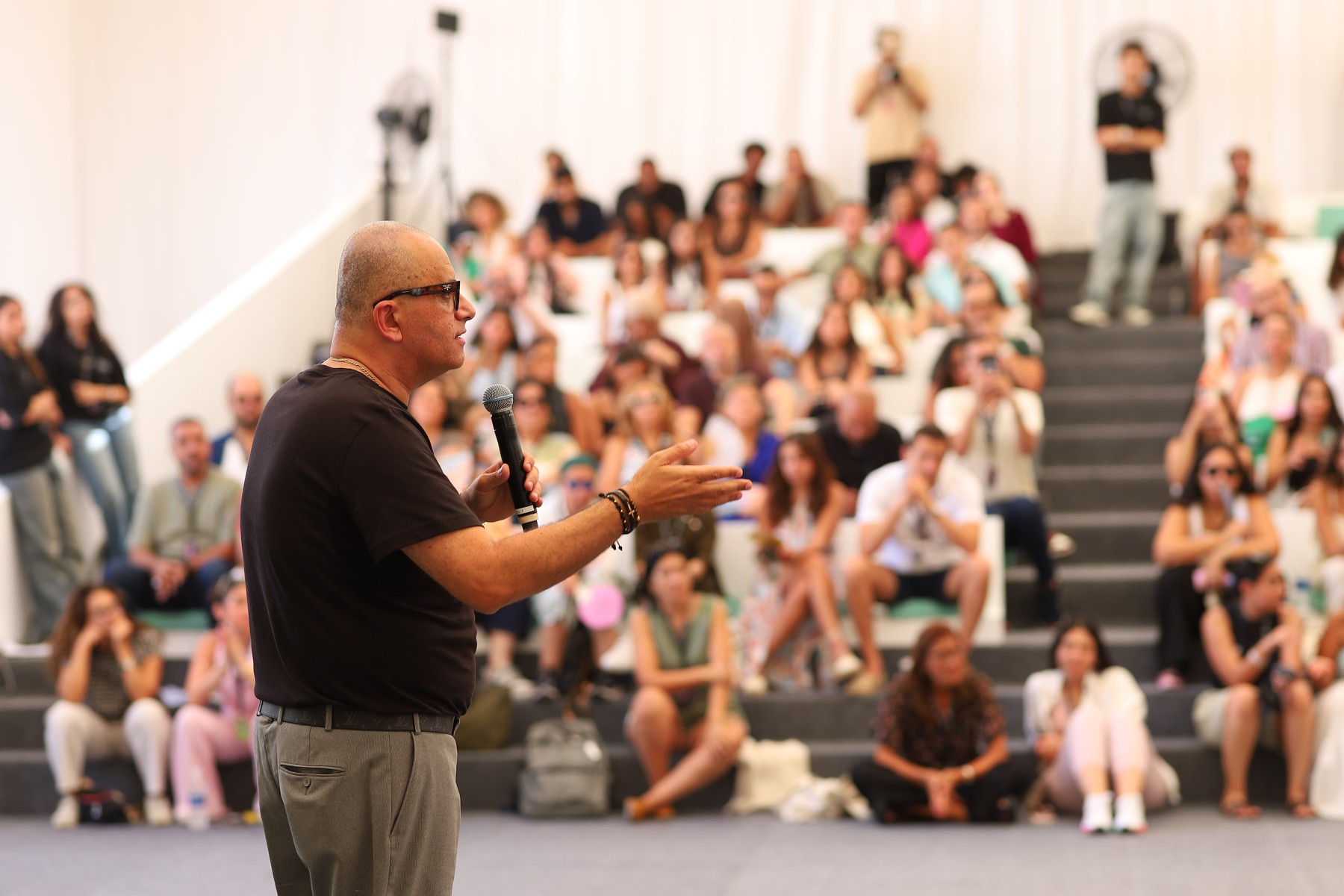
In the 2021 competition, ten entrepreneurs presented to a jury that included filmmakers, performers and investors. Virtual-reality specialist StepInside finished first, followed by IntMedia and Quad-A. By 2025, the festival guide listed a fifth CinemaTech pitching edition, covering technologies across development, production, post-production and distribution.
That gives Gemini a particular place in the market. A founder can approach an investor directly or join a broader incubator. CinemaTech offers a route into a specific industry gathering. Its value depends partly on whether the people in that room can recognize, test or buy the proposed solution.
The missing business around the skill
Thoma’s explanation predates the birdwatching guide’s experience. In a 2021 interview, he described technically capable creatives who lacked the business preparation to bring their services to market. Gemini’s response was to develop incubation alongside the festival exposure. Getting noticed and becoming commercially ready require different work.
“We feel like money alone isn’t always the right answer.”
Adly Thoma · 925 Egypt, 2021
The company now calls its method the three Ms: mentorship, matchmaking and money. In practical terms, that means individual coaching, relevant introductions and monetary prizes for selected ventures. The order is useful to think about. A cash award stretches further when a founder understands the customer, the costs and the route to a sale.
Gemini’s expertise sits in designing and delivering that support with partners. The model includes institution-backed programs and corporate collaboration; historical company materials also describe equity partnerships. For founders, the relevant offer is a structured development journey. For partners, it is a way to deliver entrepreneurship support to a defined group or sector.
The numbers before demo day
Upper Egypt makes the approach concrete. Gemini and the Sawiris Foundation launched Uplift for Upper Egypt in 2021. The third incubator cycle, also supported by Mars through Galaxy, drew 600 applicants from six governorates. Of those, 111 joined training, and 19 reached the final pitching stage. Women’s participation was 54%.
The winners show how broadly Gemini interprets entrepreneurship. Insight Learn uses small three-dimensional models to support learning for visually impaired and sighted children. iBIKIA works on household recycling through a mobile application. Pottery Hub combines AI-assisted design with traditional pottery and local workshops.
Three winners shared EGP 210,000. That is a prize pool, not the cost of running the incubator or a funding round raised by Gemini. The distinction matters: a demo-day cheque is one component of support, alongside months of training and introductions. It also goes to a small share of participants.

A business lesson travels south
In South Sudan, Gemini works with the Whitaker Peace & Development Initiative. A cohort beginning in June 2025 selected 55 entrepreneurs from 90 applicants in Juba, Yambio and Torit. Training covered financial management, marketing, customer relations and pitching, alongside conflict resolution. WPDI reported 18 businesses launched after competitions awarded seed support.
The pairing is revealing. WPDI brings community engagement and peacebuilding experience; Gemini contributes entrepreneurship support. In July 2026, they renewed the partnership through June 2027. The next phase targets support for 15 new businesses while continuing to mentor the previous 18. Those additional businesses are a target, rather than an accomplished result.
Start with the customer, then build the room
Creative Maker applies similar thinking to artists and designers. Implemented by Gemini with British Council support, its third edition held a three-day Cairo bootcamp in June 2026 covering business models, branding, marketing and financial planning. The curriculum treats creative work as something that needs a commercial structure around it.
There is a lesson here for founders: separate the customers you currently lump together, map how revenue arrives and seek introductions to people with a reason to use your work. For program designers, pair instruction with a relevant network. Neither works automatically. Coaching needs founders willing to revise assumptions; introductions need demand on the other side. A festival pitch cannot make an unwanted product useful.
The Aswan guide’s proposed changes capture the modest, practical ambition. Different customers might need different trips, prices and messages. Gemini’s contribution begins when a founder can see those choices clearly enough to test them.