The revealing moment in a school’s life may come after a student leaves. A graduate gets a job, acquires experience and becomes the person another student wants to meet. Usually, that relationship is left to chance. At A2SV, Africa to Silicon Valley, returning graduates are part of the design. Alumni become mentors, educators and product leads. The person who once needed help can become the person giving it.
- Free, selective engineering training for African university students.
- Alumni help teach, connect employers and build digital products.
- Donations and corporate support pay for the work behind free tuition.
Consider the arithmetic. In 2019, Emre Varol began with 22 students in Ethiopia. A former engineer at Google, Palantir and Liftoff, he brought experience of the companies his students hoped to join. But one experienced engineer can only answer so many questions. A growing program needs more people who understand both the destination and the distance. Its own graduates are unusually well placed to do that.
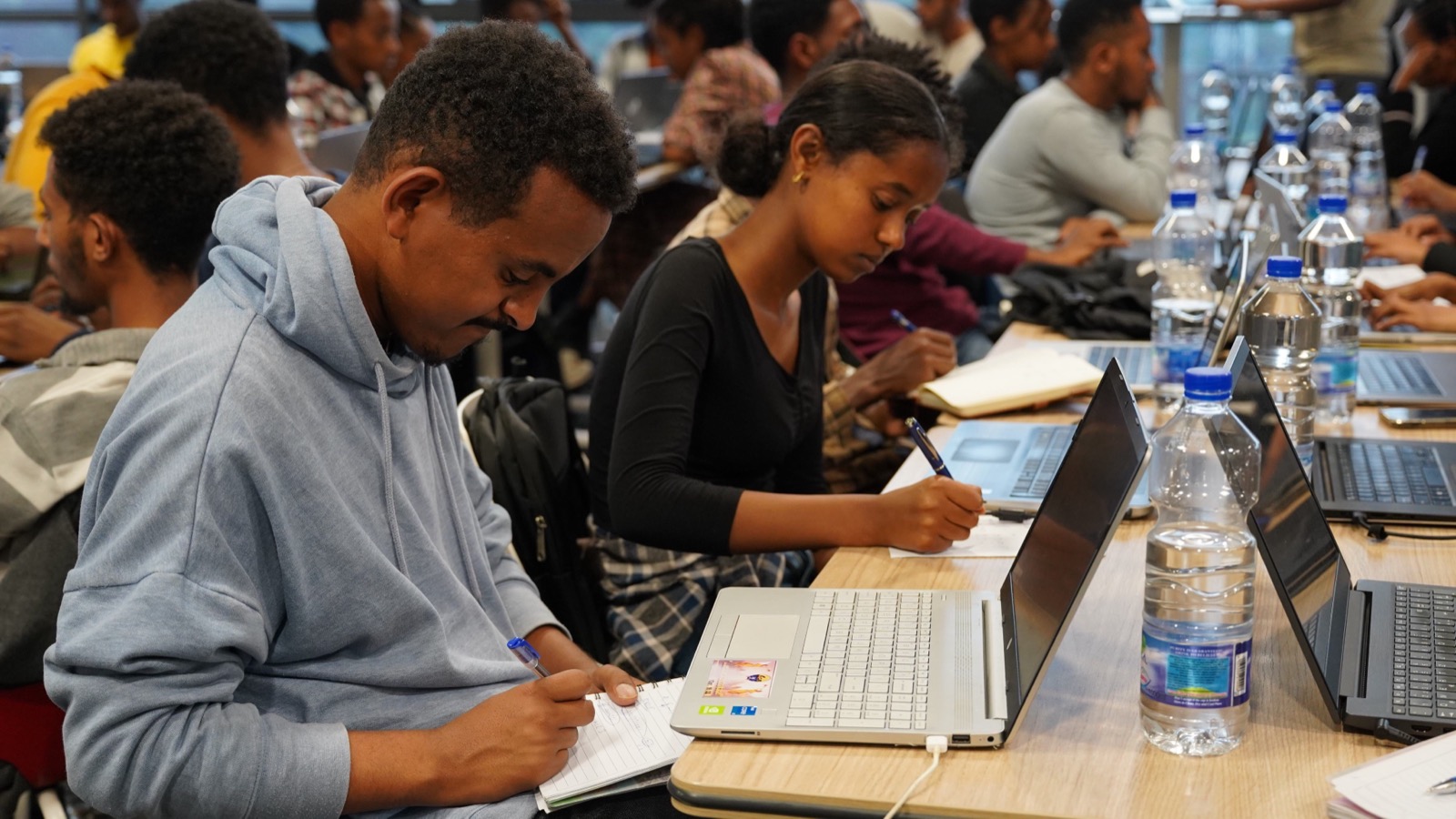
A thousand hours is a design decision
A2SV addresses a specific gap: university knowledge does not automatically translate into interview performance or useful software. Its training covers algorithms, data structures, communication and real projects. Students practise explaining decisions as well as making them. Mock interviews make an unfamiliar encounter familiar. Mentorship supplies the corrections that a completed video lesson cannot.
The program is selective and intensive, with more than 1,000 hours of training annually. Campus cohorts offer direct contact with educators; remote groups extend access beyond those campuses. The published curriculum moves from engineering fundamentals toward product discovery, prototypes, user experience and launch. This is a substantial commitment alongside university study. Free admission does not make the calendar free.
Applicants should read the rules for the particular intake. The remote G7 announcement, with an April 2026 deadline, asked for at least 60 solved problems across LeetCode and Codeforces and 30 active practice days. That requirement makes consistency visible before admission. It also helps explain the selection effect behind the results: these students have already shown a willingness to spend time on difficult problems. Another school cannot assume the same outcomes simply by borrowing the syllabus.
“The talent was always there.”
Emre Varol / Founder and CEO
That sentence, from Varol’s account of the organization, puts the burden on the environment. A2SV supplies structure around ability: a schedule, peers, feedback and a route to people who hire. The alumni loop matters because a recent graduate can explain the small obstacles an outsider might miss. Familiarity becomes a teaching resource.
- 01 Select
- 02 Practise
- 03 Build
- 04 Return
Free tuition still has a bill
Students are beneficiaries, rather than the people buying tuition. Donors and corporate partners carry the cost. A2SV’s January 2023 funding announcement described wonderfully concrete purchases: a permanent Ethiopian office, more education heads, a product manager and student equipment. Institutional growth, in this instance, meant having enough people and working machines to deliver the lesson.
Google renewed support for a third consecutive year in May 2024. A2SV’s subsequent five-year account puts its total budget at $4 million. That covered an organization doing several things, including education, incubation and events. Dividing the figure by trainees would produce a neat number with a messy meaning. It would not isolate the cost of teaching one engineer.
The current donation menu makes smaller needs visible: $25 for a month of internet access and $2,500 for a year of student support. These are fundraising allocations, rather than an independently measured unit-cost study. Still, they expose an easily overlooked constraint. A remote classroom works only while someone can afford to stay connected.
The interview is only one destination
A2SV reports more than 1,200 engineers trained across 22 African countries. Its impact page counts 123 global technology offers: 76 full-time and 47 internships. Those are offers, not necessarily 123 different people, and the figures do not establish a placement rate. The distinction matters when the names include Google, Bloomberg and Amazon. Famous employers make readers reach for conclusions quickly.
Count the offer. Keep the category.
The organization also gives graduates a reason to build for users closer to home. Its incubator supports more than 20 digital products. Adot offers pregnancy support; SkillBridge works on exam preparation; Akil connects people with opportunities. These projects give engineers something a coding exercise cannot: a user whose problem may survive even perfectly functioning code.
Employers have another doorway. Eskalate, announced as A2SV’s staffing arm in April 2024, offers engineering talent and software delivery. Today, its services also include AI data and evaluation work. Companies can commission products or find developers. A2SV consequently occupies several neighboring markets: technical education, talent services and early product incubation. Each serves a different user.
The public work continues beyond polished product descriptions. In August 2026, A2SV’s GitHub organization showed updates to Lissan AI, an Ethiopian-focused professional English assistant, and RemedyMate, a home-remedy adviser project. A repository establishes that people are developing software; it does not establish paying customers or a finished service. It does, however, let a prospective mentor or employer examine something more revealing than a certificate: the work itself, with its decisions open to inspection.
Alternatives overlap only partly. ALX offers career training, Moringa School runs technology bootcamps, and Andela supplies technical talent and AI services. A2SV’s distinctive combination is free, selective university-linked education followed by alumni teaching and product work. A comparison based only on course subjects would miss much of what it is trying to organize.
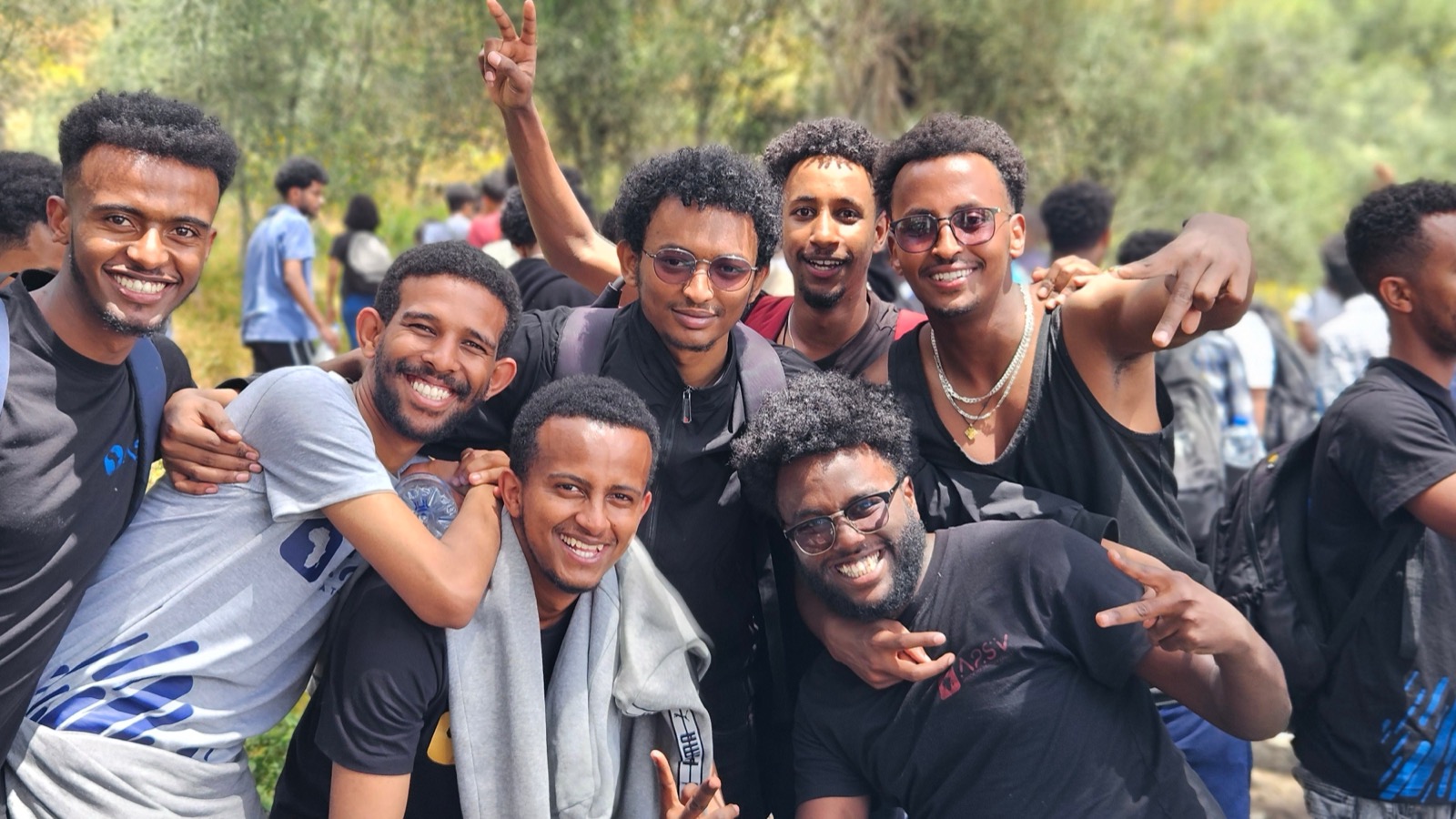
Teach the next teacher
The events extend that same logic. In 2024, A2SV’s hackathon drew nearly 5,000 registrations from 48 countries, with 1,118 teams and a $30,000 prize pool. Workshops and mentoring preceded the final pitches. The event gave participants a public test of whether they could explain, build and defend an idea.
For someone running a training program, the useful lesson is to make alumni participation an operating habit. Give graduates defined ways to teach, review work and introduce opportunities. Then give current students work worth showing them. This approach needs time, educators, connectivity and sustained funding. Selective cohorts also limit how readily its outcomes transfer to an open-enrollment classroom.
A2SV’s name suggests a journey toward a distant address. Its more interesting journey circles back: the graduate returns with knowledge the next student can use. If that return keeps happening, the school acquires something more durable than a famous employer’s logo. It acquires another teacher.